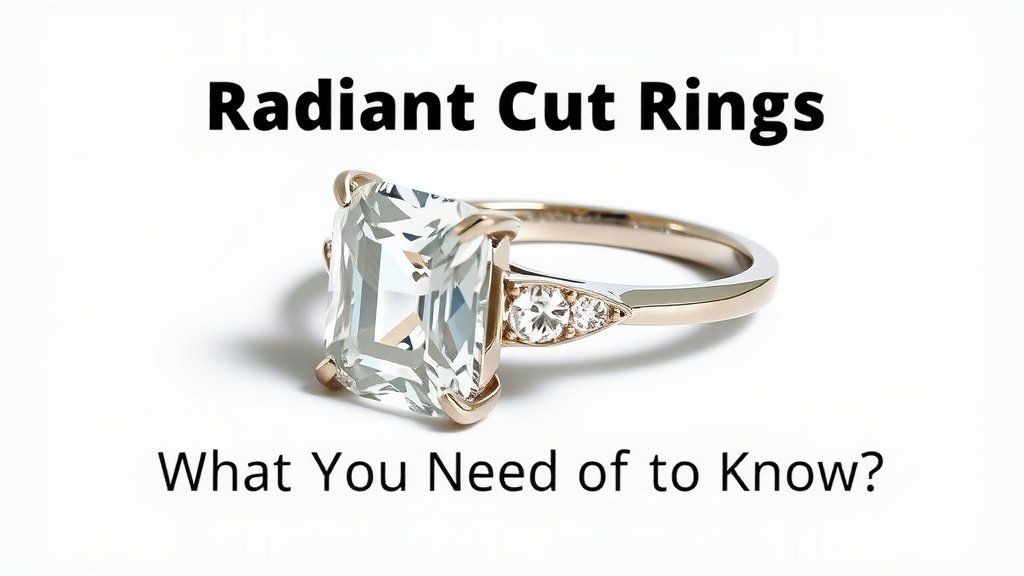
Radiant Cut Rings: What You Need to Know
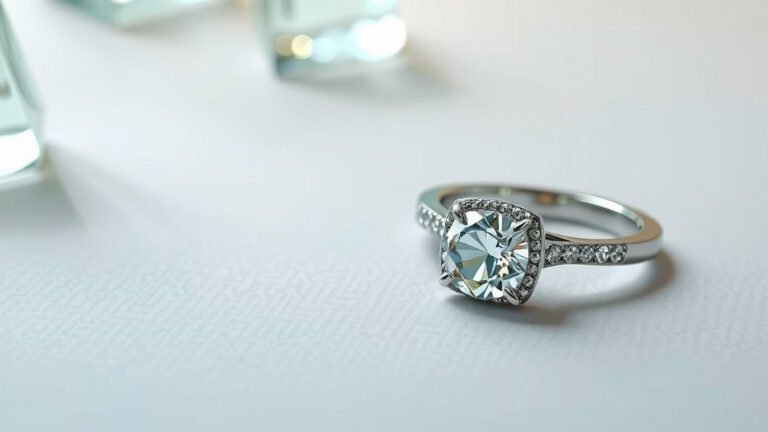
A radiant cut ring features a rectangular gemstone with its corners clipped off. It offers the brilliance of a round cut but in a more elongated shape. Many find its modern look and dazzling sparkle quite appealing for engagement rings.
This popular diamond shape is known for its unique faceting pattern. It’s designed to maximize light reflection, giving it exceptional fire and brilliance. Think of it as a hybrid of the oval and emerald cuts, blending their best visual qualities.
- Radiant cut rings have a rectangular shape.
- Their corners are typically clipped or truncated.
- They offer excellent sparkle and fire.
- It’s a modern choice for engagement rings.
Ready to see what makes this cut so special? Let’s dive into the details of the radiant cut ring.
Understanding the Radiant Cut Diamond
So, you’re curious about radiant cut rings! It’s a fantastic choice, blending the best features of classic diamond shapes into something truly modern. A radiant cut diamond is essentially a rectangular or square shape with all eight corners chamfered or cut off. Think of it as a modified brilliant cut, designed to pack a serious punch of sparkle.
This cut is quite the innovator, really. It was developed in the 1970s by Henry Grossbard. His goal was to create a shape that offered the brilliance of a round diamond but within the elegant outline of an emerald cut. He succeeded, giving us a shape that’s both dazzling and sophisticated.
The Anatomy of a Radiant Cut
What exactly makes a radiant cut so distinctive? It’s all about the way the light plays off its many facets. Let’s break down its key features.
Shape and Outline
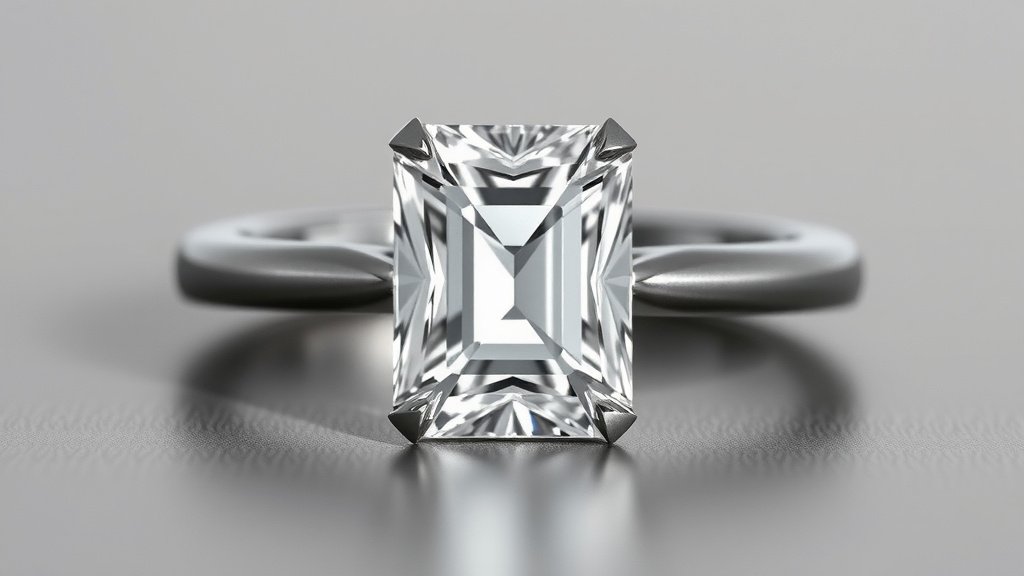
The most defining characteristic is its shape. You’ll typically see radiant cuts as rectangular, meaning their length is noticeably greater than their width. However, they can also appear in a more square proportion. The key visual element is those clipped corners, giving it a softer, more refined edge than a straight emerald cut.
Faceting Pattern: The Secret to Sparkle
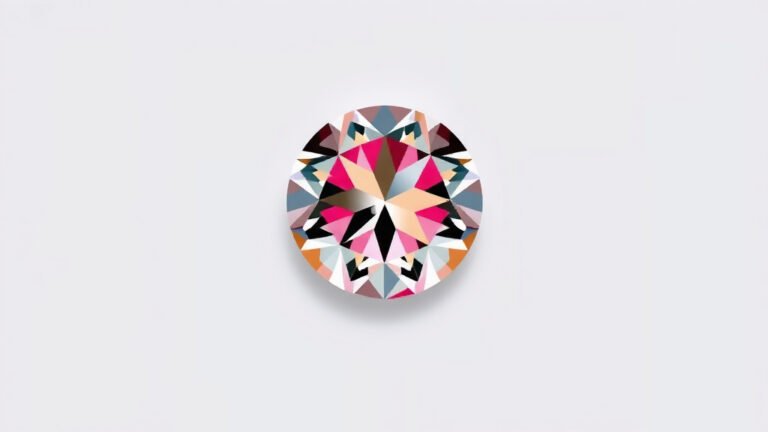
This is where the magic happens! A radiant cut diamond features 70 facets, which is quite a few. This high number of facets is designed to maximize the diamond’s brilliance and fire. The facets are arranged in a way that allows light to reflect internally and then exit towards your eye, creating that captivating sparkle. It’s a brilliant-cut facet pattern, but applied to a rectangular shape. This is why it offers so much more fire than an emerald cut, which has a stepped facet pattern.
Cut Quality: What to Look For
When choosing a radiant cut ring, the quality of the cut is incredibly important. Unlike round brilliant cuts, there isn’t a universal grading scale for radiant cuts from major labs like the GIA. However, we found that jewelers and gemologists often look at several factors. These include the symmetry of the facets, the depth of the stone, and how well it disperses light. A well-cut radiant diamond will appear lively and bright, with no dark or dull spots.
Radiant Cut vs. Other Diamond Shapes
You might be wondering how a radiant cut stacks up against other popular diamond shapes. It’s a fun comparison, really!
Radiant vs. Emerald Cut
The emerald cut is famous for its elegant, linear facets and a large, open “window” in the center. It offers a sophisticated, almost art deco vibe. However, its stepped facet pattern means it doesn’t reflect light as intensely as a brilliant-cut stone. This results in less sparkle and more of a hall-of-mirrors effect. The radiant cut, with its brilliant-cut faceting, provides significantly more fire and sparkle than an emerald cut. If you love the rectangular shape but crave maximum brilliance, the radiant is your go-to.
Radiant vs. Oval Cut
The oval cut is another elongated shape that’s popular for engagement rings. It also has a brilliant-cut facet pattern and offers excellent sparkle. Oval cuts are known for appearing larger than their carat weight and can create a flattering, elongating effect on the finger. The main difference lies in the outline: ovals are perfectly symmetrical with rounded ends, while radiant cuts have those distinctive clipped corners. You might also find that the radiant cut tends to hide inclusions a bit better due to its more complex faceting, according to many industry experts.
Radiant vs. Princess Cut
The princess cut is the most popular square modified brilliant cut. It has a square shape and brilliant faceting, offering great sparkle. It’s often more affordable than a round brilliant of the same carat weight. The key difference is the shape: princess cuts are square, whereas radiant cuts are typically rectangular. Also, princess cuts can sometimes be prone to chipping at the four sharp corners, whereas the clipped corners of a radiant cut offer a bit more durability.
The Benefits of Choosing a Radiant Cut Ring
Why should you consider a radiant cut for your next piece of jewelry, especially an engagement ring? There are several compelling reasons.
- Exceptional Sparkle: This is its superpower. The brilliant-cut faceting means you get maximum brilliance and fire.
- Durability: Those clipped corners are less prone to chipping than the sharp corners of a princess cut. It’s a durable choice for everyday wear.
- Flattering Shape: The elongated rectangular shape can make your finger appear longer and slimmer. It’s a visually appealing proportion for many.
- Modern Elegance: It combines the classic appeal of a brilliant cut with a contemporary outline. It feels fresh and stylish.
- Good Value: While prices vary, radiant cuts can sometimes offer a bit more sparkle for your budget compared to round brilliant diamonds, as noted in many market analyses. Our guide on diamond ring costs explains how radiant cuts can offer more sparkle for your budget.
Considering a Radiant Cut for Your Engagement Ring
When you’re looking at engagement rings, the radiant cut offers a fantastic blend of style and substance. It’s a diamond shape that truly stands out.
Settings for Radiant Cuts
Radiant cut diamonds look stunning in a variety of settings. A solitaire setting showcases the diamond’s beauty perfectly. For added sparkle, consider a pave band or a halo setting. Three-stone settings also work beautifully, with the radiant center stone flanked by smaller diamonds. The setting can really enhance the overall look of your ring.
Clarity and Color Considerations
Because of its brilliant faceting, a radiant cut diamond is excellent at hiding inclusions. This means you might be able to go down a clarity grade or two and still have a diamond that looks eye-clean. For color, many people find that radiant cuts in the G-H color range appear beautifully white, especially when set in yellow or rose gold. However, if you’re opting for platinum or white gold, you might prefer a diamond in the E-F color range for that icy-white look.
A Quick Checklist for Radiant Cut Shoppers
Ready to start shopping? Keep these points in mind:
- Shape Preference: Decide if you prefer a more rectangular or a squarer radiant cut.
- Sparkle Factor: Look for a diamond with lively brilliance and no dull spots.
- Setting Style: Think about what kind of band and additional stones you like.
- Budget: Consider how clarity and color grades might fit into your budget for this cut.
- Certification: While not always available from all labs, look for any grading report you can get to understand the diamond’s proportions and quality.
Conclusion
You’ve learned a lot about the radiant cut, and it’s clear why it’s such a popular choice. It masterfully combines the exceptional sparkle of brilliant cuts with an elegant, modern shape. You get that dazzling fire you love, all wrapped up in a durable, flattering design. Whether you’re drawn to its unique clipped corners or its impressive brilliance, the radiant cut offers a fantastic option for your next special piece of jewelry.
Ready to see one sparkle in person? Your next step is to visit a jeweler and experience the radiant cut’s brilliance for yourself. You might just find the perfect ring you’ve been dreaming of!
Frequently Asked Questions
Are radiant cut rings durable enough for everyday wear?
Yes, radiant cut rings are generally quite durable. Their clipped corners are less prone to chipping compared to the sharp corners of a princess cut. This makes them a sturdy and practical choice for engagement rings and other jewelry you’ll wear often.
How does a radiant cut hide diamond inclusions?
The radiant cut has a brilliant-cut faceting pattern with many small facets. This complex arrangement reflects light from many angles, effectively masking minor internal flaws or inclusions. This means you might be able to choose a slightly lower clarity grade and still have a diamond that looks eye-clean.
Is a radiant cut more or less expensive than a princess cut?
Generally, radiant cuts and princess cuts are priced similarly, though prices can vary widely based on the 4Cs (carat, cut, color, and clarity). Some market analyses suggest that radiant cuts might offer a bit more sparkle for your budget compared to round brilliant diamonds. Princess cuts are known for being a more affordable square brilliant option.
Do jewelers use a standard grading system for radiant cut quality?
Unlike round brilliant cuts, there isn’t a universal grading scale for radiant cut quality from major labs like the GIA. However, experienced jewelers and gemologists evaluate radiant cuts based on factors like symmetry, depth, and light performance. You should look for a stone that appears lively and bright without dull areas.
What’s the difference between a radiant cut and a cushion cut?
Both radiant and cushion cuts are modified brilliant cuts with rounded or clipped corners. The main difference is their faceting pattern. Radiant cuts typically have 70 facets arranged for maximum brilliance and fire, resembling a rectangular brilliant cut. Cushion cuts have a softer faceting style, often with larger facets that can create a “crushed ice” look, and are usually squarer than radiant cuts.