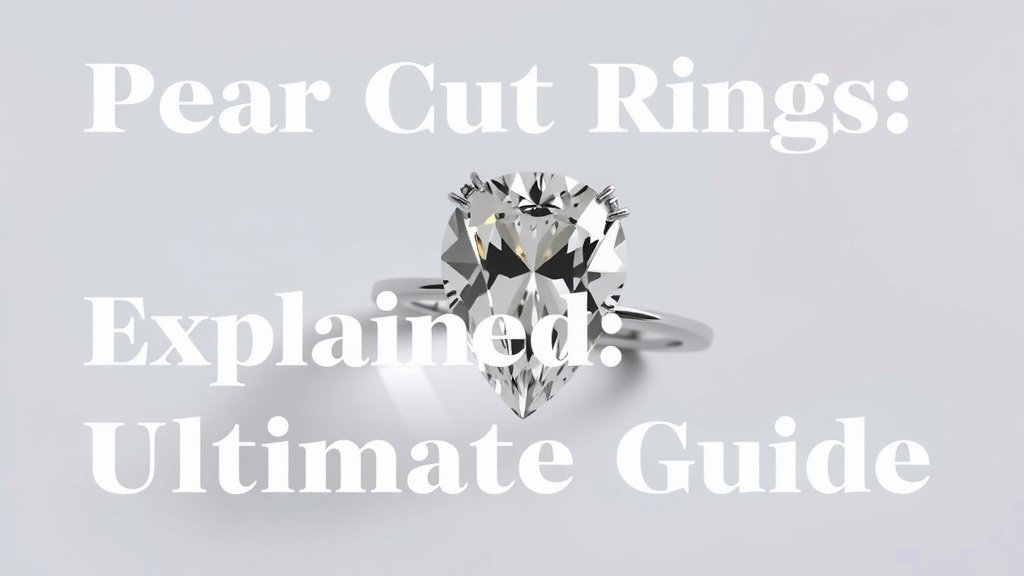
Pear Cut Rings Explained: Your Ultimate Guide
A pear cut ring is a type of diamond or gemstone cut that resembles a teardrop or a pear. It’s also known as a marquise cut or a pendeloque cut. This distinctive shape has a wide end that tapers to a rounded point at the other. It’s a beautiful choice for engagement rings and other jewelry.
This unique cut can make your finger appear longer and more slender. It’s a favorite for those who want something a little different. Many people are drawn to its elegant and sophisticated look. We’ve found it’s a popular option for modern brides.
- A pear cut is shaped like a teardrop.
- It’s also called a marquise or pendeloque cut.
- This cut can make fingers look longer.
- It’s a unique and elegant jewelry choice.
- Pear cuts work well for engagement rings.
So, are you curious about how this beautiful shape is made and what makes it so special? Let’s dive into all the details about pear cut rings.
Understanding the Pear Cut Gemstone Shape
So, you’re curious about the teardrop shape in jewelry? A pear cut diamond or gemstone is a stunning choice. It’s essentially a modified brilliant cut. It has 57 or 58 facets. These facets are arranged to maximize sparkle. The shape combines the best of a round brilliant and a marquise cut. It offers that brilliant fire with a unique elongated form.
This distinctive cut is technically known as a ‘marquise-shaped diamond with one end rounded.’ But we all know it as the beautiful pear shape. It’s been around for centuries. Many people find its elegant outline incredibly appealing. You’ll often see it used for engagement rings. It can also add a touch of class to pendants and earrings.
The Anatomy of a Pear Cut
Let’s break down what makes this shape so special. Think of it as having two main parts. You have the rounded end. Then you have the tapered point. This creates a lovely, elongated silhouette. It’s this contrast that gives the pear cut its visual interest.
The Rounded End
The rounded portion is where the bulk of the gem’s weight sits. It’s similar to the crown of a round diamond. This end is where most of the light enters the stone. A well-cut rounded end will be full and nicely curved. It shouldn’t be too flat or too sharp.
The Tapered Point
The pointed end is the defining feature. It’s where the two sides of the gem meet. This point needs to be sharp and well-defined. A dull or rounded point can detract from the overall elegance. The length of the taper can vary. This affects the gem’s final appearance.
Understanding the Ratio
The ratio of length to width is important. It determines how elongated the pear shape looks. Most commonly, you’ll find ratios between 1.50 and 1.70. A ratio of 1.50 means the stone is one and a half times longer than it is wide. A higher ratio will make the gem appear longer and slimmer. A lower ratio will make it look a bit more stout.
We found that personal preference really dictates the ideal ratio. Some people love the dramatic look of a very long pear. Others prefer a slightly shorter, more balanced shape. It’s all about what catches your eye!
Why Choose a Pear Cut Ring?
There are several reasons why a pear cut ring might be the perfect choice for you. It offers a unique blend of classic sparkle and modern style. Let’s explore some of the benefits you’ll enjoy.
It Elongates the Finger
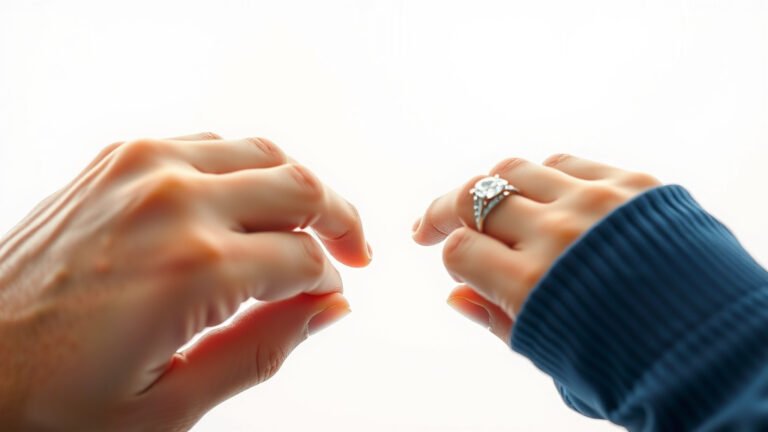
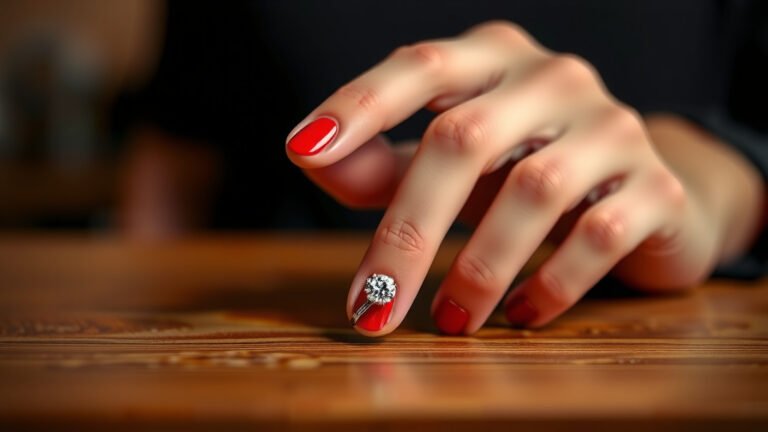
One of the most admired qualities of the pear cut is its ability to make your finger appear longer and more slender. The teardrop shape naturally draws the eye upward. This creates an illusion of length. Many people find this incredibly flattering. It’s a great choice if you’re looking for a stone that enhances your hand’s appearance.
Unique and Eye-Catching
While round brilliant cuts are timeless, they are also the most common. If you want something that stands out, a pear cut is an excellent option. It’s less common than other shapes. This means your ring will have a distinctive flair. It says you have personal style. You’re not afraid to be a little different.
Excellent Sparkle Factor
Despite its unique shape, the pear cut is a modified brilliant cut. This means it’s designed to maximize brilliance and fire. You’ll get all the dazzling sparkle you expect from a well-cut diamond. The facets are arranged to reflect light beautifully. This gives the gem a lively, radiant glow.
Versatile Styling Options
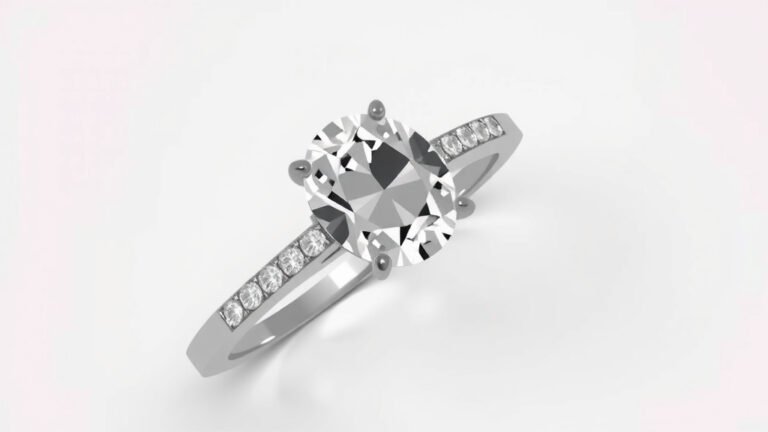
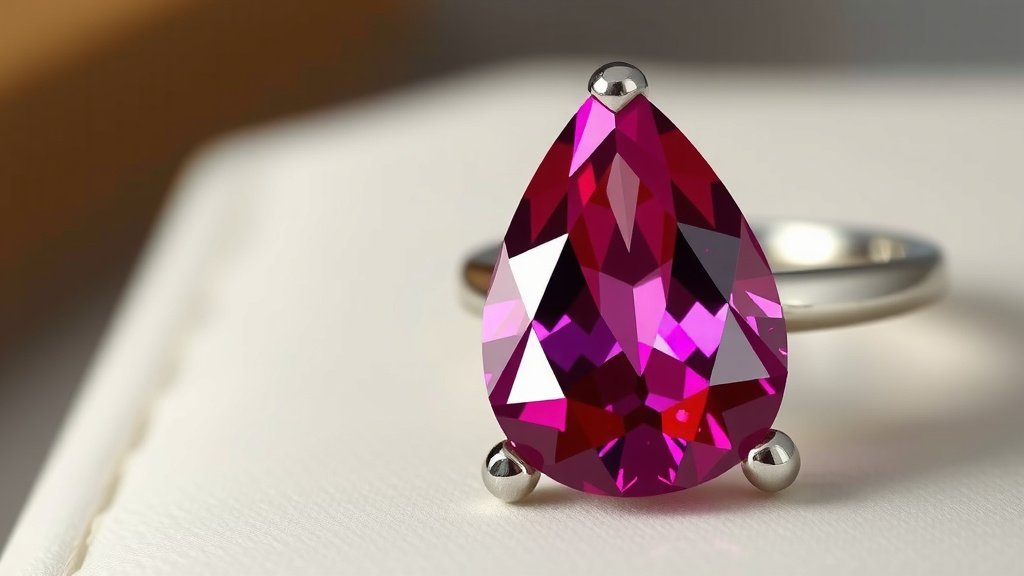
The pear shape is incredibly versatile. It looks stunning in a variety of settings. You can opt for a classic solitaire. This highlights the gem’s elegant form. Or, you can choose a halo setting. This adds extra sparkle and makes the pear appear larger. Side stones can also complement the shape beautifully. They can enhance its length or add a touch of symmetry. You can opt for a classic solitaire, which highlights the gem’s elegant form.
Things to Consider with Pear Cuts
While pear cuts are beautiful, there are a few things to keep in mind. Understanding these points will help you find the perfect stone.
The “Bow Tie” Effect
Like marquise and oval cuts, pear shapes can sometimes exhibit a “bow tie” effect. This is a dark shadow that runs across the center of the stone. It’s caused by light reflecting off the facets. A well-cut pear should have a minimal bow tie. You want it to be subtle, not distracting. We found that looking at the stone in person is the best way to judge this.
The Importance of Cut Quality
The cut quality is paramount for any gemstone, especially a pear shape. A good cut ensures optimal sparkle and minimizes imperfections. When evaluating a pear cut, look for even brilliance. Check that the facets meet cleanly. The symmetry of the stone is also key. Ensure the two sides are well-balanced.
Protecting the Point
The pointed end of a pear cut is its most delicate area. It’s more susceptible to chipping or damage. Because of this, protective settings are highly recommended. A setting that guards the tip, like a three-pronged or V-prong setting, is ideal. This helps ensure your beautiful pear stays that way for years to come. Many jewelry designers offer these protective settings as a standard option. A V-prong setting is one of the most popular choices to safeguard the delicate tip.
Considering Diamond Clarity and Color
When choosing a pear cut diamond, clarity and color are important factors. Because the cut can sometimes hide minor inclusions, a higher clarity grade is often preferred. We found that VS1 or VS2 clarity grades often offer excellent value. For color, a colorless to near-colorless range is usually best to maximize brilliance. However, for certain jewelry styles, fancy colored diamonds can look spectacular in a pear cut.
| Shape | Key Characteristics | Best For |
|---|---|---|
| Pear | Teardrop shape, elongated with a rounded end and a pointed tip. | Making fingers look longer, unique style, brilliant sparkle. |
| Oval | Elongated with rounded ends, consistent width. | Similar finger-lengthening effect to pear, classic yet distinct, great sparkle. |
| Marquise | Elongated with pointed ends, football-like shape. | Maximizing carat weight appearance, dramatic and bold look. |
A Checklist for Your Pear Cut Gemstone
Ready to find your perfect pear? Keep these points in mind:
- Desired Ratio: Decide if you prefer a longer or shorter pear shape.
- Bow Tie: Inspect the stone for a minimal or unnoticeable bow tie effect.
- Symmetry: Ensure both halves of the pear are well-balanced.
- Point Protection: Choose a setting that safeguards the delicate tip.
- Overall Sparkle: Look for a stone that exhibits lively brilliance.
- Personal Style: Does the shape truly speak to you?
Conclusion
You’ve learned that the pear cut ring offers a unique blend of classic brilliance and distinctive style. Its elegant teardrop shape is known for elongating the finger and creating a beautiful, eye-catching look. While it provides incredible sparkle, remember to consider the potential bow tie effect and protect the delicate point with a secure setting. By understanding the ratio and looking for quality cut and symmetry, you can find a pear cut gemstone that perfectly suits your personal taste and enhances your hand’s natural beauty. Ready to find your dream ring? Start by exploring settings that will showcase your chosen pear shape.
Frequently Asked Questions
What is the ideal ratio for a pear cut diamond?
The most common and popular pear cut ratios range from 1.50 to 1.70. A lower ratio, like 1.50, will appear shorter and wider, while a higher ratio, like 1.70 or more, will look longer and more slender. We’ve found that personal preference is key here – some people love a dramatically elongated pear, while others prefer a more balanced look.
How can I minimize the “bow tie” effect in a pear cut?
The bow tie effect is a dark shadow that can appear in the center of pear cut diamonds. To minimize this, carefully examine the stone before purchasing. Look for a pear cut with a subtle or almost unnoticeable bow tie. We found that a well-cut stone with good symmetry will usually have the least prominent bow tie.
Is a pear cut good for an engagement ring?
Absolutely! Pear cut rings make stunning engagement rings. Their unique shape offers a touch of individuality while still providing beautiful sparkle. Many people choose them because they are less common than round brilliant cuts and can make the finger appear longer and more slender, which is a very flattering effect.
What type of setting is best for a pear cut diamond’s point?
Because the point of a pear cut is the most vulnerable part, a protective setting is highly recommended. A V-prong setting is one of the most popular choices. This design wraps the delicate tip in a V-shape, offering excellent protection against chips and damage. Other secure settings also work well to safeguard the stone.
Are pear cut diamonds more expensive than other shapes?
Generally, pear cut diamonds are priced similarly to other fancy shapes, often less than a round brilliant cut of the same carat weight. This is because the cutting process for a pear shape is more efficient, meaning less rough diamond is wasted. You can often get a larger-looking pear diamond for your budget compared to a round one.