How to Polish a Ring: A Simple Step-by-Step Guide
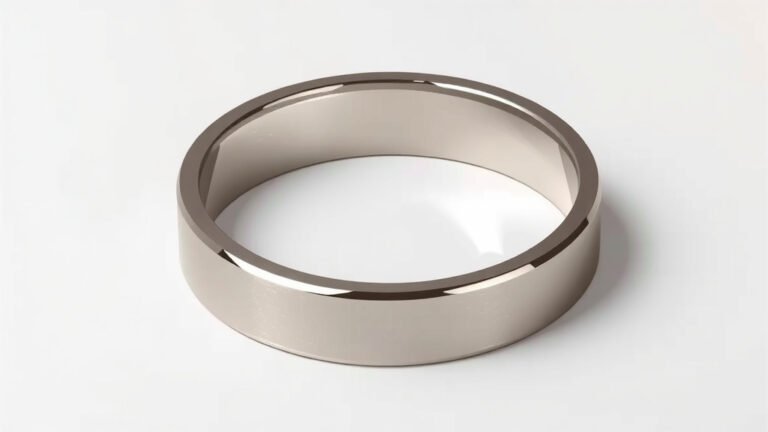
The easiest way to polish a ring at home is with a soft cloth and a gentle cleaner. You can use mild soap and water or a specialized jewelry cleaner. This simple method can restore much of your ring’s original shine. Make sure to gently rub in a circular motion.
Polishing helps remove tarnish and minor scratches. It can make your rings look almost new again. Different metals like gold, silver, and platinum may require slightly different approaches. We found that using the right materials is key for a safe and effective polish. Always test cleaners in an inconspicuous spot first.
- Gently rub with a soft cloth.
- Use mild soap or a jewelry cleaner.
- Work in small, circular motions.
- Rinse and dry thoroughly.
- Avoid harsh chemicals.
Ready to bring back the sparkle? Let’s walk through exactly how to polish your ring step by step.
Keeping Your Rings Sparkling: A Simple Polishing Guide
You want your rings to shine, right? A little bit of care can make a huge difference. Polishing removes dullness and minor scuffs. It brings back that lovely gleam to your favorite jewelry. We’ve put together some easy steps to help you achieve that sparkle at home. Let’s get started!
Choosing the Right Materials for Your Ring
Before you begin, gathering the correct supplies is important. Using the wrong items can actually damage your ring. We found that having the right tools makes the whole process much smoother and safer.
Understanding Your Ring’s Metal
Different metals need different care. Gold, silver, and platinum all react differently to polishing. It’s good to know what your ring is made of. This helps you pick the best cleaning and polishing agents.
Gold Rings
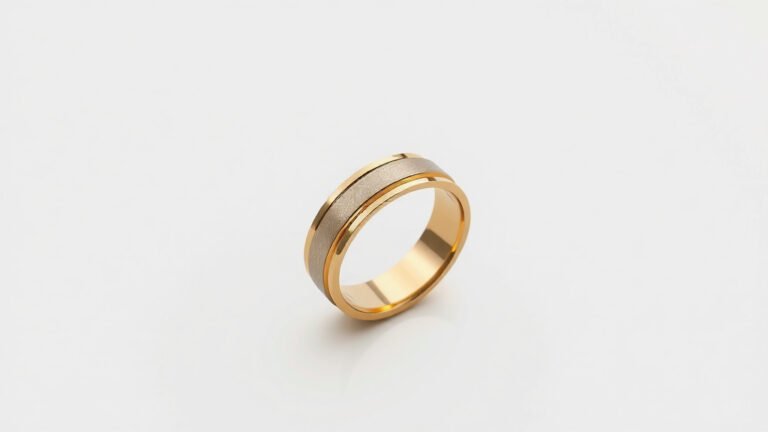
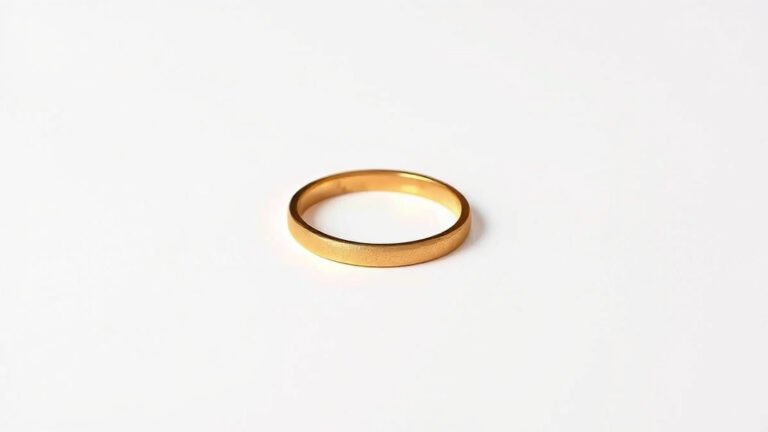
Most yellow and rose gold rings are quite durable. They can handle a gentle polish well. White gold often has a rhodium plating. You should be extra careful with white gold to avoid removing this plating.
Silver Rings
Silver is known to tarnish easily. This is a chemical reaction with sulfur in the air. Polishing is great for removing this tarnish and restoring shine. Just remember, silver is a softer metal, so be gentle.
Platinum Rings
Platinum is a very dense and durable metal. It tends to get tiny scratches rather than deep gouges. Polishing platinum often redistributes the metal rather than removing it, which is why it retains its weight.
Essential Polishing Tools
You don’t need fancy equipment. Simple items from around your house can work wonders. Many experts suggest these basic tools for home polishing:
- Soft cloths: Microfiber cloths are excellent. They are non-abrasive. Avoid paper towels, as they can scratch delicate metals.
- Gentle cleaner: Mild dish soap or a specialized jewelry cleaner works well.
- Warm water: This helps to rinse away residue.
- Optional: Jewelry polishing paste or cream: Use these sparingly and only if needed for tougher tarnish or scratches.
Step-by-Step Ring Polishing Process
Ready to roll up your sleeves? Let’s break down the polishing process into simple, manageable steps. We found that following a sequence helps ensure you don’t miss anything.
Step 1: Gentle Cleaning
Start by cleaning your ring. This removes dirt and oils. Use a mild soap solution. Mix a few drops of dish soap with warm water. Gently scrub the ring with a soft brush, like a child’s toothbrush. Pay attention to any nooks and crannies. This step is crucial for removing debris that could scratch the ring during polishing.
Step 2: Rinsing and Drying
Rinse your ring thoroughly under cool water. Make sure all soap residue is gone. Then, pat your ring dry with a clean, soft cloth. Don’t let it air dry, as this can lead to water spots. Ensure it’s completely dry before moving on.
Step 3: The Polishing Action
Now for the shine! Take your soft cloth. For most metals, a simple buffing motion is effective. Many jewelers recommend using light, circular strokes. Apply a little bit of pressure, but don’t scrub too hard. You’re aiming to buff out surface imperfections.
For Light Tarnish and Scuffs
If your ring only has minor dullness, your soft cloth might be enough. Buffing gently in circular motions can restore its luster. This is often all you need for regular maintenance. We found this to be the case for many gold and platinum rings.
Dealing with More Stubborn Tarnish (Especially Silver)
For silver that has developed noticeable tarnish, you might need a bit more help. You can use a specialized silver polishing cream or paste. Apply a tiny amount to your cloth. Then, gently rub the tarnished areas. Work in small sections. Be sure to follow the product’s instructions carefully. Many experts advise using these products sparingly.
A simple DIY option for silver tarnish is a baking soda paste. Mix baking soda with a little water to form a paste. Gently rub this paste onto the silver with your cloth. Rinse thoroughly afterward. Remember, baking soda is mildly abrasive, so use it with care.
Step 4: Final Rinse and Buff
After using any polishing compound, rinse your ring again. Make sure all traces of the polish are removed. Then, dry it completely with a clean, soft cloth. Give it a final, gentle buff to bring out the maximum shine. You should see a noticeable difference!
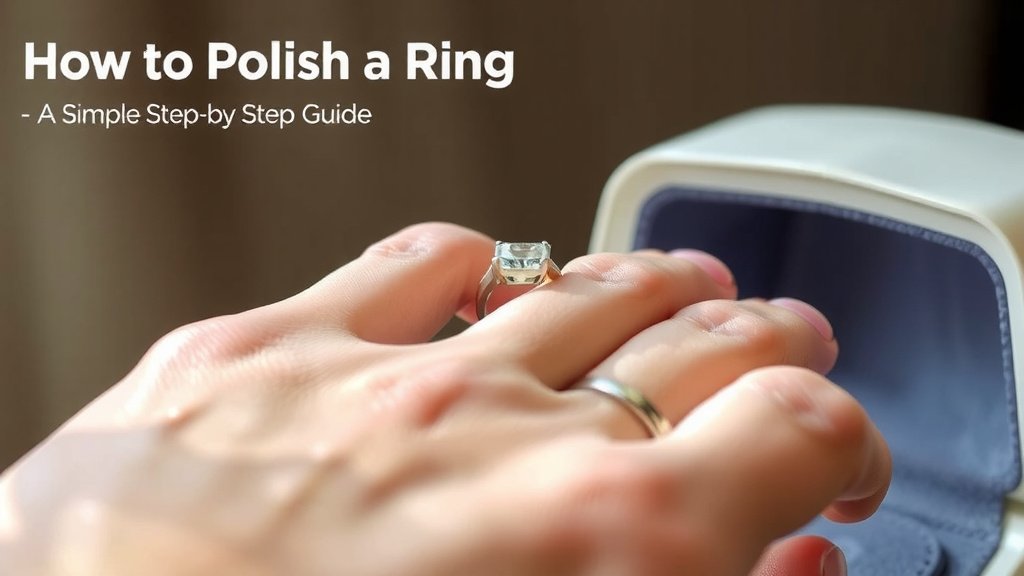
What to Avoid When Polishing Rings
Just as important as knowing what to do is knowing what *not* to do. Some common household items and techniques can cause more harm than good. Let’s look at some things to steer clear of.
- Harsh Chemicals: Avoid abrasive cleaners, ammonia, bleach, or acetone. These can damage certain gemstones or coatings. They can also eat away at the metal.
- Stiff Brushes or Abrasive Cloths: Never use steel wool or rough sponges. These will create new scratches on your ring.
- Over-Polishing: Don’t polish too often or too aggressively. This can wear down the metal over time, especially on softer metals like gold and silver.
- Certain Gemstones: Be cautious when polishing rings with porous gemstones like pearls or opals. Water and chemicals can seep into them and cause damage. For these, stick to a very gentle wipe with a damp cloth.
Checklist for a Sparkling Ring
Here’s a quick rundown to keep handy:
- Gather soft cloths, mild soap, and water.
- Identify your ring’s metal type.
- Clean the ring gently first.
- Buff with light, circular motions.
- Rinse and dry thoroughly.
- Avoid harsh chemicals and abrasive materials.
Conclusion
You’ve learned how to bring the sparkle back to your rings with simple, safe methods. Remember, the key is using the right materials and a gentle touch. We found that understanding your ring’s metal is your first step to success. A little regular care can keep your favorite pieces looking beautiful for years. So, grab your soft cloth and mild soap, and get ready to see that shine!
Frequently Asked Questions
How often should I polish my rings?
You should polish your rings based on how often you wear them and the metal type. For daily wear, a gentle buff with a soft cloth weekly can maintain shine. More thorough polishing to remove tarnish might only be needed every few months, especially for silver.
Can I use toothpaste to polish my rings?
While some people use toothpaste, we advise against it. Toothpaste often contains abrasives that can scratch softer metals and damage plated finishes. It’s safer to stick with mild soap and water or specialized jewelry cleaners.
What’s the best way to polish a ring with gemstones?
For rings with gemstones, always be extra cautious. Avoid submerging them in water or using harsh chemicals. A gentle wipe with a slightly damp, soft cloth is usually best for the metal. For porous stones like pearls or opals, avoid moisture and cleaners altogether.
My white gold ring looks dull. Can I polish it?
White gold is often rhodium plated, so be very careful. Aggressive polishing can remove this plating, making the ring look dull or yellowish. For white gold, we recommend a very gentle buff with a soft cloth. If it needs more, consult a jeweler about replating.
How do I remove deep scratches from my ring?
Deep scratches are typically beyond the scope of home polishing. Attempting to remove them yourself can cause more damage. For significant scratches, it’s best to take your ring to a professional jeweler who has the tools and expertise to repair it properly.