
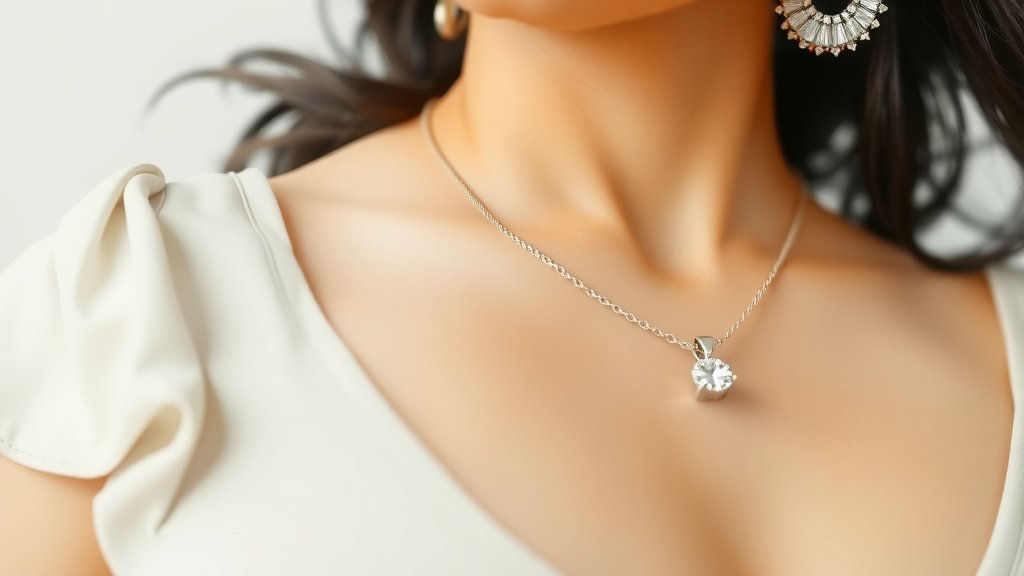
Pendant vs Necklace: Key Differences Explained
The quick answer is that a pendant is the decorative charm that hangs on a chain, while a necklace is the entire piece of jewelry you wear around your neck. In simple terms, a pendant is a part of a necklace, but a necklace does not need a pendant to exist. You can wear a necklace by itself, but you cannot wear a pendant without a chain or cord.
Many people use these two jewelry terms interchangeably, but they are not the same thing. When you are shopping for jewelry or trying to describe a specific piece, knowing this difference helps you find exactly what you want. We found that most jewelry stores categorize them separately, so understanding the distinction saves you time and helps you build a more versatile collection.
- A pendant is the hanging ornament (like a gemstone or locket) that dangles from a chain.
- A necklace is the complete jewelry piece that goes around your neck, which may or may not include a pendant.
- Think of it this way: every pendant is worn on a necklace, but not every necklace has a pendant.
- Material matters: a necklace is usually a chain, cord, or beads, while the pendant is the focal decorative element.
- Buying tip: you can buy a chain and a pendant separately, but you always buy a necklace as one complete item.
Below, we break down the specific traits of each piece, the common styles you will see, and how to choose the right option for your outfit and budget. Let us walk you through the details so you can shop with total confidence.
Pendant vs. Necklace: The Core Differences You Need to Know
The simplest way to separate these two is by looking at the whole picture. A necklace is the complete item that wraps around your neck. A pendant is just the decoration that hangs from it. You can take a pendant off a chain, and you still have a necklace. Take the chain away, and the pendant is just a loose charm.
We found that most jewelry lovers mix these up when they are shopping online. That is normal. But knowing this one rule changes how you shop. You stop looking for a “gold pendant necklace” and start asking for a “chain” and a “pendant” separately. This saves you money and gives you more mix-and-match power.
Breaking Down the Anatomy of a Necklace
Think of a necklace as the canvas. It is the foundation piece. Without it, nothing hangs around your neck. The necklace can be made of metal links, leather cord, beads, or even fabric. Its job is to provide the structure and length.
Many experts say that the necklace is the workhorse of your jewelry box. It carries the weight and sets the style. You can wear it alone for a clean, simple look. Or, you can use it as the base for a pendant.
Common Necklace Styles You Will See
Necklaces come in many forms. Each style changes how the piece sits on your collar and chest. Here are the most common ones we see in stores:
- Chain necklaces: These are made of linked metal. They are sturdy and timeless.
- Chokers: These sit high on the neck, usually 14 to 16 inches long.
- Beaded necklaces: Made of pearls, glass, or stone beads strung together.
- Cord necklaces: Simple leather or fabric cords that feel casual.
- Collar necklaces: These fit snugly around the middle of your neck.
Each of these can stand alone. You do not need anything hanging from them to make them look complete. A simple gold chain is a full necklace on its own.
What Makes a Necklace Complete?
A necklace has a clasp, a length, and a continuous loop of material. It is ready to wear the second you pick it up. You do not need to add anything to it.
We found that people often forget this point. They buy a chain and call it a necklace. That is correct. The chain is the necklace. The pendant is the optional extra that you can attach to it.
What Exactly Is a Pendant?
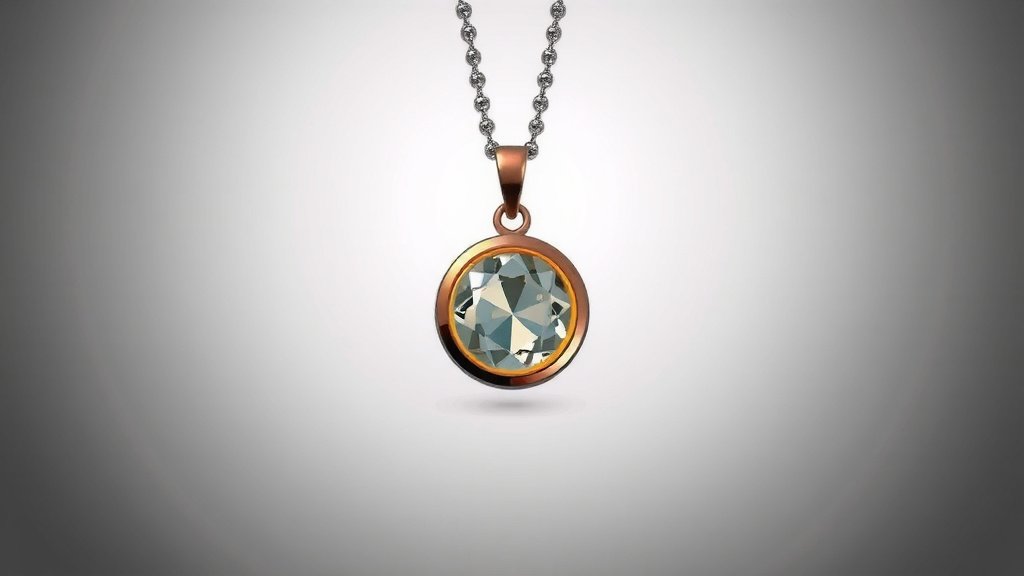
A pendant is the focal point. It is the charm, gemstone, locket, or medallion that dangles from the necklace. It hangs below the chain line and draws the eye. Without a necklace, a pendant has no way to be worn.
Think of it like a picture frame and a photo. The frame is the necklace. The photo is the pendant. You can hang an empty frame on the wall. But you cannot hang a photo without a frame.
Different Types of Pendants
Pendants are not just one style. They range from tiny and delicate to bold and heavy. Here are the popular ones we have seen:
- Gemstone pendants: A single stone set in metal, hanging from a bail.
- Lockets: These open up to hold a small photo or keepsake.
- Coin pendants: Vintage or modern coins turned into jewelry.
- Religious pendants: Crosses, stars, or other faith-based symbols.
- Bottle pendants: Tiny glass vials that hold oil or herbs.
Each pendant has a bail. The bail is the little loop or hook at the top. That is what slides onto the chain. Without a bail, the pendant cannot attach to anything.
Why the Bail Matters for Buying
When you buy a pendant, check the bail size. A small bail might not fit a thick chain. A large bail will look odd on a delicate chain. We found that most pendants fit chains between 1mm and 3mm thick. That covers most standard necklaces.
Many experts say to buy your chain and pendant from the same place. That way, you know they fit together. If you buy them separately, bring the pendant with you. Test the bail on the chain before you leave the store.
How Pendants and Necklaces Work Together
Here is where the magic happens. When you put a pendant on a necklace, you create a full look. The necklace provides the length and the base. The pendant adds the personality and sparkle.
We found that this combo is the most versatile way to wear jewelry. You can change the pendant on the same chain to match your outfit. One chain plus five pendants gives you five different looks. That is smart shopping.
Layering with Both Pieces
Layering is a huge trend right now. You can wear multiple necklaces of different lengths. Some will have pendants, and some will be plain. The mix creates depth and interest.
Start with a short choker or collar. Add a medium chain at 18 inches. Finish with a longer 24-inch necklace that has a pendant. The pendant will hang lowest and act as the anchor point.
We found that this trick works best with thin chains. Thick chains can look cluttered when stacked. Keep the metal color the same for a polished look. Mixing gold and silver is fun, but it is harder to pull off.
When to Wear a Necklace Without a Pendant
A plain necklace is not boring. It is actually a power move. It adds shine and structure without competing with your outfit. Wear a simple chain with a crewneck tee or a button-down shirt. It frames your face and neckline.
Many experts say that plain necklaces are best for busy patterns. If your shirt has a print, skip the pendant. The necklace alone adds enough. Save your pendants for solid colors and simple fabrics.
A Quick Comparison Table for Clarity
| Feature | Necklace | Pendant |
|---|---|---|
| Definition | The full jewelry piece worn around the neck | The decorative charm that hangs from the necklace |
| Can it be worn alone? | Yes, it is complete by itself | No, it needs a chain or cord |
| Main role | Provides length, structure, and base | Adds the focal point and personality |
| Examples | Chain, beads, choker, cord | Gemstone, locket, cross, coin |
| How you buy it | As one ready-to-wear item | As a charm that needs a chain |
This table sums up the whole idea. If you can wear it around your neck without adding anything, it is a necklace. If it just dangles and needs a base, it is a pendant.
Choosing Between a Pendant and a Necklace for Your Style
Your choice depends on your goal. Are you looking for a daily staple? Or do you want a statement piece for special events? We found that most people need both in their collection.
Start with a quality chain necklace. A 16 to 18-inch gold or silver chain is a great base. It works for casual days and formal nights. Then, buy a few pendants to swap out. This gives you maximum flexibility without spending a fortune.
What to Look For in a Base Necklace
Pick a chain that is sturdy but not too heavy. You want it to last. Look for solid gold or gold-filled options. Avoid gold-plated if you wear jewelry daily. Plating wears off over time.
We found that a box chain or cable chain is the most durable. Rope chains are beautiful but can kink. Snake chains are smooth but break easily. Choose a cable chain if you want a simple, strong option.
What to Look For in a Pendant
Check the bail and the weight. A heavy pendant needs a thicker chain. A delicate pendant looks better on a thin chain. Also, consider the metal. Match the pendant metal to the chain metal for a seamless look.
Think about the size too. A large pendant makes a bold statement. A small one is subtle and works well for everyday wear. Many experts say to measure the pendant against your palm. If it is smaller than a quarter, it is subtle. If it is bigger than a half-dollar, it is a statement.
Budget and Shopping Tips for Both Pieces
Here is where you save the most money. Buying a necklace with a pendant attached is often more expensive. Buying them separately gives you control over the price. You can splurge on the chain and save on the pendant. Or you can do the opposite.
We found that buying a pendant alone is a great way to upgrade an old chain. Instead of buying a whole new necklace, just buy a new charm. This refreshes your look without breaking the bank.
Your Shopping Checklist
Before you hit the checkout button, run through this quick list. It will save you from buyer’s remorse.
- Decide if you want a complete necklace or just a charm to swap.
- Measure the length you want (16 inches is choker length, 18 is standard).
- Check the pendant bail size against your chain thickness.
- Match the metal color of the chain and pendant.
- Check the clasp quality on the necklace to make sure it is secure.
- Read the return policy in case the pendant does not fit the chain.
Following this list takes less than two minutes. It prevents the most common jewelry mistakes we see. A little planning goes a long way when you are building a collection you love.
The Final Takeaway on Pendants vs. Necklaces
You now have the full picture. A necklace is the complete loop around your neck. A pendant is the removable charm that hangs from it. Every pendant needs a necklace, but not every necklace needs a pendant.
We found that this simple mental model changes how you shop. You will stop overpaying for attached sets. You will start building a mix-and-match collection. Your jewelry box becomes more flexible, and your style gets more interesting.
So next time you look at a piece, ask yourself one question. Do I need the whole loop, or just the charm? The answer will guide you to the right purchase every single time.
Conclusion
You now have a clear picture of the difference between a pendant and a necklace. A necklace is the complete piece you wear around your neck. A pendant is the decorative charm that hangs from it. This one rule changes how you shop and how you style your jewelry.
Start by investing in one high-quality chain necklace in a length you love. Then, pick out two or three pendants you can swap depending on your outfit. This simple approach gives you a flexible collection without overspending. Next time you shop, ask yourself one question. Do I need the whole loop or just the charm? That answer guides you to the perfect purchase every time.
Frequently Asked Questions
Can you wear a pendant without a necklace?
No, you cannot wear a pendant without a necklace or some type of cord. The pendant needs a base to hang from. You can use a chain, a leather cord, or even a ribbon. But without that base, the pendant is just a loose charm with nowhere to go.
Is a locket considered a pendant or a necklace?
A locket is a pendant. It is a decorative charm that hangs from a chain. The chain is the necklace, and the locket is the pendant attached to it. You can remove the locket from the chain and replace it with another pendant if you want a new look.
What is the best chain length for a pendant?
The best chain length depends on where you want the pendant to sit. An 18-inch chain is the most popular choice because it rests right at your collarbone. A 20-inch chain hangs slightly lower, which works well for larger pendants. We found that most people prefer 18 inches for everyday wear.
Can you add a pendant to any necklace?
Most necklaces can hold a pendant, but not all of them. You need a chain with a clasp or a smooth surface for the bail to slide onto. Beaded necklaces and some fabric cords can be tricky. Check the pendant bail size against the chain thickness before you buy.
Why are pendant necklaces more expensive than buying them separately?
Jewelry stores often charge more for a ready-made pendant necklace because it is sold as a complete set. The labor and packaging add to the final price. Buying a separate chain and pendant gives you control over your budget. You can mix and match pieces, which gives you more looks for your money in the long run.


