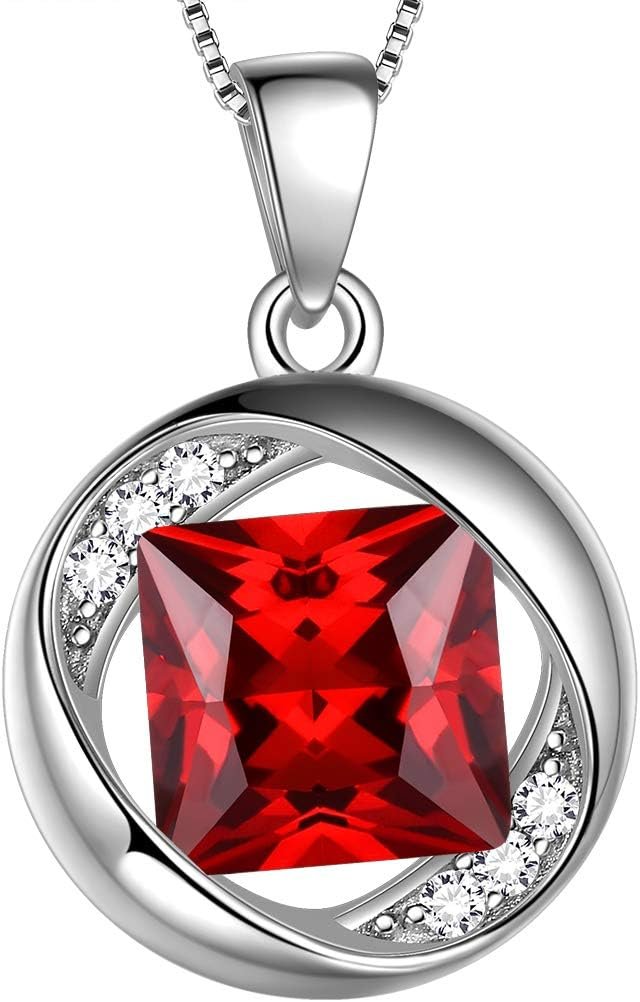
How to Clean a Sterling Silver Necklace Pendant
The easiest way to clean a sterling silver necklace pendant is with a mild dish soap and warm water solution. Mix a few drops of soap into a bowl of warm water, then gently clean the pendant with a soft, lint-free cloth. This simple method safely removes dirt and oils without harsh chemicals that can damage your jewelry.
Sterling silver naturally tarnishes over time due to exposure to air and moisture. This darkening is a normal chemical reaction, not a sign of poor quality. Along with basic soap and water, there are a few other easy methods and everyday items you can use to keep your pendant bright and beautiful for years. We found that the right technique depends mostly on how tarnished your necklace has become.
- Start by testing your pendant for a coating to avoid using the wrong cleaner.
- Use a gentle soap and water dip for light, everyday buildup of oils.
- Try a specialized silver polishing cloth for simple, quick touch-ups.
- Apply a baking soda paste for more stubborn tarnish and grime.
- Always dry your pendant completely and store it in a sealed bag afterward.
Below, we’ll walk you through the exact steps for each cleaning method, what supplies you’ll need, and the mistakes to avoid. Let’s get that pendant looking brand new again.
Simple Ways to Clean a Sterling Silver Pendant
The best cleaning method for your pendant depends on its condition. You wouldn’t use a sledgehammer to crack a nut, right? The same logic applies here.
Think of it like washing your car. A quick rinse handles light dust, but a deep scrub is needed for baked-on bugs. Silver is similar. Different levels of grime call for different tools.
We found that starting with the gentlest method is always the safest bet. You can move to stronger options if the tarnish doesn’t budge. This protects your jewelry from unnecessary wear and tear.
Before You Start: The Dish Soap Method
This is your go-to for routine cleaning. It removes the daily buildup of lotions, sweat, and natural skin oils. These oils make silver look dull and dingy.
You likely have everything you need already. Grab a small bowl, some lukewarm water, and a gentle dish soap. Avoid soaps with lemon or harsh degreasers.
Mix a few drops of soap into the water until it’s sudsy. Drop your pendant in and let it soak for a few minutes. This loosens the grime without you having to scrub hard.
How to Agitate and Rinse the Pendant
After soaking, use your fingers to gently rub the pendant. Pay extra attention to crevices and details. Dirt hides in those tiny grooves.
Use a super-soft toothbrush for intricate designs. We found that baby toothbrushes work best because bristles are extra soft. Brush with light, circular motions.
Rinse the pendant thoroughly under warm running water. Make sure all soap residue is gone. Leftover soap can leave a film that dulls the shine.
Dealing With Stubborn Tarnish on Silver
When simple soap and water isn’t enough, you need a targeted approach. The dark, yellowish-brown layer on your pendant is tarnish. It is a chemical reaction between silver and sulfur in the air (University of Illinois research).
Household items can fix this quickly. You don’t need expensive commercial products. Chances are, you have the fix in your pantry or garage right now.
The Baking Soda Paste Trick
This method is a powerful cleaner for moderate tarnish. It is a mild abrasive, so it gently polishes away that dull layer. Make a thick paste with three parts baking soda and one part water.
Apply the paste to your pendant with a soft cloth. Rub it gently into the tarnished areas. Watch as the dark spots start to fade away.
Rinse your pendant completely and dry it. We found this method works fast and is very satisfying to use. Just be careful not to scrub too hard on shiny surfaces.
When to Use a Silver Polishing Cloth
These cloths are treated with special polishing agents. They are perfect for light tarnish and bringing back the shine. You can buy them at most jewelry or big-box stores.
They are the most convenient option for a quick fix. You can use them on the spot without water or mess. Keep one in your purse or car for emergencies.
Avoid washing these cloths. Washing removes the cleaning chemicals. Replace them when they look dirty or gray all over.
Choosing Between Commercial Dip and Foam Cleaners
Sometimes, you need heavy artillery. Liquid dips and foams are strong chemical cleaners. They remove heavy tarnish very fast.
But this speed comes with risk. These products can be too harsh for some jewelry. We recommend they be a last resort, not an everyday tool.
Before you use them, understand what your pendant is made of. The coating or stones in your pendant matter a lot.
Testing Your Pendant for Protective Coatings
Many modern silver pieces have a clear coating called rhodium plating. This helps prevent tarnish in the first place. Using harsh dips can eat away this protective layer.
Place a drop of the cleaner on a hidden spot, like the back. Wait a few seconds and rinse it off. If the surface changes color or looks dull, stop using that product.
Many experts say you should avoid dips if you have stone settings. The chemicals can loosen the glue holding the stones in place. That would be a costly mistake to fix.
The Right Way to Soak With Dips
If your pendant is plain solid silver, you can use the dip safely. Put the pendant in the basket and submerge it for the time listed on the box. Usually, this is no more than a few seconds.
Take it out immediately and rinse it under warm water. Follow with a thorough rinse in cool water. Then, dry and buff with a soft cloth.
Never leave your jewelry in the dip for several minutes. You could permanently damage the silver. Too long in the dip can turn silver into a dull, frosty white.
Polishing Your Pendant to a Mirror Finish
After cleaning, the final polish is what gives your pendant that “wow” factor. It removes any remaining residue and micro-scratches. This step is what makes it look brand new.
Use a clean, dry microfiber cloth for this step. Old t-shirts or paper towels can leave lint and cause tiny scratches. Microfiber is the safest choice for your jewelry.
Buffing Techniques for a Bright Shine
Rub the pendant in a back-and-forth motion. Do not use circular motions, as they can create swirl marks. Keep the pressure light and even.
Pay attention to the edges of your pendant. These areas often look duller. Finish by flipping the cloth to a clean side and doing a final pass.
You will see the shine return almost instantly. This process only takes about 20 seconds of your time. It makes a huge difference in the final appearance.
Protecting and Storing Your Silver Pendant
You did all that hard work to clean it. Now, keep it clean for longer. Proper storage is the key to slowing down the tarnish process.
Air is the enemy of silver. Exposure to air causes the chemical reaction that leads to tarnishing. Minimizing that exposure is your best defense.
Store your pendant in a ziplock bag. Squeeze all the air out before you seal it. This simple trick can keep tarnish away for months, not just weeks.
Add a Silica Gel Packet to the Bag
Humidity speeds up tarnishing. Silica gel packets absorb moisture from the air. Keep one or two in your jewelry box with your silver.
Save the little packets that come with new shoes or handbags. Experts recommend this as a cheap and effective moisture barrier. We found this works better than storing silver loose in a drawer.
Always put your pendant on last when getting dressed. Perfume, hairspray, and lotion all contain chemicals that tarnish silver. Let these products dry before putting on your necklace.
| Cleaning Method | Best For | Time Needed |
|---|---|---|
| Dish Soap | Everyday dirt, oils, and lotion buildup | 5 minutes |
| Polishing Cloth | Quick shine touch-ups and light tarnish | 2 minutes |
| Baking Soda Paste | Moderate, visible tarnish and dark spots | 10 minutes |
| Chemical Dip | Heavy, stubborn tarnish on plain silver | 1 minute |
Mistakes That Ruin Silver Pendants
Some common cleaning habits cause more harm than good. We often see jewelry damaged by overly aggressive techniques. Avoid these errors to keep your pendant safe.
You should never use toothpaste on silver. Many people believe this works, but it is too abrasive in most cases. It strips away the rhodium plating over time.
Things to Avoid at All Costs
Do not use baking soda on stones or pearls. The abrasive nature dulls soft gemstones quickly. Stick to the gentle soap method for those.
Never boil your silver pendant. Boiling water can shock certain stones, causing cracks. It will not clean the silver any faster.
Avoid cleaning your pendant in the sink. The drain is a black hole for small jewelry pieces. Put in the stopper before you even begin to wash.
Your Quick Pendant Cleaning Checklist
Ready to get to work? Here is a simple list to follow for perfect results every time. Bookmark this page for next time you need a refresh.
- Fill a small bowl with lukewarm water and 2-3 drops of dish soap
- Give your pendant a five-minute soak to break down oils
- Gently rub the surface with a soft microfiber cloth
- Rinse thoroughly under warm running water to remove soap film
- Buff dry and polish with a clean, dry microfiber cloth
- Seal in a ziplock bag with a silica gel packet for storage
You now have everything you need to handle any level of tarnish. Your pendant will stay bright, shiny, and beautiful. Just remember to give it a little love every few weeks to keep it looking its best.
Conclusion
Cleaning your sterling silver pendant doesn’t have to be complicated. Start with the gentlest method, like warm water and dish soap, and work your way up only if needed. We found that matching the cleaner to the tarnish level keeps your jewelry safe and shiny.
The real secret to beautiful silver is prevention. Store your pendant in a sealed bag with a silica gel packet. Put your necklace on after your lotion and perfume have dried. These small habits save you from deep cleaning sessions later.
Give your pendant a quick check every two to three weeks. A fast wipe with a polishing cloth keeps tarnish from ever taking hold. You have all the steps now, so grab your supplies and bring back that brilliant sparkle today.
Frequently Asked Questions
Can I use hand sanitizer to clean my silver pendant?
We don’t recommend it. Hand sanitizer is mostly alcohol, which can strip protective coatings and dry out natural oils. Stick with mild dish soap and warm water for a safe clean.
Will a silver pendant turn my skin green?
Sterling silver itself rarely causes green skin. The discoloration usually comes from copper in the alloy reacting with your sweat. This is harmless and not a sign of poor quality jewelry.
How often should I clean my sterling silver necklace pendant?
For everyday wear, a quick soap and water rinse every few weeks is enough. If you only wear it occasionally, clean it after each use and store it properly to prevent tarnish buildup.
Is tarnish on sterling silver a sign it’s fake?
No, tarnish is actually proof your pendant is real sterling silver. The copper in the alloy reacts with air and sulfur to create that dark layer. Fake silver-plated pieces usually tarnish less or not at all.
Can I wear my sterling silver pendant in the shower?
We advise against it. Soap, shampoo, and hard water leave behind a film that dulls your pendant’s shine. Chlorine and salt water can cause even more damage, so remove your necklace before swimming or bathing.