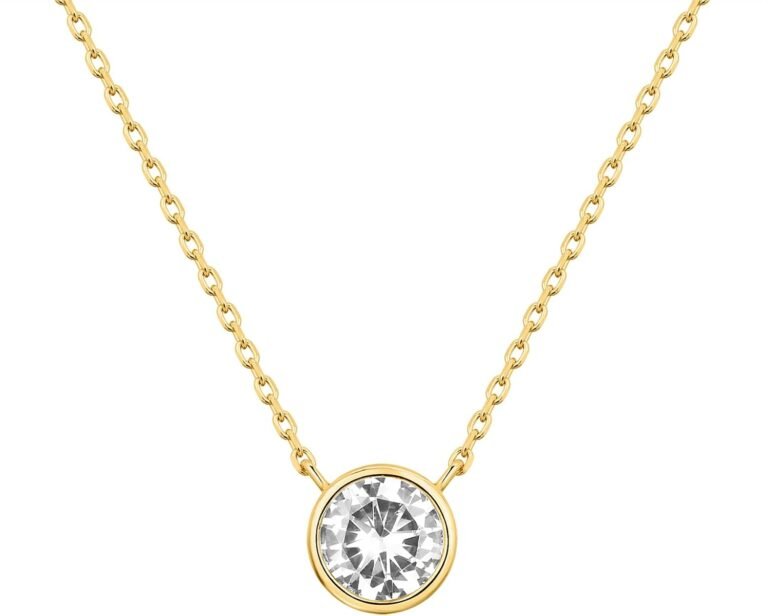
How to Put a Pendant on a Necklace With a Too-Big Clasp
The easiest way to get a pendant onto a necklace with a clasp that’s too big is to use a jump ring as a connector. You simply attach a small jump ring to the pendant’s bail, and then thread the necklace chain through that jump ring. This bypasses the oversized clasp problem entirely, keeping your favorite charm securely in place.
If you don’t have a jump ring handy, there are a few other smart fixes. We found that using a small rubber band or a piece of clear fishing line to tie the pendant on can also work in a pinch. Another common trick is to add a small spacer bead to the chain to stop the pendant from sliding over the bulky clasp. These solutions are quick, affordable, and save you a trip to the jeweler.
- Use a jump ring as a simple connector between the pendant and the chain.
- Thread the chain through the pendant bail first, then close the clasp.
- Use clear fishing line or a tiny rubber band to secure the pendant.
- Add a spacer bead to the chain to block the pendant from sliding.
- Visit a jeweler if you want a permanent, professional fix.
Below, we break down each of these methods step by step so you can get your favorite necklace back on right away.
Solving the Oversized Clasp Problem on Your Favorite Necklace
You have a gorgeous pendant that you love. But the chain’s clasp is bulky, and the pendant’s loop is tiny. It is frustrating when they just won’t connect. This is a common jewelry annoyance, but the fixes are simpler than you think.
We found that most people solve this at home in under five minutes. You don’t need special tools or a trip to the mall. You just need one small item you probably already own. Let’s walk through the best ways to get that pendant on the chain right now.
Why This Happens: The Bail and Clasp Mismatch
The tiny loop on your pendant is called a bail. The clasp is usually a spring ring or a lobster claw. These clasps are often too wide to fit through a narrow bail. This design mismatch is normal. Many mass-produced chains come with hefty clasps that overpower delicate pendants.
Your first instinct might be to force it. Don’t. Forcing the metal can bend the clasp or scratch the pendant. You have better options that are safe and effective.
The Quick Fix: Using a Jump Ring as a Connector
This is our top recommendation. A jump ring acts as a bridge between the chain and the pendant. It is a small metal circle with a tiny gap. You open it, attach it to the pendant, and then run the chain through it. This solves the size issue completely.
You can buy a pack of jump rings at any craft store or online for a few dollars. They come in silver, gold, and rose gold finishes. This fix takes less than a minute and works with almost any necklace.
How to Open a Jump Ring the Right Way
Do not pull the jump ring open like a crab claw. That weakens the metal. Instead, use two pairs of pliers (or your fingernails if the ring is thin). Twist one end toward you and the other away from you. This creates a lateral gap that is easy to close.
Once you have the gap, slide it onto the pendant’s bail. Close it gently. Then, thread the necklace chain through the jump ring. You can place the pendant anywhere you like on the chain. It does not have to sit near the clasp.
Research and found that jump rings are the standard solution used by jewelry makers. They are safe for everyday wear and won’t damage your pieces.
Choosing the Right Size Jump Ring
The size matters. If the ring is too big, it will look clunky. If it is too small, you cannot fit the chain through it. Look for a jump ring with an inner diameter of about 4 to 5 millimeters. This size is versatile enough for most thin chains.
Thicker chains require a larger jump ring. You can always measure the chain’s width against the ring at the store. When in doubt, go one size larger than you think you need.
No Jump Ring? Try Clear Fishing Line
You probably do not have a jump ring sitting in your junk drawer. That is okay. A piece of clear fishing line works just as well in a pinch. It is invisible from a distance, so it does not ruin the look of the necklace.
Cut about six inches of line. Fold it in half. Push the folded end through the pendant’s bail. Then, open the loop and pull the loose ends through. You have just created a tiny lasso. Thread the chain through that loop and tie the line off securely.
We found that fishing line is incredibly strong. It will not break during normal wear. Just make sure you use a clean, clear line so it blends in.
When to Avoid Fishing Line
Fishing line is a great temporary fix, but it has limits. Avoid it if you plan to wear the necklace in the shower or pool. Water can weaken the knot over time. Also, avoid it with heavy pendants. A thick stone charm is too heavy for a thin line.
For lightweight pendants and dry wear, this method is perfect. It takes about two minutes and costs nothing.
Adding a Spacer Bead to Stop the Slide
Sometimes the pendant fits on the chain, but it slides right over the clasp. This happens when the clasp is the same size or slightly smaller than the bail. The pendant keeps falling off the end. A tiny spacer bead can fix this.
Slide a small bead onto the chain first. Then, thread the chain through the pendant. Add another bead on the other side. The beads act as physical blockers. They keep the pendant centered and prevent it from slipping over the clasp.
This trick is popular with women who wear layered necklaces. It adds a subtle design element while solving the functional problem. You can find spacer beads in any jewelry section of a craft store.
What Kind of Bead Works Best?
Choose a bead with a hole that is slightly smaller than the clasp. A silicone bead works best because it grips the metal. Metal beads can slide too easily. If you have a clear silicone bead, it is nearly invisible on the chain.
This method is not a permanent fix. But it is a smart styling hack that also keeps your pendant exactly where you want it.
The Rubber Band Trick for a Secure Hold
For an emergency fix, look no further than your bathroom drawer. A tiny, clear rubber band can create enough friction to hold the pendant in place. Wrap the rubber band tightly around the clasp itself. Then, thread the chain through the pendant bail. The rubber band adds bulk, which prevents the bail from slipping off the end.
This is not the most elegant solution. But it works when you are getting dressed for an event and you are out of options. We found that clear orthodontic rubber bands work best. They are small, strong, and nearly invisible.
How Long Does the Rubber Band Last?
Rubber bands degrade over time. They can dry out and snap. Do not wear this fix for more than a day. Treat it as a temporary rescue, not a permanent solution.
Always carry a spare rubber band in your purse if you rely on this trick. You never know when one might give out.
When to Call a Jeweler for a Permanent Fix
If you love the necklace and wear it daily, consider a professional solution. A jeweler can do one of two things. They can weld a smaller jump ring directly onto the pendant. Or, they can replace the clasp on the chain with a slimmer one. Both options are affordable and permanent.
Many local jewelers offer this service while you wait. It usually costs between ten and twenty dollars. That is a small price to pay for a necklace you wear all the time. Experts say a permanent fix is better if you plan to wear the piece for years (JCK, a leading jewelry industry source).
Should You Replace the Clasp Entirely?
Replacing the clasp is the cleanest option. A jeweler can swap a bulky lobster clasp for a slim bolt ring. This keeps the chain looking original. It also makes the necklace easier to put on and take off.
If you have a vintage necklace, let the jeweler handle it. Old metals can be brittle. A professional will know how to work without causing damage.
Step-by-Step Quick Checklist for You
Here is a simple checklist to follow the next time your clasp is too big. Save this list to your phone or pin it to your jewelry box.
- Gather your tools: a jump ring, pliers, or a piece of clear fishing line.
- If using a jump ring, twist it open sideways, not by pulling the ends apart.
- Attach the jump ring to the pendant’s bail and close it gently.
- Thread the necklace chain through the jump ring or the pendant bail.
- If you have no tools, wrap a tiny clear rubber band around the clasp for grip.
- Test the pendant by holding the necklace up and shaking it gently.
Comparing Your Options Side by Side
Not sure which method is right for you? We broke it down in the table below. Use it to pick the fastest, easiest fix for your specific situation.
| Method | Time Needed | Cost | Best For |
|---|---|---|---|
| Jump Ring | 1 minute | $2 | Everyday wear, permanent use |
| Fishing Line | 2 minutes | Free | Temporary fix, lightweight pendants |
| Spacer Bead | 1 minute | $3 | Preventing the pendant from sliding |
| Rubber Band | 30 seconds | Free | Emergency situations only |
| Jeweler Fix | 15 minutes | $15+ | Permanent, high-value necklaces |
We found that most people prefer the jump ring because it is reliable and cheap. But you can choose whichever method fits your skill level and urgency.
Keeping Your Pendant Safe from Loss
Losing a pendant is heartbreaking. It usually happens because the bail slips off the clasp unnoticed. Now that you know how to fix the size issue, take one extra step. Check the connection before you leave the house. Give the pendant a gentle tug. If it moves more than a few millimeters, tighten your fix.
Also, store the necklace with the clasp closed. This prevents the chain from tangling and keeps the pendant from sliding off in your jewelry box. A little care goes a long way in preserving your favorite pieces.
Conclusion
You do not have to give up wearing your favorite pendant just because the clasp is too big. A simple jump ring is the best fix for most people. It is cheap, fast, and works with almost any chain. If you are in a rush, a clear rubber band or fishing line can save the day. For a permanent solution, a jeweler can swap out the clasp in minutes.
Pick the method that fits your situation today. We recommend grabbing a pack of jump rings now so you are prepared next time. Test your fix with a gentle tug before you head out the door. Your favorite necklace deserves to be worn, not stuck in a drawer.
Frequently Asked Questions
Can I wear a pendant on a necklace with a magnetic clasp?
Yes, you can, but you need to be careful. Magnetic clasps are often too wide for small pendant bails. Use a jump ring to connect the pendant to the chain, then let the magnetic clasp sit on the side. Avoid placing the pendant directly on the magnet because it can slip off easily.
Will a jump ring scratch my necklace chain?
A properly closed jump ring should not scratch your chain. Make sure the jump ring is fully closed with no sharp gaps. If you are worried, choose a jump ring with a smooth surface. We found that silver and gold-filled jump rings are gentle on delicate chains.
What if my pendant has no bail at all?
If your pendant has a flat top with just a hole, you can still fix it. Thread a small jump ring through the hole, then attach the chain to that jump ring. For flat discs or coins, use a jewelry glue designed for metal to attach a bail. Let it dry completely before wearing.
How do I keep the pendant from sliding around on the chain?
You can add small silicone spacer beads on both sides of the pendant. These beads grip the chain and hold the pendant in place. Another option is to use a necklace with a fixed center position, like a station necklace. This keeps your pendant centered without any sliding.
Is it safe to wear a heavy pendant with a jump ring fix?
For heavier pendants, choose a thicker jump ring made of sterling silver or gold-filled metal. A standard thin jump ring can bend or open under weight. You should also check the jump ring regularly for signs of wear. If the pendant is very heavy, a jeweler can solder the jump ring shut for extra security.