Necklace Pendant Guide: Types, Styles, and History
A necklace pendant is a decorative piece that hangs from a necklace chain or cord. It’s the focal point of the jewelry, adding style, meaning, or color to what you wear. Think of the chain as the frame and the pendant as the artwork.
While some necklaces are a single continuous strand of beads or metal, a pendant is a separate attachment. This simple difference gives you incredible flexibility. You can swap pendants on the same chain to match your outfit, mood, or the occasion. We found that most people own a few chains but many more pendants, which makes this a very versatile accessory.
- Core definition: A pendant is any ornamental piece that hangs from a necklace.
- Difference from a chain: The chain is the base; the pendant is the decorative addition.
- Main purpose: To add a personal touch, showcase a gemstone, or hold a sentimental charm.
- Materials: Pendants can be made of metal, glass, gemstones, wood, or resin.
- Versatility: You can easily mix and match pendants with different chain lengths and styles.
Below, we break down the different types of pendants, how to choose the right chain length, and how to style them for any look. Let’s walk through the fun details so you can pick the perfect pendant for your jewelry collection.
Understanding What a Pendant Really Is
A pendant is the piece of jewelry that dangles from a chain, cord, or even a leather strap. The word itself comes from the Latin word pendere, which means “to hang down.” That is exactly what it does. It hangs. It swings. It catches the light and draws the eye to your neckline.
You might hear people use “pendant” and “necklace” as if they mean the same thing. They don’t. A necklace is the entire piece of jewelry. A pendant is just the part that hangs. We found that knowing this small difference helps a ton when you shop online or in stores. You can buy a chain today and a pendant next week, and suddenly you have a brand-new look.
Think of it like a picture frame and a photograph. The chain is the frame. The pendant is the photograph. You can swap the photo without changing the frame. That flexibility is why pendants remain one of the most popular jewelry choices in the United States.
Pendant vs. Charm: Is There a Difference?
People often mix up pendants and charms. We get it. They look similar at first glance. But there is a functional difference between the two terms that matters for how you wear them.
A charm usually has a loop that lets it slide along a bracelet or necklace. It moves around freely. A pendant typically hangs from a single point at the bottom of the chain. It stays put at the front of your neck, usually right at the collarbone.
Some jewelry can be both. A charm with a bail (the little metal piece that connects to the chain) can become a pendant. Many experts say that the real difference is intention. If you want a fixed focal point, you want a pendant. If you want a moving collection of tiny objects, you want charms.
Breaking Down the Anatomy of a Pendant
Every pendant, no matter how fancy or simple, has a few basic parts. Understanding these parts helps you pick a quality piece and care for it properly.
- The body: The main decorative part. It can be a gemstone, a metal shape, a coin, or anything else.
- The bail: The loop or holder at the top. It connects the body to the chain.
- The setting: The metal frame that holds a gemstone in place. Not all pendants have this.
- The chain hole: Sometimes the bail is just a simple hole drilled straight through the top of the pendant.
We found that the bail is the most critical part. If it is weak, you could lose your pendant without even noticing. Always check that the bail is securely attached before you wear a new piece.
Why the Bail Matters Most
The bail takes all the stress. It holds the weight of the pendant every time you move. A weak bail means a lost pendant. We recommend checking your bail regularly, especially if you wear your pendant every day. Gently squeeze it to see if there is any give. If it feels loose, take it to a jeweler right away.
The Many Types of Pendants You Can Wear
Pendants come in an almost endless variety. The differences usually come down to material, shape, and purpose. Here is a quick breakdown of the most common categories you will see in stores and online.
Gemstone and Crystal Pendants
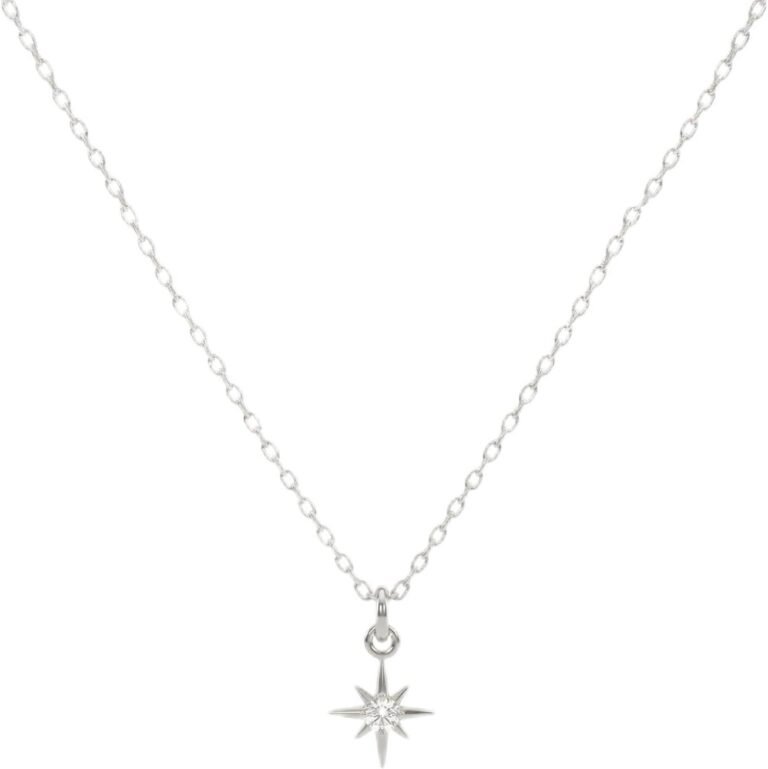
These pendants put a single stone front and center. Diamonds, sapphires, and emeralds are classic picks. But colored stones like amethyst, citrine, and turquoise are huge right now too. Many people choose gemstones based on their birth month or personal style.
Some folks believe crystals carry energy or healing properties. Research on this is limited. The National Institutes of Health has not found scientific evidence that crystals cure or heal. But if the stone brings you comfort or makes you feel confident, that emotional benefit is real and valuable on its own.
Metal and Minimalist Pendants
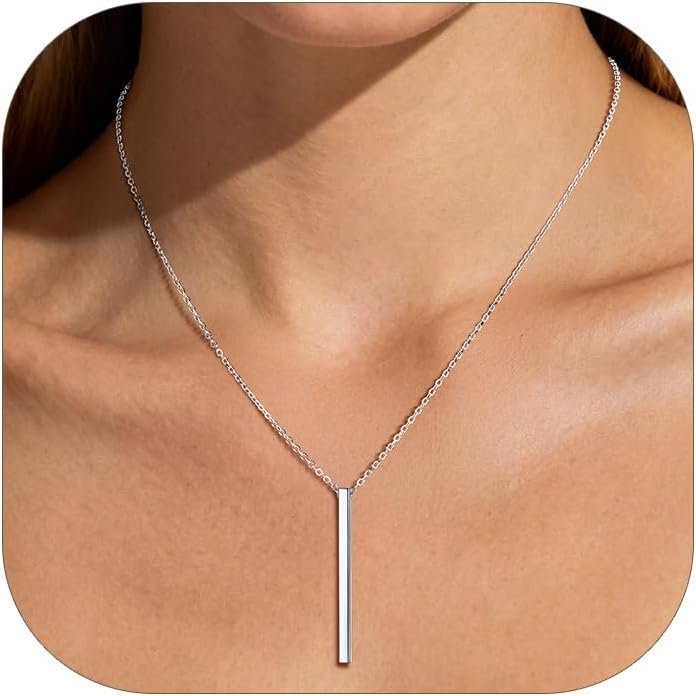
These are simple shapes cut from gold, silver, platinum, or stainless steel. Think tiny bars, circles, or geometric triangles. They are lightweight and work well for everyday wear. Many people pick metal pendants because they never go out of style and match almost anything in your closet.
Religious and Symbolic Pendants
Crosses, Stars of David, crescent moons, and Om symbols fall into this group. These pendants carry personal meaning and often get passed down through families. We found that these are the pieces people rarely take off. They represent faith, hope, or a cultural identity that matters deeply to the wearer.
Locket Pendants
A locket is a pendant that opens up to hold a tiny photo or a small memento. They have been popular for centuries. In the Victorian era, people wore lockets with a strand of a loved one’s hair inside. Today, you are more likely to see a tiny picture of a child or a pet. Lockets make thoughtful gifts because they hold something personal.
Personalized and Initial Pendants
These pendants feature a letter, a name, or a short word. They are hugely popular gifts for birthdays and graduations. You can find them in cursive script, block letters, or even tiny bar shapes with engraved text. The best part is that you can customize them to say almost anything you want.
Finding the Right Chain Length for Your Pendant
The chain length changes how your pendant looks and feels. It also changes the vibe of your outfit. We found that most people stick to one length without realizing they have options. Here is a simple guide to the standard lengths and where they fall on your body.
| Chain Length | Where It Sits | Best For |
|---|---|---|
| 16 inches | At the collarbone | Small, delicate pendants |
| 18 inches | Just below the collarbone | The most common length for any pendant |
| 20 inches | At the upper chest | Medium pendants and layered looks |
| 24 inches or more | Below the chest | Large or heavy pendants |
Your height and body size matter too. A 16-inch chain that sits at the collarbone on one person might look shorter on someone with a longer neck. Try a few lengths in a store before you commit to buying a chain online.
Pairing Pendant Size with Chain Strength
Heavy pendants need strong chains. A dainty gold chain might look gorgeous, but it will snap under the weight of a thick silver pendant. We recommend matching the thickness of the chain to the size of the pendant. A general rule is that the pendant should not outweigh the chain by more than five to one. Keep it balanced and you will avoid breakage.
How to Style a Pendant for Any Occasion
Pendants are forgiving. You can dress them up or down with almost zero effort. The trick is to think about your neckline and your other jewelry.
For a crew neck t-shirt, try a shorter 16- or 18-inch chain. It sits right above the fabric and creates a clean focal point. For a deep V-neck or a low-cut top, go with a 20- or 24-inch chain. The pendant will hang inside the V, drawing the eye downward and elongating your torso.
Layering Pendants Without the Tangles
Layering is a fun way to wear multiple pendants at once. But it can turn into a knotty mess if you do it wrong. We have a few tips to keep things smooth.
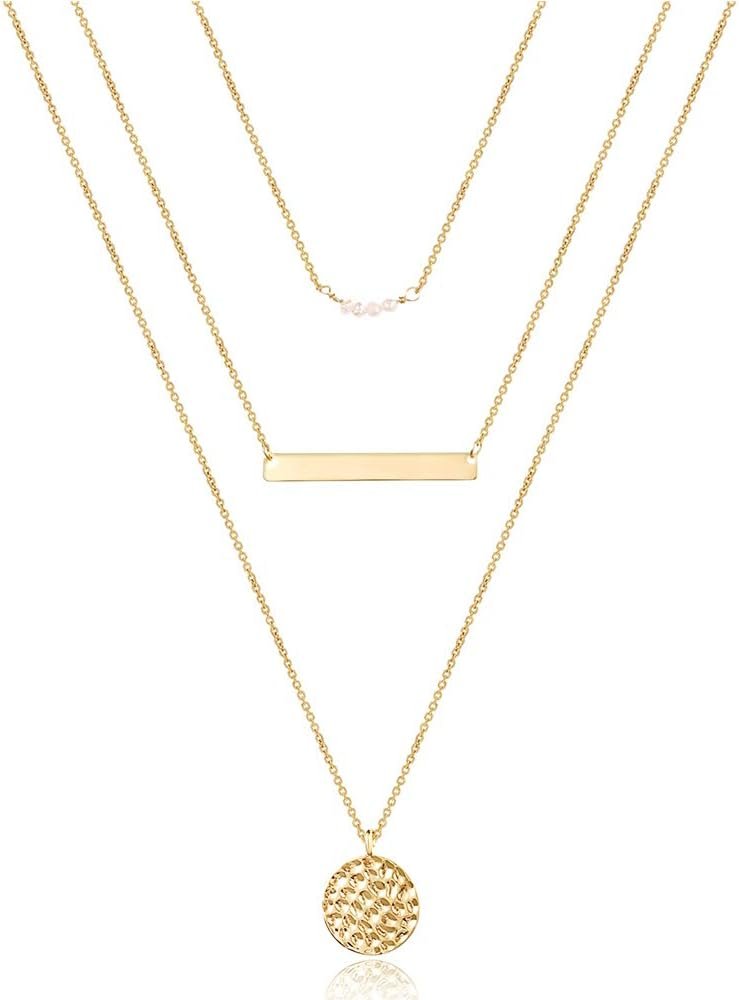
- Choose chains of different lengths so the pendants sit apart from each other.
- Mix textures, like a chunky chain with a delicate pendant.
- Stick to a color theme, such as all gold or all silver.
- Use a small lobster clasp extender to adjust lengths on the fly.
- Take the layers off together at the end of the day to stop tangles from forming.
Dressing Up or Keeping It Casual
A single small pendant on a thin chain is perfect for business casual. It adds polish without shouting. For a night out, go bigger. A bold gemstone or an ornate metal pendant becomes a conversation starter. For weekends, wear a simple leather cord with a medallion or a beachy shell pendant. There are no strict rules here. We found that the best guideline is to match the energy of your outfit. If your clothes are loud, keep the pendant quiet. If your clothes are simple, let the pendant do the talking.
Caring for Your Pendant So It Lasts
Pendants take a beating. They rub against clothing, get sprayed with perfume, and bump into countertops. A little care goes a long way.
Cleaning Different Materials the Right Way
Gold and silver pendants can be cleaned with a soft cloth and mild soapy water. Dry them completely to prevent water spots. Gemstones are trickier. Some stones, like opals and pearls, are porous and can get damaged by water.
For those, we recommend a dry, soft cloth and nothing else. Check with a jeweler before exposing any stone to liquid. When in doubt, keep it dry. The CDC does not have guidelines on jewelry cleaning, but common sense applies here. If you would not wash a silk shirt in hot water, do not soak a delicate pendant.
Storing Pendants Without Scratches
Never throw pendants loose into a jewelry box. They will scratch each other and the chains will tangle. Use a separate compartment or a small pouch for each piece. Hang chains on a jewelry stand if you have one. This keeps everything visible so you actually wear your pieces instead of forgetting them.
The Emotional Weight of a Simple Pendant
A pendant is more than an accessory. It can carry a memory. It can mark a milestone like an anniversary or a graduation. It can hold a tiny lock of a baby’s hair or a photo from your wedding day.
We found that people often attach deep feelings to these small pieces of metal and stone. Keep that in mind when you are shopping for a gift. A pendant that reflects the person’s spiritual beliefs, favorite color, or a shared memory will mean more than the most expensive piece you could buy.
When you wear a pendant, you are showing the world a tiny piece of your story. Pick one that speaks to you. Change it when your mood changes. There is no wrong answer, just your own personal style expressed around your neck.
Conclusion
You now know that a pendant is the star of the show, while your chain is the stage. We covered the difference between pendants and charms, how to pick the right chain length, and how to care for your favorite pieces. The real magic is how a simple swap can completely change your look or carry a deep personal meaning.
Take action today by checking your own jewelry box. Look at your chains, find a piece that fits the mood you want, and just try it. Mix, match, and make it yours. You are the one wearing it, so choose what makes you feel great.
Frequently Asked Questions
Can I wear a pendant on any type of necklace chain?
You can attach most pendants to any chain that fits through the bail or hole. Look for a chain that matches the pendant’s weight and style. A heavy pendant needs a thicker chain so it does not break or pull uncomfortably.
What is the difference between a pendant and a necklace?
A necklace is the whole piece of jewelry you wear around your neck. A pendant is only the decorative part that hangs down from the chain. The chain is the base, and the pendant is the accent piece that draws the eye.
How do I keep my pendant from turning over or flipping?
Heavier pendants with a well-balanced bail tend to stay in place better. You can also use a small rubber stopper on the chain to hold the pendant steady. We found that flat pendants often sit better against the chest than thick, round ones.
What is the most popular pendant shape for everyday wear?
Round and oval pendants are classic choices that work for almost any outfit. Simple geometric shapes like circles and bars are also popular right now. These shapes stay in place nicely and do not snag on clothing as easily as sharp or angular designs.
Can I wear a pendant if I have sensitive skin?
Yes, you just need to check the metal content. Look for pendants made with hypoallergenic materials like surgical-grade stainless steel or 14k gold. Avoid pieces with nickel plating, as that is a common trigger for irritation. Testing a new pendant for a few hours on your wrist can help you spot a reaction before you wear it around your neck.