What Is a Solitaire Ring? Your Ultimate Guide
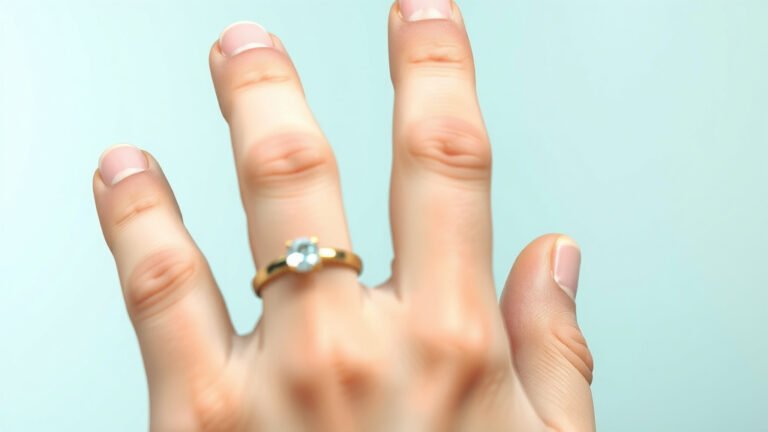
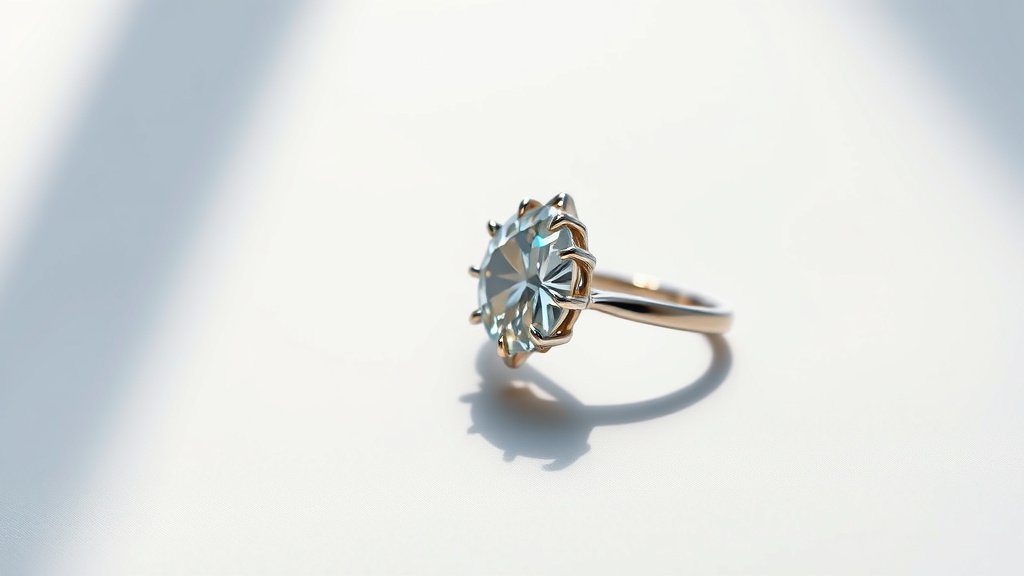
A solitaire ring is a ring that features a single, prominent diamond or gemstone. It’s the classic choice for engagement rings and special occasions. This style highlights the beauty of the center stone, making it the undeniable star.
We found that the simplicity of a solitaire allows the gemstone’s sparkle and quality to truly shine. It’s a timeless design, offering versatility for any personal style. You’ll see them on many hands for good reason!
- A solitaire ring has one main stone.
- It’s a very popular choice for engagement rings.
- The design focuses all attention on that single gem.
- It’s a classic and elegant look.
Ready to learn more about the charm and appeal of solitaire rings? Let’s walk through what makes them so special and how to choose the perfect one for you.
You’ve seen them everywhere, haven’t you? That stunning ring with one brilliant stone right in the center. It’s more than just a piece of jewelry; it’s a symbol. It’s the classic engagement ring for a reason. But what exactly makes a ring a “solitaire”? Let’s break it down.
Understanding the Solitaire Ring Style
A solitaire ring is defined by its simplicity and focus. It showcases a single, large gemstone. This stone is usually set prominently on a band. There are no other stones or embellishments competing for attention. The design makes that one gem the absolute star of the show.
The Anatomy of a Solitaire
Think of a solitaire as a blank canvas. The canvas is the ring band, and the masterpiece is the single gemstone. This gemstone is typically held in place by prongs. These metal clasps grasp the edges of the stone. They lift it slightly above the band. This placement allows light to enter and exit the stone freely. This is what creates that beautiful sparkle you see.
While prongs are common, other settings exist. A bezel setting wraps a thin metal rim around the entire gemstone. This offers maximum security. It also creates a sleek, modern look. We found that no matter the setting, the core idea remains: one gem, beautifully displayed.
Why the Solitaire is a Timeless Choice
The appeal of the solitaire ring lies in its elegance and versatility. It’s a design that transcends trends. It has been popular for generations. This enduring charm makes it a safe and beautiful choice for any occasion. It’s the perfect way to highlight a diamond’s natural beauty. Many jewelers agree that it’s the ultimate test of a stone’s quality.
Choosing Your Perfect Solitaire Stone
The beauty of a solitaire ring is that the center stone is the main event. So, what kind of stone will it be? While diamonds are the most traditional choice, you have many options. Think about what speaks to you personally.
Diamond: The Classic Queen
Diamonds are the quintessential choice for solitaire rings. Their hardness makes them incredibly durable. They are also known for their incredible brilliance. We found that the “4 Cs” (cut, color, clarity, and carat weight) are essential when choosing a diamond. These factors greatly influence its appearance and price.
- Cut: This refers to how well the diamond has been shaped and faceted. A good cut maximizes sparkle.
- Color: Diamonds are graded on a scale from D (colorless) to Z (light yellow or brown). Colorless diamonds are rarer and more expensive.
- Clarity: This measures internal and external imperfections, called inclusions and blemishes. Fewer imperfections mean higher clarity.
- Carat: This is the diamond’s weight, not its size. One carat is equal to 200 milligrams.
When you research diamonds, you’ll see these terms everywhere. Understanding them helps you find the best stone for your budget and preferences. Many experts suggest prioritizing the cut. It has the biggest impact on sparkle (GIA).
Beyond Diamonds: Gemstone Alternatives
Don’t feel limited to diamonds! Many beautiful gemstones can grace a solitaire ring. These can offer vibrant color and unique character. Consider these popular options:
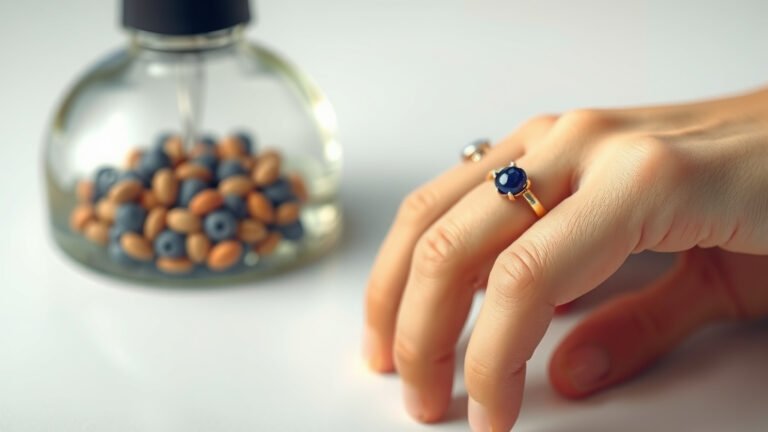
- Sapphire: Famous for its deep blue hue, but also comes in other colors like pink, yellow, and green. Sapphires are very durable, second only to diamonds.
- Ruby: Known for its passionate red color. Rubies are also quite hard and make a stunning center stone.
- Emerald: Prized for its rich green color, emeralds are softer than diamonds, sapphires, and rubies. They require more careful wear.
- Moissanite: This gemstone looks remarkably similar to a diamond. It’s a popular, budget-friendly, and ethical alternative.
We found that choosing a colored gemstone adds a very personal touch. It can represent birth months, favorite colors, or special memories. Many people opt for a diamond center stone with a colored gemstone band, but a single colored stone on its own is just as stunning.
Setting Styles for Your Solitaire
The way the gemstone is held in place is called the setting. It affects both the look and the security of the ring. Different settings can make the center stone appear larger or add a touch of unique style.
Common Solitaire Setting Types
Here are some of the most popular settings you’ll encounter:
| Setting Type | Description | Pros | Cons |
|---|---|---|---|
| Prong Setting | Metal prongs hold the gemstone in place, lifting it to maximize light exposure. | Showcases the stone beautifully; allows maximum sparkle; many prong options (e.g., 4-prong, 6-prong). | Stone can be more exposed to damage; can snag on clothing. |
| Bezel Setting | A metal rim completely encircles the gemstone, holding it securely. | Very secure; protects the gemstone edges; offers a sleek, modern look. | Can slightly reduce the amount of light entering the stone; may obscure a small part of the stone. |
| Tension Setting | The band metal is engineered to grip the gemstone tightly, creating a “floating” illusion. | Modern and unique look; gemstone appears to float; secure if done well. | Requires precise craftsmanship; may not be suitable for all gemstone types; can be difficult to resize. |
We found that the prong setting is the most traditional for solitaires. It really lets the stone shine. The bezel setting offers a more contemporary feel. It’s also exceptionally secure.
The Band Matters Too!
Don’t forget the band itself! The width and shape of the band influence the overall look. A thin band can make the center stone appear larger. A thicker band offers a bolder statement. Some bands are rounded, while others are flat. Some even have a slight curve, known as a “comfort fit” band.
We also observed that the metal choice for the band is important. Popular options include platinum, white gold, yellow gold, and rose gold. Each has its own look and durability. Platinum is highly durable and hypoallergenic. Gold offers warmth, with yellow gold being classic and rose gold trendy. Many experts suggest matching the band metal to your skin tone or other jewelry you wear often.
Caring for Your Solitaire Ring
A solitaire ring is an investment. Proper care will keep it looking its best for years to come. Regular cleaning is key to maintaining its sparkle. You can often clean it at home with a soft brush and mild soap.
Quick Cleaning Tips
Here’s a simple way to refresh your ring:
- Gently brush the stone and setting with a soft-bristled toothbrush.
- Use a solution of warm water and a few drops of mild dish soap.
- Rinse thoroughly under warm water.
- Pat dry with a lint-free cloth.
We found that avoiding harsh chemicals is important. Things like bleach or chlorine can damage certain metals or gemstones. For a deeper clean, consider visiting a jeweler. They have specialized tools and solutions. Many jewelers offer this service for free or a small fee.
Conclusion
You’ve learned that a solitaire ring is all about celebrating one stunning gemstone. Its simple design truly lets the stone’s beauty shine. Whether you choose a classic diamond or a colorful gemstone, the solitaire style offers timeless elegance and personal expression. It’s a ring that can be cherished for a lifetime. Ready to find your perfect solitaire? Consider your personal style and the stone that speaks to you most.
Frequently Asked Questions
Can a solitaire ring have more than one stone?
By definition, a solitaire ring features only one prominent center stone. The beauty of this style comes from its simplicity. If a ring has multiple stones, it’s typically categorized as a different style, like a three-stone ring or a halo setting.
Are solitaire rings only for engagement?
While very popular for engagement rings, solitaires are versatile. You can wear them to celebrate anniversaries, birthdays, or just as a beautiful everyday ring. Their classic design makes them suitable for any meaningful occasion.
What metal is best for a solitaire ring band?
The best metal depends on your preference and lifestyle. Platinum is highly durable and hypoallergenic. White gold offers a similar look to platinum but is more budget-friendly. Yellow gold provides a classic warm tone, while rose gold is trendy and romantic. We found that many people match the band to their skin tone or other jewelry.
How do I make my solitaire diamond look bigger?
Choosing a higher carat weight is the most direct way to get a larger-looking diamond. The cut of the diamond also significantly impacts its visual size. A slim band can make the center stone appear more prominent as well. Some settings, like the prong setting, can also help maximize the visible surface area of the stone.
Is a solitaire ring more expensive than rings with multiple stones?
Generally, a solitaire ring’s cost is dictated by the quality and size of its single center stone. Rings with multiple smaller stones might have a lower price point if the individual stones are less expensive. However, a large, high-quality diamond in a solitaire setting will often be more costly than a ring with several smaller accent stones.