Ring Size and Weight Changes: Does Your Ring Fit
Yes, your ring size can definitely change with weight fluctuations. When your body gains or loses weight, it often affects the size of your fingers. This means a ring that once fit perfectly might feel too tight or too loose after a change in your weight. It’s a common experience for many people.
We found that even small shifts in body weight can lead to noticeable changes in finger circumference. Factors like water retention and overall body composition play a role. So, if your favorite ring is suddenly uncomfortable, your recent weight changes are likely the culprit.
- Ring size often changes with weight gain or loss.
- Fingers can swell or shrink as your body weight shifts.
- Water retention is a common reason for temporary ring tightness.
- It’s normal for rings to feel different after weight changes.
Let’s walk through exactly why this happens and what you can do about it. Learning how to know if a ring fits is important when your finger size changes.
So, you’ve noticed your rings feel a bit snug lately, or maybe they’re slipping right off? You’re not alone! It’s super common for ring sizes to change with weight fluctuations. Our bodies are constantly changing, and that includes our fingers. Let’s dive into why this happens and what it means for your favorite jewelry.
Why Your Finger Size Can Fluctuate
Think of your body as a connected system. When you gain or lose weight, it’s not just your waistline that’s affected. Different parts of your body can change size too. Your fingers are no exception to this rule. We’ve found that even small changes can make a difference.
Weight Gain and Finger Swelling
When you gain weight, your body often stores more fat. This can happen all over, including in your fingers and hands. More fat tissue means your fingers might become slightly thicker. This makes rings feel tighter. It’s like adding a little extra padding to your finger.
Weight Loss and Finger Shrinkage
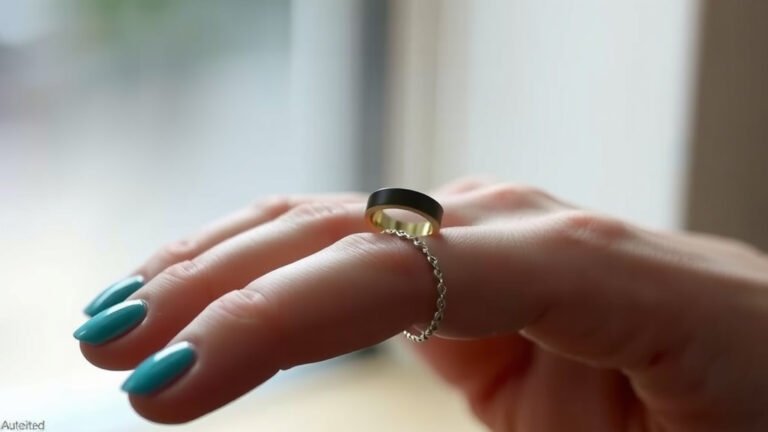
On the flip side, when you lose weight, fat can be reduced from your entire body. This includes your fingers. As the fat cells in your fingers decrease, they can become slimmer. This can make rings feel looser. Sometimes, a ring that was tight can become comfortable again.
The Role of Water Retention
Water retention is a huge factor for temporary finger changes. You might have heard about this related to bloating. When your body holds onto more water, it can cause swelling in various areas. This includes your fingers and hands. This can make your rings feel suddenly tight, even if your overall weight hasn’t changed much.
- Salty foods can increase water retention.
- Hormonal changes can also cause fluid buildup.
- Certain medications might lead to swelling.
- Pregnancy often brings increased water retention.
We found that high sodium intake is a common culprit for this temporary tightness. Even a day of eating processed foods can leave your fingers feeling puffier. Thankfully, this type of tightness is usually temporary and resolves as your body rebalances its fluid levels.
Factors Influencing Finger Size Beyond Weight
While weight is a primary driver, other things can affect your finger size too. Understanding these can help you pinpoint why your rings might feel different. Your body is a complex machine, after all!
Temperature and Your Rings
Have you ever noticed your rings feeling tighter on a hot summer day? Or looser on a cold winter morning? Temperature has a real effect! Your fingers tend to swell slightly in heat and shrink in the cold. This is a natural bodily response to regulate temperature.
Activity Levels and Swelling
Sometimes, intense physical activity can lead to temporary swelling in your hands and fingers. This is because blood flow increases to your extremities during exercise. For some, this can make rings feel a bit snug immediately after a workout. We found that high-impact activities are more likely to cause this.
Medical Conditions and Swelling
It’s important to note that persistent swelling in your hands and fingers could be related to a medical condition. Things like arthritis, kidney issues, or thyroid problems can cause fluid retention and swelling. If you experience sudden or unexplained swelling that doesn’t go away, it’s always best to consult with a healthcare professional. They can help determine the cause and suggest appropriate treatments.
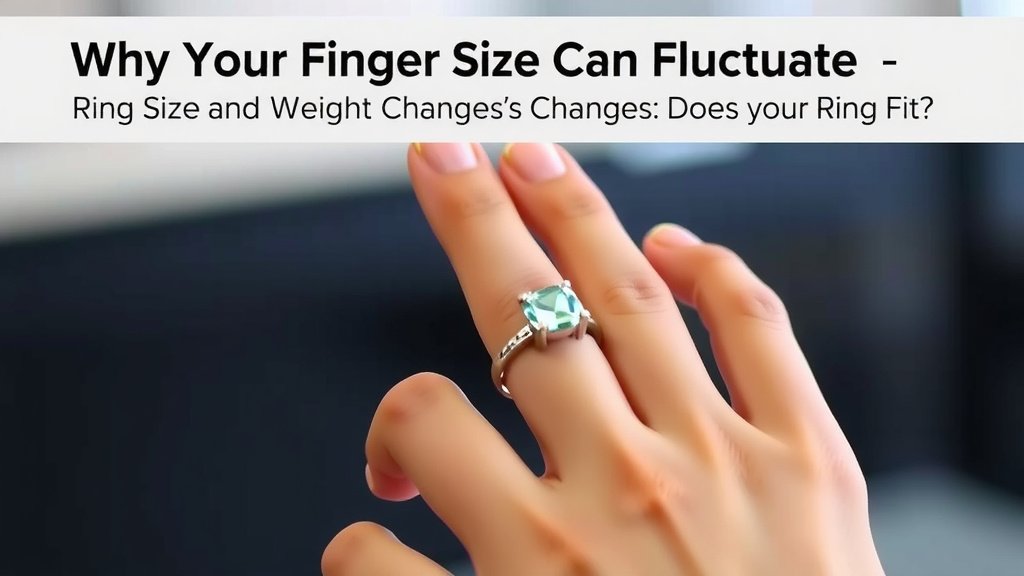
What to Do When Your Ring Size Changes
So, your favorite ring doesn’t fit like it used to. Don’t panic! There are several things you can do to manage this. It’s all about finding a comfortable fit for your current finger size.
Temporary Fixes for Tight Rings
If your ring is just a bit too tight, especially due to water retention, there are quick fixes. You can try elevating your hands above your head for a few minutes. This can help reduce fluid buildup. Sometimes, simply drinking more water can help flush out excess sodium and reduce retention.
When to Consider Resizing or Alternative Rings
If your weight changes are more permanent, or if your ring is consistently too tight or too loose, resizing might be a good option. Most jewelers can resize rings, though the cost and feasibility depend on the ring’s design and metal. For significant weight changes, you might consider getting a If your ring is consistently too tight or too loose due to weight changes, resizing might be a good option.new ring that fits your current size perfectly.
It’s also worth considering rings made from more flexible materials if you anticipate ongoing size fluctuations. Materials like silicone are popular for active lifestyles and can accommodate changes without issue. We’ve seen many people find success with these options!
Here’s a quick checklist for managing ring fit:
- Keep track of any noticeable finger swelling.
- Consider temperature when trying on rings.
- Hydrate well, especially after salty meals.
- Don’t force a ring that’s too tight.
- Talk to a jeweler about resizing options.
- Consult a doctor for persistent swelling.
Conclusion
It’s clear that your ring size isn’t set in stone. As your weight changes, so can your finger size. We’ve learned that factors like fat storage, water retention, and even temperature can impact how your rings fit. Don’t let a snug ring cause you stress! Understanding these changes is the first step to finding comfortable solutions.
The best next step is to pay attention to your body and your jewelry. If your rings feel consistently uncomfortable, it might be time to chat with a jeweler about resizing or consider a more adaptable ring option.
Frequently Asked Questions
How quickly can my ring size change due to weight?
Your ring size can change relatively quickly, sometimes within days or weeks, especially with water retention. Significant weight gain or loss might take longer to noticeably affect finger size.
Will my fingers always swell with weight gain?
Not necessarily always. While weight gain often leads to increased fat tissue throughout the body, including fingers, the extent can vary. Water retention is also a major contributor to temporary swelling.
Can losing weight make my rings too big?
Yes, absolutely. When you lose weight, fat can decrease from all over your body, including your fingers. This can make previously snug rings feel loose or even fall off.
What’s the best way to check my current ring size?
The most reliable way is to visit a local jeweler for a professional sizing. You can also use a printable ring sizer chart at home, ensuring you measure at the end of the day when fingers are typically largest.
Should I resize my ring after every small weight fluctuation?
It’s generally not recommended to resize your ring for minor, temporary fluctuations like those caused by water retention. Consider resizing only for more permanent weight changes or if the fit is consistently uncomfortable.