Amethyst Ring Meaning and Symbolism Explained
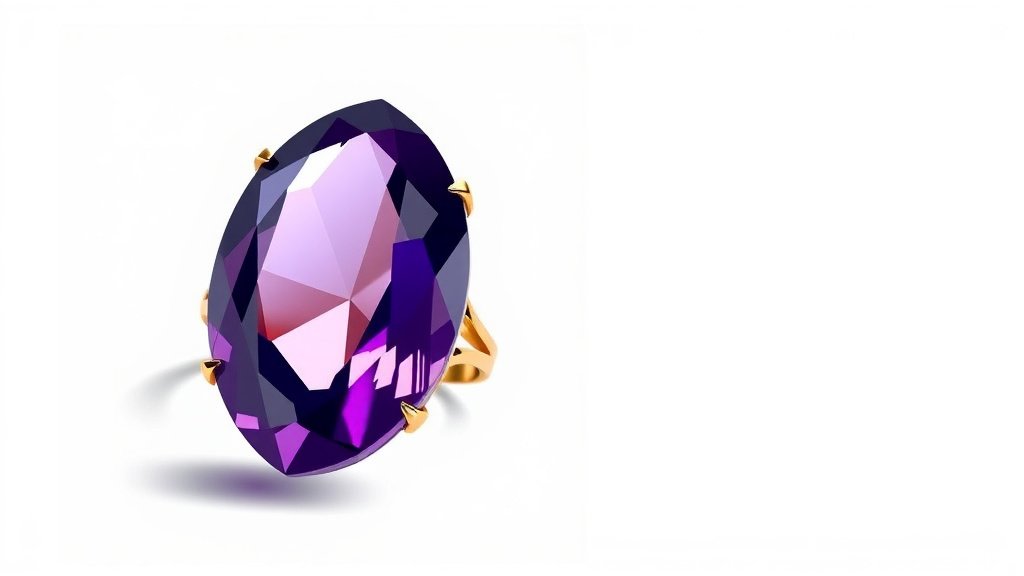
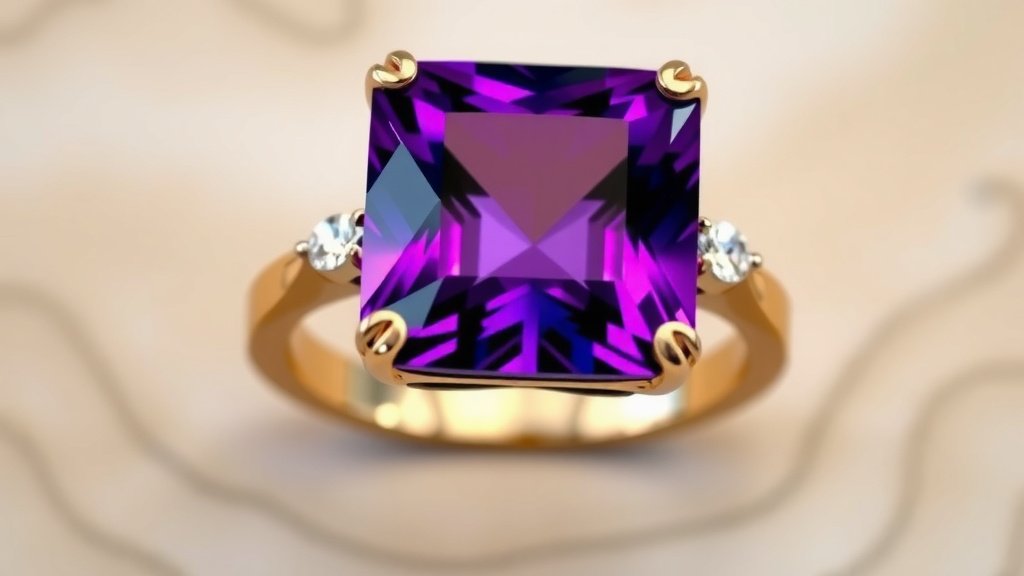
An amethyst ring is a piece of jewelry featuring a beautiful purple gemstone, amethyst, set into a metal band. This popular gemstone is known for its gorgeous violet hues, ranging from pale lilac to deep regal purple. Amethysts are quartz crystals, and they are prized for their durability and affordability, making them a wonderful choice for everyday wear.
When you think of amethyst, you might picture that stunning purple color. What’s fascinating is that this color comes from iron impurities within the quartz. The intensity of the purple can vary a lot, from very light to a deep, rich shade. This variation means each amethyst ring is unique, offering a lot of choice for your personal style. Many people also associate amethyst with a sense of calm and clarity.
- Amethyst is a purple variety of quartz.
- It’s known for its beautiful violet colors.
- Amethyst is durable and affordable for jewelry.
- Each stone is unique due to color variations.
- It’s often linked with calming properties.
Ready to learn more about these captivating purple gems? Below, we’ll dive into the details of amethyst rings, from their history to how to care for them.
You’ve seen them, right? That beautiful, deep purple stone sparkling in a ring. Those are amethyst rings! They’re more than just pretty accessories. Amethyst has a rich history and some fascinating properties. Let’s explore what makes an amethyst ring so special and why it’s been a favorite for centuries.
Understanding the Allure of Amethyst Rings
So, what exactly is an amethyst ring? It’s simply a piece of jewelry featuring an amethyst gemstone set into a metal band. These rings are incredibly popular. They make wonderful gifts and are often chosen for engagement or wedding bands. Their appeal comes from a blend of beauty, meaning, and accessibility.
The Gemstone Itself: A Closer Look at Amethyst
Amethyst is a variety of quartz. Its distinct purple color is what sets it apart. You’ll find amethysts in a wide spectrum of purple shades. Some are a pale, delicate lilac. Others are a deep, vibrant violet. The color comes from tiny amounts of iron within the quartz crystal. This natural process creates a unique stone every time. We found that these variations mean no two amethyst rings are exactly alike.
Color Variations and Their Origins
The shade of purple in amethyst isn’t random. It’s influenced by factors like heat exposure during its formation. The intensity of the purple can also be affected by how much iron is present. Pale amethysts might have less iron or have been exposed to less heat. Deep purple stones often have more iron and experienced more intense conditions. Many jewelers refer to the most prized color as “Deep Siberian.” This deep purple hue is often uniform throughout the stone.
The Durability Factor for Everyday Wear
Amethyst ranks a 7 on the Mohs hardness scale. This means it’s quite durable. It can stand up to daily wear and tear quite well. This makes it a practical choice for rings worn every day. For comparison, diamonds are a 10 and sapphires are a 9. While not as hard as those gems, amethyst is still resilient. You just need to be a little mindful. Avoid harsh chemicals or hard impacts.
A Journey Through History: Amethyst’s Past
Amethyst has been cherished for thousands of years. Ancient Greeks believed it could prevent intoxication. The name “amethyst” comes from the Greek word “amethystos,” meaning “not intoxicated.” They would wear amethyst jewelry or use amethyst cups for wine. This belief added a layer of mystique to the gem. We found historical accounts of its use in ancient Egypt and Rome as well.
Ancient Beliefs and Symbolism
Beyond preventing drunkenness, amethyst was linked to other ideas. It was often associated with sobriety and clear thinking. It was also seen as a symbol of royalty and power. This is partly due to its regal purple color. Many ancient cultures believed amethyst offered protection. They thought it could ward off evil thoughts and bad dreams. This rich symbolism continues to draw people to amethyst today.
Amethyst in Royal Collections and Religious Artifacts
Amethyst’s beauty and perceived power made it a favorite among royalty. Many historical royal families included amethyst in their crowns and jewelry. Think of the British Crown Jewels, which feature large amethysts. Amethyst has also been used in religious artifacts for centuries. Its association with spirituality and clarity made it suitable for adornments in churches. Many experts suggest this connection enhanced its reputation for calmness.
Choosing and Caring for Your Amethyst Ring
When you’re looking for an amethyst ring, consider a few things. The quality of the amethyst is important. Look for a vibrant, even color. The cut of the stone also matters. A good cut will maximize its sparkle. The metal setting is another choice. Gold, silver, and platinum are all common options. Our guide to understanding ring setting styles can help you choose the perfect look.
Understanding Amethyst Quality and Value
The value of an amethyst ring depends on several factors. The size of the stone is one. Larger stones are generally more expensive. The depth and richness of the color are also key. A consistent, intense purple is highly desirable. The clarity of the stone plays a role too. Fewer inclusions or imperfections mean a higher value. We found that even with minor flaws, a well-cut amethyst with a beautiful color can be very affordable.
Metal Settings and Ring Styles
Amethyst looks stunning in various metal settings. Yellow gold can create a warm, rich contrast with the purple. White gold or platinum offers a cooler, modern look. Sterling silver is a popular and more budget-friendly option. The style of the ring also impacts its appearance. Solitaire rings showcase the amethyst alone. Halo settings surround the amethyst with smaller diamonds or other gems. Three-stone settings often pair amethyst with other colorful stones.
Tips for Keeping Your Amethyst Ring Sparkling
Caring for your amethyst ring is simple. You want to keep it clean and protected. Gently clean your ring with a soft brush and mild soap. Rinse it thoroughly with water. Dry it with a soft, lint-free cloth. Avoid exposing your amethyst to harsh chemicals. Things like bleach or ammonia can damage the stone. Store your ring separately from other jewelry. This helps prevent scratches.
What to Avoid for Longevity
You should also avoid exposing your amethyst ring to extreme temperature changes. Sudden heat or cold can potentially cause damage. It’s a good idea to remove your ring during strenuous activities. This includes things like gardening or exercising. Think of it like giving your ring a little spa break. Many jewelers advise this simple step for maintaining its beauty.
Here’s a quick checklist to remember when caring for your amethyst ring:
- Clean gently with mild soap and water.
- Use a soft brush for cleaning.
- Dry with a soft cloth.
- Avoid harsh chemicals and cleaning agents.
- Remove during strenuous activities.
- Store separately to prevent scratches.
Conclusion
You’ve learned that an amethyst ring is more than just a beautiful piece of jewelry. It’s a gem steeped in history and symbolism, offering a unique blend of affordability and durability for your everyday wear. Its captivating purple hues, ranging from soft lilac to deep violet, make each stone distinct. The rich past of amethyst, tied to ancient beliefs of calm and protection, adds a deeper meaning to your ring. Now that you understand its allure and care needs, you’re ready to confidently choose and cherish your amethyst ring for years to come.
Frequently Asked Questions
Can I wear my amethyst ring every day?
Yes, you generally can wear your amethyst ring daily. Amethyst ranks a 7 on the Mohs hardness scale, making it durable enough for regular wear. Just remember to avoid harsh chemicals and strenuous activities that could scratch or damage the stone.
What is the most expensive amethyst color?
The most prized amethyst color is typically a deep, rich purple, often described as “Deep Siberian.” Stones with a uniform, intense violet hue and good clarity tend to be more valuable than lighter or unevenly colored amethysts.
Does amethyst have any special meaning?
Historically, amethyst has been associated with calm, clarity, and sobriety. The name itself comes from the Greek word meaning “not intoxicated.” Many people today still choose amethyst for its perceived ability to promote peace and reduce stress.
How do I clean an amethyst ring at home?
Cleaning your amethyst ring at home is simple. Use a soft brush with mild soap and lukewarm water to gently scrub the stone and setting. Rinse it thoroughly and dry it with a soft, lint-free cloth to restore its sparkle.
Are amethyst rings good for engagement rings?
Amethyst rings can make lovely engagement rings, especially if you’re looking for a more affordable and unique option. Their durability is sufficient for daily wear with care, and their beautiful purple color offers a distinctive alternative to traditional diamonds.