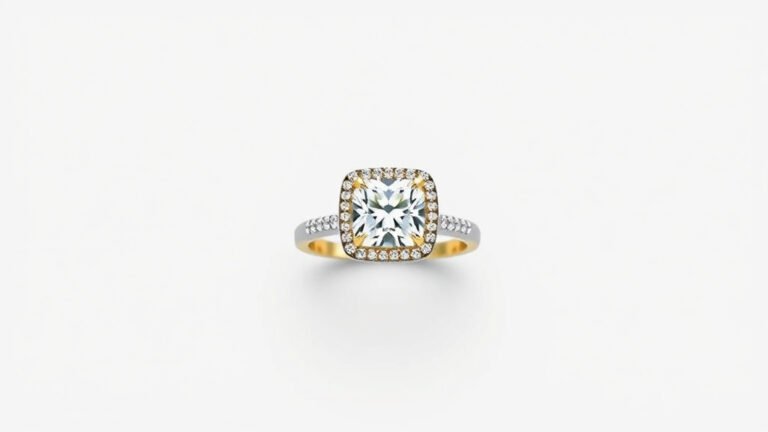
Step Cut Diamonds: Understanding the Classic Emerald Cut
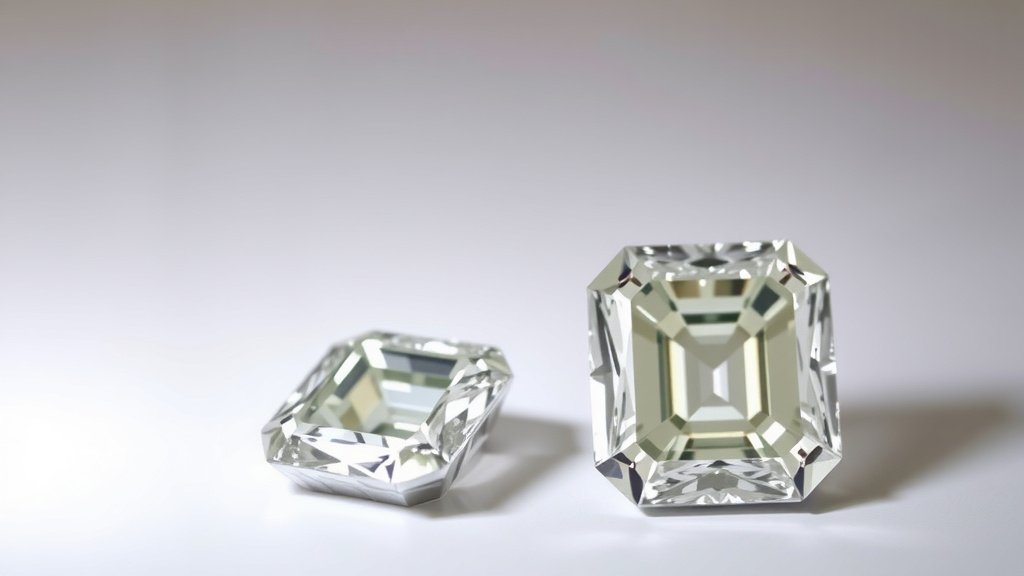
A step cut diamond is a diamond that features a rectangular or square shape with progressive, tiered facets. These facets are arranged in concentric rows, resembling steps. They offer a distinctive vintage charm and a more subtle sparkle compared to brilliant cuts. You’ll often find them in styles like the Emerald cut or Asscher cut. A step cut diamond is known for its elegance and clarity.
Unlike brilliant cuts designed to maximize light reflection and fire, step cuts prioritize clarity and geometric beauty. Their longer, linear facets create a unique hall-of-mirrors effect. Many people are drawn to step cuts for their sophisticated, understated appeal. We found they are a popular choice for those who appreciate a classic aesthetic.
- Step cut diamonds have tiered, parallel facets.
- They show off clarity and geometric lines.
- Think Emerald and Asscher cuts as examples.
- They offer a subtle, elegant sparkle.
Ready to learn more about these captivating gems? Below, we’ll walk you through everything you need to know about step cut diamonds, from their unique appearance to what makes them so special.
Understanding the Allure of Step Cut Diamonds
So, what makes a step cut diamond so distinct? Unlike the dazzling, fiery sparkle of brilliant cuts, step cuts offer a different kind of beauty. They are named for their facets, which are arranged in parallel, rectangular steps. Think of a staircase, but made of glittering crystal. We found this geometric arrangement creates a unique visual effect.
The Facet Arrangement: A Closer Look
Instead of being cut to reflect light from every angle, step cuts are designed with fewer, larger facets. These facets are long and linear. They run parallel to the diamond’s girdle. This creates a clean, orderly look. We found this design highlights the diamond’s internal clarity and its shape. It’s a style that really lets the diamond’s natural characteristics shine through.
Comparing Facet Styles
Brilliant cuts have many small, triangular facets. They are cut to maximize light return and sparkle, often called “fire.” Step cuts, on the other hand, have fewer, longer facets. These longer facets create a subtle, elegant glow rather than a fiery blaze. It’s like comparing a disco ball to a beautifully lit room. We found this difference is key to understanding their appeal.
Key Characteristics That Define Step Cuts
When you look at a step cut diamond, you’ll notice a few things right away. Their appearance is quite different from other diamond shapes. We’ve identified the main features that set them apart.
The “Hall of Mirrors” Effect
One of the most captivating features of step cut diamonds is what some call the “hall of mirrors” effect. Because of those long, parallel facets, light reflects internally. This creates a depth and brilliance that is quite mesmerizing. You can see reflections within reflections. We found this optical illusion gives them a sophisticated depth. It’s a truly captivating visual experience.
Emphasis on Clarity and Color
Because the facets are larger and more open, step cuts tend to showcase a diamond’s clarity. Any inclusions or imperfections can be more visible. This means that if you’re choosing a step cut, a higher clarity grade is often recommended. On the flip side, they also tend to show body color more readily. If you’re looking for a diamond with excellent color, a step cut might highlight that beautifully. We found that many experts suggest prioritizing clarity for these cuts.
The Importance of the Diamond’s Shape
Step cuts are almost always found in specific diamond shapes. The most common shapes are rectangular or square. Think of the classic Emerald cut or the sophisticated Asscher cut. These shapes lend themselves perfectly to the step facet arrangement. The geometric lines of the shape are enhanced by the linear facets. It creates a harmonious and balanced appearance. We found that the shape and cut work together beautifully.
Popular Types of Step Cut Diamonds
When people talk about step cut diamonds, they usually have a few specific shapes in mind. These shapes are iconic for a reason. They’ve been popular for decades, and for good reason. We’ve outlined the most well-known examples for you.
The Emerald Cut
The Emerald cut is perhaps the most recognizable step cut. It’s a rectangular shape with cut corners. The facet arrangement is distinctly stepped. It offers a large, open table (the top flat surface). This creates that wonderful hall of mirrors effect we mentioned. It’s often favored for its elegant and Art Deco feel. Many celebrities have chosen this cut for their engagement rings. We found that its graceful lines are timeless.
The Asscher Cut
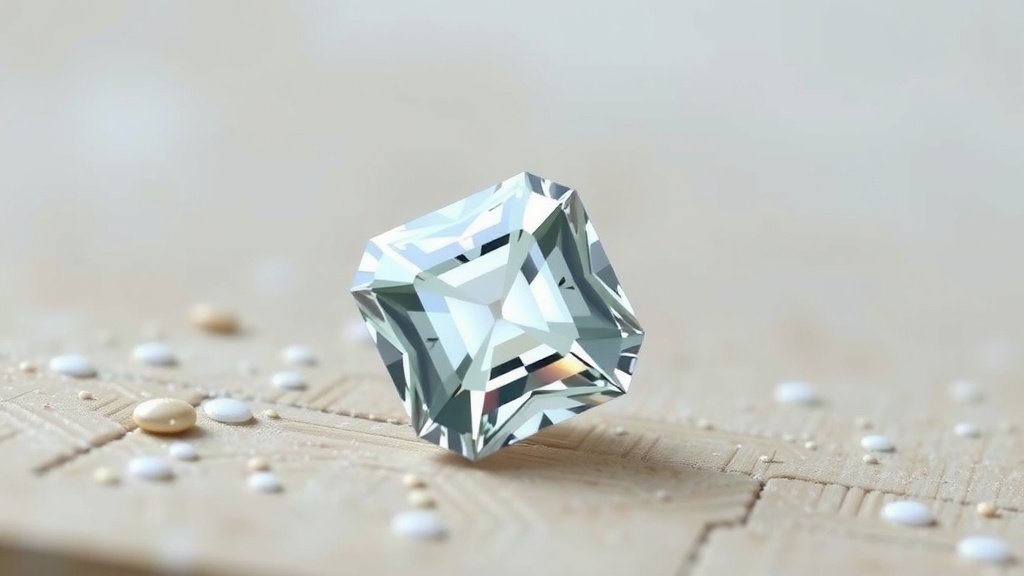
The Asscher cut is another beautiful example. It’s similar to the Emerald cut but is typically square. It also features cut corners. What makes the Asscher unique is its “windmill” or “X” pattern visible through the center of the table. This is due to its specific facet alignment. It has a very vintage and romantic appeal. We found that it provides a beautiful balance of geometric precision and subtle sparkle.
Other Step Cuts to Consider
While Emerald and Asscher cuts are the most common, other variations exist. You might encounter shapes like the Radiant cut, which combines step cut facet lines with the brilliance of a mixed cut. There are also variations within the Emerald and Asscher cuts themselves, sometimes called “square emerald cuts” or “modified Asschers.” The core principle remains the same: linear, tiered facets. We found that exploring these variations can lead to discovering truly unique gems.
| Feature | Step Cut | Brilliant Cut |
|---|---|---|
| Facet Arrangement | Long, parallel, tiered facets | Many small, triangular facets |
| Sparkle Type | Subtle, sophisticated glow; hall of mirrors effect | Fiery, dazzling, intense sparkle |
| Emphasis | Clarity, geometric lines, color | Brilliance, fire, scintillation |
| Common Shapes | Emerald, Asscher, some baguettes | Round, Princess, Oval, Marquise |
Choosing a Step Cut Diamond for You
Considering a step cut diamond for your next special piece of jewelry? They offer a distinct charm. Here’s a quick checklist to keep in mind as you explore. We’ve found these points help guide your decision.
- Prioritize Clarity: Look for higher clarity grades.
- Consider Color: Be mindful of how color shows.
- Appreciate Geometry: Love clean lines and shapes.
- Seek Understated Elegance: Prefer subtle sparkle.
- Research Faceting: Understand the specific cut variations.
- Imagine It Worn: Envision how the style fits your personality.
Conclusion
You’ve now seen what makes step cut diamonds so special. Their linear facets offer a sophisticated elegance, a beautiful contrast to the fiery brilliance of other cuts. We found that the “hall of mirrors” effect and emphasis on clarity provide a unique visual depth. Whether you’re drawn to the classic Emerald or the geometric Asscher, a step cut diamond brings timeless style to any piece. Ready to find your perfect step cut gem? Start by visiting a jeweler and seeing these captivating cuts in person to appreciate their subtle beauty firsthand.
Frequently Asked Questions
Are step cut diamonds less sparkly than brilliant cuts?
Yes, step cut diamonds offer a different kind of sparkle. Instead of intense fire and brilliance, they provide a more subtle, elegant glow. We found their long facets create a mesmerizing “hall of mirrors” effect, which is captivating in its own way.
Why is clarity so important for step cut diamonds?
Step cuts have larger, more open facets that showcase the diamond’s internal structure. This means inclusions and imperfections can be more visible than in brilliant cuts. We recommend prioritizing a higher clarity grade to ensure your step cut diamond looks its best.
Can I find step cut diamonds in shapes other than square or rectangular?
While Emerald and Asscher cuts are the most common step cuts and are inherently square or rectangular, some variations exist. You might find other shapes that incorporate linear facet lines, but the classic step cut appearance is strongly tied to these geometric forms.
Do step cut diamonds show more body color?
Yes, similar to how they show clarity, step cut diamonds tend to display body color more readily. If you are looking for a diamond with exceptional color, a step cut can highlight it beautifully. Conversely, if you prefer a colorless diamond, selecting a higher color grade is advisable.
Are step cut diamonds more affordable than brilliant cuts?
Generally, price depends on many factors like the 4 Cs (carat, cut, color, clarity), and step cuts can vary. However, sometimes the raw material needed for certain shapes and the faceting process can influence cost. It’s best to compare specific diamonds side-by-side to understand pricing differences.