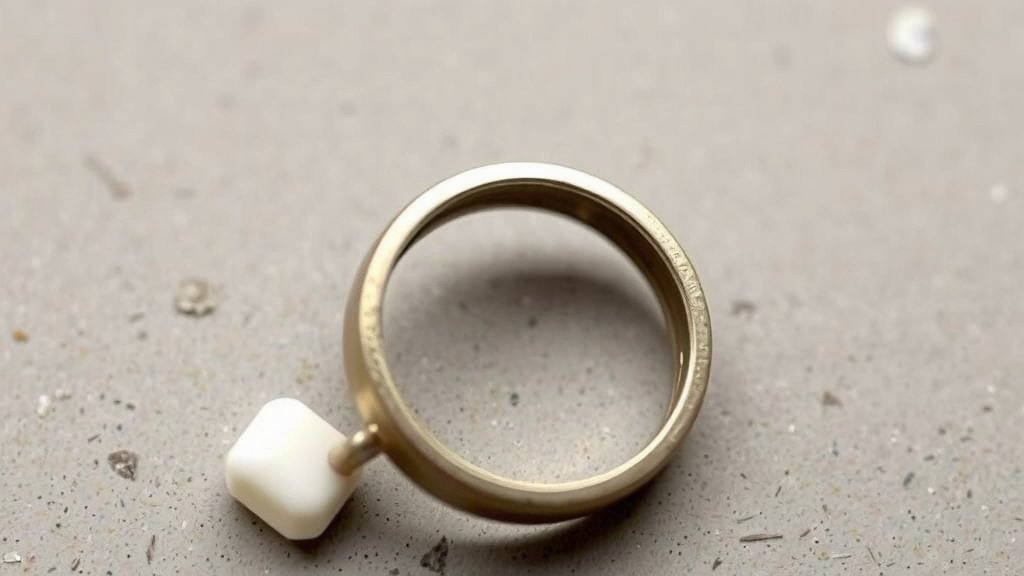
Repair a Broken Ring: A Simple DIY Guide
Yes, you can repair a broken ring at home, depending on the material and the break. For simple breaks in softer metals like sterling silver or gold-filled, a bit of metal glue or even epoxy can provide a temporary fix. However, for precious metals or significant damage, professional repair is often the safest and most durable option.
While DIY methods offer quick solutions for minor issues, they may not always withstand daily wear. We found that the best approach depends on your ring’s value and material. Understanding the type of metal and the nature of the break is key to deciding whether a DIY repair or a trip to the jeweler is in order.
- Assess the ring’s material.
- Determine the type of break.
- Consider DIY vs. professional repair.
- Precious metals often need a jeweler.
- Clean the area before any repair attempt.
Let’s walk through the best ways to get your beloved ring back in one piece, whether you decide to tackle it yourself or seek expert help.
Fixing Your Broken Ring: A Step-by-Step Guide
A broken ring can feel like a tiny disaster, right? Don’t panic! Many times, you can actually repair a broken ring yourself. The best approach depends on what your ring is made of and how it broke. We’ve found that assessing the situation is the first and most important step.
Understanding Your Ring’s Material
Before you grab any tools, let’s get to know your ring. Knowing the metal is key to deciding the right repair method. Is it a precious metal or something more common? This makes a big difference.
Precious Metals: Gold, Silver, and Platinum
Rings made of 10k, 14k, or 18k gold, sterling silver, or platinum are usually quite durable. However, they can still break, especially if they’re thin or have been subjected to a lot of force. These metals are softer than steel, making them prone to bending or snapping.
Plated and Filled Metals
Gold-filled or gold-plated rings have a base metal covered with a thin layer of gold. Sterling silver-filled or plated rings are similar. While beautiful, the plating can wear away over time. If the break is in the base metal, a DIY fix might be temporary. The plating might not hold a repair well.
Other Metals: Stainless Steel, Titanium, Tungsten
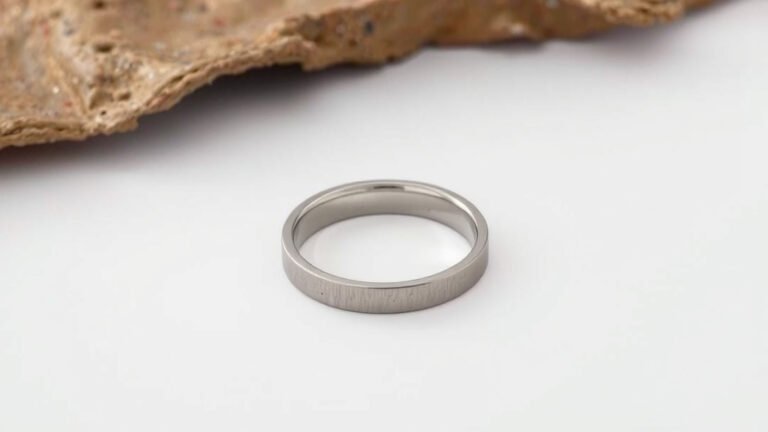
Rings made from stainless steel, titanium, or tungsten are generally very tough. They are less likely to break or bend. If one of these does snap, it often means a very strong force was applied. These metals can be harder to repair at home.
Assessing the Type of Break
How did your ring break? The type of damage will guide your repair options. Is it a clean snap, a crack, or a bent section?
Clean Breaks and Snaps
This is when the ring has broken completely into two pieces. It’s often seen in thinner bands. A clean break might offer a straightforward, though sometimes tricky, repair. We found that the cleaner the break, the better the chances for a successful mend.
Cracks and Splits
Sometimes, a ring doesn’t break all the way through. Instead, you might see a hairline crack or a small split. These can be subtle but can worsen over time. Sealing a crack is different from joining two broken pieces.
Dents and Bends
A dent or a bend isn’t technically a “break,” but it can compromise the ring’s integrity. If the metal is just misshapen, you might be able to gently reshape it. However, be careful not to weaken the metal further.
DIY Ring Repair: When It Might Work
For some rings and some breaks, a DIY repair can be a quick fix. We found that it works best for non-precious metals or as a very temporary solution for precious ones.
Temporary Fixes with Metal Glue or Epoxy
If your ring is made of a softer metal, like sterling silver or gold-filled, and it has a clean break, a strong adhesive might do the trick. Look for a metal glue or a high-quality epoxy designed for jewelry or metal. You’ll want something that sets hard and is water-resistant.
- Clean the surfaces: Make sure both broken edges are clean and dry. Use a bit of rubbing alcohol if needed.
- Apply adhesive: Apply a small amount of glue to one edge. Too much will ooze out.
- Join the pieces: Carefully press the two pieces together. Hold them firmly in place until the glue sets according to the package directions.
- Cure: Let the repaired area cure completely. Avoid wearing or stressing the ring for at least 24 hours.
We found that this type of fix is rarely permanent, especially for rings worn daily. It’s more like a band-aid.
Repairing Minor Cracks
For tiny cracks, especially in plated jewelry, a clear, strong adhesive can sometimes seal the area. Apply it very thinly with a toothpick. The goal is to fill the crack without making it obvious. Again, this is usually a temporary measure.
When to Seek Professional Jeweler Services
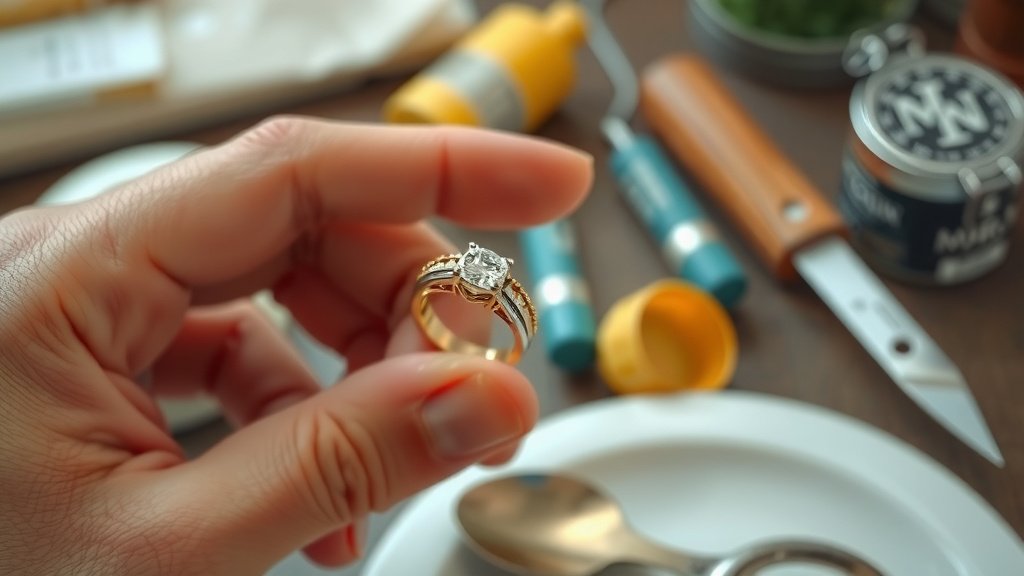
Let’s be honest, some breaks are too big for home remedies. For your most cherished pieces, or for complex breaks, a jeweler is your best friend. They have the tools and expertise to make repairs that last.
Precious Metals Require Precision
If your ring is solid gold, platinum, or even thick sterling silver, a jeweler can often solder the pieces back together. This is a professional welding process that uses a filler metal to fuse the broken parts. They can also polish the seam so it’s nearly invisible. This is the gold standard for repairing precious metals.
Complex Damage and Engagement Rings
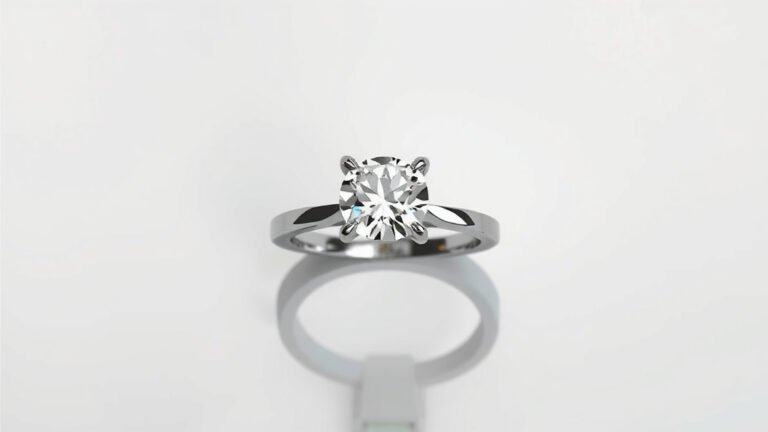
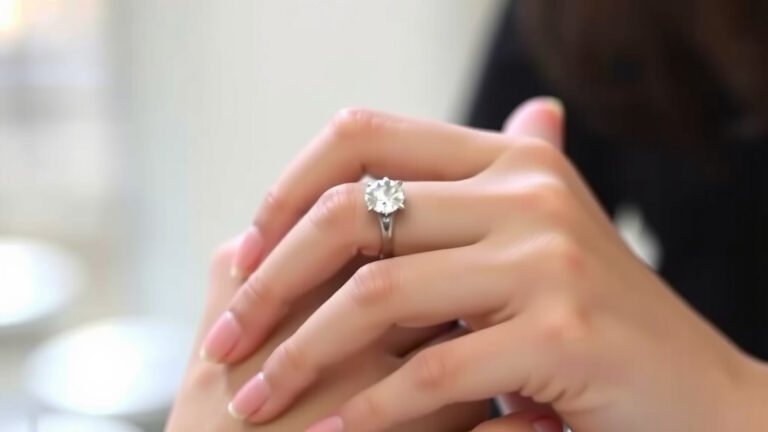
Broken settings, loose stones, or breaks in intricate designs are best left to the pros. Engagement rings and wedding bands often hold significant sentimental and monetary value. A jeweler can ensure the stones remain secure and the original beauty of the ring is restored. Many experts say that attempting to repair intricate settings yourself could lead to losing stones or causing more damage (American Gem Society).
Difficult-to-Work-With Metals
Tungsten, titanium, and some hardened stainless steel alloys are extremely hard. They are very difficult to solder or repair with adhesives. Jewelers may have specialized equipment or techniques for these materials, or they might advise that repair isn’t feasible.
What a Jeweler Can Do: A Quick Comparison
| Type of Repair | DIY Feasibility | Professional Feasibility | Notes |
|---|---|---|---|
| Clean break in gold-filled band | Temporary possible | Permanent, professional finish | Adhesive might work short-term. Soldering is best. |
| Hairline crack in sterling silver | Temporary possible (sealant) | Permanent fix, can be polished | Jeweler can properly fuse or fill. |
| Broken platinum engagement ring | Not recommended | Highly recommended | Requires specialized tools and expertise. |
| Snapped tungsten carbide ring | Extremely difficult/impossible | Often not repairable; replacement may be best | Tungsten is very brittle and hard to work with. |
Cost Considerations
DIY repairs are cheap, often costing just a few dollars for glue. Professional repairs vary. A simple solder job on a plain band might cost $50-$100. More complex repairs, like re-tipping prongs or working with platinum, can cost several hundred dollars. It’s always wise to get a quote first.
Here’s a quick checklist to help you decide:
- Is the ring made of a precious metal (gold, platinum, sterling silver)?
- Is the break a clean snap or a complex crack/damage?
- What is the sentimental or monetary value of the ring?
- Do you have experience with jewelry repair or adhesives?
- Are you aiming for a permanent fix or a temporary patch?
Conclusion
You’ve learned that repairing a broken ring at home is possible for some situations. For simple breaks in less precious metals, adhesives can offer a temporary fix. Remember to clean the surfaces thoroughly before applying any glue. However, for precious metals like gold or platinum, or for complex damage, professional jeweler services are usually the best route. They have the tools and expertise for a durable, lasting repair. Before you decide, assess your ring’s material, the type of break, and its sentimental value.
Your next step is to carefully evaluate your ring and its damage, then decide if a DIY attempt makes sense or if it’s time to visit your local jeweler for a quote. Your cherished ring can likely be restored!
Frequently Asked Questions
Can I really repair a snapped gold ring myself?
For solid gold rings, a DIY repair is generally not recommended. While some adhesives might hold temporarily, they won’t create a strong, seamless bond like professional soldering. We found that a jeweler can properly fuse the pieces for a lasting repair.
How do I clean the broken edges of my ring before trying to fix it?
Cleanliness is key for any repair. Gently wipe both broken surfaces with a soft cloth and some isopropyl alcohol. This removes oils and dirt, ensuring better adhesion if you’re using glue or epoxy.
What’s the difference between gold-filled and gold-plated repair?
Gold-filled rings have a thicker layer of gold bonded to a base metal, making repairs more durable. Gold-plated rings have a very thin layer that can chip or wear off easily. Repairs on plated rings are often more prone to showing wear or failing over time.
Will a jeweler be able to fix my tungsten ring if it’s broken?
Tungsten carbide is extremely hard and brittle, making it very difficult to repair once broken. Many jewelers cannot solder or reshape tungsten. In most cases, a broken tungsten ring is beyond repair and often requires replacement.
How much does it typically cost to have a ring repaired by a jeweler?
The cost can vary widely depending on the metal, the type of damage, and the jeweler’s location. Simple repairs like soldering a plain band might cost $50-$100. More intricate work or repairs on platinum can range from $100 to several hundred dollars. Always get an estimate first.