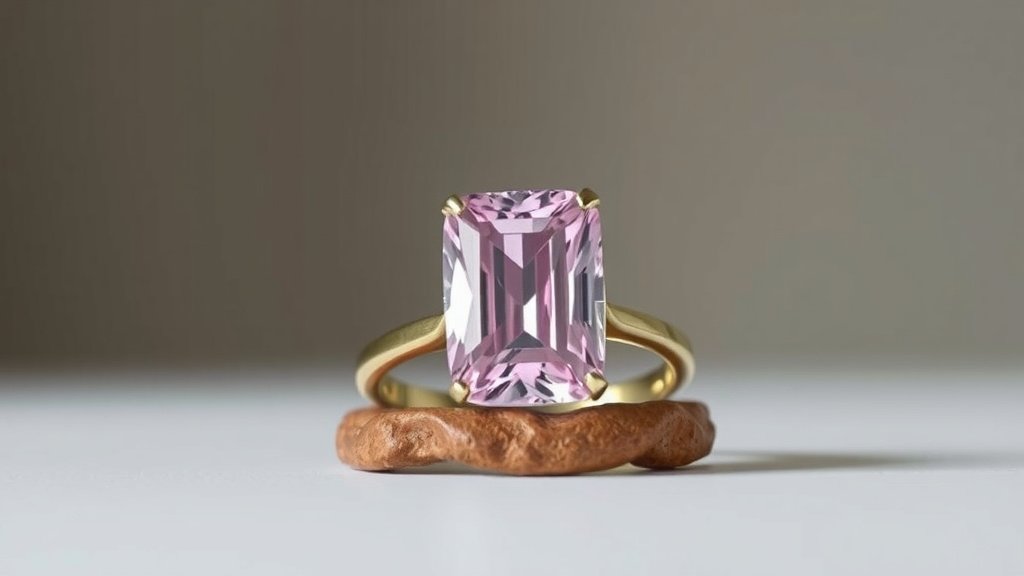
How to Protect a Soft Gemstone Ring: 7 Essential Care Tips
The best way to protect a soft gemstone ring is simple: take it off before activities like cleaning, gardening, or working out. Store it separately in a soft pouch, clean it gently with mild soap and water, and skip harsh chemicals entirely. That’s the short version — and it works.
Soft stones like opal, pearl, amber, and turquoise scratch and chip far more easily than diamonds or sapphires. We researched the advice of jewelers and gem experts, and one point came up again and again: most damage happens during everyday tasks, not dramatic accidents. Who knew washing dishes was the real villain here?
Quick TL;DR:
- Remove your ring before cleaning, gardening, swimming, or exercising.
- Store it alone in a soft pouch or lined box so other jewelry can’t scratch it.
- Clean with lukewarm water, mild soap, and a soft cloth only. Not sure about timing? Our guide to how often to clean a ring covers the right schedule.
- Avoid perfumes, lotions, and household chemicals — they can dull or damage the stone.
- Have the setting checked by a jeweler once or twice a year.
Below, we break down everything you need to know about protecting your soft gemstone ring, step by step — so it stays sparkling for years to come.
Keeping Your Soft Gemstone Ring Safe Every Day
Protecting a soft gemstone ring comes down to two habits: limiting friction and impact, and keeping chemicals away from the stone. Do those two things, and you’ve already won most of the battle. Everything else is just fine-tuning.
Think of your opal or pearl like a favorite cashmere sweater. It’s beautiful, but you wouldn’t wear it to paint the garage. Same deal here.
Know Your Stone: How Soft Is “Soft”?
Gemstones are ranked by the Mohs hardness scale, which runs from 1 (talc) to 10 (diamond). Anything below a 7 can be scratched by everyday dust — and yes, household dust contains quartz particles. That’s an uncomfortable thought, isn’t it?
We found that many first-time owners don’t realize their ring is “soft” until damage appears. A quick check saves a lot of heartache.
| Gemstone | Approx. Mohs Rating | Main Weakness |
|---|---|---|
| Pearl | 2.5–4.5 | Acids, perfume, dryness |
| Amber | 2–2.5 | Heat, alcohol, scratches |
| Turquoise | 5–6 | Chemicals, oils, water |
| Opal | 5–6.5 | Sudden temperature changes, drying out |
| Moonstone | 6–6.5 | Chips and cleavage cracks |
| Morganite | 7.5–8 | Moderately durable, but watch the setting |
When to Take Your Ring Off
The honest answer: more often than feels convenient. Most experts recommend removing soft-stone rings for anything involving gripping, scrubbing, or sweating.
Household Chores That Damage Rings
- Washing dishes — dish soap and hot water dull pearls and opals.
- Cleaning with bleach or ammonia — these can permanently pit or discolor stones.
- Gardening — grit acts like sandpaper, and prongs catch on roots.
- Cooking with dough or meat — residue builds up under the setting.
Gyms, Pools, and the Great Outdoors
Chlorine is rough on both stones and metals, so the CDC recommends rinsing off after swimming — your ring would rather never touch pool water at all. At the gym, barbells chew up thin prongs. And cold weather? It’s a sneaky one.
Why Temperature Swings Matter
Opals contain water. Sudden shifts from a warm house to freezing air can cause tiny cracks jewelers call crazing. We found that simply keeping opal rings indoors during deep winter helps them stay stable.
The “Last On, First Off” Rule
Make your ring the last thing you put on in the morning and the first thing you take off at night. This one rule quietly handles perfume, hairspray, lotion, and makeup — all of which can coat or corrode soft stones. Small habit, big payoff.
How to Clean a Soft Gemstone Ring Without Ruining It
Lukewarm water, a drop of mild dish soap, and a soft cloth. That’s the whole recipe. Never soak porous stones like turquoise or untreated opal.
Step-by-Step Gentle Cleaning
- Fill a small bowl with lukewarm (not hot) water and a drop of gentle soap.
- Dip a soft cloth or baby toothbrush in the water — don’t submerge the ring.
- Gently wipe the stone and around the setting.
- Rinse the cloth, wipe again to remove soap.
- Pat dry with a lint-free cloth and let it air-dry fully before storing.
What to Never Use
Ultrasonic cleaners, steam, baking soda, vinegar, and toothpaste are all off the table. Many jewelers warn that ultrasonic machines can shatter opals and strip the nacre coating on pearls. Toothpaste, despite its internet fame, is mildly abrasive — it polishes teeth, not gemstones.
Storing Your Ring the Right Way
Soft stones scratch each other and everything else. A fabric-lined compartment or individual soft pouch keeps your ring isolated. Hard-sided jewelry boxes with padded slots work well, too.
Storage Spots to Avoid
- Bathroom windowsills — sunlight fades turquoise and amber.
- Directly on a radiator or heat vent — opals can dry out and crack.
- A jumbled travel pouch — use a padded travel case instead.
Hands-On Habits That Add Years to Your Ring
Here’s a quick checklist worth pinning to your mirror. Six small moves, all easy.
- ✅ Remove your ring before washing hands, showering, or applying lotion.
- ✅ Rotate rings if you wear one daily — gives stones a rest.
- ✅ Check prongs monthly with a fingertip; catch loose stones early.
- ✅ Carry a small pouch in your bag for surprise ring-off moments.
- ✅ Wipe the stone with a soft cloth after each wear.
- ✅ Skip hand sanitizer on the ring — alcohol dries out pearls and opals.
Why Professional Check-Ups Matter
Settings loosen over time. A jeweler can re-tighten prongs and spot hairline cracks before a stone falls out. Most pros suggest a checkup once or twice a year. It usually takes minutes — and it’s far cheaper than replacing a lost pearl.
Everyday Situations: A Quick “Should I Take It Off?” Guide
Not sure in the moment? Use this rule: if your hands might get wet, dirty, sweaty, or chemical-laden, the ring comes off. Applying sunscreen? Off. Beach day? Definitely off — sand and saltwater are a double threat.
We found that people who keep a consistent “ring home” (a dish by the sink, say) remove their rings far more consistently. Give your ring a parking spot. It’ll thank you — in sparkle.
Conclusion
Caring for a soft gemstone ring isn’t complicated — it’s just a set of small habits stacked together. Take the ring off before messy tasks, follow the “last on, first off” rule, clean gently with mild soap, and give it a solo spot in a padded pouch. We found that people who keep a consistent routine rarely lose stones or deal with cracked opals and dull pearls. Your ring doesn’t need constant worry. It needs a little consistency and a jeweler’s checkup once or twice a year. Start today by finding your ring a permanent “parking spot” near the sink — that one move makes every other habit easier to keep.
Frequently Asked Questions
Can I wear a soft gemstone ring every day?
You can, but daily wear speeds up wear and tear. We found that rotating between a soft-stone ring and a sturdier band gives fragile gems a break. If you love wearing yours daily, be extra disciplined about removing it during chores and workouts. For a bigger picture on wear over the years, our guide to how long rings last breaks down lifespan by material and care.
Is it safe to get my pearl or opal ring wet?
A quick splash while washing your hands won’t ruin most stones, but repeated soaking can. Pearls and porous stones like untreated opal and turquoise absorb water, which weakens them over time. Dry the ring gently with a soft cloth if it gets wet, and never wear it in the shower, pool, or ocean.
How can I tell if my gemstone is too soft for a ring?
Check the Mohs hardness rating — anything under 7 can be scratched by everyday dust. Ask your jeweler or check a certificate from when you bought the ring. Softer stones can still be worn as rings; they just need protective settings like bezels and a gentler routine.
What should I do if my soft gemstone already has a scratch?
Don’t try to buff it out yourself — home methods usually make it worse. Take the ring to a professional jeweler. Some stones, like opal and turquoise, can be re-polished, while pearls often can’t, so an expert opinion matters before you do anything.
Should I insure my soft gemstone ring?
If the ring has sentimental or financial worth, insurance is worth considering. Soft stones are more likely to crack or chip, and repairs or replacements can add up. We found that many homeowners policies let you add a jewelry rider for a modest yearly cost — check with your insurer for details.