How Long Do Wedding Rings Last: A Comprehensive Guide
Your rings can last a lifetime, but their longevity depends heavily on the materials they’re made from and how well you care for them. For instance, a simple gold band might withstand decades of wear with minimal upkeep, while a ring with delicate gemstones or intricate settings may require more attention to stay pristine.
The lifespan of a ring isn’t just about its physical durability. It’s also about its sentimental value and how it ages with you. We found that understanding the properties of your ring’s metal and any gemstones is key. Proper cleaning and storage can make a remarkable difference in preserving its beauty and integrity for years to come.
- Rings can last a lifetime with proper care.
- Metal type greatly influences durability.
- Gemstone settings require special attention.
- Regular cleaning and maintenance are essential.
- Sentimental value plays a role in perceived longevity.
Let’s walk through the factors that influence how long your rings will last, and how you can help them stand the test of time.
Understanding Your Ring’s Lifespan Potential
Your ring’s ability to last a lifetime hinges on a few key factors. We found that knowing these can help you make informed choices and proper care decisions. Think of it like this: a sturdy wooden chair will likely outlast a delicate glass sculpture, right? The same principle applies to your jewelry.
The Role of Metal Type
The metal your ring is made from plays a huge part in its durability. Some metals are naturally softer and more prone to scratches. Others are harder and can withstand daily wear with less damage. This is often the first thing to consider when thinking about how long your ring might last.
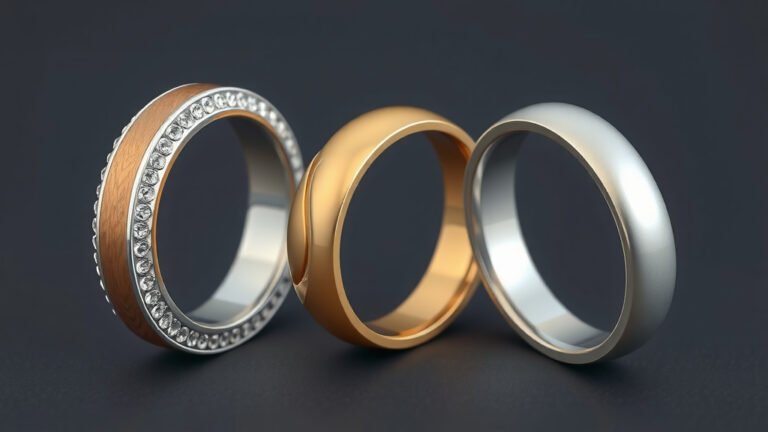
Precious Metals: Gold, Platinum, Silver, and Palladium
Gold is a popular choice for a reason, but its purity matters. Pure gold (24K) is very soft. This means it can bend or scratch easily. Most rings use 14K or 18K gold, which are alloys mixed with other metals. This makes them much tougher for everyday wear. We found that 14K gold offers a great balance of durability and beauty.
Platinum is known for its incredible strength and density. It’s much harder than gold and resistant to tarnishing. While it can scratch, the metal often displaces rather than wears away, meaning it maintains its mass over time. This makes platinum an excellent choice for rings that need to last.
Silver is a beautiful but softer metal. Sterling silver, which is 92.5% silver, can develop scratches and tarnish over time. It’s a lovely option, but may require more frequent polishing and careful wear to maintain its shine.
Palladium is a white metal similar to platinum but lighter. It is quite durable and hypoallergenic. Its hardness means it resists scratches well, making it a good option for long-lasting rings. Many experts say it’s a growing favorite for engagement and wedding bands.
Alternative Metals: Tungsten, Titanium, Ceramic, and Stainless Steel
These modern materials offer exceptional durability, often surpassing traditional precious metals in hardness. Tungsten carbide, for instance, is nearly scratch-proof. It’s a fantastic choice if you work with your hands a lot. However, we found that while very hard, tungsten can be brittle. It might chip or crack under extreme impact.
Titanium is another strong contender. It’s incredibly lightweight yet very strong, resisting scratches and bends. Its natural durability makes it a popular choice for active individuals. We’ve seen that titanium rings hold up remarkably well to daily life.
Ceramic rings are made from highly durable, scratch-resistant materials. They are lightweight and don’t tarnish. Like tungsten, though, they can be brittle and may chip or break if dropped forcefully.
Stainless steel is a popular choice for its affordability and resistance to corrosion and scratches. It’s a solid option for everyday wear, offering good longevity without a high price tag. Many find it a practical and stylish metal for their rings.
The Impact of Gemstones and Settings
Beyond the metal, the gemstones and how they are set are critical to a ring’s lifespan. Delicate stones or intricate settings can be more vulnerable.
Gemstone Hardness and Durability
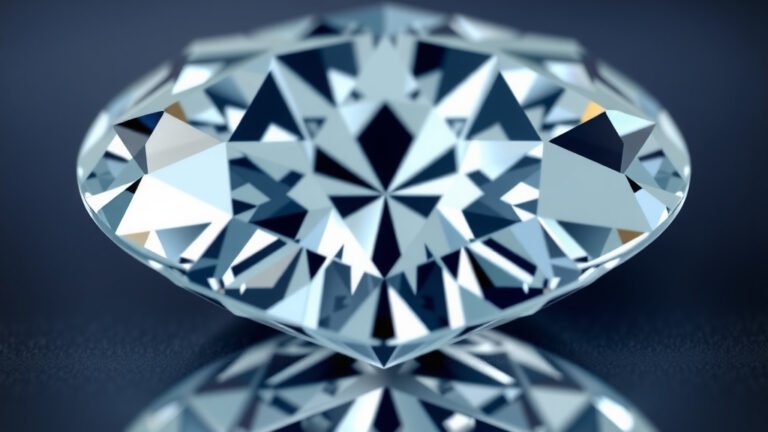
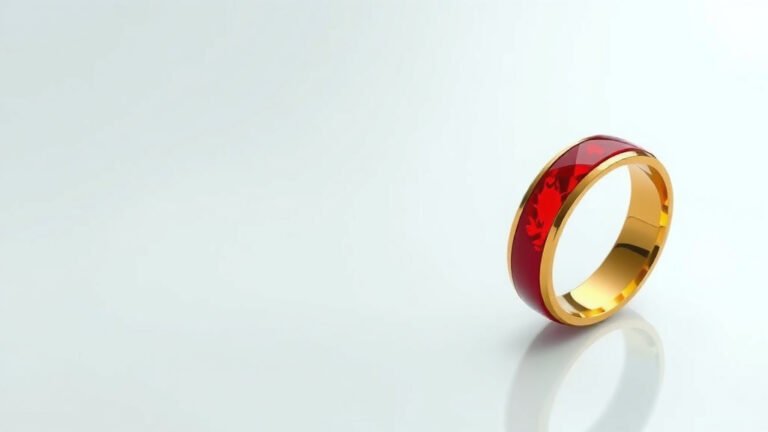
The Mohs scale of hardness helps us understand a gemstone’s scratch resistance. Diamonds are the hardest, scoring a 10. This makes them ideal for rings that face daily wear. Sapphires and rubies are also very hard, scoring a 9. They are excellent choices for durability.
Softer stones, like pearls or opals, are more delicate. Pearls score around 2.5-3 on the Mohs scale. Opals are around 5.5-6.5. These stones can be easily scratched, chipped, or damaged by chemicals. We found that rings with these gemstones often require more careful handling and may not be suitable for everyday wear.
Setting Styles: Bezels, Prongs, and Tension
The way a gemstone is held in place matters a lot. A bezel setting, where metal completely surrounds the stone, offers excellent protection. It keeps the gemstone secure and prevents it from snagging on things. This is a great choice for durability.
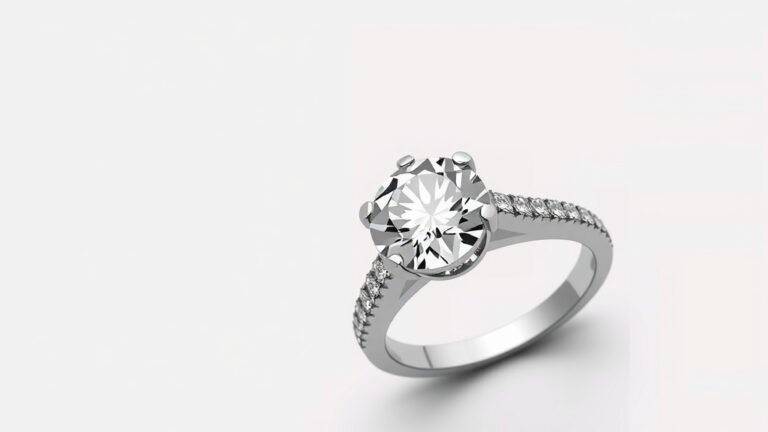
Prong settings, while beautiful, expose more of the gemstone. The prongs can loosen over time, and the stone itself is more vulnerable to chips and scratches. Regular checks of prong security are recommended by many jewelers.
Tension settings hold a stone in place with metal that is squeezed against it. While modern tension settings are secure, they can put stress on the gemstone. The stone might be more susceptible to damage if the ring experiences a significant impact.
Maintenance and Care: Your Role in Longevity
Even the most durable ring needs a little help to last. Regular care is key. Think of it as preventative maintenance for your precious jewelry.
Cleaning Your Rings
Regular cleaning removes dirt, oils, and lotions that can dull your ring’s shine. For most metal rings, a soft brush, warm water, and mild dish soap work wonders. Gently scrub the ring and rinse it thoroughly. For gemstones, always research their specific cleaning needs.
We found that ultrasonic cleaners can be effective for many metal rings and hard gemstones. However, they can be too harsh for softer stones like emeralds or pearls. Always err on the side of caution and consult a jeweler if you’re unsure.
Storage and Protective Measures
When you’re not wearing your ring, storing it properly is important. Keep it in a soft-lined jewelry box or a pouch to prevent scratches from other items. Avoid storing different metal rings together, as harder metals can scratch softer ones.
Consider removing your ring during activities that could damage it. This includes doing chores, exercising, swimming, or applying lotions and perfumes. Many common household chemicals can also affect certain metals and gemstones over time. Protecting your ring from these harsh conditions will significantly extend its life.
Professional Inspections
Taking your ring for periodic professional inspections is a smart move. Jewelers can check for loose stones, worn prongs, or any signs of damage you might have missed. They can also offer advice on the best ways to care for your specific ring. Many experts recommend this kind of check-up at least once a year.
Checklist for Ring Longevity
- Clean your ring regularly with mild soap and water.
- Store your ring safely in a soft pouch or box.
- Remove your ring during strenuous activities or when using chemicals.
- Have your ring professionally inspected annually.
- Be mindful of your ring’s materials and their durability.
- Know the cleaning needs of any gemstones.
Conclusion
You now understand that your ring’s lifespan isn’t set in stone. It’s a combination of the materials chosen and the care you provide. We found that tougher metals and secure settings offer a great foundation for longevity. Remember, simple cleaning routines and mindful habits can prevent damage and preserve your ring’s beauty for years to come. Start today by giving your favorite ring a gentle clean and finding a safe spot to store it when you’re not wearing it.
Frequently Asked Questions
How often should I clean my ring?
We found that for everyday wear, a quick clean with mild soap and water once a week is usually sufficient. This helps remove daily buildup of oils and dirt. For rings with gemstones, check their specific care needs, as some stones are more sensitive to cleaning solutions.
Can I wear my ring while swimming or showering?
It’s best to remove your ring before swimming or showering. Chlorine in pools and chemicals in soaps can dull metals and damage certain gemstones over time. Water itself can also weaken settings, especially if they are already slightly loose.
What is the best metal for a ring that I wear every day?
For daily wear, very durable metals like platinum, titanium, or tungsten carbide are excellent choices. We found that 14K or 18K gold also offers good durability for everyday use, balancing toughness with classic beauty. Consider your lifestyle when making this choice.
Will my ring’s value decrease if it gets scratched?
While scratches can affect the aesthetic appeal of a ring, they don’t necessarily diminish its inherent material value. Precious metals can often be polished to remove minor scratches. Some people even see light scratches as signs of a well-loved, cherished piece.
How can I protect delicate gemstones like pearls or opals?
We discovered that rings with softer gemstones require extra care. Avoid wearing them during strenuous activities, when applying lotions, or near harsh chemicals. Store them separately from harder jewelry to prevent scratches. Gentle cleaning with a soft, damp cloth is usually best for these delicate stones.