Why Choose a Silicone Ring: Top Benefits for Active Lifestyles
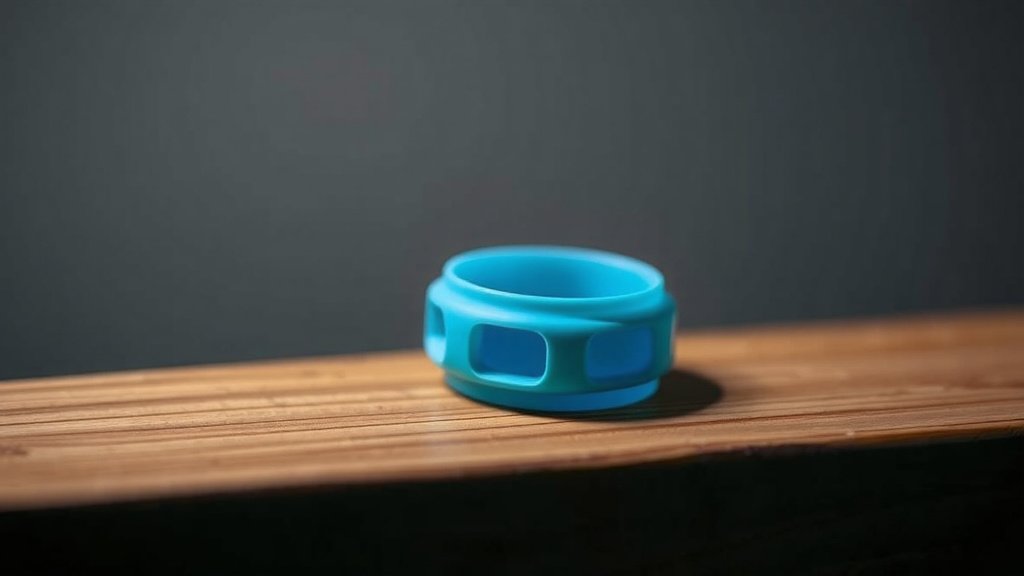
People choose a silicone ring because it’s safe, comfortable, and built for real life. Unlike metal bands, silicone rings bend and break away under pressure, protecting your finger from serious injury. They’re also affordable, sweat-friendly, and perfect for hands-on work.
Think about your daily routine. Do you lift weights, work with tools, chase kids around the house, or wash dishes ten times a day? A metal ring doesn’t care. It can snag, scratch, or swell tight on your finger. We researched this topic and found that many experts and doctors actually recommend silicone rings for active lifestyles. Athletes, nurses, electricians, and new parents wear them for the same reasons. They’re often called ring insurance for your finger — and honestly, that’s a pretty fair description.
TL;DR — Here’s the quick rundown:
- Safety first: silicone rings break away under pressure, so they won’t trap or crush your finger.
- Total comfort: they’re soft, lightweight, and won’t bother you at the gym or in bed.
- Job-friendly: ideal for construction, medical work, cooking, and mechanics.
- Budget smart: most cost a fraction of a traditional wedding band.
- Style options: they come in tons of colors and finishes to match your look.
Below, we break down everything you need to know about why a silicone ring might be the smarter choice for you — the benefits, the drawbacks, and who they work best for. Let’s get into it.
The Real Reasons People Switch to Silicone Rings
The short answer: they’re safer, cheaper, and more comfortable than metal bands. We researched this topic and found that ring avulsion injuries are the main reason doctors steer people away from traditional rings. Once you see how silicone handles everyday life, the switch makes sense.
Safety: How a Ring Protects Your Finger
Here’s the scary part most people never think about. A metal ring can catch on machinery, a door handle, or gym equipment. Doctors call the result a ring avulsion injury, and it can damage tendons, nerves, or even cost you the finger. The CDC and hand surgeons warn about these injuries in workplaces every year.
A silicone ring solves that problem. Under enough pressure, it simply snaps and releases. Think of it like a fuse in your electrical panel. The fuse blows so your house doesn’t burn down. The ring breaks so your finger doesn’t get hurt.
Where This Matters Most
We found certain jobs and hobbies carry the most risk. If any of these sound like your week, silicone is worth a hard look:
- Construction, plumbing, and electrical work
- Operating machinery or farm equipment
- Rock climbing, weightlifting, and CrossFit
- Hospital and clinical jobs with frequent handwashing
- Cooking with dough, gloves, or hot pans
Comfort: Why You Forget You’re Wearing One
Silicone weighs almost nothing and flexes with your hand. No pinching. No cold metal on winter mornings. Many people say they forget it’s on until someone asks about it.
Sleep, Gym, and Swollen Fingers
Fingers swell at night, after workouts, during pregnancy, and in hot weather. The Mayo Clinic notes swelling is common in the hands for many everyday reasons. A tight metal band turns into a problem fast. A stretchy silicone band gives a little and keeps blood flowing. You can wear it to bed without waking up to a finger that feels stuck in a tourniquet. A tight metal band turns into a problem fast. If you are concerned about finger comfort and circulation, our guide on comfort fit rings explains the design benefits.
Cost: What You’ll Actually Spend
Most silicone rings cost between $10 and $40. A traditional wedding band often runs into the hundreds or thousands. That price gap is why many couples wear silicone on weekdays and save the metal ring for special occasions.
It’s like buying a beater car for snowy days. You protect the nice one without giving up the drive.
Comparing Silicone Rings vs. Metal Rings
Here’s a quick side-by-side so you can see the tradeoffs at a glance:
| Feature | Silicone Ring | Metal Ring |
|---|---|---|
| Safety under pressure | Breaks away, protects finger | Can trap and injure finger |
| Comfort during activity | Soft, flexible, lightweight | Firm, can pinch or snag |
| Price range | Usually $10–$40 | Often hundreds to thousands |
| Water and sweat | Handles both well | Can loosen or irritate skin |
| Style variety | Many colors and finishes | Limited by metal type |
| Durability over years | Wears out, easy to replace | Lasts decades with care |
Everyday Situations Where Silicone Wins
Beyond safety, there are smaller daily wins that add up. We found people rave about these once they switch.
Workouts and Sports
Sweat, chalk, and gripping bars don’t bother silicone one bit. It doesn’t scratch barbell knurling or get hot in the sun like metal can. Some gym-goers call it the workout ring for a reason.
Water, Dirt, and Gross Jobs
Dishwashing, gardening, diaper changes, mechanic work — all the stuff that gets under a metal band. Silicone rinses clean with soap and water. Toss it in the dishwasher if you’re feeling lazy. We won’t judge.
Travel and Airport Security
Ever fumbled with rings at security or lost one in a hotel sink? Silicone makes those moments stress-free. Wear it everywhere without babying it.
The Honest Drawbacks to Know Before Buying
Let’s be fair. Silicone isn’t perfect, and pretending otherwise wouldn’t help you.
What You Give Up
Here’s the honest list:
- It wears out over time, usually every 1–2 years with daily use.
- It won’t hold gemstones or feel as “formal” as gold or platinum.
- Silicone can stretch out if you pull on it often.
- Thin styles may tear if snagged hard — which is the point, but still.
Who Should Stick With Metal (or Ask a Doctor)
If you have certain skin sensitivities or a medical condition affecting your hands, check with a doctor first. The Cleveland Clinic recommends talking to a clinician about persistent skin reactions to any jewelry material. Silicone is hypoallergenic for most people, but “most” isn’t everyone.
How to Pick the Right Silicone Ring for You
Ready to try one? A few minutes of thought will save you a return trip.
Quick Buying Checklist
We found these six points cover almost everything buyers care about:
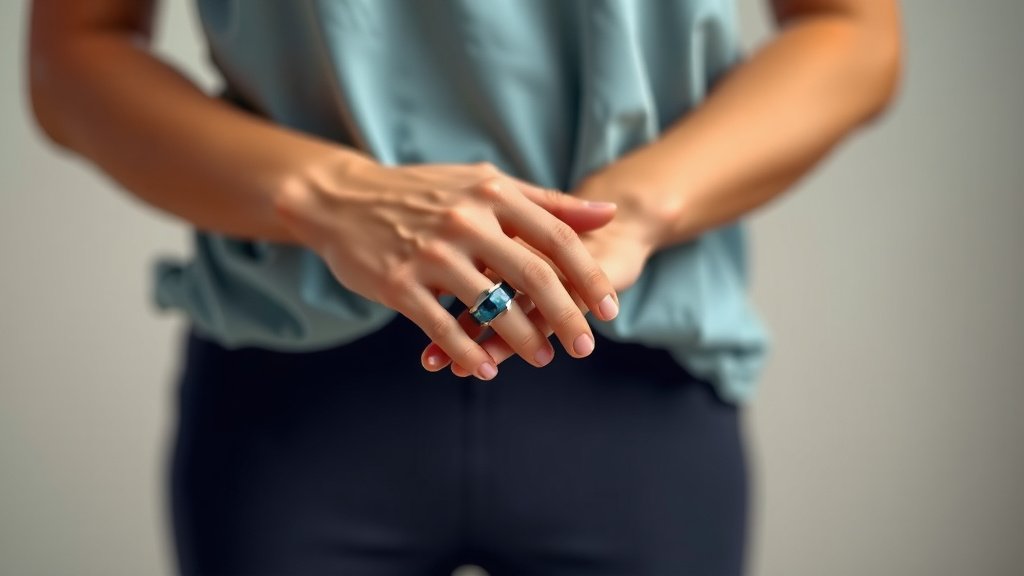
- Width: thin bands (about 2–3mm) feel barely there; wider bands look more traditional.
- Thickness: thicker rings feel more durable but bulkier.
- Fit style: choose half sizes or breathable grooved bands if your fingers swell.
- Color: neutral tones blend in; bright colors show personality.
- Breathability: airflow channels cut down on trapped sweat.
- Multipacks: buying a set lets you match outfits or replace a torn ring instantly.
One Tiny Anecdote Worth Sharing
We came across a nurse online who said her silicone ring survived ten years of hand sanitizer, latex gloves, and code blues — while her grandmother’s gold band sat safely in a jewelry box. Her quote stuck with us: “The ring is the promise, not the metal.”
That’s really the heart of it. Whether you choose silicone for safety, comfort, or budget, you’re not trading down. You’re choosing a band that fits your actual life.
Conclusion
A silicone ring isn’t a lesser version of a wedding band. It’s a smarter choice for the way you actually live — safe under pressure, comfortable all day, and easy on your wallet. You can grip a barbell, fix a leaky pipe, or change a diaper without worrying about snagging, swelling, or scratching something precious.
The tradeoffs are real, but they’re small. The ring wears out and gets replaced. The promise behind it doesn’t. If you’ve been hesitating, grab a multipack, test a few widths and colors for a week, and see how it feels. Your finger will thank you — and you might never look back.
Frequently Asked Questions
How long does a silicone ring actually last?
With daily wear, most silicone rings hold up for one to two years before they stretch or tear. Heavy use at the gym or on the job can shorten that. The upside is replacement costs about the same as a pizza night.
Can I wear a silicone ring in the shower or pool?
Yes. Silicone handles water, chlorine, and salt without breaking down or losing its shape. Just give it a quick rinse with soap if it gets grimy, and let it dry fully before storing it.
Do silicone rings stretch out over time?
They can, especially if you tug or roll them off your finger regularly. Rolling it forward and peeling it off gently helps it keep its shape. If it starts feeling loose, it’s usually time for a fresh one.
Are silicone rings safe for pregnant women with swollen fingers?
Many expecting moms switch to silicone for exactly this reason. The flexible material gives room as fingers swell, so it won’t cut off circulation like a snug metal band can. Still, if swelling is sudden or severe, call your doctor.
What size silicone ring should I buy if I’m between sizes?
When you’re between sizes, most wearers prefer going slightly snug, since silicone loosens a bit with wear. Brands with half sizes or Exchange-style policies make trial and error painless. If your fingers swell often, a breathable grooved band in your smaller size is a solid pick.