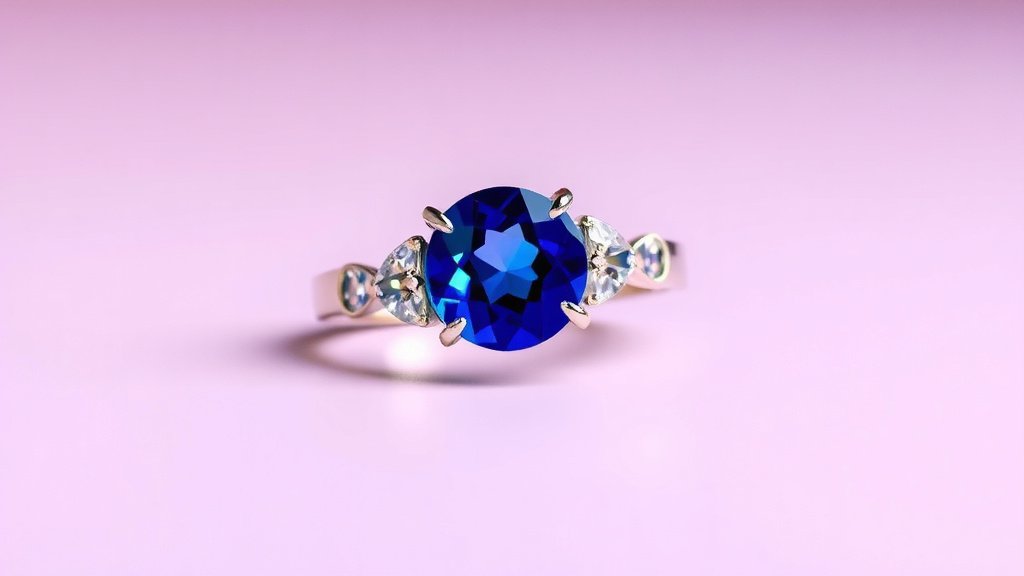
Why Choose a Sapphire Over a Diamond for Your Ring
Want a bigger, brighter stone for less money? Choosing a sapphire over a diamond gives you a harder, more colorful gem at a fraction of the price. We found that a top-quality sapphire can cost up to 80% less than a similar-looking diamond.
And no, this isn’t a downgrade. Sapphires come in nearly every color, from deep blue to soft pink. Many experts say they’re actually tougher for everyday wear than diamonds, since they resist chips and scratches better in some cases. If you’re shopping for an engagement ring, that matters a lot.
TL;DR — Why pick a sapphire over a diamond?
- Sapphires cost far less than diamonds of similar size and quality.
- They come in many colors, not just blue.
- They’re one of the hardest gems on Earth, so they hold up to daily wear.
- You can often get a larger, eye-catching stone for the same budget.
- They’re an ethical and budget-friendly pick for engagement rings.
Still on the fence? We get it — diamonds have been “the default” for over a century. But below, we break down everything you need to know about choosing a sapphire over a diamond, step by step, so you can decide with confidence.
The Case for Picking a Sapphire Instead of a Diamond
If you’re weighing a sapphire against a diamond, the short answer is this: a sapphire gives you more color, more size, and more money left in your pocket. Diamonds are beautiful. But you pay a premium mostly for marketing and tradition, not just beauty.
Think of it like buying a car. One brand charges extra for the badge. Another delivers the same ride for less. Sapphires are that second option — and we found the differences go deeper than price.
How Sapphires and Diamonds Actually Compare
Here’s a quick side-by-side so you can see the real differences at a glance.
| Feature | Sapphire | Diamond |
|---|---|---|
| Hardness (Mohs scale) | 9 | 10 |
| Colors available | Blue, pink, yellow, green, white, and more | Mostly white/colorless |
| Price per carat | Far lower | High |
| Durability for daily wear | Excellent | Excellent, but can chip along grain lines |
| Ethical sourcing | Often easier to trace | Varies widely |
The Price Gap: What You’ll Really Pay
This is where sapphires shine. A one-carat, high-quality diamond often runs $4,000 to $6,000 or more. A similar-size sapphire of great quality? We found that many fall between $500 and $2,500, depending on color and origin.
What does that mean for you? It means a bigger stone for the same budget. You could get a 2-carat sapphire for the price of a modest half-carat diamond. That’s not a compromise — that’s a win.
Why Diamonds Cost So Much More
Diamond prices aren’t just about rarity. A famous mid-20th-century ad campaign built the idea that diamonds are the only “proper” engagement stone. Decades of that messaging shaped what we expect.
Sapphires never had that marketing machine. Their prices reflect supply, demand, and quality — not a slogan.
Where the Savings Go Farthest
You’ll save the most on larger stones. Diamond prices jump sharply at popular sizes like one carat. Sapphire prices climb more gently, so going bigger costs you less extra.
Durability: Can a Sapphire Handle Daily Life?
Yes — and honestly, better than most people expect. Sapphires rank 9 on the Mohs hardness scale. Only diamonds scratch them. For an engagement ring you wear every single day, that matters a lot.
Here’s a fun twist many people don’t know: diamonds are the hardest gem, but they can still chip or cleave if you hit them at the right angle. Sapphires don’t have that same weak direction. Many experts say this makes them a smart pick for hands-on lifestyles.
Everyday Scenarios to Think About
- Gardening and yard work: both stones survive, but sapphires resist chipping well.
- Gym and sports: sapphires hold up nicely, though removing any ring is smart.
- Washing dishes: sapphires tolerate soap and water without issue.
- Desk jobs: either stone will last decades.
Color Choices You Won’t Get With Diamonds
Want a stone that actually means something to you? Sapphires come in nearly every color of the rainbow. Blue is the classic, but that’s just the start.
- Blue — timeless and elegant, from royal to navy shades.
- Pink — romantic and popular for engagement rings.
- Yellow — warm and sunny, often the most affordable.
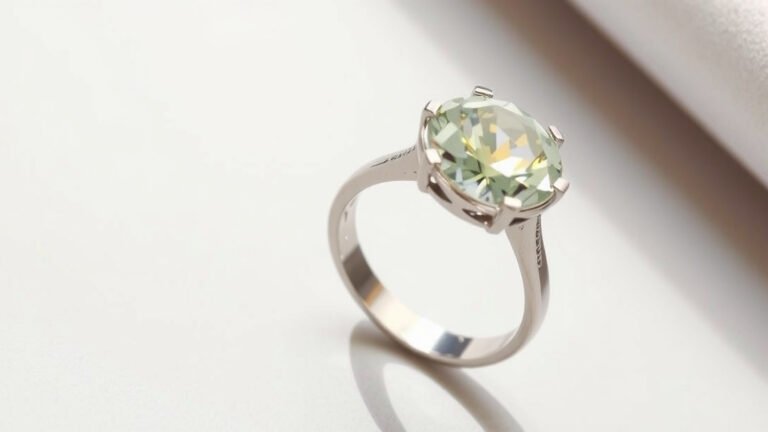
- White — looks diamond-like but costs far less.
- Peach and padparadscha — rare sunset hues collectors love.
Diamonds come in fancy colors too. But natural pink or blue diamonds cost more than houses. Sapphires give you that color story at a humane price.
Ethics and Sourcing: A Cleaner Conscience
Where your stone comes from matters. Many sapphires come from well-documented sources in Montana, Sri Lanka, and Australia. We found that smaller-scale sapphire mining often has a shorter, easier-to-trace supply chain than diamond mining.
Lab-grown sapphires are another option. They’re chemically identical to natural ones and sidestep mining questions entirely. If that appeals to you, ask any jeweler for lab-created stones — they’ll know exactly what you mean.
Questions to Ask Your Jeweler
Before you buy, ask these three things: Where was this stone mined? Is there paperwork on its origin? And is it natural, heat-treated, or lab-grown? A good jeweler will answer all three without hesitation.
Smart Care Tips to Keep Your Sapphire Gorgeous
Sapphires are low-maintenance, but a little care goes a long way. Warm water, mild dish soap, and a soft brush are all you need (Gemological Institute of America guidance on home gem care agrees).
Avoid harsh chemicals like bleach, which can damage some treatments on the stone. And store your sapphire away from other jewelry so nothing scratches anything else. Simple habits, decades of shine.
Quick Checklist Before You Buy a Sapphire
- Check the color first — it drives most of the value.
- Ask if the stone is heat-treated (common and acceptable).
- Look at the stone in natural daylight, not just store lighting.
- Request certification from a trusted gem lab when possible.
- Compare a few sellers before you commit.
- Choose a protective setting, like a bezel or halo, for daily wear.
Who Should Pick a Sapphire?
Sapphires fit you if you want color, size, and value in one ring. They’re perfect for engagement rings, anniversary gifts, or a “just because” piece that doesn’t drain your savings.
Diamonds still make sense if you love that classic sparkle and don’t mind paying for it. But if you’ve ever looked at a diamond price tag and felt your stomach drop — a sapphire might be exactly what you’ve been hoping for.
Conclusion
Choosing a sapphire over a diamond isn’t settling — it’s shopping smarter. You get a stone that’s nearly as hard, far more colorful, and easier on your wallet. We found the biggest wins come down to size, price, and peace of mind: a bigger center stone, thousands saved, and sourcing you can actually trace. And with simple care, that sapphire will look stunning for decades. So here’s our advice: visit a few jewelers, look at sapphires in person under daylight, and compare them side by side with diamonds. There’s a good chance you’ll walk out with a sapphire — and money left over.
Frequently Asked Questions
Will a sapphire look fake or less special than a diamond?
Not at all. Sapphires have a rich, deep glow that many people find even more striking than a diamond’s sparkle. Celebrities have worn famous sapphire engagement rings for years, and nobody questions their beauty.
Do sapphires lose their shine or get cloudy over time?
No, a sapphire won’t fade or cloud with normal wear. Its color is part of the stone itself, not a coating. A quick clean with warm soapy water brings back its full luster anytime.
Can I get a sapphire appraised and insured like a diamond?
Yes, you can. Most jewelers and independent appraisers value sapphires regularly, and insurance companies cover them the same way they cover diamond rings. Just get a written appraisal after your purchase.
Is a lab-grown sapphire a good idea, or should I stick with natural?
Both are solid choices. Lab-grown sapphires are chemically identical to natural ones and usually cost even less. Natural stones appeal to buyers who want something formed by the earth, but either option wears the same.
Will a sapphire engagement ring feel dated in a few years?
Unlikely. Colored stone rings have been popular for generations and keep cycling back into style. Because you pick the color that suits your taste, your ring reflects you rather than a trend.