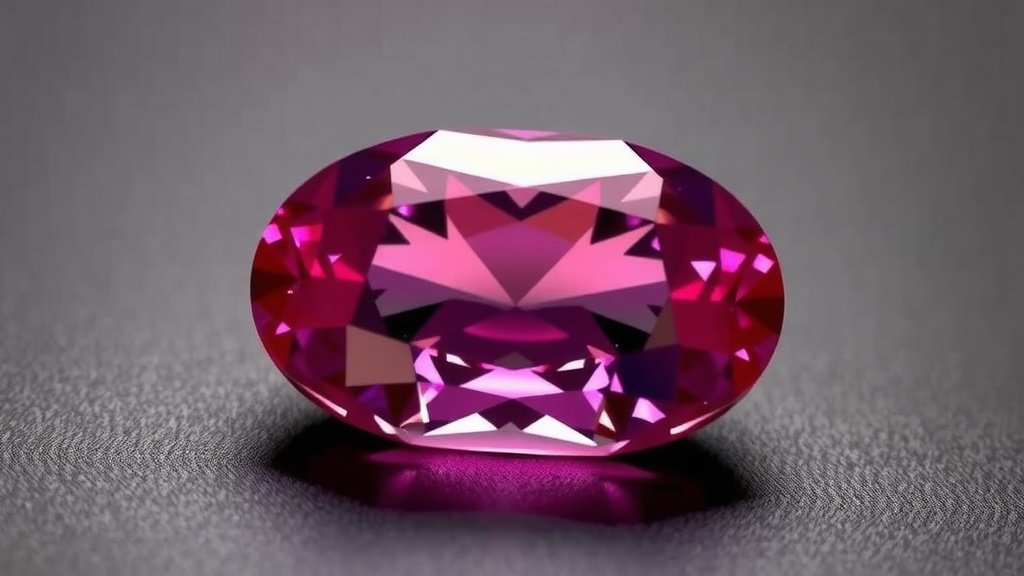
Where to Certify a Gemstone: Top Labs and Costs Explained
You can certify a gemstone at independent gemological laboratories like GIA, IGI, AGS, or AGL. These labs examine your stone and issue a report confirming its identity, quality, and characteristics. Most jewelers can help you send your gem in if you don’t want to do it yourself.
Why bother getting a certificate? Because a lab report protects you when buying, selling, or insuring a gemstone. We researched the major labs and found that costs and turnaround times vary quite a bit, so picking the right one matters. Some labs are better for diamonds, while others specialize in colored stones like sapphires and emeralds.
- GIA is the most trusted name, especially for diamonds.
- IGI and AGL are solid options for colored gemstones.
- Certification typically costs anywhere from $50 to a few hundred dollars.
- Local appraisers can certify gems or help you ship them safely.
- Always check that a lab is independent and not tied to the seller.
Below, we walk you through exactly where to go, what each lab charges, and how to pick the best option for your stone. Let’s make this simple (and maybe even a little fun).
Best Places to Get Your Gemstone Certified
The best place depends on your stone. GIA leads for diamonds, while AGL and IGI are favorites for colored gems like sapphires and emeralds. All three are independent labs, meaning they have no stake in whether your stone sells high or low.
We researched how each lab works and found that the “best” lab is really the one matching your stone type and budget. Think of it like picking a doctor: you want the specialist who handles your exact issue.
GIA (Gemological Institute of America)
GIA is the gold standard. Its grading reports are accepted by virtually every jeweler, insurer, and auction house in the country. If you ever plan to sell your stone, a GIA report makes buyers breathe easier.
The tradeoff? Price and time. GIA reports for diamonds often run a few hundred dollars, and turnaround can take weeks during busy seasons. Colored stone reports exist too, but diamonds are clearly their home turf.
IGI (International Gemological Institute)
IGI is fast and budget-friendly. We found that IGI handles a huge volume of stones, including lab-grown diamonds, and often returns reports quicker than GIA. Their reports are widely accepted, just not quite as prestigious.
Many pawn shops and online sellers use IGI for exactly that reason: speed. If you need a report in a hurry, this is a solid pick.
AGL (American Gemological Laboratories)
AGL shines with colored stones. Sapphires, rubies, emeralds, and spinels get detailed treatment here, including origin analysis. Where did your sapphire actually come from? AGL can often tell you.
Many experts say AGL reports carry serious weight with auction houses and serious collectors. If your grandmother’s emerald might be worth real money, this is where we’d send it.
Getting a Gem Certified Near You
You don’t have to mail your stone yourself. Most cities have a certified gemologist appraiser who can either certify stones in-house or ship them to a major lab for you.
Search the American Gem Society website to find credentialed appraisers nearby. Local jewelers with GIA graduate gemologists on staff can also help. Just ask one simple question: “Is your appraisal independent?” If they also want to sell you a new stone, walk away politely.
What a Local Appraiser Actually Does
An appraiser estimates value for insurance. A certifying lab identifies and grades the stone itself. They overlap, but they’re not the same thing, and knowing the difference saves you money.
Many appraisers act as a middleman. They package and ship your gem safely to GIA or AGL, then explain the report when it comes back. That convenience usually costs a modest fee on top of the lab’s price.
How Much Does Gemstone Certification Cost?
Costs range from about $50 to several hundred dollars. Small colored stones cost less. Large diamonds cost more. Rush services cost the most of all.
| Lab | Best For | Typical Cost | Turnaround |
|---|---|---|---|
| GIA | Diamonds | $100–$400+ | 2–6 weeks |
| IGI | Lab-grown and small stones | $50–$200 | 1–3 weeks |
| AGL | Colored gemstones | $100–$300 | 2–4 weeks |
| Local appraiser | Convenience and shipping help | $50–$150 fee | Varies |
Prices shift over time, so always request a current quote before shipping anything. Ask what’s included, too. Some labs charge extra for origin reports or laser inscription.
How to Ship a Gemstone Safely
Shipping a gemstone sounds scary, but it’s routine. Labs receive thousands of parcels a year. The key is packaging it like your stone is made of eggshell, not sapphire.
- Use a padded shipping pouch or a small sealed plastic gem jar.
- Wrap everything in bubble wrap, then box it inside another box.
- Never write “gemstone” or “diamond” on the outside label.
- Buy full insurance for the replacement value.
- Use a signature-required service so it can’t vanish on a porch.
- Keep photos and a written description of your stone before it ships.
We found that most insurance policies require declared value and tracking. Skip both, and you’re gambling with your own money. Not the fun kind.
Should You Use a Jeweler to Send It?
If this is your first time, yes. A jeweler ships stones weekly and already has accounts with the major labs. Many will handle everything for a small service fee.
Just confirm the jeweler isn’t marking up the lab’s price. Ask for the lab’s invoice copy. Honest jewelers expect that question and won’t flinch.
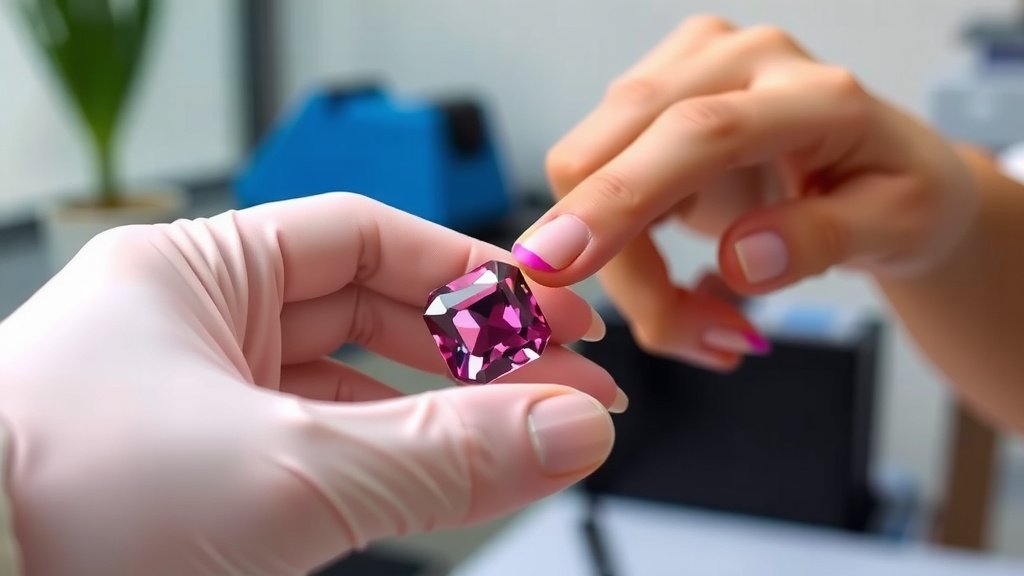
How to Read Your Gemstone Report
Your report lists the stone’s identity, carat weight, dimensions, and color grade. For colored stones, it may include treatments like heat or oiling, plus the country of origin. For diamonds, expect the famous 4Cs: cut, color, clarity, and carat.
Here’s a quick checklist to run through when your report arrives:
- Match the carat weight and measurements to your own stone.
- Check for any “treatment” or “comments” section — read every word.
- Verify the report number on the lab’s website lookup tool.
- Confirm the lab is independent, not owned by a seller.
- Store the paper copy somewhere fireproof and save a scanned copy.
That last item matters more than people think. Insurance claims and estate sales almost always ask for the original paperwork. Losing it turns a valuable document into a $200 lesson.
Red Flags: When a “Certificate” Isn’t Trustworthy
Not all labs are equal. Some sellers hand you a certificate from an in-house lab they own themselves. That’s like grading your own homework — technically possible, emotionally suspect. If you’re worried the stone itself isn’t genuine, our guide to how to spot a fake diamond covers simple checks you can do first.
- The lab name is vague or unsearchable online.
- The seller refuses to let you verify the report independently.
- The report praises the stone but skips grades or treatments.
- The certificate has no report number to check.
- Prices seem dramatically below market with a “certificate” attached.
Many consumer guides, including the FTC’s Jewelry Guides, remind buyers that sellers must be truthful about lab reports and treatments. If a deal feels too good, it usually is. Trust your gut, then trust an independent lab.
Is Certification Always Worth It?
Not every stone needs a report. A $60 amethyst ring doesn’t justify a $200 certification. But anything you plan to insure, resell, or pass down deserves one.
As a rough rule we found useful: if the stone’s value exceeds the certification cost by ten times or more, get the report. It pays for itself the first time an insurer or buyer asks for proof.
Conclusion
Getting a gemstone certified comes down to three things: pick an independent lab, match the lab to your stone, and ship it safely. GIA is the safest bet for diamonds, AGL handles colored stones beautifully, and IGI gets you a fast report without breaking the bank. If mailing your gem makes you nervous, a local appraiser can do the heavy lifting for a small fee. And always double-check that the lab has no ties to whoever is selling the stone. When your report arrives, verify the number online and store it somewhere safe.
Your next step? Look up your stone’s approximate value and request a quote from the lab that fits it best. A five-minute phone call today can save you thousands down the road.
Frequently Asked Questions
Can I get a gemstone certified online without shipping it anywhere?
Not really. A trustworthy certification requires hands-on examination by trained gemologists with proper equipment. Some sellers offer “online appraisals” from photos, but those aren’t lab reports and carry little weight with insurers or buyers. For a document that actually matters, the stone needs to physically reach the lab.
How long does gemstone certification take?
Most labs return a report in one to six weeks, depending on the lab and their current workload. GIA tends to run slower during busy seasons, while IGI usually turns stones around faster. If you’re on a deadline, ask about rush service — just know it costs extra.
Does a gemstone certificate expire?
No, a lab report never expires. It documents the stone’s characteristics at the time of examination, and those don’t change. What can change is the stone’s market value, so for insurance purposes you may want a fresh appraisal every few years.
Can a certified gemstone still be a bad deal?
Absolutely. A report tells you what the stone is, not what it’s worth. Sellers can still overprice a fully certified gem, and a certificate on a low-quality stone doesn’t make it a bargain. Use the report to compare stones fairly, then shop around on price.
Do lab-grown diamonds need certification too?
Yes, and it’s actually more important in some ways. Lab-grown stones should always come with a report that clearly states their origin, since their market value differs from natural diamonds. Both GIA and IGI grade lab-grown diamonds and note how they were created on the report.