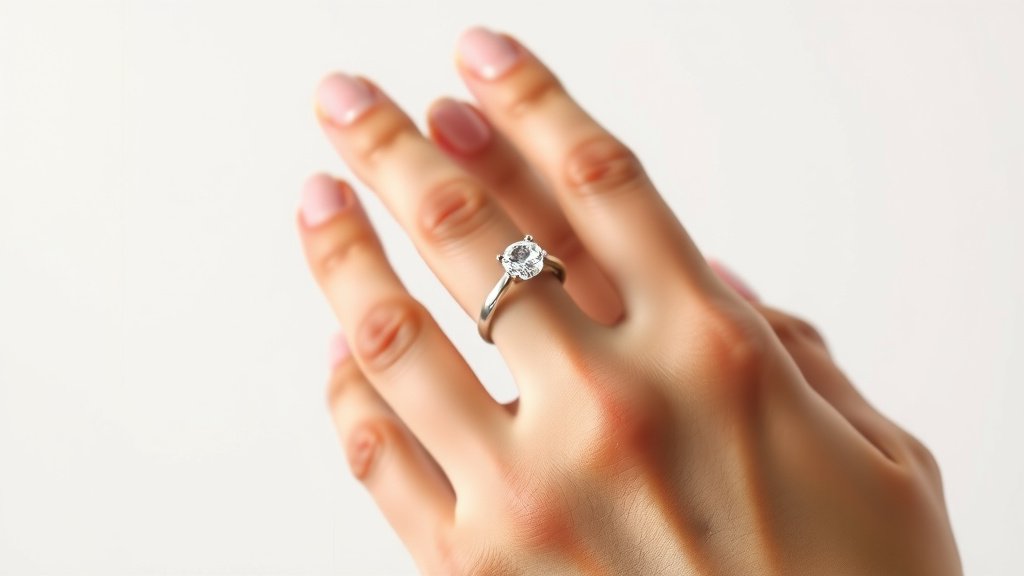
Easily Make Your Ring Bigger at Home
Yes, you can make a ring bigger at home with a few simple tools, or have a jeweler do it professionally. It’s often easier than you think to adjust your ring size, especially for bands made of softer metals like sterling silver or gold. Don’t let a snug ring cause you discomfort or worry!
Finding out that your favorite ring no longer fits can be frustrating, but there are several effective methods to resize it. Whether your finger swelled up or your ring shrunk in the dryer (just kidding!), we’ve got the solutions. We found that most common resizing issues can be solved relatively easily.
- You can DIY resize some rings.
- Jewelers offer professional resizing services.
- Metal type affects how easy resizing is.
- Consider comfort and metal durability.
Let’s walk through exactly how you can get your ring to fit perfectly again, step by step.
Adjusting Your Ring Size: A Practical Guide
So, your favorite ring feels a little snug? Don’t panic! We’ve researched various methods to help you make a ring bigger. The good news is that for many common ring materials, resizing is often quite achievable, whether you’re a DIY enthusiast or prefer professional help. Your comfort is key, and a properly fitting ring will feel so much better.
DIY Ring Sizing Methods: What You Can Do at Home
Sometimes, a ring just needs a little nudge to fit comfortably again. Several at-home techniques can help, especially for softer metals. These methods require minimal tools and can be surprisingly effective. Let’s look at some options you can try right in your own home.
The Cold Method: A Simple Temporary Fix
This is a very basic trick you can use when your finger feels a bit swollen. The idea is to cool your finger down. Think of it like icing a sore muscle; it reduces swelling. When your finger is cold, it becomes slightly smaller. You can achieve this by holding your hand in a bowl of ice water for a few minutes. Don’t overdo it, though – you don’t want numb fingers!
After a few minutes in the cold water, try gently sliding the ring off. This method is temporary, of course. As your hand warms up, your finger will return to its normal size. It’s a great quick fix if you need to take the ring off urgently but can’t resize it immediately.
Using Lubricants for Easier Removal
If a ring is just a bit tight, a good lubricant can sometimes make all the difference for removal. This isn’t a resizing method, but it’s crucial for getting a stuck ring off safely. We’ve found that common household items can work well. Think about things that are slippery but gentle.
Try using soap and cold water, hand lotion, or even petroleum jelly. Apply a generous amount around the ring and your finger. Gently twist and pull the ring off. The key is to be patient and not force it, as this can injure your finger. This method is also about safe removal rather than permanent sizing.
The String or Dental Floss Method: A Gentle Expansion Technique
This is one of the most popular DIY methods for slightly increasing a ring’s size. It works by adding a little extra “bulk” to your finger, making the ring fit more comfortably. Many people have had success with this simple technique. It’s especially useful if your ring is just slightly too small.
First, find some strong, thin material. Dental floss or a thin piece of sturdy string works best. Wrap the floss or string tightly around your finger, starting just below the ring and working your way upwards, towards your fingertip. You want to create a smooth surface. Don’t wrap it so tight that it cuts off circulation, but it should be snug. Once you have a few layers, you can use the end of the floss or string to carefully thread it *under* the ring. Gently pull the floss through, and the ring will follow, expanding the band slightly as it moves over the floss.
The floss essentially acts as a temporary shim. You’ll want to keep the floss in place as much as possible if you need to wear the ring. This method is surprisingly effective for a quick, minor adjustment. It’s important to remember that this is a temporary fix and might not work for very tight rings or thicker bands.
Commercial Ring Sizers: Specialized Tools
If you’re serious about DIY resizing, you can purchase specialized tools designed for this purpose. These kits often include small expanders or mandrels. They can help you gently widen a ring band. These tools allow for more controlled adjustments than simple string or floss.
You’ll typically insert the ring onto a cone-shaped expander. Then, you use a lever or handle to gradually increase the size. It’s important to work slowly and make small adjustments. Forcing the ring can damage it, especially if it’s made of a more brittle metal like platinum. Researching the specific tool and its instructions is vital for success. Many kits are available online and at jewelry supply stores.
When to Call the Professionals: Expert Ring Resizing
While DIY methods can be useful for minor adjustments or temporary fixes, professional jewelers offer the most reliable and effective way to resize a ring. They have the specialized equipment and expertise to ensure your ring looks beautiful and fits perfectly without damage.
The Jeweler’s Approach: Cutting and Soldering
For significant size changes or for rings made of harder metals, a jeweler’s skill is often necessary. The most common professional method involves cutting a small section out of the ring band. This is usually done at the bottom of the band, where it’s less visible. After removing the metal piece, the jeweler will expertly solder (weld) the remaining ends back together.
This technique allows for precise resizing, meaning you can often change a ring’s size by multiple sizes. It’s crucial that the jeweler has the right tools and experience. They must match the metal type and finish perfectly. A skilled jeweler can make the resizing almost undetectable. This method is suitable for most metal types, including gold, platinum, and sterling silver.
Adding Metal: For Significant Enlargements
Sometimes, a ring needs to be made considerably larger. In these cases, simply stretching the metal might not be enough or could weaken the band. Jewelers can also add metal to a ring’s band. They will carefully cut the band and then insert a new piece of matching metal. This new piece is then soldered into place, effectively increasing the ring’s circumference.
This process requires a high level of skill. The jeweler must source metal that perfectly matches the original ring in color, karat (for gold), and hardness. A successful addition will look like it was always part of the original design. This method is ideal when you need to increase the size by more than a half-size or full size. It ensures the integrity and beauty of your ring remain intact.
What About Different Metal Types?
The ease and method of resizing can depend on the metal your ring is made from. Some metals are more malleable than others.
| Metal Type | Ease of Resizing | Common Professional Method |
|---|---|---|
| Sterling Silver | Very easy. It’s a soft metal. | Cutting and soldering, or gentle stretching. |
| Gold (10K, 14K, 18K) | Moderately easy. Softer alloys are easier. | Cutting and soldering is most common for significant changes. |
| Platinum | More difficult. It’s a very hard and dense metal. | Requires specialized tools and techniques; cutting and soldering is preferred. |
| Titanium/Stainless Steel | Difficult to impossible to resize. These metals are very hard. | Often cannot be resized effectively without specialized equipment; replacement is usually recommended. |
We found that metals like sterling silver and softer golds are the most forgiving. Platinum, while beautiful, is denser and requires more specialized tools. For metals like titanium or stainless steel, resizing is often not feasible. Jewelers may recommend replacing the ring instead. Always discuss your ring’s metal composition with your jeweler.
Important Considerations Before You Resize
Before you attempt any resizing, or take your ring to a professional, there are a few things you should consider. These points will help ensure you get the best result and protect your jewelry.
Ring Design and Stone Settings
The design of your ring can significantly impact how it can be resized. Rings with intricate patterns, engravings, or certain stone settings might pose challenges.
For instance, if your ring has diamonds or gemstones set all the way around the band (known as a “full eternity” band), resizing it can be problematic. Cutting into the band to make it larger might disrupt the settings of these stones, potentially loosening them or even causing them to fall out. Many jewelers will advise against resizing such rings, or will only make very minor adjustments. Similarly, very thick or detailed bands might require more careful work. It’s always best to have your jeweler examine the specific design before proceeding.
Cost and Timeframe
The cost and time needed for resizing vary widely. Simple adjustments by a DIY method are essentially free. However, professional resizing involves labor and expertise, so there will be a fee. The price depends on the metal type, the complexity of the work, and how much the size needs to be changed.
A simple sizing-up job by a jeweler might cost anywhere from $20 to $100 or more. More complex work, like adding metal or dealing with platinum, could be higher. The time it takes can range from a few days to a couple of weeks, depending on the jeweler’s schedule and the intricacy of the repair. Ask for an estimate and a timeline upfront. Many jewelers offer a free initial consultation to assess the work needed.
Checking Your Ring Fit Post-Resizing
Once you’ve resized your ring, whether at home or professionally, the most important step is to check the fit. You want it to feel secure but not tight. Try to slide it on and off over your knuckle. It should have a little resistance coming over the knuckle, but then sit comfortably on your finger without spinning freely.
A good test is to try wearing it for a few hours. Does it feel comfortable throughout the day? Does it pinch or feel too loose? If it’s still not quite right, most jewelers will make minor adjustments to get it perfect. Don’t settle for a ring that isn’t completely comfortable. Your jewelry should bring you joy, not discomfort!
Quick Checklist for Resizing Your Ring:
- Assess the metal type of your ring.
- Consider the ring’s design and stone settings.
- Decide between DIY or professional resizing.
- Get a quote and timeline from a jeweler if needed.
- Always check the fit carefully after resizing.
- Ensure the ring feels secure and comfortable.
Conclusion
It’s reassuring to know that a ring that no longer fits doesn’t have to be a permanent problem. We’ve seen that you have options, from simple at-home tricks to professional jeweler services. Remember that softer metals like sterling silver and gold are generally easier to work with. For more challenging metals or significant size changes, a jeweler’s expertise is your best bet. Always consider your ring’s design and stone settings before proceeding. Ready to get that ring fitting perfectly again? Take your ring to a trusted jeweler for a professional assessment or to discuss your resizing options.
Frequently Asked Questions
How much does it usually cost to make a ring bigger?
The cost to make a ring bigger professionally varies. Simple resizing by a jeweler can range from about $20 to $100. More complex jobs, like adding metal or working with platinum, will cost more. Always ask for an estimate upfront from your jeweler.
Can I make my ring bigger without a jeweler?
Yes, you can try some DIY methods for minor adjustments. Techniques like the string or dental floss method can temporarily increase the size. Commercial ring sizer tools are also available for home use. These are best for slight adjustments and temporary fixes.
What is the easiest metal to resize?
We found that sterling silver is one of the easiest metals to resize. It’s quite soft and malleable. Softer gold alloys (like 10K or 14K) are also relatively easy to resize. Harder metals like platinum, titanium, and stainless steel are much more difficult or impossible to resize.
Will resizing damage my ring?
When done by a professional jeweler, resizing is typically very safe and causes no damage. They use specialized tools and techniques to ensure your ring’s integrity. DIY methods, if done too forcefully, could potentially scratch or slightly alter the ring’s shape.
How do I know if my ring is too tight?
A ring is too tight if it’s difficult to slide over your knuckle, causes discomfort or pinching, or leaves red marks on your finger after you take it off. You should be able to comfortably slide it over your knuckle with slight resistance, and it should sit snugly on your finger without spinning freely.