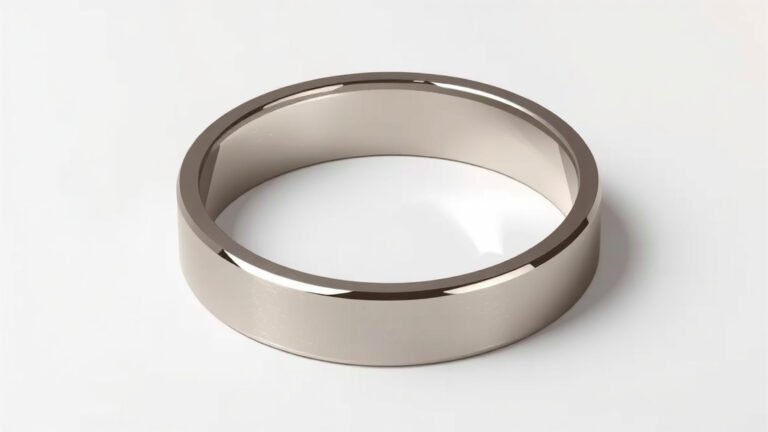

Which Ring Finish Hides Scratches Best? An Expert Guide
Brushed and satin finishes hide scratches best on a ring. Their tiny textured lines camouflage everyday wear instead of showing every mark. That’s why matte-style finishes stay looking newer far longer than a shiny polished one. If you want a ring that keeps its fresh-out-of-the-box look, brushed is your friend.
Here’s the trade-off: a polished finish shows scratches fast, but you can buff them out at a jeweler. A hammered or sandblasted finish hides wear too, and some finishes actually change look as they age. We researched what jewelers and long-term ring wearers say, and the pattern is clear. Texture beats shine when it comes to hiding life’s little dings.
TL;DR — quick answers before you scroll:
- Brushed or satin finishes hide scratches the best.
- Polished finishes show scratches soonest but are easiest to refinish.
- Hammered finishes hide wear and look stylish doing it.
- Softer metals like gold scratch more than titanium or tungsten.
- Your lifestyle matters as much as the finish itself.
Below, we break down each popular ring finish, how it handles scratches, and which one fits your daily routine. By the end, you’ll know exactly what to pick.
Finishes That Keep Scratches Hidden on Your Ring
The short answer: textured finishes win, and brushed is the top pick. Its fine, grainy surface blends new scratches into the existing pattern. You barely notice them, even after months of daily wear.
We dug into what jewelers and long-term wearers report, and one theme kept coming up. A ring’s finish decides how visible a scratch is, not whether the scratch exists. Every ring gets marked. Some finishes just forgive better than others.
Brushed and Satin: The Camouflage Champions
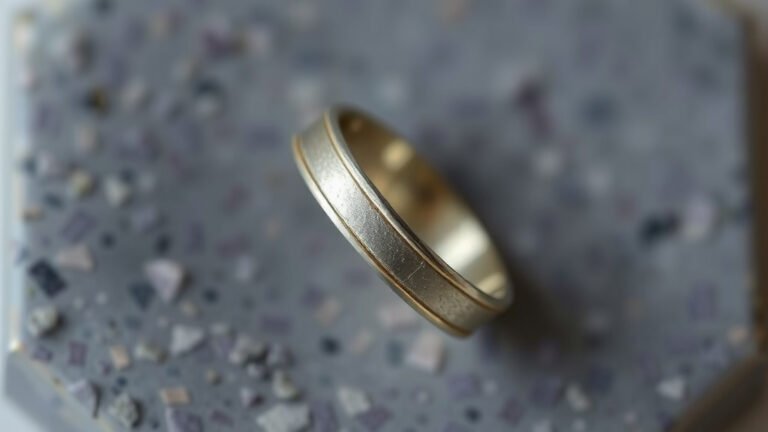
Brushed metal has thousands of tiny parallel lines, like a vinyl record’s grooves. When a new scratch lands, it blends right into that texture. Satin finishes work the same way, just with a softer, slightly silkier look.
We found that many jewelers recommend these finishes for people who want a low-maintenance ring. The trade-off? Brushed metal can look a little matte and less flashy. If you love sparkle, this may feel like wearing your ring in “stealth mode.”
Why Texture Works So Well
Think of it like a busy patterned shirt versus a plain white tee. A drip of sauce vanishes into the pattern but screams on the white shirt. Flat, shiny metal is the white tee. Textured metal is the pattern.
There’s also a light trick at play. Rough surfaces scatter light in many directions, so no single scratch stands out. Polished surfaces reflect light like a mirror, which makes every flaw pop.
Polished: Gorgeous, But It Tells on You
A polished ring looks stunning on day one. By week two, it often looks like a used mirror. Hairline scratches show up fast under that glass-smooth shine.
Here’s the redeeming quality, though. Polished finishes are the easiest to refinish. A jeweler can buff and re-polish the surface so it looks brand new again. Many people do this once a year, often around an anniversary.
So ask yourself: do you want a ring that hides wear, or one that you can restore on demand? Polished fits the second path perfectly.
Hammered and Sandblasted: Scratches Welcome Here
Hammered rings have little dimples and peaks, like tiny dunes across the band. Sandblasted rings have a frosty, pebbled texture. Both finishes absorb scratches into their already-rough look.
One long-time hammered-ring wearer we read about joked that scratches just “joined the crowd.” That’s the appeal. The finish is designed to look imperfect on purpose, so real wear fits right in.
Sandblasted finishes do have one quirk. Over years, the texture can slowly smooth out and start to look semi-polished. Some people love this aged look. Others go back to their jeweler for a quick re-blast.
How Each Finish Handles Scratches at a Glance
| Finish | Hides Scratches? | Easy to Refinish? | Best For |
|---|---|---|---|
| Brushed / satin | Excellent | Moderate | Everyday wearers who hate babying a ring |
| Polished | Poor | Very easy | Fans of shine who don’t mind upkeep |
| Hammered | Excellent | Rarely needed | Rustic, textured style lovers |
| Sandblasted | Very good | Easy re-blast | Modern, matte looks |
| High-domed polished | Fair | Easy | Classic traditionalists |
The Metal Underneath Matters Too
A great finish can only do so much on a soft metal. Hardness and finish work as a team. Pick one well and the other poorly, and you’ll still see wear.
Soft Metals Scratch More Often
Gold and silver sit low on the Mohs hardness scale. Pure gold rates around a 2.5 to 3, which is softer than a steel butter knife (USGS explains the Mohs scale this way). Softer metals pick up everyday dings from keys, doors, and dumbbells.
That’s not a dealbreaker. It just means a soft metal ring needs a scratch-friendly finish even more. Brushed 14k gold is a popular combo for exactly this reason.
Hard Metals Resist Scratches but Can Snap
Tungsten and titanium laugh at scratches. Tungsten carbide is extremely hard, which is why it stays shiny-looking for years. The catch: very hard metals can crack or chip under a sharp blow, and they can’t be resized easily.
Also worth knowing: some tungsten rings use cobalt binders, which can react with skin in rare cases. The Mayo Clinic notes that metal allergies, especially to nickel and cobalt, are among the most common contact allergy triggers. Ask your jeweler what’s inside the alloy before you buy.
Matching the Finish to Your Real Life
Honest question: what do your hands actually do all day? The right finish depends on your routine more than on any chart.
- Desk and keyboard people: Polished is workable, but satin hides laptop-edge dings better.
- Gym regulars and DIYers: Brushed or hammered, no question. Barbells are scratch machines.
- Parents and pet owners: Sandblasted hides the chaos of daily grabby hands and paws.
- Outdoorsy types: Hammered on a hard metal like titanium is a tough, forgiving pair.
- Formal-dress professionals: Polished with a yearly buff keeps the shine you want.
Many experts say your lifestyle should pick the metal first, then the finish. A nurse who washes her hands fifty times a day lives a different ring life than a graphic designer. Choose accordingly.
Your Pre-Purchase Checklist for a Scratch-Hiding Ring
Before you hit buy, run through this quick list. Two minutes now saves regret later.
- ✅ Pick a brushed, satin, or hammered finish for maximum scratch camouflage.
- ✅ Match the metal hardness to your hands-on level, not just your style.
- ✅ Ask about alloy contents if you’ve ever had a jewelry rash.
- ✅ Confirm the jeweler offers refinishing or re-texturing services.
- ✅ Consider how the finish changes as it ages — some just get better.
- ✅ When in doubt, try wearing a similar finish for a week first.
Keeping Any Finish Looking Its Best
Whatever you pick, a little care goes a long way. We found the same tips echoed across jeweler guides, and they’re refreshingly simple. For the bigger picture, our guide to how long wedding rings last covers lifespan by metal and care habits.
Take your ring off for heavy hand work, gym sessions, and gardening. Store it somewhere soft and separate so other jewelry can’t scratch it. Clean it with mild soap and warm water, then pat it dry with a lint-free cloth.
Skipping harsh chemicals is another big one. Chlorine and cleaning agents can dull or pit certain metals over time. When your hands are headed into a cleaning bucket, your ring should head to the dish instead. Small habits like these add years of good looks to any finish — even the forgiving ones.
Conclusion
Here’s the bottom line: brushed and satin finishes hide scratches best, with hammered and sandblasted close behind. Polished rings look stunning but show every mark, and softer metals like gold need a forgiving finish even more. We found that pairing the right texture with the right metal beats any single choice alone. Your daily routine should drive the decision, not just the shine factor. So before you buy, be honest about what your hands do all day, then pick a textured finish on a metal that can keep up with them. Your future self will thank you every time you glance down.
Frequently Asked Questions
Can a jeweler remove scratches from a brushed ring?
Yes, but it’s a bit different than polishing. A jeweler can re-brush the surface to restore the original grain pattern. Many people find this unnecessary, though, since new scratches blend into the texture on their own.
Do scratches on a hammered ring get worse over time?
Not really in a noticeable way. The dimpled surface already has depth and shadow, so new marks just blend into the existing pattern. Most hammered-ring owners say the ring develops character instead of looking damaged.
Which ring finish is best for someone who works with their hands?
A brushed finish on a hard metal like titanium is your safest bet. The texture camouflages marks while the metal resists deep gouges. Hammered finishes work well too, especially if you like a more rugged style. Our complete guide to titanium rings explains how this lightweight metal handles scratches and daily wear.
Will a matte ring look dull after a few years?
It depends on the finish. Sandblasted rings can slowly smooth into a semi-polished look, which some people actually prefer. Brushed finishes tend to hold their appearance longer because the grain pattern is cut into the metal, not just applied.
Is it worth paying more for a scratch-resistant finish?
In our research, the price difference was usually small compared to the payoff. A scratch-friendly finish means fewer trips to the jeweler and less anxiety about everyday wear. If you plan to wear your ring daily for years, it’s one of the smartest upgrades you can make.