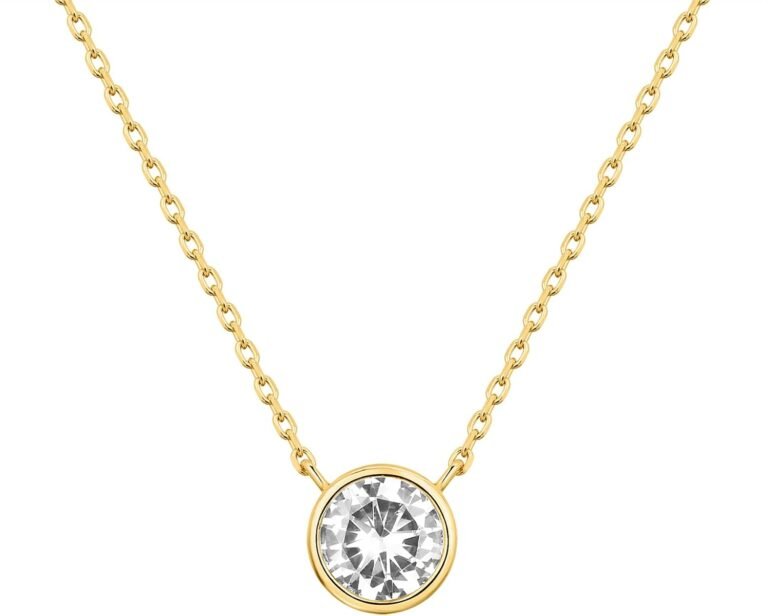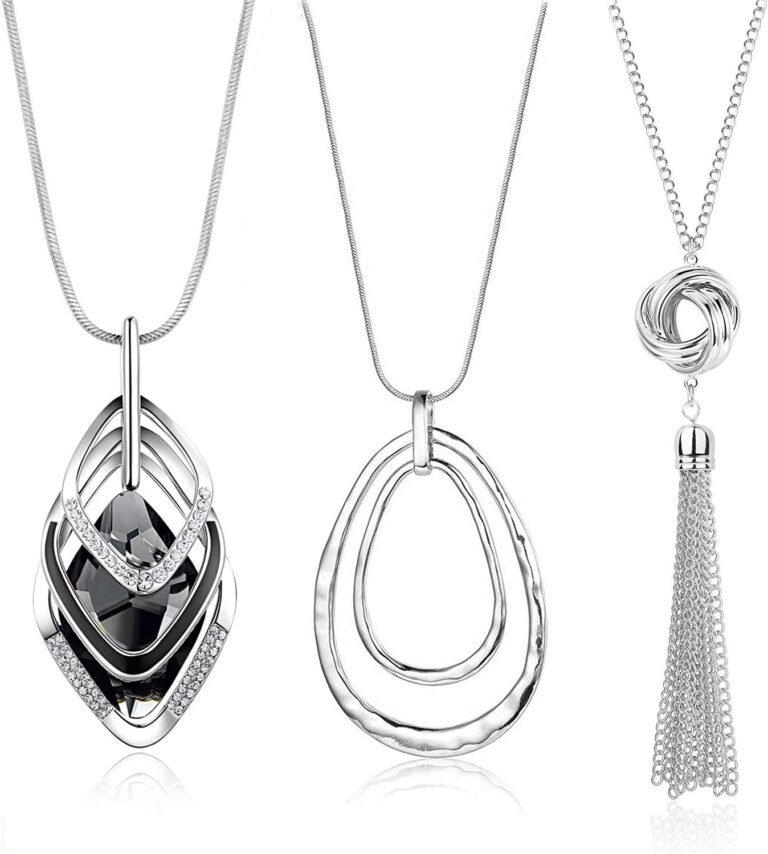
Pendant vs Necklace vs Amulet: Key Differences
A pendant is the decorative charm that hangs from a chain, a necklace is the chain itself, and an amulet is any piece of jewelry worn for protection or luck. So, the real difference comes down to what the piece does and how it’s built. A necklace is the complete piece around your neck, a pendant is the part that dangles, and an amulet is all about its spiritual purpose. We found that most people use these words interchangeably, but they aren’t quite the same thing.
The easiest way to think about it is like a car. The necklace is the entire vehicle, and the pendant is the accessory attached to it. An amulet, on the other hand, isn’t defined by its physical form but by its intended function—whether that’s warding off bad vibes or bringing good fortune. We found that any pendant or necklace can become an amulet if you believe it holds protective powers, which is why the lines get blurry.
- Necklace: The complete jewelry piece worn around your neck, including the chain and any attachments.
- Pendant: The specific ornament or charm that hangs from the necklace chain.
- Amulet: Any necklace or pendant worn specifically for protection, luck, or spiritual beliefs.
- Key difference: It’s about structure versus purpose—what it is versus what it does for you.
- Overlap: A pendant on a chain is both a necklace and can serve as an amulet if that’s your intention.
Below, we break down each term in plain English so you’ll know exactly what you’re shopping for and what to call it. Let’s walk through the differences so you can pick the right piece with total confidence.
Breaking Down the Necklace, Pendant, and Amulet Difference
You might be surprised, but we found that the confusion between these three terms is totally normal. Jewelry stores mix them up, and even fashion blogs use them incorrectly all the time. The core distinction is simple once you picture it in your head.
A necklace is the whole package—the chain, cord, or metal links that wrap around your neck. Without any extra decorations, a necklace stands on its own. Think of it as the foundation piece.
What Makes a Pendant a Pendant
A pendant is the hanging ornament that attaches to a necklace. It dangles, swings, and sits against your chest. The pendant is not the chain—it’s only the decorative part attached to it.
We found that many people call a charm a pendant, and that’s mostly correct. But there’s a small difference. A charm usually has a more playful or personal meaning, while a pendant is often a more formal piece like a gemstone, locket, or cross. Both hang, but pendants tend to be more substantial.
Can You Wear a Pendant Without a Necklace?
Technically, no. A pendant needs a chain or cord to hang from. Without a necklace, a pendant is just an ornament sitting in your jewelry box. You could attach a pendant to a bracelet or anklet, but then it stops being a pendant and becomes a charm on that piece.
Finding the Necklace and Pendant Pairing
When you buy a pendant, you might need to purchase a chain separately. Pendant necklaces are the complete package—the chain plus the hanging piece already attached. We found that many online stores sell them together, which saves you the headache of matching metals and clasps. Our guide to the best necklaces for a glass pendant covers secure settings and chain weights.
Here’s what to check before buying a pendant necklace:
- Make sure the chain weight matches the pendant size
- Check if the bail (the loop holding the pendant) is sturdy
- Look for a clasp that feels secure on the chain
- Consider the chain length where the pendant will sit
- Verify the metal quality matches your skin type
How an Amulet Changes Everything
Here’s where the game changes. An amulet is not about how the jewelry looks—it’s about what the jewelry does for you spiritually. That’s the biggest difference between these pieces.
Any necklace or pendant can become an amulet if you wear it for protection, luck, or spiritual meaning. The physical form doesn’t matter. What matters is your intention and belief in the piece’s power.
Traditional amulets have been used for thousands of years. Different cultures hold different items as protective. The evil eye charm, for example, is a popular amulet that many wear to deflect negativity. Horseshoes, crosses, and certain gemstones also serve as amulets depending on the belief system.
The Intention Behind Every Amulet
We found that the amulet meaning depends on the wearer. You might wear a simple pendant necklace because your grandmother gave it to you and you feel safe with it. In that case, that pendant is also an amulet. The jewelry’s structure didn’t change—only your relationship with it did.
Many experts say the amulet effect comes from psychological comfort. A study on protective charms suggests that wearing an item you believe helps you can actually boost your confidence and performance (NIH). That belief is the amulet’s real power.
Do Amulets Have to Be Jewelry?
Not at all. Amulets can be stones, coins, feathers, or even a small piece of paper in your wallet. The amulet definition is about purpose, not form. But when jewelry is involved, that’s when the amulet necklace becomes a meaningful accessory.
Religious and Cultural Amulet Uses
Amulets show up in nearly every major world tradition. In many Christian communities, a saint medal on a necklace serves as a protective amulet. Buddhist and Hindu traditions often use prayer beads or specific symbols in the same way.
There are also regional amulets like the hamsa hand in Middle Eastern and North African cultures, which represents protection against evil. The noble rabbit’s foot has a long history in Western folk beliefs, although many modern wearers just see it as a quirky charm.
We found that the common thread is hope and security. Humans naturally attach meaning to objects. Wearing a physical reminder of that meaning can help you feel more centered and grounded during stressful moments.
Pendant Necklace vs Amulet Necklace: Seeing the Difference
Let’s say you buy a simple gold chain with a small tree of life disc hanging from it. This is definitely a pendant necklace. The chain carries the pendant. But is it an amulet?
If you wear it only because it looks nice with your outfits, it’s just a pendant necklace. If you wear it because the tree of life represents growth and stability to you, and you feel more supported with it on—then yes, it functions as an amulet too.
The same physical piece can switch roles. We found that your mindset determines the category in that moment. That’s what makes this topic so flexible and personal.
What About a Charm Necklace?
This is where people get really tripped up. A charm necklace has small decorative pieces that hang from it. These charms can hold personal meanings, like a tiny airplane representing your travels or a heart for a loved one.
Charms are basically a subset of pendants. A single charm is a pendant. A charm bracelet or necklace is just a necklace with multiple pendants. If those charms are meant to protect you—like a silver hamsa or a saint medal—then that charm necklace is also an amulet necklace.
Shopping Smarts for Necklace and Pendant Cases
When you shop, look for clear product descriptions. If a listing says “pendant only,” that means you need to supply the chain. If it says “necklace,” you’re getting the complete wearable piece. This clarity saves you from awkward surprises when your package arrives.
| Product Type | What You Get | Considered an Amulet? |
|---|---|---|
| Necklace (plain chain) | Chain only, no hanging parts | Only if you attribute meaning to it |
| Pendant only | Ornament, no chain included | Only if you add a chain and intention |
| Pendant necklace | Chain with a hanging ornament | Only if worn for protection or luck |
| Amulet necklace | Any necklace worn with spiritual intent | Yes, by definition |
Picking Between These Three for Your Next Purchase
Your choice comes down to what matters most to you. If you want a simple everyday accessory, a plain necklace without a pendant is clean and versatile. If you want visual interest, go for a pendant necklace with a gemstone or design that speaks to your style.
If you’re dealing with a stressful period—an interview, a medical challenge, or travel—you might want an amulet. And the good news is you don’t have to choose differently. Pick a pendant necklace that already holds meaning for you, and wear it with intention. It becomes your amulet.
Materials and Durability in Necklace and Pendant Care
We found that material affects both durability and potential amulet use. Gold and platinum resist tarnish, making them great for daily wear. Silver is beautiful but softer and needs occasional polishing. Stones like obsidian or jade are popular for amulets because of their believed protective qualities.
Caring for your piece is straightforward. Clean it with a soft cloth and mild soap. Avoid wearing it in the shower or swimming pool—chlorine wrecks jewelry finishes. Store it in a separate pouch to prevent scratches and tangles.
Quick Wear and Style Wins
- Layer a short pendant necklace with a longer chain for depth
- Match your pendant metal to your other rings or earrings
- Choose a longer chain if you want the pendant to sit lower
- For an amulet, pick a symbol that genuinely resonates with you
- Keep formal pieces separate from everyday casual chains
Once you understand the necklace, pendant, and amulet relationship, you’ll shop smarter and wear your jewelry with more confidence. Whether you call it a charm, a pendant, or a lucky amulet, what matters is how the piece makes you feel when you put it on.
We found that most jewelry lovers end up owning all three types at once. A simple chain for work, a favorite pendant for weekends, and a precious amulet for the moments when you need extra assurance. That versatility is what makes this category of jewelry so fun to collect and wear.
Conclusion
You now know the real difference. A necklace is the complete piece around your neck. A pendant is the ornament that hangs from it. An amulet is any piece you wear with intention for protection or luck. These categories overlap a lot, and that’s okay.
The best approach is to shop based on what you want the piece to do. If you want style, pick a pendant necklace you love. If you want comfort and meaning, choose a symbol that matters to you and wear it as your amulet. Your belief gives it power.
Before your next jewelry purchase, ask yourself one question: Am I buying this for looks, for meaning, or both? That answer will guide you to the right piece every time.
Frequently Asked Questions
Can you wear an amulet and a pendant at the same time?
Yes, you can absolutely layer them. You might wear a protective amulet on a shorter chain and a decorative pendant on a longer one. Just make sure the metals don’t clash and the chains don’t tangle. This is a popular way to combine style and spiritual meaning.
Is a locket considered a pendant or an amulet?
A locket is technically a pendant because it hangs from a chain and opens to hold photos or small keepsakes. It becomes an amulet if you wear it to feel close to a loved one or to carry their memory with you. Many people treat lockets as both, which is totally fine.
What’s the difference between a talisman and an amulet?
The words are often used the same way, but there’s a small distinction. An amulet is worn to protect you from negative energy or harm. A talisman is usually designed to attract something positive, like luck, love, or success. Both work through your personal belief in their power.
Do pendants need to be made of precious metals to work as amulets?
Not at all. Your amulet’s power comes from your intention, not the material or price tag. Stainless steel, wood, glass, or even plastic can hold meaning. A simple cord with a stone you found on a hike can work just as well as a gold piece from a jewelry store.
How do you know if a necklace is actually an amulet?
You decide based on why you’re wearing it. If you put it on because it brings you comfort, protects you, or reminds you of something important, it’s an amulet. If you wear it purely for fashion, it’s just a necklace. The same piece can shift between both roles depending on the day.