Pendant vs Necklace: Key Differences Explained
The main difference is that a pendant is an ornament that hangs from a chain, while a necklace is the complete piece of jewelry you wear around your neck. Think of it this way: you buy a necklace as a finished product, but you can buy a pendant separately and attach it to a chain you already own. The chain itself is not a pendant, and the pendant is not the complete necklace.
People often use these words interchangeably when shopping, which can get confusing. In the jewelry world, the distinction matters for style and buying decisions. When we looked into this topic, we found that the term “necklace” covers everything from a simple chain to a diamond-encrusted collar. A pendant always refers to that decorative piece that dangles and moves as you walk.
- A pendant is a standalone ornament that needs a chain or cord.
- A necklace is the entire jewelry piece, including the chain and any hanging elements.
- You can swap pendants between chains, but you can’t detach a fixed necklace design.
- Pendants offer more versatility for mixing and matching outfits.
- Necklaces without pendants (like chokers or chains) are still necklaces, not pendants.
Below, we break down the specific differences between pendants and necklaces, cover how to choose the right style for your needs, and answer the common questions you might have before your next jewelry purchase.
Pendant vs Necklace: The Core Differences You Need to Know
So, you are staring at your jewelry drawer, wondering what to call that gold piece with a small charm. It is not just about proper vocabulary. Understanding the difference helps you shop smarter and build a more flexible jewelry collection. We found that shoppers who know this distinction tend to get more wear out of their pieces.
The simplest way to see it is through the lens of a whole meal versus a single ingredient. A necklace is the complete dish served on your plate. A pendant is the special seasoning you can add to any dish you already have at home.
What Exactly Counts as a Necklace?
A necklace is any piece of jewelry designed to encircle your neck. That includes chains, ropes, beads, pearls, and cords. It is the finished product you put on before heading out the door. We found that even a plain metal chain with zero decoration is still a fully functional necklace.
Think of a necklace as the canvas. It can stand alone and look intentional without any extras attached. Many people wear simple gold or silver chains every single day without adding anything to them.
What Makes Something a Pendant?
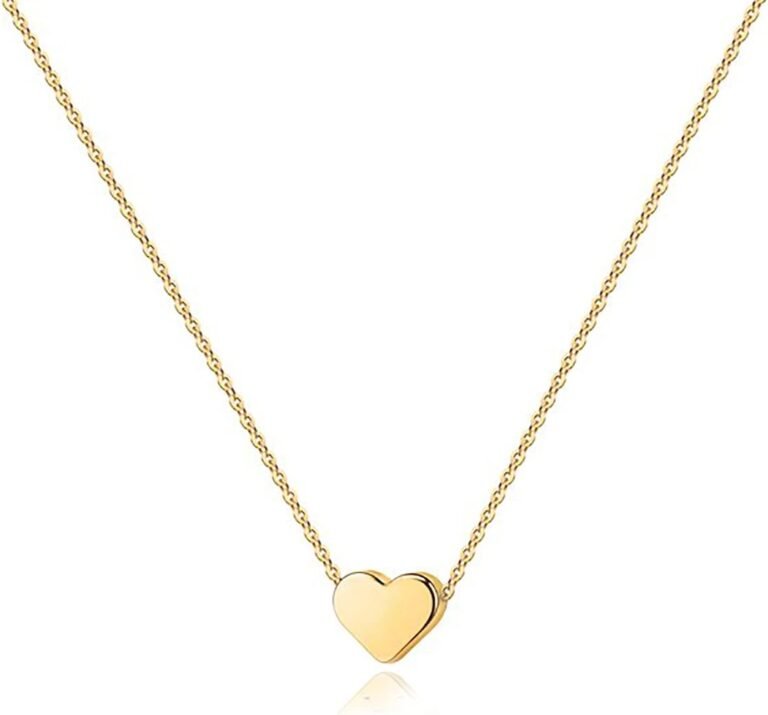
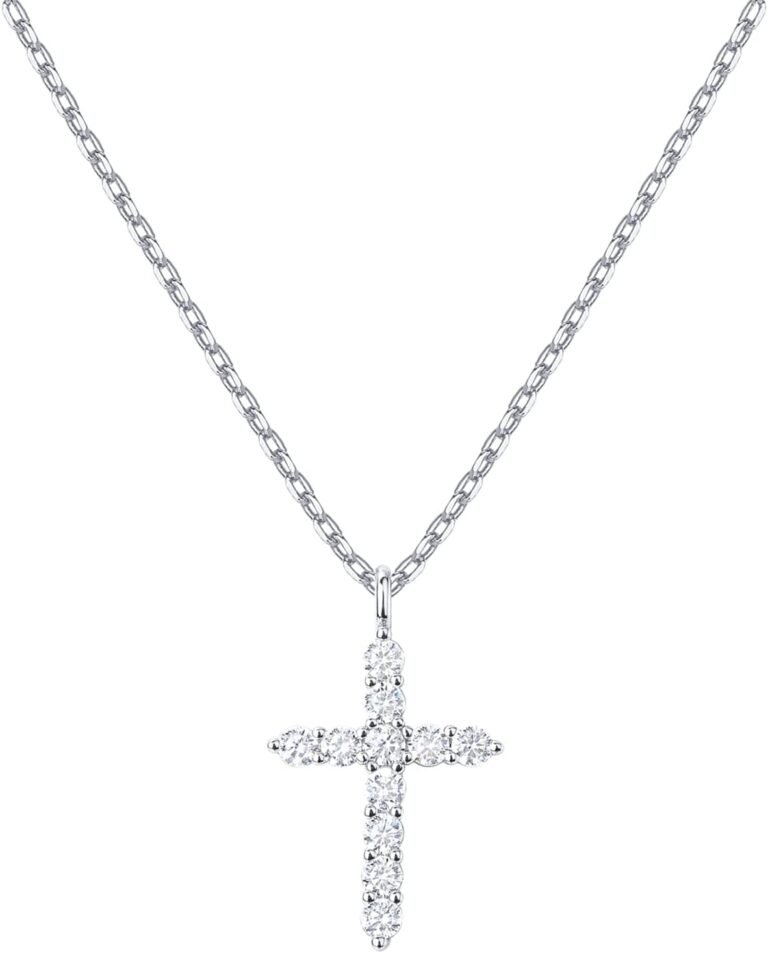
A pendant is the decorative element that hangs from that chain. It is a separate piece with a hole or bail (that little loop at the top) that slides onto your necklace. Pendants come in endless shapes: initials, gemstones, lockets, coins, or even tiny glass vials.
The key detail is that a pendant is not wearable on its own. Without a chain, it just sits in your jewelry box. It needs a partner to do its job.
How to Tell Them Apart When You Are Shopping
We have all been in a store, holding up a display piece and wondering which word to use. Here is a simple mental test you can run through in about five seconds. Ask yourself: if I remove the hanging part, is there still something left to wear around my neck?
If the answer is yes, you were holding a necklace with a pendant. If the answer is no, then what you held was just a pendant waiting for a chain.
The Chain Conversation
When you buy a pendant online or in-store, the chain is almost always sold separately. This is a deliberate choice by jewelers. They know that people already own chains or prefer to choose their own.
You might buy a pendant from a boutique and pair it with a chain you received as a gift years ago. That mixing and matching is a huge part of the appeal.
Fixed Designs vs. Swappable Styles
Some necklaces have pendants that are permanently attached. You cannot remove the charm without taking it to a jeweler. These are still necklaces, but they behave more like a fixed design. Many fashion necklaces fall into this category.
Other necklaces are really just chains that allow you to swap pendants freely. That flexibility means you can change your look for a brunch date versus a board meeting without buying a new necklace every time.
Why the Distinction Matters for Your Wallet
Here is where things get genuinely practical. Knowing the difference can save you money and expand your wardrobe options. We found that buying a quality chain and a few different pendants gives you more outfit variety than buying several fixed necklaces.
Investing in one solid chain (like a classic 18-inch cable or box chain) costs money upfront. But then you can buy pendants at various price points and change them based on your mood.
Cost Breakdown: Pendant-First vs. Complete Necklace
Complete necklaces with fixed pendants are often priced as one unit. You are paying for the metal, the labor, and the design all together. There is no separating the costs.
Pendants purchased separately allow you to control your budget. You can splurge on a diamond pendant and use an inexpensive cord you already own. Or you can buy a high-end chain and hang a simple glass charm from it.
Mix-and-Match Power
Jewelry stylists we researched consistently point to layering as a top trend. Layering works best when you have control over your pieces. A swappable pendant system gives you that control.
You can wear one pendant alone for work. Layer two pendants of different lengths for a night out. Or go chain-only when you want minimalism. The options multiply without emptying your savings account.
The Practical Side: Lengths, Metals, and Wearability
Necklaces come in standardized lengths that change how they sit on your body. Chokers sit high on the neck. Princess length (18 inches) rests on your collarbone. Matinee length (20-24 inches) falls to your chest.
Pendants do not dictate length. The chain does. This means you can take the same pendant and wear it at different heights by swapping chains. That is a level of flexibility you simply do not get with a fixed necklace design.
Metal Matching Tips
When you buy a pendant separately, pay attention to the metal color. A yellow gold pendant on a white gold chain can look off. Mixing metals is trendy, but it must look deliberate, not accidental.
Our research found that most jewelers recommend staying within the same metal family for a cohesive look. Silver-toned pendants pair well with white gold, platinum, or sterling silver chains.
Weight and Daily Comfort
A heavy pendant on a thin chain can pull and strain the clasp. Many experts suggest matching the chain thickness to the pendant weight. A chunky statement pendant needs a sturdy chain, not a delicate paperclip one.
On the flip side, a lightweight pendant on a heavy chain can look unbalanced. The chain overwhelms the charm. Aim for a proportional pairing between the two.
A Handy Comparison Table for Quick Reference
| Feature | Pendant | Necklace |
|---|---|---|
| Definition | An ornament that hangs from a chain | The complete piece worn around the neck |
| Wearable alone? | No, needs a chain or cord | Yes, it is ready to wear |
| Includes chain? | No, sold separately usually | Yes, it includes everything |
| Customization | High, can swap between chains | Low to none, fixed design |
| Cost structure | Pay for ornament only | Pay for everything together |
| Bought example | A single diamond charm | A pearl strand or gold chain |
What About Chains, Chokers, and Other Confusing Terms?
By now you know a chain by itself is a necklace. But what about a choker that sits high on your throat? That is also a necklace. The word “necklace” is an umbrella term that covers everything worn around the neck.
We found that even the word “chain” gets used interchangeably with “necklace” at jewelry counters. That is fine in casual conversation. Just remember that in strict jewelry terms, the chain is the foundation, and the pendant is the decoration.
The Locket Exception
Lockets are a special case worth mentioning. A locket is technically a pendant because it hangs from a chain. But store listings often call them “lockets” rather than “pendants” or “necklaces.” That extra word helps shoppers find them faster.
How to Choose Between Buying a Pendant or a Necklace
Start with your lifestyle. If you love changing your style daily, go with a pendant-plus-chain system. If you prefer a grab-and-go accessory that is always ready, buy a complete necklace.
Think about your wardrobe palette too. A neutral gold chain matches almost everything. A colorful gemstone pendant can add a pop of personality to a plain outfit.
We found that many women own both types. They have a few quality chains for daily wear and a collection of pendants for special moments. Men often follow the same pattern with dog tags or simple metal pendants.
Gift Giving Considerations
When buying jewelry as a gift, a complete necklace is usually safer. It arrives ready to wear, and the recipient does not need to hunt for a chain. That convenience matters if the person is not into jewelry tinkering.
Pendants make thoughtful gifts when you know the person already has a favorite chain. You can buy a meaningful charm and let them choose how to wear it. That personal touch often means more than a generic necklace.
Build Your Own Check List for the Perfect Piece
- Decide if you want a swappable design or a fixed one-piece necklace.
- Measure your favorite necklace to find the length you like most.
- Match the chain clasp strength to the pendant weight you plan to hang.
- Check the metal color of the chain against your pendant purchase.
- Set a budget for the chain separately from the pendant separate.
- Think about your daily activities to avoid snagging or breaking anything.
Taking these steps before you click “add to cart” means fewer returns and more everyday wear. Jewelry should be fun, not frustrating. Getting the terminology right is the first step toward a collection you truly love.
Conclusion
You now have the full picture. A pendant is the ornament, and a necklace is the complete piece you wear. That simple distinction changes how you shop, what you spend, and how many outfits you can refresh without buying new jewelry.
Start with one quality chain you love. Then build a small pendant collection around it. You will get more wear, more compliments, and more control over your style. We found that this approach gives you the most flexibility for your money. Grab a tape measure, check your favorite chain length, and pick one pendant that matches your daily wardrobe. That is all it takes to begin building a smarter jewelry box.
Frequently Asked Questions
Can you wear a pendant on any necklace?
Not every necklace works for hanging a pendant. You need a chain or cord that fits through the pendant’s bail or hole. Chunky bead necklaces and tight chokers usually do not work. Stick with standard chains like cable, box, or rope styles for the easiest fit.
Is a locket a pendant or a necklace?
A locket is a pendant because it is an ornament that hangs from a chain. Jewelry stores often list lockets separately to help shoppers find them. But the locket itself is not wearable until you pair it with a chain. So it behaves just like any other pendant.
Do you need to buy a chain separately when you buy a pendant?
Usually yes. Most pendants are sold without a chain. Some sellers bundle them, but that is not the norm. Check the product listing carefully. If the chain is not included, you will need to buy one separately or use one you already own.
Is a plain gold chain considered a necklace?
Yes, a plain gold chain is a necklace. It is a finished piece you wear around your neck with no extra decoration needed. Many people wear chains alone every day. The chain only becomes part of a pendant setup when you attach a hanging ornament to it.
What chain length is best for wearing a pendant?
The best length depends on where you want the pendant to rest. An 18-inch chain sits on your collarbone, which works well for most pendants. A 20-inch chain falls slightly lower and suits larger or heavier ornaments. Measure a necklace you already like to find your ideal pendant placement.