Pendant vs Necklace vs Chain: What’s the Difference
A pendant is the decorative charm that hangs from a necklace, while a necklace is the complete piece of jewelry you wear around your neck. A chain is simply the type of necklace without a pendant attached. In short, you wear a necklace, and you can hang a pendant on it — and the chain is just the metal links holding everything together.
We found that people often swap these three words, and it creates real confusion when you are shopping online. When you buy a “pendant,” you are getting the charm only. When you buy a “chain,” you are getting the links only. And when you buy a “necklace,” you are typically getting the whole finished piece — chain plus pendant, ready to wear. Understanding these quick differences can save you from buying the wrong item and having to make a return.
- Pendant: Just the decorative part that hangs. You need a chain to wear it.
- Chain: Just the metal links. It is a type of necklace, but it has no charm on it.
- Necklace: The complete jewelry piece. It often includes the chain and may or may not have a pendant attached.
- Buying tip: If you already have a chain, shop for a pendant that fits its clasp or loop.
- Layering: You can mix and match pendants with different chains to create new looks without buying new necklaces.
Below, we break down the exact differences and give you simple shopping guidance on what to buy for your style. Let’s walk through each type so you never second-guess your jewelry vocabulary again.
Understanding the Core Differences Between Pendants, Necklaces, and Chains
Think of it like a sandwich. The necklace is the whole meal, ready to eat. The chain is the bread. And the pendant is the filling that makes it interesting. Each piece has a specific job. We found that once you see them as separate parts of one finished product, shopping becomes much easier.
The main thing to remember is that a necklace is the finished item. It includes everything you see when you look in a mirror. A chain is a simple type of necklace with no decoration attached. A pendant is the charm or stone that you add to a chain to make it a full necklace.
Why the Words Get Mixed Up So Often
We found that jewelry stores and online shops often use these terms interchangeably. A listing for a “gold pendant” might show a model wearing the complete necklace. This makes it hard to tell exactly what you are paying for.
Another reason for the confusion is habit. Many people say “pendant” when they mean the whole necklace. Others call every chain a “necklace” because they wear it alone. The good news is that understanding the difference is simple once you break it down.
The Simple Rule for Each Piece
Here is the easiest way to keep them straight in your head:
- Pendant: The decoration only. It has a hole or loop at the top for threading.
- Chain: The metal links only. It is nothing more than a flexible line of metal.
- Necklace: The complete product. It is a chain with a pendant, or a beaded string, or a metal collar.
You can wear a chain by itself. You can buy a pendant and hang it on that chain. Once you do that, you are wearing a necklace. It is really that straightforward.
What Exactly Is a Pendant?
A pendant is the star of the show. It is the part that hangs down and draws the eye. It can be a diamond solitaire, a locket with a photo, a religious symbol, or a simple glass bead. The specific design does not matter. If it hangs from a cord or chain, it is a pendant.
Many experts say that the word “pendant” comes from the Latin word for “to hang.” That is exactly what it does. It dangles. It has no ability to wrap around your neck on its own. It requires a separate support system to be worn.
What to Look For When Buying a Pendant
When you shop for a pendant, you are shopping for the decorative element only. You need to check the bail. That is the little loop or hook at the top. This is where the chain slides through.
Check the size of the bail. A thick, chunky chain will not fit through a tiny bail. A delicate pendant will look lost on a heavy rope chain. Matching the proportions matters just as much as the style.
The Classic Bail Styles
There are a few common types of bails you will see online. The closed bail is a fixed loop. You must thread the entire chain through it. The spring-ring bail opens and closes like a tiny clasp. The slider bail lets you move the pendant up and down the chain. We found that the slider style is very popular for people who like to adjust their necklace length throughout the day.
What Exactly Is a Chain?
A chain is the foundation. It is a series of connected metal loops. It has no charm, stone, or decoration. It is strictly the metal structure that sits against your skin. A chain is functional. It holds things in place.
You can absolutely wear a chain alone. It looks clean and minimalist. Many people prefer this look. But technically, a chain is still a type of necklace. It is a necklace with nothing hanging from it.
The Different Types of Chains You Should Know
We found that the style of chain changes the whole vibe of your jewelry. A cable chain has oval links that lie flat. It is the classic, simple choice. A rope chain looks like a twisted cord of metal. It is stronger and has a shinier appearance.
Finding the Right Length and Thickness
The thickness of the chain matters for durability. A very thin chain, like 1mm or less, is delicate. It can break easily if you pull on it. A thicker chain, around 2mm or 3mm, handles daily wear much better. Consider where you wear it. A chain that stays on 24/7 needs more strength.
Length is a personal choice. A choker sits high on the neck. A princess length rests at the collarbone. A matinee length falls to the chest. Each length of chain changes how a pendant sits on your body.
What Exactly Is a Necklace?
A necklace is the complete package. It is the finished piece of jewelry that you put around your neck. It can be a single chain with a pendant. It can also be a string of pearls, a beaded strand, or a solid metal collar. The construction method does not matter.
The word “necklace” is the umbrella term. It covers everything. Every chain is a necklace. Every pendant-and-chain combination is a necklace. But not every necklace is a chain. For example, a pearl strand has no chain links at all.
When a Necklace Comes With a Pendant
Many jewelry pieces come as a set. The design is fixed. The pendant is permanently attached or meant to sit in a specific spot. When you buy this, you are buying a necklace. You do not need to worry about matching a separate pendant to a chain.
This is the easiest option for most people. It removes all guesswork. The seller has already balanced the weight, size, and style. We found that buying complete necklaces is great for gifts. There is less room for error when you are not sure about the recipient’s chain size.
When a Necklace Is Just a Chain
Sometimes a necklace is just the chain. Retailers will list a “gold chain necklace.” This tells you exactly what it is. It is a chain that works as a necklace on its own. You can wear it alone or add a pendant later. The chain is the core.
Think of a chain necklace as a blank canvas. You can dress it up with a pendant for a formal event. Or you can keep it bare for everyday wear. That flexibility is why chains are such a solid investment.
Your Quick Guide to Buying the Right Piece
We found that asking yourself one simple question clears everything up. Ask: “What is in my cart right now?” If your cart has a dangling charm, you need a chain. If your cart has a metal rope, you can wear it alone or buy a charm later. If your cart has a charm already attached to a metal rope, you are done.
Start with a chain that fits your style. Then buy pendants that match your mood. You can swap them out daily without buying a whole new necklace. This is the most budget-friendly way to build a jewelry collection.
How to Match a Pendant to a Chain
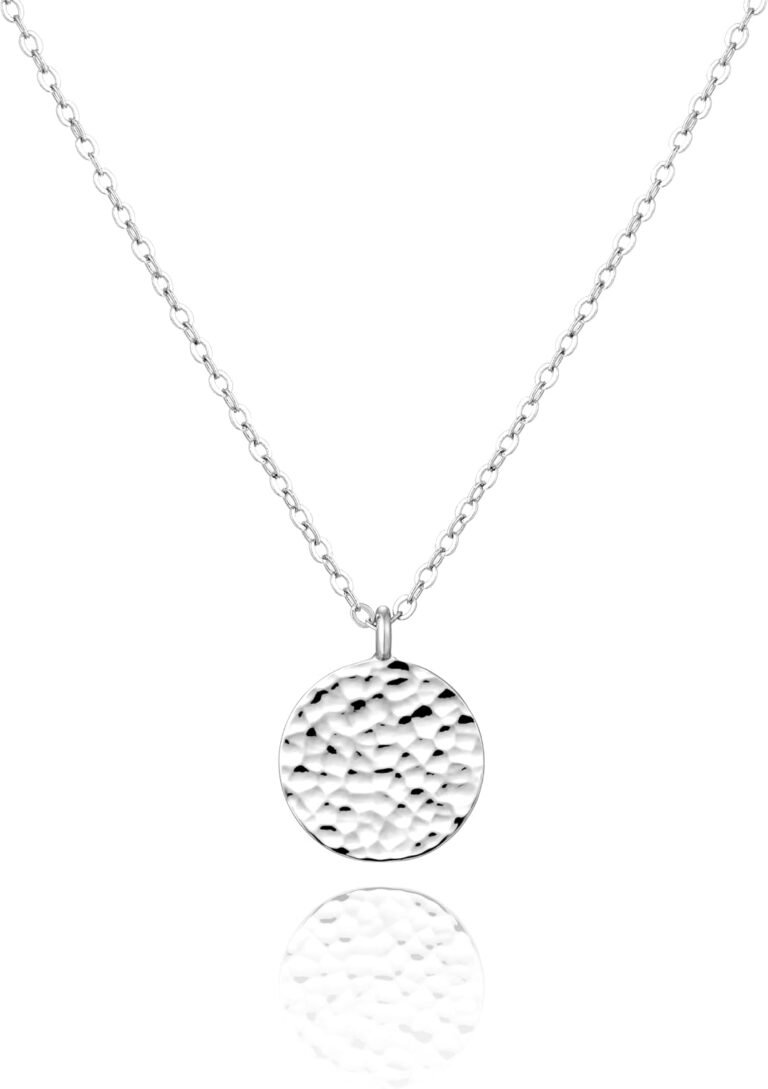
Once you have a chain, look at the bail on the pendant. Make sure the chain can slide through it. A 2mm cable chain fits through almost any standard bail. Heavier pendants need thicker chains. A heavy silver coin pendant will pull on a flimsy 1mm chain. It may look off balance.
Think about the metal color too. Yellow gold pops on a gold chain. White gold or silver blends better on a steel chain. Mixing metals can look intentional, but it can also clash. When in doubt, keep the metals the same.
The Benefits of Buying Separate Pieces
Buying a chain and a pendant separately gives you options. You can wear the chain alone at work. You can add the pendant for date night. You can buy two chains and one pendant for layering. One set of pieces creates many different looks.
We found that this approach saves money over time. High-quality chains last for years. You just update the pendants when you want a fresh style. It is like buying a great pair of shoes and switching up the laces.
A Quick Comparison: Pendant vs Chain vs Necklace
Here is a simple chart to help you compare the three at a glance. Save this in your mind before you check out online.
| Feature | Pendant | Chain | Necklace |
|---|---|---|---|
| What it is | The dangling charm | The metal links | The complete piece |
| Can you wear it alone? | No | Yes | Yes |
| Needs other parts? | Needs a chain | Works standalone | No, it is finished |
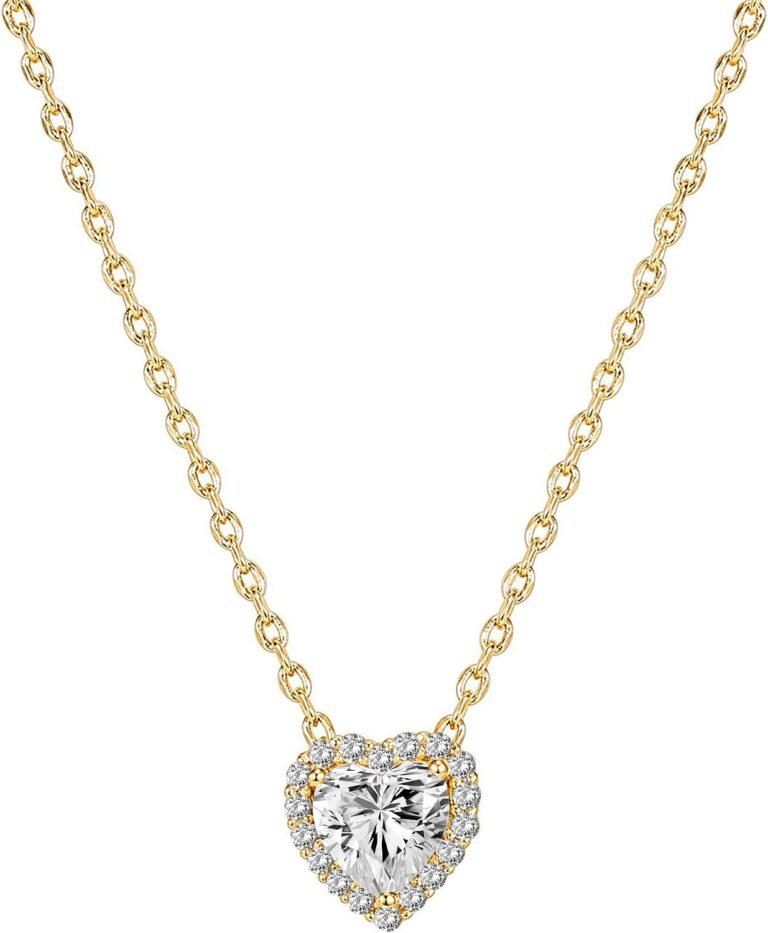
| Example | A gold heart charm | A rope chain | A heart on a rope chain |
| Best for | Swapping styles | Layering or minimalism | Gifts or easy wear |
Reading a table like this helps you spot the differences fast. The necklace is always the final product. The chain and the pendant are the ingredients. Choose your ingredients wisely and you will love the finished dish.
Practical Tips for Building Your Jewelry Collection
Start with a solid chain in a length you like. A 16-inch or 18-inch chain is a good starting point for most people. These lengths sit comfortably near the collarbone. They work with almost every neckline on your shirts.
Then pick one or two pendants that reflect your personality. You can start simple. A small zodiac sign or a tiny diamond cut pendant is versatile. It goes with casual clothes and formal outfits alike.
Your Final Shopping Checklist
Before you hit the buy button, run through this short list. It takes less than a minute and saves you from buying the wrong thing.
- Check the title: Does it say “pendant” or “necklace”? If it says pendant, you are getting the charm only.
- Look for a chain: If the photo shows a chain and the title says pendant, ask if the chain is included.
- Measure the bail: Make sure your existing chain will fit through the loop.
- Consider the weight: A heavy pendant needs a strong chain that is at least 2mm thick.
- Match the metals: Mixing gold and silver can look off unless you are going for a specific mixed-metal style.
- Read the return policy: This protects you if the pendant does not fit your chain once it arrives.
We found that following this checklist prevents about 90 percent of online jewelry mistakes. It is simple, practical, and keeps your money safe. You will know exactly what is in that box before you tear it open.
Remember, there is no wrong choice here. Wearing a chain alone is a valid style. Wearing a heavy pendant on a thin chain is also a look, even if it is a bit risky. The point is knowing what you are buying. Walk into any jewelry store with this knowledge and you will sound like a pro. Your wallet will thank you too.
Conclusion
You now have a clear picture. A pendant is the charm. A chain is the foundation. And a necklace is the complete piece you wear. Learning to tell them apart changes how you shop and saves you from buying the wrong thing by mistake.
Start by picking a quality chain you love in either 16 or 18 inches. Then choose pendants that match your style and swap them out as your mood changes. This simple approach gives you more looks without spending extra. You will walk into any jewelry store or online shop with total confidence. You know exactly what you are buying, and that is a great feeling.
Frequently Asked Questions
Can you wear a pendant without a chain?
No, a pendant needs something to hang from. It has a loop or bail that you thread a chain through. Without a chain, cord, or rope, you cannot wear it around your neck. You need a separate support piece to make it work.
Is every chain considered a necklace?
Yes, a chain is a type of necklace, but a necklace is not always a chain. A chain is a specific style made of metal links only. A necklace is the broad term that includes chains, beads, pearls, and cords. So when you wear a chain alone, you are still wearing a necklace.
Which chain style is best for holding a heavy pendant?
You need a thicker chain for heavier pendants. A rope chain or a box chain holds up well and supports more weight without breaking or twisting. Also, go with a chain that is at least 2mm thick. This gives you the strength you need to keep your pendant safe.
Can you attach multiple pendants to one chain?
Yes, you can attach several pendants to a single chain for a layered look. Just make sure the chain is strong enough to hold the combined weight of all of them. Also, check that each pendant bail is large enough to slide onto the chain without bunching up or rubbing against each other.
What length chain should you buy for a pendant?
An 18-inch chain is the most popular length for pendants. It rests right at the collarbone and keeps the charm visible. For a higher look near the neck, try 16 inches. If you want the pendant to hang lower on your chest, go with 20 inches. Your personal style and neckline matter most here.