Pendant vs Necklace vs Locket: Key Differences
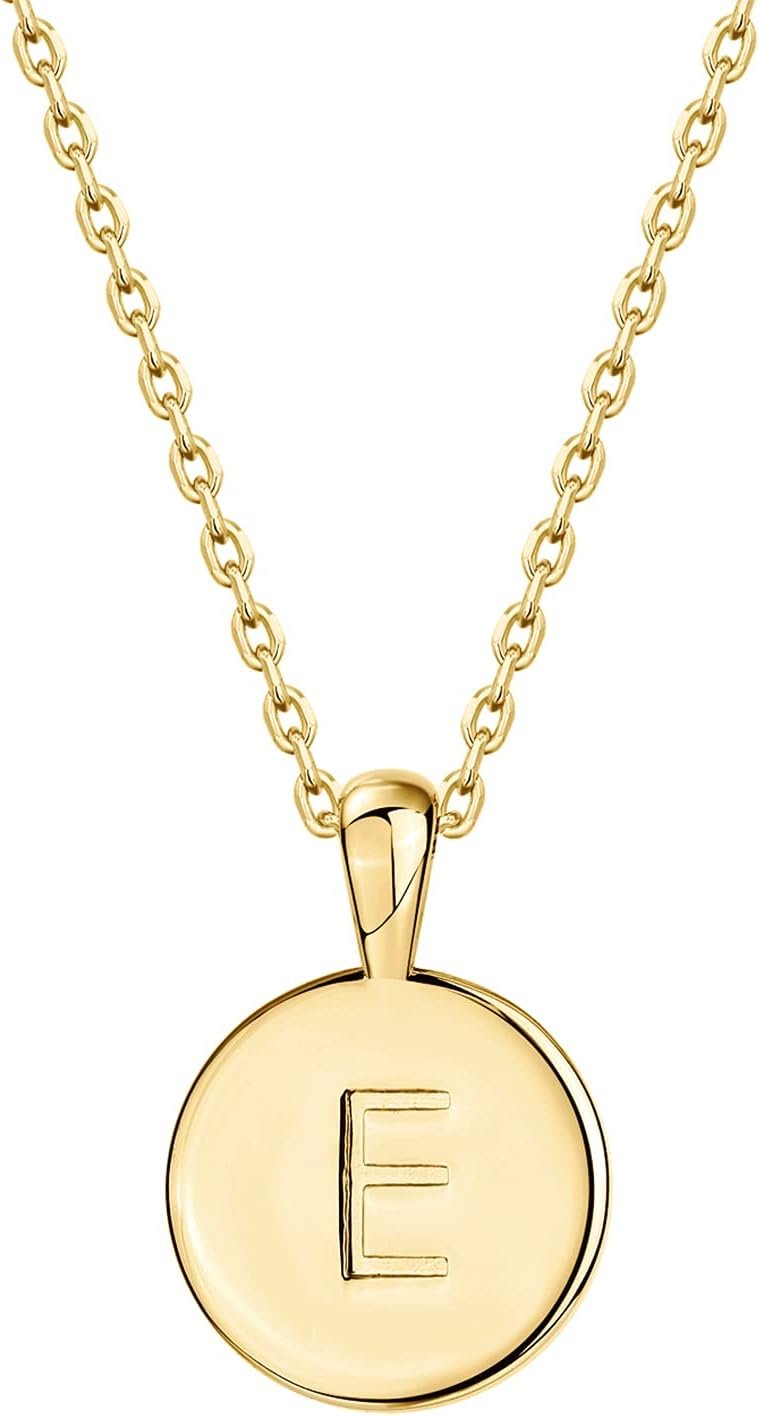
A pendant is the decorative charm that hangs from a chain, a necklace is the entire chain or piece of jewelry itself, and a locket is a specific type of pendant that opens up to hold a photo or keepsake. Simply put, the necklace is the whole thing, and the pendant (or locket) is just the part that dangles from it. This is the main difference between pendant vs necklace vs locket.
We found that many people use these jewelry terms interchangeably, but they aren’t actually the same thing. Every locket is a pendant, but not every pendant is a locket. And you can’t have a pendant without a necklace to hang it on. Knowing the distinction helps you shop smarter, pick the right gift, and understand exactly what you are wearing.
- Necklace: The full piece of jewelry worn around the neck, which includes the chain and any decorations.
- Pendant: The standalone ornament or charm that hangs from the necklace chain.
- Locket: A hinged pendant that opens to hold a photo, charm, or tiny keepsake.
- Key Difference: You can wear a necklace without a pendant, but a pendant always needs a chain to be worn.
- Shopping Tip: When you buy a “pendant,” you often need to buy a chain separately.
Below, we break down exactly how these three pieces of jewelry differ, what to consider when buying each one, and how to pick the perfect style for your needs.
Understanding the Pendant vs Necklace Difference
We found that the simplest way to think about it is like a picture frame and a wall. The necklace is the wall. The pendant is the frame that hangs on it. You can hang a frame without a wall, can you? Nope. Same goes for a pendant. It needs a chain to live on.
A necklace is the complete jewelry piece. It wraps around your neck. A pendant is just the dangling part. When you buy a necklace with a charm already attached, you are buying both together. But when you buy a pendant alone, you are only getting the decorative piece. You will need a chain to make it wearable.
Many jewelry stores list products as “pendant necklaces.” That simply means the necklace comes with the pendant included. It is a full set. We found this is the most common confusion point for shoppers. You are not buying two separate things. You are buying one complete item.
Why This Distinction Matters for Shoppers
When you shop online, you will see pendants sold separately all the time. The listing might show a pretty model wearing the pendant on a chain. But that chain is often just for display. You have to buy it separately. This is a classic jewelry store trick. We found that reading the fine print saves you from disappointment.
Check the product title. If it says “pendant only,” you need a chain. If it says “pendant necklace,” you are good to go. This one detail changes your total cost significantly. A gold chain alone can cost more than the pendant itself. Always double-check before you check out.
What Is a Pendant Exactly
A pendant is any ornament that hangs from a necklace chain. It can be made of metal, gemstone, glass, wood, or even fabric. The word comes from the Latin word pendere, which means “to hang.” That is the whole job of a pendant. It hangs. It dangles. It catches the light.
Pendants come in endless shapes and sizes. You have diamond solitaires, crosses, evil eyes, birthstones, initials, and abstract designs. Some pendants are tiny and delicate. Others are bold and chunky. The style you choose says something about your personality. And the great part? You can swap pendants on the same chain to match your outfit. That is a cheap way to refresh your look without buying new jewelry.
Popular Pendant Styles We Found
- Solitaire pendants: A single gemstone, usually diamond or moissanite, on a simple setting.
- Religious pendants: Crosses, stars of David, or other faith-based symbols.
- Birthstone pendants: A gemstone that represents the month you were born.
- Charms and symbols: Hearts, stars, infinity signs, or zodiac symbols.
- Bar pendants: A horizontal metal bar, often engraved with names or coordinates.
We found that bar pendants are having a major moment right now. They are minimalist and modern. They also pair well with nearly any neckline. If you are unsure what to buy as a gift, a simple bar pendant is a safe bet.
Defining the Necklace as a Complete Piece
The necklace is the entire unit. It is the chain, cord, or strand that goes around your neck. Necklaces can be worn completely alone. They do not need a pendant to look good. In fact, a simple chain necklace is a classic staple. Many people wear a dainty gold chain by itself every single day. We found that this is one of the most underrated jewelry trends.
Necklaces come in different lengths. Each length sits at a different point on your chest. A choker sits high on the neck. A princess length falls right at the collarbone. A matinee length hits the middle of the chest. An opera length hangs below the bust. Your body type and outfit determine which length works best for you.
Chain Types You Need to Know
Not all chains are created equal. The chain style affects how the pendant hangs. Some chains are delicate and feminine. Others are chunky and bold. We found that the chain you choose is just as important as the pendant itself. Here are the common types you will see:
- Cable chain: Simple round links. Classic and versatile.
- Box chain: Square links that lie flat. Very strong.
- Rope chain: Twisted links that look like a rope. Shiny and flashy.
- Snake chain: Smooth, curved links that form a solid band.
- Figaro chain: Alternating flat and round links. A male favorite.
A cable chain is your best bet for everyday wear. It is strong, quiet, and does not snag your clothes. A snake chain is beautiful but can pinch skin if you pull on it. We recommend a cable chain for most pendant styles. It holds heavier pendants better and is less likely to break.
The Locket: A Pendant With a Secret
A locket is a pendant that opens. It has a hinge and a clasp. Inside, you can place a small photo, a lock of hair, or a tiny charm. Lockets have been around for hundreds of years. They were originally worn as a way to keep loved ones close. Soldiers in the Civil War carried lockets with photos of their wives. Mothers wore lockets with strands of their children’s hair. It is a deeply personal piece of jewelry.
Lockets are the most sentimental of the three. A necklace is practical. A pendant is decorative. But a locket is emotional. Many experts say that giving a locket is one of the most meaningful jewelry gifts you can offer. It says, “I want you to carry me with you.” That is powerful.
Modern Locket Styles
Lockets have evolved a lot since the Victorian era. You no longer need a magnifying glass to see the photo inside. Modern lockets come in larger sizes. Some hold multiple photos that flip like a tiny book. Others have a hidden compartment for a secret message or a tiny piece of paper. We found that engraved lockets are especially popular for new parents. Grandparents often get a locket with a grandchild’s photo and birth date.
There is also a growing trend of “mini lockets.” These are small, barely visible disc shapes. They open with a tiny hinge and hold a single tiny photo. They look like a plain pendant from afar. But when you get close, you see the detail. It is a secret only the wearer knows about.
How to Choose Between a Pendant and a Locket
Ask yourself a simple question. Do you want the jewelry to be personal? Then choose a locket. Do you want it to be stylish and versatile? Then choose a regular pendant. We found that many people own both. They wear a pendant for daily fashion and a locket for special occasions or sentimental events.
Lockets take more maintenance. They have hinges that can bend. The clasp can wear out over time. Photos inside can fade if exposed to water or sweat. If you plan to wear your locket every day, choose one with a sturdy hinge and a secure closure. Cheap lockets often break within a few months. It is worth paying a little more for quality.
Comparing All Three Side by Side
Sometimes the best way to understand a difference is to see them next to each other. We put together a simple table that breaks it all down. Use it as a quick reference when shopping.
| Feature | Necklace | Pendant | Locket |
|---|---|---|---|
| What it is | The entire jewelry piece worn around the neck | The ornament that hangs from the chain | A hinged pendant that opens |
| Can it be worn alone? | Yes, always | No, needs a chain | No, needs a chain |
| Main purpose | Style and adornment | Fashion or statement | Sentimental keepsake |
| Comes with chain? | Yes, it is the chain | Usually not, sold separately | Usually not, sold separately |
| Customizable? | Yes, swap pendants | Yes, use different chains | Yes, add photos inside |
| Durability concern | Chain strength | Bail (the loop that connects) | Hinge and clasp |
We found that this table clears up most confusion. Once you see the necklace as the parent and the pendant as the child, everything clicks. The locket is just one specific type of child. It has extra features and extra meaning attached to it.
Buying Checklist Before You Spend Money
Before you add anything to your cart, run through this checklist. It will save you time, money, and a return trip to the store. We found that most jewelry regrets come from missing one of these steps. Check these boxes and you will make the right pick.
- Confirm what is included: Does the listing say “pendant only” or “complete necklace”? This changes the price a lot.
- Check the chain length: Short chains suit pendants with small bails. Long chains handle bigger pendants better.
- Weigh the metal: Gold is soft and can stretch. Silver is harder but tarnishes. Platinum is durable but expensive.
- Look at the bail: The bail is the loop that connects the pendant to the chain. Make sure it is solid, not glued.
- Measure the locket size: If you want to fit a real photo, measure the inside diameter. Standard photos are 1 inch by 1 inch.
- Read the return policy: Pendant-only items often have stricter return rules. Chains and pendants are sometimes sold separately for this reason.
That checklist will help you avoid the biggest rookie mistake. The mistake is buying a pendant and forgetting to buy a chain. We have all done it. You get the charm home, realize you have nothing to hang it on, and have to order again. Avoid that hassle by planning ahead.
Practical Tips for Wearing Each Style
Once you have your piece, you want to wear it right. We found that small styling choices make a big difference in how the jewelry looks. Here are a few practical tips that we gathered from jewelry enthusiasts and stylists.
For Pendants
Match the pendant size to your frame. Petite women look best with smaller pendants. Taller or broader people can carry larger statement pieces. Also, check the chain thickness. A chunky pendant on a super thin chain will pull and strain the chain. The pendant will hang crooked or sit upside down. That is a frustrating look. Go with a chain that is at least 1.5 millimeters thick for heavier pendants.
For Necklaces
Layer your necklaces for a trendy look. Mix a short choker with a longer chain. Vary the textures and metals. Mixing gold and silver is totally fine now. The old rules about sticking to one metal are outdated. Many stylists say that layered necklaces add instant visual interest to a plain t-shirt or scoop neck top.
For Lockets
Keep your locket away from water and perfume. Moisture gets inside the hinge and can rust it. Perfume contains alcohol, which can fade the photo inside. We recommend putting your locket on after you get dressed and apply fragrance. Take it off before showering or swimming. A little care goes a long way in preserving those precious memories.
Which One Should You Actually Buy
This is the question we get the most. The answer depends on your goal. We broke it down into three clear scenarios based on what you are shopping for.
If you are buying a gift for someone else, a pendant necklace is the safe choice. It is versatile, matches almost any style, and does not require the person to attach a meaning to it. A locket is the better choice if you want to make someone cry (in a good way). It is deeply personal and shows effort. Pair it with a sweet photo and you have a gift that beats anything on the shelf.
If you are buying for yourself, think about your daily
Conclusion
So, here is the simple truth. A necklace is the complete piece, a pendant is the charm that hangs from it, and a locket is a pendant that opens. You now know the difference, and that puts you ahead of most shoppers.
Your next step is easy. Check the product listing before you buy. Make sure you know if you are getting the chain or just the pendant. This one habit will save you money and frustration every single time.
Pick the piece that fits your moment. A simple chain for everyday wear, a bold pendant for style, or a locket for something deeply personal. You have all the knowledge you need now. Shop with confidence, and wear it well.
Frequently Asked Questions
Can you wear a pendant without a chain?
No, you cannot. A pendant needs a chain or cord to hang from. Without a necklace, it is just a loose ornament with nowhere to go. You always need to pair it with a chain to wear it.
Is a locket more expensive than a regular pendant?
Not always. The price depends on the metal, brand, and craftsmanship. However, lockets often cost more because they have a hinge and clasp mechanism. You are paying for the extra engineering, not just the metal and design.
What is the best chain length for a pendant?
It depends on where you want the pendant to sit. An 18-inch chain lands right at your collarbone and works for most pendants. A 20-inch chain sits slightly lower and feels more relaxed. For a heavier pendant, choose a shorter chain like 16 to 18 inches so it does not pull and strain your neck.
Can you put a photo in any type of locket?
No, not all lockets are designed to hold photos. Some lockets hold a tiny folded note or a small charm instead. Check the inside of the locket before you buy. Look at the interior size and whether it has a frame or sleeve for a photo.
Do pendants and lockets fit on any necklace chain?
Most pendants fit on standard chains, but you need to check the bail size. The bail is the loop at the top of the pendant. If the bail is too small, it will not slide onto a thick chain. A delicate chain like a snake or box chain generally fits most pendants without a problem.