Your Ultimate Guide to Choosing a Wedding Ring
Choosing a wedding ring involves considering your partner’s style, your budget, and the durability you need. You’ll want to think about the metal type, gemstone (if any), and the overall design that best represents your commitment. We found that focusing on these key areas makes the process much smoother and more enjoyable.
Beyond the basics, it’s wise to think about how the ring will fit into your daily life. Will it need to withstand a lot of wear and tear? Do you prefer something classic or more modern? We found that understanding these personal preferences beforehand saves a lot of time and potential heartache.
- Know your partner’s style and preferences.
- Set a clear budget early on.
- Consider metal types like gold, platinum, or alternative metals.
- Decide on diamonds or other gemstones, if desired.
- Think about durability for everyday wear.
Let’s walk through exactly how to find the perfect wedding ring for your special day.
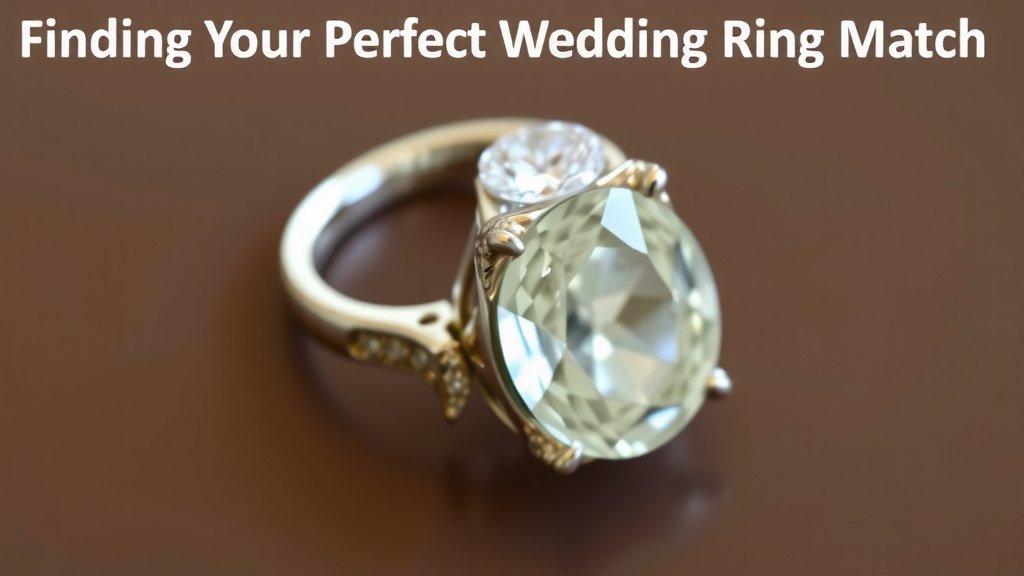
Finding Your Perfect Wedding Ring Match
Selecting wedding rings is a joyous step. You’re choosing symbols of your enduring love. We found that considering a few key elements makes this process wonderfully straightforward. Your rings should feel as unique as your relationship.
Understanding Metal Options: What’s Your Vibe?
The metal of your ring is a foundational choice. It affects both the look and how it holds up to daily life. Many couples spend considerable time here, and for good reason!
Classic Choices: Gold and Platinum
Gold is a timeless favorite. It comes in various karats, like 10K, 14K, and 18K. Higher karats mean more pure gold, which is softer. 14K gold strikes a great balance between purity and durability for everyday wear. You’ll also see yellow, white, and rose gold. Yellow gold is the classic choice. White gold has a silvery look, often plated with rhodium for shine. Rose gold offers a warm, romantic hue.
Platinum is the ultimate in luxury and durability. It’s naturally white and incredibly strong. Platinum is also hypoallergenic, which is a big plus for sensitive skin. We found that many people choose platinum for its hypoallergenic properties (Cleveland Clinic).
Durable and Modern: Alternative Metals
Beyond traditional metals, you have some fantastic alternatives. These often offer superior scratch resistance.
Titanium: Strong and Lightweight
Titanium rings are remarkably strong. They are also very lightweight, making them comfortable for many people. Titanium is highly resistant to scratches and corrosion. It’s a fantastic option for those with active lifestyles.
Tungsten Carbide: The Toughest Kid on the Block
Tungsten carbide is one of the hardest materials available. It’s incredibly scratch-resistant. These rings have a substantial feel and a sleek, modern appearance. Just remember, while very hard, they can be brittle and may shatter under extreme force.
Cobalt: A Balanced Approach
Cobalt is gaining popularity for its strength and durability. It’s tarnish-resistant and retains its luster well. Cobalt offers a good compromise between the hardness of tungsten and the workability of gold.
Considering Your Budget: Love Doesn’t Need a Price Tag
Setting a budget early is key to a stress-free shopping experience. Wedding rings can range from a few hundred dollars to many thousands. We found that understanding your financial comfort zone prevents overwhelm.
Factors Influencing Price
Several things affect the cost of a wedding ring. The type of metal is a big one. Platinum, for instance, is generally more expensive than gold. The width and thickness of the band also play a role. If your ring includes gemstones, their size, quality, and number will impact the price significantly.
Where to Save and Where to Splurge
You might find you want to splurge on a more durable metal like platinum. In that case, you could opt for a simpler band design. Conversely, if you love intricate details, you might choose a slightly less expensive metal. Many jewelers offer flexible payment plans, which can help spread the cost over time.
Design Elements: Making It Uniquely Yours
This is where your personal style truly shines. Think about what kind of aesthetic speaks to you and your partner.
Band Width and Profile
Band width affects the ring’s presence on your finger. Wider bands have a bolder look. Narrower bands tend to be more delicate. The profile refers to the shape of the band’s interior and exterior. Common profiles include flat, rounded (comfort fit), and dome shapes. A comfort-fit band is often rounded on the inside for easier wear.
Embellishments and Details
Do you love a bit of sparkle? Consider adding small diamonds or other gemstones. These can be set into the band itself. Many couples choose a simple, unadorned band for a clean look. Engraving the inside of the band is a popular way to add a personal touch. Think wedding dates, initials, or a short, meaningful phrase.
Matching Sets vs. Complementary Styles
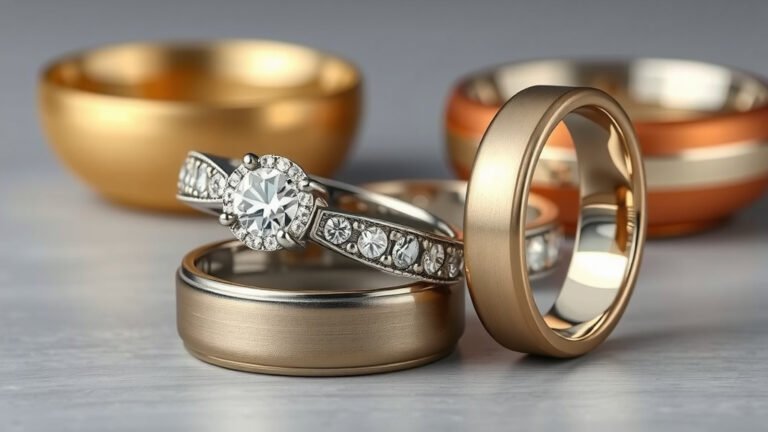
While matching wedding bands are traditional, they aren’t a requirement! Your rings don’t have to be identical. They can complement each other beautifully. Perhaps your partner loves rose gold, and you prefer white gold. You could choose bands with similar design elements or widths to tie them together. We found that contrasting but harmonious styles can be very striking.
Durability and Everyday Wear: A Ring for Life
Your wedding ring will likely be worn every single day. So, durability is a really important consideration. You want a ring that can keep up with your life!
Assessing Your Lifestyle
Are you constantly working with your hands? Do you play sports or engage in activities that might scratch or damage jewelry? If so, a more durable metal like platinum, tungsten, or titanium might be ideal. Softer metals like pure gold will scratch more easily over time.
Comfort is Key
Beyond toughness, comfort matters. A ring that feels good on your finger will be a joy to wear. Consider the weight of the metal and the band’s profile. Trying rings on is the best way to gauge comfort. Many experts suggest trying a ring on at the end of the day when fingers are slightly larger (American Gem Society).
A Quick Checklist for Your Ring Hunt
To help you stay organized, keep this simple list handy:
- Discuss style preferences with your partner.
- Determine your combined budget.
- Research metal options and their pros/cons.
- Consider your daily activities for durability needs.
- Think about any special details like engraving or gemstones.
- Try on different styles and widths for comfort.
Conclusion
You’ve navigated the exciting journey of choosing your wedding rings! By focusing on your partner’s unique style, setting a realistic budget, and considering the durability needed for everyday life, you’re well on your way. Remember, your rings are symbols of your lasting commitment. You’ve learned about various metal options, from classic gold to durable tungsten. You also know how band width and personal details can make your rings truly yours. Take your time, enjoy the process, and trust your instincts to find the perfect symbols of your love.
Frequently Asked Questions
What’s the most durable metal for a wedding ring?
For maximum durability, consider metals like tungsten carbide or titanium. These are highly scratch-resistant and can withstand a lot of daily wear. Platinum is also very durable and naturally hypoallergenic, though it can be more expensive.
Can wedding rings be different metals?
Absolutely! Your wedding rings don’t have to match. Many couples choose bands that complement each other rather than being identical. You might select bands with similar widths or design elements to create a harmonious look.
How much should I budget for wedding rings?
Budgets vary widely based on metal, gemstones, and design. We found that setting a clear budget early prevents stress. You can find beautiful, meaningful rings at various price points, from a few hundred to several thousand dollars.
Is it better to try rings on in person or online?
Trying rings on in person is highly recommended for assessing comfort and seeing the true color and shine of the metal. Online shopping is great for research and finding unique styles, but always try similar styles on if possible.
What does “comfort fit” mean for a wedding band?
A “comfort fit” band is typically rounded on the inside of the ring. This smooth, curved interior makes the ring easier to slide on and off and feels more comfortable against your finger throughout the day.