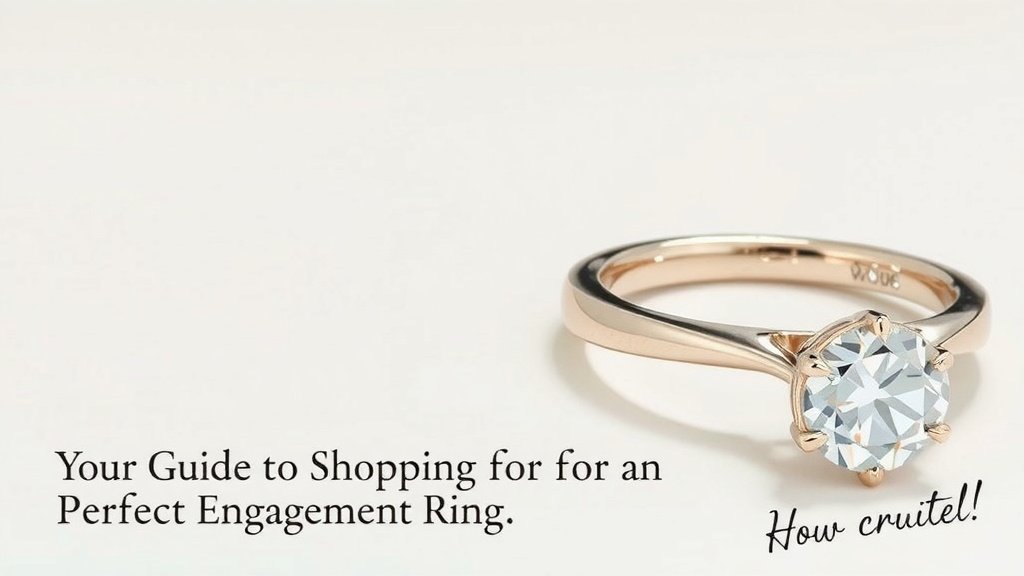
Your Guide to Shopping for the Perfect Engagement Ring
Shopping for an engagement ring can feel like a big task. But don’t worry, finding the perfect ring is absolutely achievable! You’ll want to focus on understanding the 4 Cs (cut, color, clarity, and carat weight) and your partner’s personal style. Researching and knowing these key elements will help you make a confident decision.
Many jewelers and gemologists agree that a bit of preparation goes a long way. Considering your budget upfront is also super important. We’ve found that knowing what your partner likes, even subtly, can guide you to a ring they’ll adore forever. Think about their current jewelry and overall fashion sense.
- Know the 4 Cs: Cut, Color, Clarity, Carat.
- Consider your budget carefully.
- Think about your partner’s style and preferences.
- Don’t be afraid to ask questions.
Let’s walk through exactly how to find that stunning ring your partner will say “yes” to!
You’ve decided it’s time to pop the question! That’s wonderful news. Now comes the exciting part: picking out the ring. Don’t let the sparkle overwhelm you. We’re here to guide you through finding a ring that truly says “forever.” Let’s break down the process so you can shop with confidence.
Your Guide to Buying an Engagement Ring
Choosing an engagement ring is a journey. We found that understanding a few key things makes all the difference. Think of it like this: you wouldn’t buy a car without knowing about the engine or tires, right? The same applies here. You’ll want to know about the diamonds and the setting.
Understanding the 4 Cs of Diamonds
The 4 Cs are the universal standard for judging diamond quality. They help you understand what you’re buying and why prices vary. Many gemologists agree these are the most important factors to consider. Let’s dive into each one.
Cut: The Sparkle Factor
The cut refers to how well a diamond has been shaped and faceted. It’s not about the diamond’s shape (like round or princess), but its proportions and angles. A well-cut diamond reflects and refracts light beautifully, creating that dazzling sparkle you see. It’s often considered the most important C because it directly impacts brilliance. You’ll see terms like “Excellent,” “Very Good,” “Good,” “Fair,” and “Poor.” Aim for at least a “Very Good” or “Excellent” cut for maximum shine.
Color: The Absence of Hue
Diamond color is graded on a scale from D (colorless) to Z (light yellow or brown). The less color a diamond has, the rarer and usually more expensive it is. Most people can’t see the color difference between, say, an F and a G diamond. We found that diamonds graded G, H, I, or J are excellent choices. They appear virtually colorless to the naked eye but come at a better price point. If you’re looking at yellow gold settings, a slightly warmer diamond (like an I or J) can even look whiter.
Clarity: The Diamond’s Inner Beauty
Clarity refers to internal and external imperfections, called inclusions and blemishes. These are natural characteristics. The clarity scale ranges from Flawless (no imperfections visible under 10x magnification) to Included (obvious imperfections). For most shoppers, we recommend looking for a diamond that is “eye-clean.” This means any inclusions are too small to see without a jeweler’s loupe. A clarity grade of VS1, VS2, or even SI1 is often a great balance between beauty and budget.
Carat Weight: The Size Indicator
A carat is a unit of weight for gemstones. One carat is equal to 200 milligrams. Carat weight directly influences the size of the diamond. Larger diamonds are rarer, so the price increases exponentially with carat weight. However, a diamond’s cut can make it appear larger or smaller than its actual weight. Also, a poorly cut, large diamond won’t sparkle as much as a well-cut, smaller one. Think about what size makes sense for your partner’s lifestyle and budget.
Beyond the 4 Cs: Other Diamond Considerations
While the 4 Cs are fundamental, other elements contribute to a diamond’s beauty and your satisfaction. Don’t overlook these details as you make your choice.
Diamond Shape
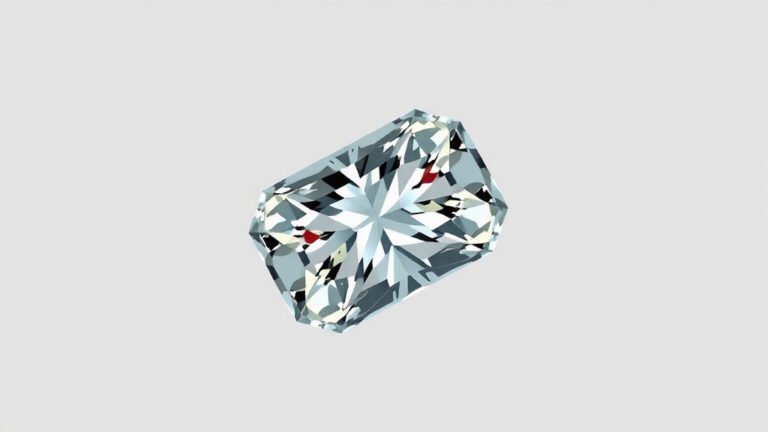
The shape of the diamond is purely a matter of personal preference. The most popular is the round brilliant cut, known for its exceptional sparkle. Other beautiful options include princess (square), emerald (rectangular), oval, pear, and marquise cuts. Consider the shape of your partner’s other jewelry. Do they lean towards classic or modern styles? This can be a great hint!
Diamond Certification
Reputable jewelers will provide a diamond certificate, also called a grading report. This report is issued by an independent gemological laboratory. It details the diamond’s characteristics, including the 4 Cs. The Gemological Institute of America (GIA) is widely considered the most authoritative source. Having a certificate offers peace of mind and verifies the diamond’s quality. We always recommend looking for GIA-certified diamonds.
Setting the Diamond: The Ring’s Foundation
The setting holds the diamond and is a big part of the ring’s overall look. It also plays a role in durability and how the diamond is displayed. Metal choice and style are key here.
Metal Type
The most common metals for engagement rings are platinum, white gold, yellow gold, and rose gold. Platinum is durable and hypoallergenic but more expensive. White gold is popular for its diamond-like color, but it’s a gold alloy that requires occasional re-plating. Yellow gold is classic and warm. Rose gold offers a romantic, vintage feel. Consider the metal of your partner’s existing jewelry. Do they wear silver-toned or yellow-toned metals more often? This is a great indicator!
Setting Styles
There are countless setting styles, each offering a unique aesthetic. Some popular choices include:
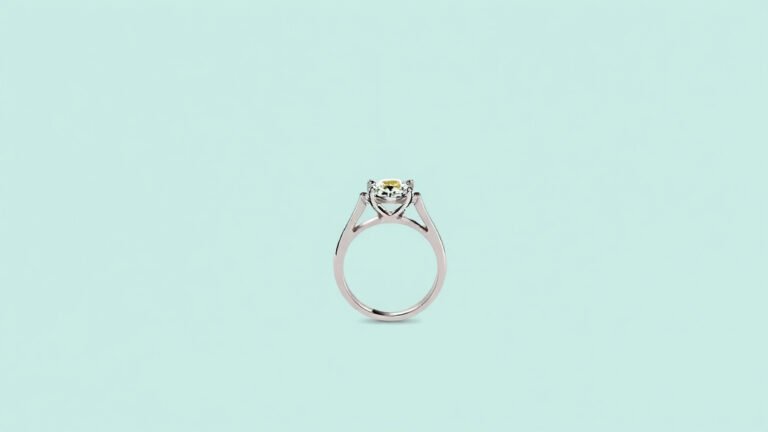
- Solitaire: A classic single diamond, allowing the stone to be the star.
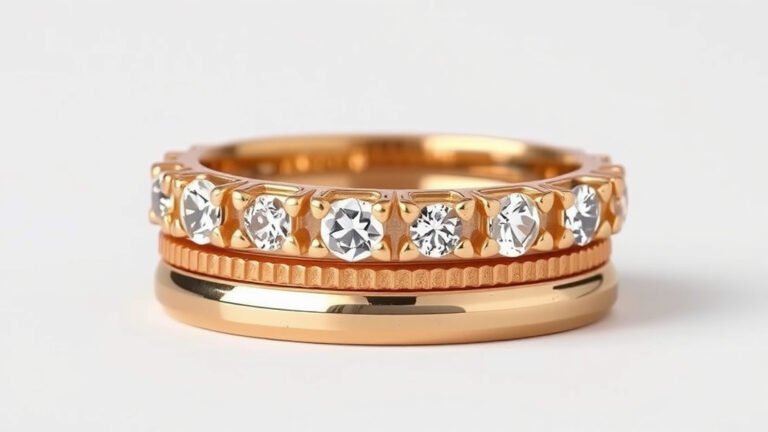
- Pavé: Tiny diamonds set closely together along the band, adding extra sparkle.
- Halo: A center diamond surrounded by a circle of smaller diamonds, making the center stone appear larger.
- Three-Stone: Features a central diamond flanked by two smaller stones, often symbolizing past, present, and future.
- Bezel: A metal rim that encircles the diamond, offering excellent protection.
Think about your partner’s lifestyle. Are they very active? A lower-profile setting or a bezel might be more practical. We found that simpler settings often suit those who prefer understated elegance.
Setting Your Budget and Shopping Smart
It’s essential to establish a budget before you start shopping. This helps narrow down your options and prevents overspending. Remember, the “perfect” ring isn’t about a price tag; it’s about finding a symbol of your love that fits your financial situation.
Budgeting Tips
Many experts suggest a traditional guideline of spending two months’ salary. However, this is just a guideline and not a rule set in stone. Many couples today are opting for a budget that feels comfortable and sustainable for them. We found that open communication with your partner, if possible, can be very helpful in setting realistic expectations. If a surprise is important, discreetly ask their close friends or family for input on what they might be comfortable spending.
Where to Buy
You have several options for purchasing an engagement ring. You can visit local independent jewelers, large chain jewelry stores, or reputable online retailers. Local jewelers often offer personalized service and unique pieces. Chain stores can provide competitive pricing and wider selection. Online retailers often have the best prices due to lower overheads, but you lose the ability to see the diamond in person before buying. Always research reviews and return policies.
Making the Final Decision: Your Checklist
Ready to make your choice? Here’s a quick checklist to ensure you’ve covered all your bases:
- Have you considered your partner’s style (metal preference, shape preference, overall aesthetic)?
- Do you understand the 4 Cs and how they impact the diamond’s appearance and price?
- Is the ring within your established budget?
- Does the ring come with a reputable diamond certificate (like GIA)?
- Does the jeweler offer a fair return or exchange policy?
- Does the ring feel right? Trust your gut!
Take a deep breath! Shopping for an engagement ring is a memorable experience. By focusing on these key areas, you’re well on your way to finding a ring that will be cherished for a lifetime. Happy shopping!
Conclusion
You’ve now got a solid understanding of how to shop for an engagement ring. Remember, the 4 Cs (cut, color, clarity, carat) and your partner’s unique style are your best guides. Setting a budget upfront and asking plenty of questions will ensure you feel confident in your choice. This ring is a symbol of your love, so focus on finding something beautiful that truly represents your relationship. Your next step is to start exploring options, keeping your partner’s preferences and your budget in mind. Happy hunting!
Frequently Asked Questions
How do I know if a diamond is eye-clean?
An eye-clean diamond means any natural imperfections, called inclusions, are too small to see with the naked eye. Jewelers often use a 10x magnification loupe to identify them. We recommend looking for diamonds graded VS1, VS2, or even SI1 for a great balance. If you can’t easily spot any flaws without magnification, it’s likely eye-clean and perfect for you.
Is it okay to buy an engagement ring online?
Yes, buying an engagement ring online can be a great option! Reputable online retailers often offer competitive pricing due to lower overhead. Make sure to research the seller thoroughly, read customer reviews, and check their return policy. Always look for diamonds with grading reports from trusted labs like GIA to ensure quality and authenticity.
What if I don’t know my partner’s ring size?
Don’t stress if you’re unsure about sizing! A common trick is to secretly borrow a ring your partner already wears on their ring finger and have a jeweler measure it. You can also trace the inside of one of their rings or use a string to measure the circumference. Most rings can be resized later, so getting it close is usually sufficient.
Should I consider lab-created diamonds?
Lab-created diamonds are a fantastic option for many shoppers. They are chemically and physically identical to natural diamonds but are produced in a lab, often making them more affordable. We found that they offer the same sparkle and durability as mined diamonds. You can often get a larger or higher-quality lab-created diamond for the same budget as a smaller natural one.
How important is the diamond certificate (grading report)?
The diamond certificate, or grading report, is very important. It’s like an independent verification of the diamond’s quality. Labs like the Gemological Institute of America (GIA) provide detailed information on the 4 Cs. We always advise looking for a GIA-certified diamond to ensure you’re getting exactly what you’re paying for. It provides peace of mind for your purchase.