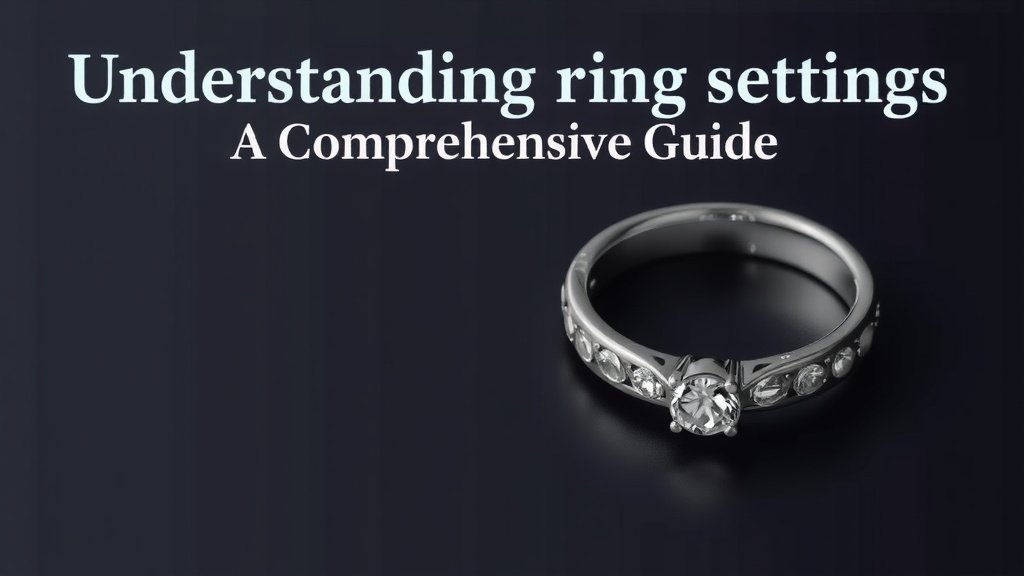
Understanding Ring Settings: A Comprehensive Guide
A ring setting is the part of a ring that holds the gemstone securely in place, and it comes in many different styles. Think of it as the gemstone’s tiny throne! It’s not just about security; the setting also plays a huge role in how your ring looks and how the stone sparkles.
Different settings offer unique looks and levels of protection for your precious stone. Some settings maximize a diamond’s brilliance, while others offer a more modern or vintage vibe. Understanding these styles can help you choose the perfect ring for any occasion.
- The ring setting is what holds your gem.
- It affects the ring’s look and sparkle.
- Settings range from simple to elaborate.
- They also offer different levels of protection for the stone.
Let’s dive into the wonderful world of ring settings and help you find the one that’s just right for you.
Understanding the Many Types of Ring Settings
The setting is the backbone of your ring. It’s where your chosen gemstone sits. But it’s much more than just a holder. The setting influences the ring’s overall style. It also affects how much light hits your stone. This can make your gem look bigger and more brilliant. We’ll walk you through the most popular styles.
Common Ring Setting Styles Explained
The Solitaire Setting: Classic Simplicity
When you think of an engagement ring, the solitaire often comes to mind. It features a single gemstone. This style is timeless and elegant. It lets the center stone be the main focus. Many people love its clean, uncluttered look. It’s a very popular choice for a reason.
Prong Setting
The prong setting is a type of solitaire setting. It uses small metal claws, called prongs. These prongs grasp the edges of the gemstone. They hold it securely above the band. The most common prong settings have four or six prongs. More prongs offer increased security. Fewer prongs allow more light into the stone. This can make your diamond sparkle more intensely. Research suggests that the prong setting offers excellent light return for diamonds (Gemological Institute of America).
Bezel Setting
Instead of prongs, a bezel setting uses a metal rim. This rim surrounds the gemstone. It offers excellent protection for the stone. It’s a great choice if you lead an active lifestyle. The metal band prevents the stone from snagging. It also keeps dirt and debris from getting under the stone. Bezel settings can make a gemstone appear slightly smaller. But they offer superb durability.
The Halo Setting: Added Brilliance
A halo setting is defined by a center stone. This main gem is surrounded by a circle of smaller stones. These tiny gems are often pavé-set. They encircle the center stone like a halo. This style makes the center stone appear larger. It also adds extra sparkle to the ring. Many find this setting to be quite romantic. It can also offer a bit more protection for the center stone. The smaller stones can absorb some impact.
Single Halo
A single halo features one ring of smaller diamonds. This is the most traditional halo style. It’s a classic choice for engagement rings. It adds visual impact without being over the top.
Double Halo
A double halo has two concentric rings of smaller diamonds. This creates a bolder look. It makes the center stone appear even larger. It also adds significant sparkle. Some find double halos to be very eye-catching.
The Three-Stone Setting: Symbolism and Sparkle
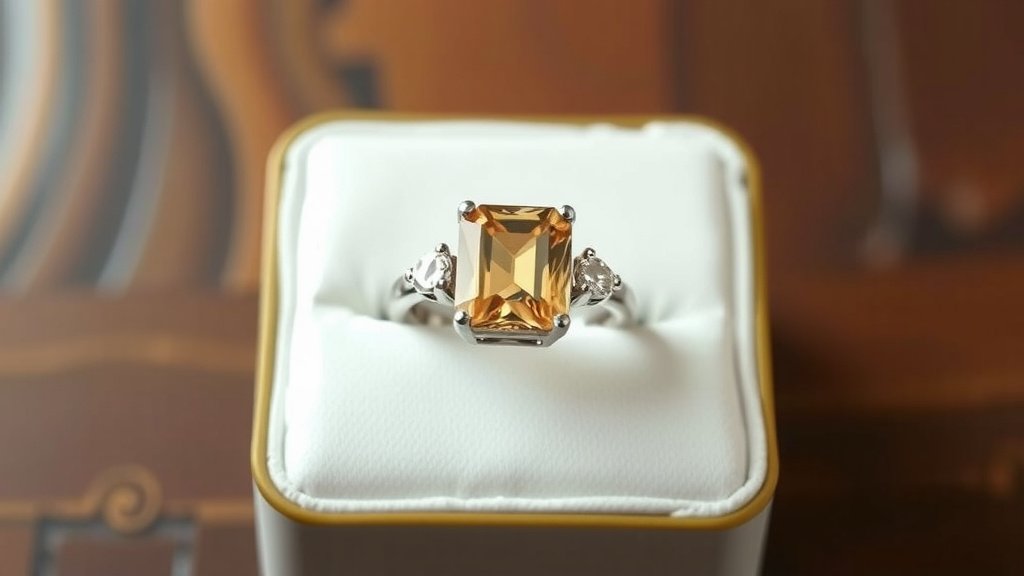
Also known as a trilogy setting, this style features three gemstones. They are typically set side-by-side. The center stone is usually the largest. The two flanking stones are of equal size. This setting often symbolizes the past, present, and future. It’s a meaningful choice for many couples. The three stones together create a lovely display of sparkle. It also offers a good balance of protection for the center stone.
The Pavé Setting: A Shower of Sparkle
The term “pavé” means “paved” in French. In this setting style, small gemstones are closely set together. They sit in tiny cups on the metal surface. There are minimal visible metal borders between the stones. This creates a seamless, glittering surface. Pavé settings are often used on the band of a ring. They can also be used in halo settings. They add a lot of brilliance to any ring.
Micro-Pavé
Micro-pavé is a variation of the pavé setting. It uses even smaller diamonds. The settings are incredibly fine. This creates a very delicate and shimmering effect. It requires highly skilled craftsmanship. It can make a ring look like it’s covered in diamonds.
Channel Setting: Sleek and Secure
In a channel setting, gemstones are placed in a groove. This groove is cut into the metal band. The metal itself forms the sides of the channel. This holds the stones securely in place. There are no prongs or bezels visible. This gives the ring a smooth, clean profile. Channel settings are very durable. They are excellent for everyday wear. They protect the gemstones well from damage. Many prefer this setting for its modern look.
Other Notable Settings to Consider
Tension Setting
Tension settings use the metal band’s natural tension. The band is precisely engineered. It creates opposing forces. These forces hold the gemstone in place. The stones appear to float. This is a very modern and minimalist design. It offers a unique look. However, it requires expert craftsmanship. It may not offer as much security as other settings. Some experts note that gemstones in tension settings can be more vulnerable to displacement if the band is bent (American Gem Society).
Flush Setting
Similar to a channel setting, the flush setting places stones directly into the metal. The surface of the metal is cut. The stones are then set so their tops are perfectly level with the metal. This provides maximum protection. It’s a very low-profile setting. It’s ideal for active individuals. It gives a very sleek and contemporary appearance.
Choosing the right setting is a big decision. Think about your lifestyle. Do you work with your hands a lot? Are you prone to bumping into things? If so, a more secure setting like a bezel or channel might be best. If you want maximum sparkle, a halo or pavé could be perfect. Here’s a quick checklist to help you decide:
- Consider your daily activities.
- Think about your preferred aesthetic (classic, modern, vintage).
- Decide on the level of protection you need for your stone.
- Factor in how much sparkle you desire.
- Don’t forget about maintenance.
- Discuss your preferences with your jeweler.
Conclusion
You’ve learned that a ring setting is more than just a holder for your gemstone. It’s a key design element. It impacts your ring’s security, sparkle, and overall style. From classic solitaires to dazzling halos, there’s a setting to suit every taste and lifestyle. Consider your daily activities and aesthetic preferences. This will help you choose the perfect setting. Visit your local jeweler to see these styles in person. They can help you find the ring that speaks to you.
Frequently Asked Questions
What is the most secure type of ring setting?
Generally, bezel and channel settings are considered the most secure. A bezel setting fully encircles the gemstone with a metal rim. A channel setting holds stones within a groove in the band. Both styles offer excellent protection against bumps and snags, making them ideal for active individuals.
Which ring setting makes a diamond look the biggest?
Settings like the halo and solitaire with a larger center stone can make your diamond appear bigger. The smaller stones in a halo setting create an illusion of size. A solitaire setting, especially with fewer prongs like a four-prong setting, allows more of the center stone to be visible.
Can a ring setting affect how much a diamond sparkles?
Absolutely! Open settings like the prong setting allow the most light to enter the diamond. This maximizes its brilliance and fire. Settings that cover more of the stone, like a bezel or channel setting, may slightly reduce the amount of light entering, thus impacting sparkle.
What’s the difference between pavé and micro-pavé settings?
Both pavé and micro-pavé settings feature small diamonds set closely together. The main difference is the size of the stones and the metalwork. Micro-pavé uses even smaller diamonds and finer metal beads. This creates a more delicate and glittering surface that looks almost paved with tiny gems.
Is a tension setting safe for an engagement ring?
Tension settings offer a unique, modern look by using the metal band’s pressure to hold the stone. While beautiful, they may not be as secure as traditional settings. The metal band needs to be precisely engineered, and if the band bends, the stone could become dislodged. It’s best for those who are very gentle with their rings.