Wedding Rings on Left Hand: The Ancient Reason
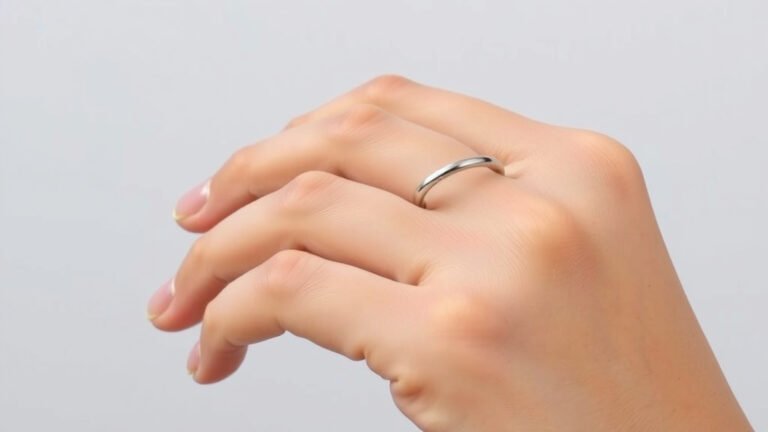
You’re probably wondering why wedding rings are traditionally worn on the left ring finger. Many cultures believe this finger holds a special vein, the “vena amoris”, directly connected to the heart. While this is a romantic notion, it’s not scientifically accurate, but the tradition has persisted for centuries.
The practice dates back to ancient times, with Romans and Egyptians adopting it. While the exact origin is debated, the symbolism of love and connection is strong. It’s a visible sign of your commitment and marital status, worn on a finger that’s less used, keeping the ring safe. Many couples today still choose this tradition for its historical and emotional significance.
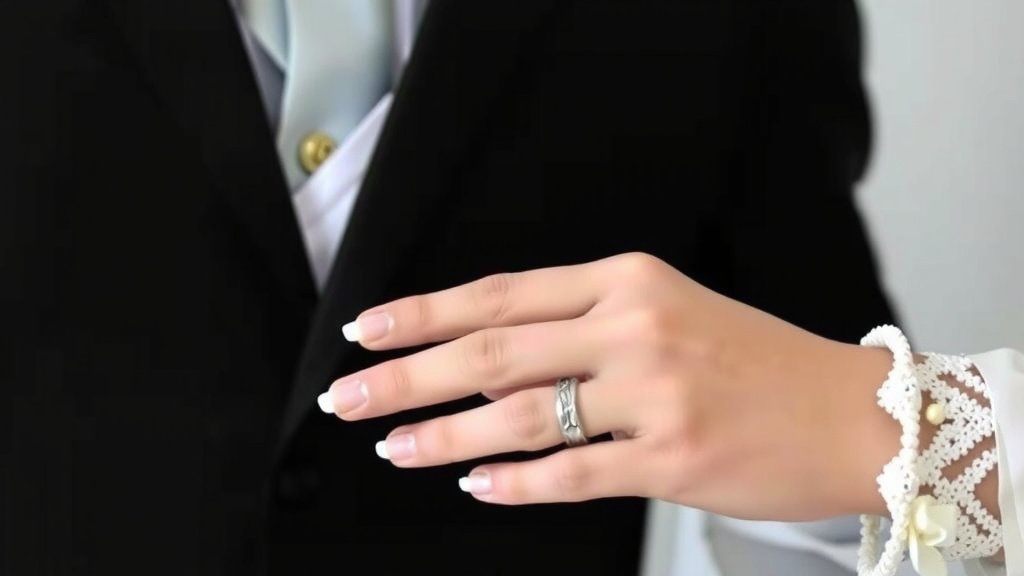
- Wedding rings are typically worn on the left ring finger.
- This tradition is linked to the romantic idea of the “vena amoris” or “vein of love.”
- Ancient Romans and Egyptians are believed to have started this custom.
- It serves as a visible symbol of love and marital commitment.
- The left hand is often chosen to protect the ring from daily wear.
So, let’s dive deeper into the history and reasons behind this enduring tradition and explore what it means today.
The Enduring Tradition of the Left Hand Ring
You’ve chosen your rings, picked the perfect day, and now you’re wondering about the finger. Why has the left ring finger been the go-to spot for wedding rings for centuries? It’s a tradition steeped in history and romance, even if the science behind it is a bit fuzzy.
We’ll explore the fascinating origins and enduring symbolism that makes this choice so special for couples around the globe. Let’s uncover the story behind why your wedding ring likely belongs on your left hand.
Unpacking the “Vena Amoris” Legend
The most romantic explanation for wearing the wedding ring on the left ring finger traces back to the ancient Romans. They believed there was a special vein, the “vena amoris”, or “vein of love.”
This vein, they thought, ran directly from the fourth finger of your left hand straight to your heart. Imagine that! A direct line of love from your finger to your soulmate’s heart. It’s a beautiful sentiment, isn’t it?
Debunking the Myth, Embracing the Romance
While it’s a lovely thought, modern anatomy tells us that all fingers have veins connected to the heart. There isn’t one single vein unique to the ring finger. Yet, the legend of the vena amoris has been incredibly powerful.
Many sources suggest the tradition gained traction because of this romantic, albeit unscientific, belief. It captured the imagination and offered a tangible symbol of that deep, emotional connection between two people. The idea resonated, and the tradition stuck.
Historical Roots: Ancient Practices and Symbolism
The tradition of wearing a ring to signify commitment isn’t new. Evidence points to ancient civilizations like the Egyptians and Romans adopting similar practices long before modern times.
The Egyptians are often credited with early ring traditions. They used braided reeds or hemp to create rings, symbolizing eternity and love. These were worn on the fourth finger of the left hand, mirroring the vena amoris concept.
Roman Influence and Betrothal Rings
The Romans continued this practice, often using rings as a symbol of agreement or betrothal. These weren’t always ornate; sometimes, they were simple iron bands.
These early rings were a public declaration of a binding agreement between families. They represented ownership and fidelity. The placement on the left hand, linked to the heart, only amplified their meaning of deep affection and loyalty.
Evolution Through the Centuries
Over time, the materials and styles of wedding rings evolved. Gold, silver, and precious gemstones became more common. Yet, the placement on the left ring finger largely remained consistent across many cultures.
Even as societies changed, the symbolic gesture of a ring on that specific finger continued to represent love and enduring commitment. It became a visual cue of marital status.
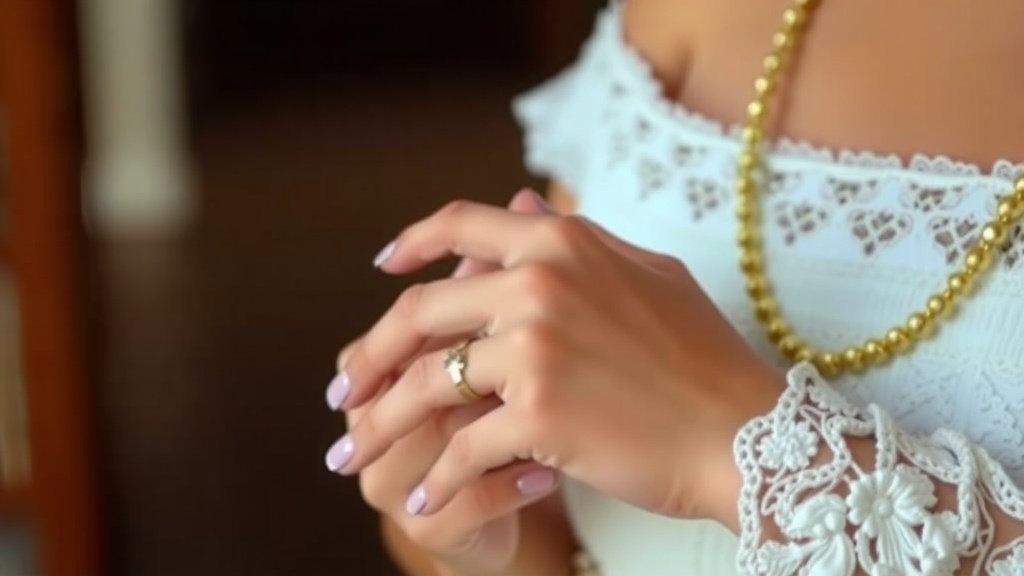
Practical Reasons for the Left Hand Choice
Beyond the romantic notions and historical precedents, there are practical reasons why the left hand became the preferred choice.
Consider your dominant hand. For most people, that’s the right hand. Wearing a valuable ring on your dominant hand means it’s more likely to be exposed to daily wear and tear.
Protecting Your Precious Symbol
Your wedding ring is a significant symbol. It represents your union and is often a considerable investment. The left hand, being less dominant for most, offers a bit more protection.
By wearing it on the left, you reduce the chances of accidental scratches, bumps, or damage during everyday activities. This helps keep your ring in beautiful condition for longer.
Avoiding Interference with Daily Tasks
Think about common tasks: writing, using tools, or even shaking hands. Your dominant hand is constantly engaged. A ring on that hand might get in the way or become uncomfortable.
Wearing the ring on the non-dominant hand minimizes these daily inconveniences. It allows you to go about your routine without constantly being aware of your ring interfering.
Cultural Variations and Modern Choices
While the left-hand tradition is widespread, it’s not universal. Many cultures have different customs regarding wedding ring placement.
In some European countries, like Germany, Russia, and Norway, wedding rings are traditionally worn on the right ring finger. This highlights that while the left hand is common, it’s not the only way.
Symbolism in Different Traditions
The meaning behind the placement can vary. In cultures that favor the right hand, the symbolism might be tied to different beliefs or historical influences. For instance, in some traditions, the right hand is associated with strength or righteousness.
It’s fascinating to see how the same symbol – the wedding ring – can have slightly different interpretations based on cultural norms and historical context. What remains constant is the ring’s role as a marker of union.
Your Choice, Your Meaning
Today, couples have more freedom than ever to choose what feels right for them. While the left-hand tradition is popular, some couples opt for the right hand, or even wear their rings on necklaces.
Ultimately, the most important aspect is the meaning you and your partner ascribe to the ring and its placement. Whether it’s the vena amoris, historical significance, or simply personal preference, your ring tells your unique story.
Here’s a quick rundown of why the left hand is so common:- The romantic belief in the “vena amoris” (vein of love).
- Ancient traditions dating back to Egyptians and Romans.
- Symbolism of a direct connection to the heart.
- Practicality of protecting the ring from damage.
- Minimizing interference with daily, dominant-hand tasks.
Conclusion
You’ve learned that wearing your wedding ring on your left hand is a tradition with a rich history. It blends romantic ideas like the vena amoris with ancient practices and practical considerations. While many couples continue this custom for its deep symbolism and historical roots, your personal choice is what truly matters.
So, as you celebrate your union, feel empowered to embrace this tradition or create your own. The most important thing is the love and commitment you share. Now that you understand the why, perhaps it’s time to choose or admire your perfect symbol of love!
Frequently Asked Questions
Does everyone wear their wedding ring on the left hand?
No, not everyone does. While wearing the wedding ring on the left hand is common in many Western cultures, some countries like Germany, Russia, and India traditionally place it on the right ring finger. Your personal or cultural preference is what guides this choice.
Is the “Vena Amoris” real?
The “Vena Amoris,” or “vein of love,” is a romantic legend from ancient times. It’s not scientifically accurate, as all veins in your fingers connect to your heart. However, the beautiful sentiment behind this belief has helped sustain the tradition for centuries.
Why is the left hand considered less likely to damage a ring?
For most people, the right hand is their dominant hand, meaning it’s used more frequently for tasks. Wearing your ring on the less dominant left hand can help protect it from daily wear and tear, reducing the chances of scratches or damage during activities.
Are there any other reasons wedding rings are on the left hand besides the vena amoris?
Yes, historical and practical reasons play a big role. Ancient Egyptians and Romans used rings to symbolize commitment, often on the left hand. Practically, wearing it on the less-used left hand can prevent interference with tasks and keep the ring safer.
What if I want to wear my wedding ring on my right hand?
That’s perfectly fine! Many cultures traditionally wear wedding rings on the right hand, and modern couples often choose based on personal preference, comfort, or what feels most meaningful to them. The symbolism of your union is the most important aspect.