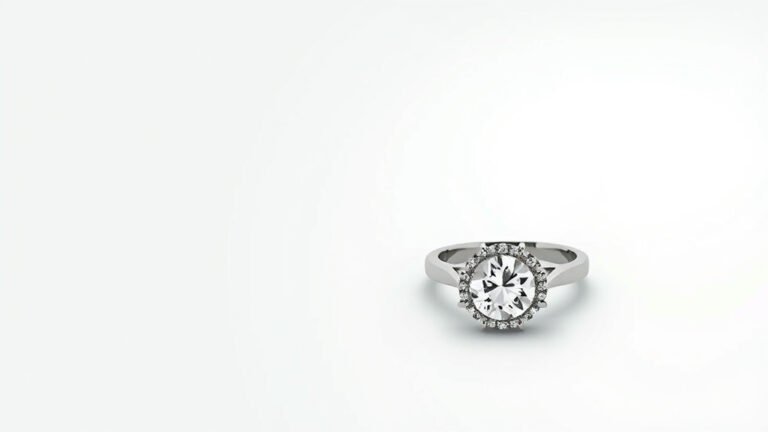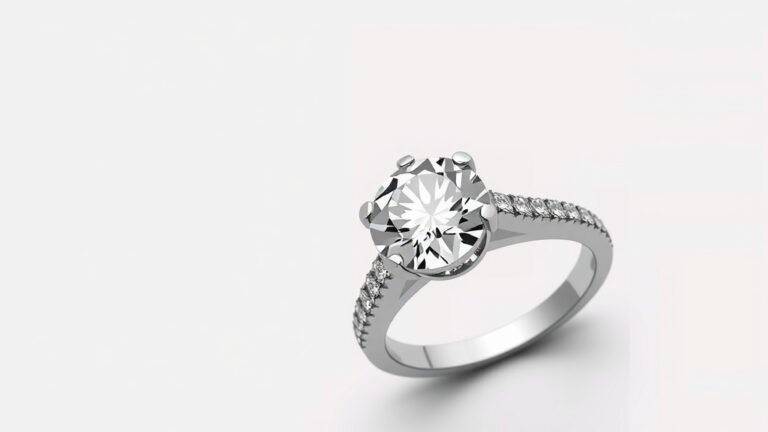

Understanding the Bezel Setting: A Jewelry Guide
A bezel setting is a metal rim that encircles a gemstone. This rim is carefully shaped to hold the stone securely in place. It’s one of the oldest and most protective ways to set a jewel in jewelry. You’ll often see it used for diamonds and other precious stones.
This type of setting offers excellent protection for your gem. The metal border acts like a shield, guarding the stone against chips and scratches. Many jewelry lovers prefer bezel settings for their durability and classic look. They can also make a stone appear larger and more substantial.
- A bezel setting uses a metal rim.
- This rim fully encloses the gemstone.
- It’s known for being very secure.
- Bezel settings protect stones from damage.
- They offer a smooth, snag-free finish.
Let’s take a closer look at what makes a bezel setting so popular and how it works in detail.
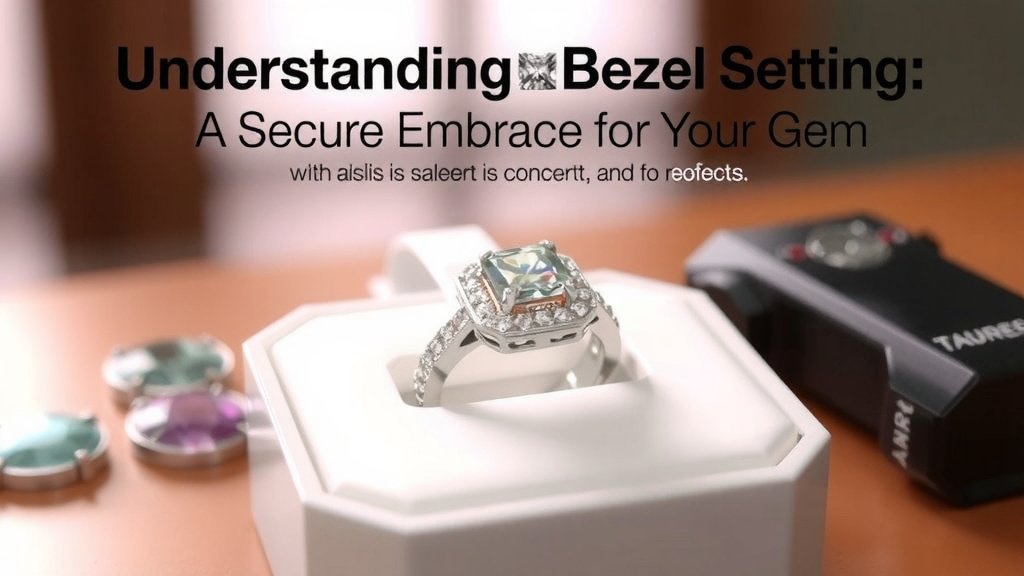
Understanding the Bezel Setting: A Secure Embrace for Your Gem
A bezel setting is essentially a custom-fit metal collar. This collar wraps around the girdle (the widest part) of your gemstone. It then folds over the top edge. This creates a secure, protective frame. It’s a method that has stood the test of time. People have used it for thousands of years.
How Does a Bezel Setting Work?
Think of it like a hug for your stone. The metal is carefully formed. It’s shaped to match the gemstone’s profile exactly. Then, a jeweler uses specialized tools. They gently push the metal’s edge over the stone’s crown. This action secures the gem firmly in its seat. It leaves very little of the stone exposed.
The Many Benefits of a Bezel Setting
Why choose a bezel setting? There are several compelling reasons. Your gemstone receives superior protection. This is perhaps the biggest advantage. The metal rim acts as a shield. It absorbs everyday bumps and knocks. This is especially important for softer gemstones.
Unmatched Protection for Your Gemstone
Research consistently shows bezel settings offer the best protection. They are ideal for active lifestyles. The metal guards against chips and scratches. This is because the edges of the stone are covered. This greatly reduces the risk of damage. Many people find this peace of mind very appealing.
A Smooth, Snag-Free Experience
Another fantastic benefit is the smooth finish. Have you ever caught a ring on clothing? A bezel setting helps prevent that. There are no sharp prongs to snag. This makes it perfect for everyday wear. You can easily slide your hand through pockets or hair without issue.
Making Your Stone Appear Larger
It might seem counterintuitive. But a bezel setting can make a diamond or gemstone appear larger. The solid metal border can create an optical illusion. It can make the stone look more substantial. This is a clever trick for those wanting a bigger look. It often works better than settings with thin prongs.
Types of Bezel Settings
Bezel settings aren’t one-size-fits-all. They come in a few variations. Each offers a slightly different look and feel. The choice often depends on your personal style and the stone.
Full Bezel
This is the most common type. A full bezel completely encircles the gemstone. It offers maximum protection. It has a classic, bold appearance. You’ll see this style frequently on engagement rings. It’s a very reliable choice for durability.
Partial Bezel
A partial bezel uses less metal. It might only cover two or three sides of the stone. This allows more light to enter the gem. It can enhance sparkle. It also provides a more modern, open look. However, it offers less protection than a full bezel. This style is great for gems that are less likely to be hit.
Framed Bezel
Sometimes, a bezel setting is combined with other elements. You might see small diamonds or decorative metalwork. This can be around the main bezel. It adds extra flair and detail. It’s a way to customize the look further.
Bezel Settings vs. Other Setting Types
How does a bezel setting compare to other popular options? Let’s look at a few. Understanding these differences can help you choose wisely.
| Setting Type | Pros | Cons |
|---|---|---|
| Bezel | Maximum protection, snag-free, smooth finish, can make stone appear larger. | Less light enters the stone, can obscure the stone’s edges. |
| Prong | Allows maximum light entry, shows off the stone’s brilliance, versatile designs. | Less protection, prongs can snag, risk of stone loosening over time. |
| Channel | Stones set side-by-side with no metal in between, very secure, smooth surface. | Can’t wear individual stones, limited gemstone shapes, less brilliance than prong. |
Many jewelry designers create stunning pieces. They use a mix of these settings. For example, a central stone might be bezel-set. Smaller accent stones could be prong-set.
Is a Bezel Setting Right for You?
Consider your lifestyle and preferences. If you lead an active life, a bezel is a smart choice. Parents often prefer bezel settings for children’s jewelry. This is due to the excellent security. If you love a minimalist or classic look, it fits well.
Are you worried about damaging your precious stones? Do you want a setting that requires minimal upkeep? A bezel setting might be your perfect match. It offers beauty and peace of mind. Many experts agree it’s a top choice for durability (GIA).
Caring for Your Bezel-Set Jewelry
Caring for bezel-set jewelry is generally simple. You’ll want to clean it regularly. This keeps it looking its best. Use a soft brush and mild soap. Gently scrub around the metal and stone. Rinse thoroughly. Dry with a lint-free cloth.
You should still have your jewelry checked periodically. A jeweler can ensure the bezel remains secure. They can also polish any minor scratches. Regular checks are a good idea for any fine jewelry. This applies regardless of the setting type.
Key Takeaways for Bezel Settings
- Bezel settings offer the best gemstone protection.
- They feature a metal rim that encircles the stone.
- This design provides a smooth, snag-free finish.
- They can make a gemstone appear larger and more substantial.
- Full bezels provide maximum security.
- Partial bezels offer a more modern look with more sparkle.
Conclusion
You’ve learned that a bezel setting is a timeless choice for jewelry. It offers superior protection and security for your precious gemstones. The smooth metal rim encircles your stone, guarding it against chips and snags. This makes it ideal for active wearers. A bezel can also give your gem a larger, more substantial appearance. Whether you prefer a full or partial bezel, it’s a practical and stylish option. If you’re looking for durability and peace of mind in your jewelry, a bezel setting is definitely worth considering.
Now that you understand the benefits, think about how a bezel setting might fit into your jewelry collection. Consider visiting a local jeweler to see some examples firsthand.
Frequently Asked Questions
Are bezel settings good for engagement rings?
Yes, bezel settings are excellent for engagement rings, especially if you lead an active lifestyle. They offer unparalleled protection for your center stone against everyday wear and tear. Many people also love the clean, modern look that a bezel setting provides for an engagement ring.
Can a bezel setting make a diamond look bigger?
Absolutely. The solid metal border of a bezel setting can create an optical illusion, making the gemstone appear larger than it might in other settings. This effect is often more pronounced with full bezels, which create a bold frame around the stone.
How do you clean jewelry with a bezel setting?
Cleaning bezel-set jewelry is quite simple. You can use a soft toothbrush with mild soap and warm water to gently scrub around the metal and stone. Be sure to rinse thoroughly and dry with a soft, lint-free cloth to avoid scratches.
What’s the difference between a full bezel and a partial bezel?
A full bezel completely surrounds the gemstone, offering maximum protection. A partial bezel, on the other hand, only covers two or three sides of the stone. This allows more light to enter the gem, potentially increasing its sparkle, but offers less overall security.
Are bezel settings more expensive than prong settings?
Generally, bezel settings can be slightly more expensive than basic prong settings because they require more metal. The process of shaping the metal precisely around the stone also involves skilled labor. However, the added durability and unique aesthetic can make the investment worthwhile for many.