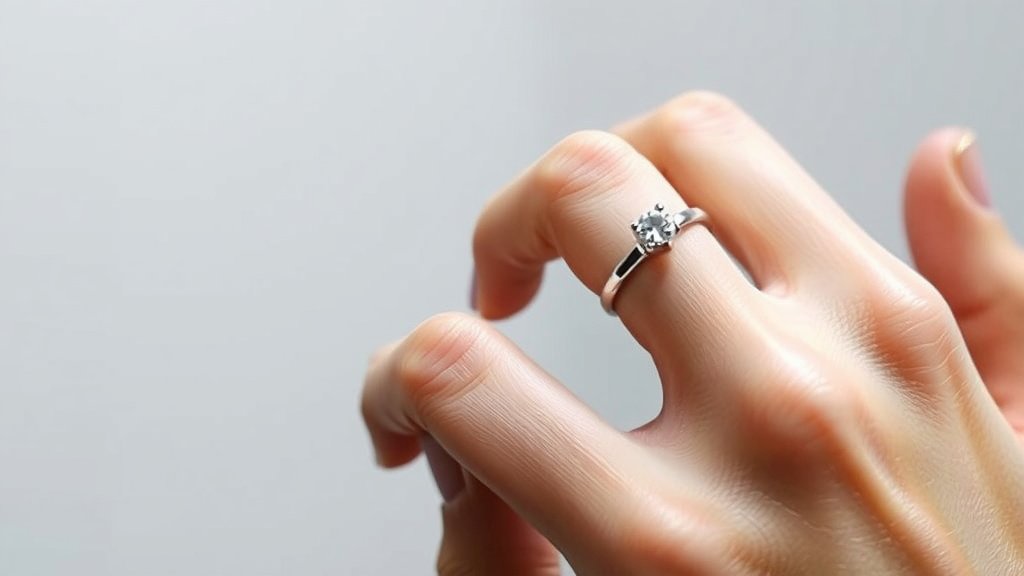
What Ring Width Means for Your Perfect Fit
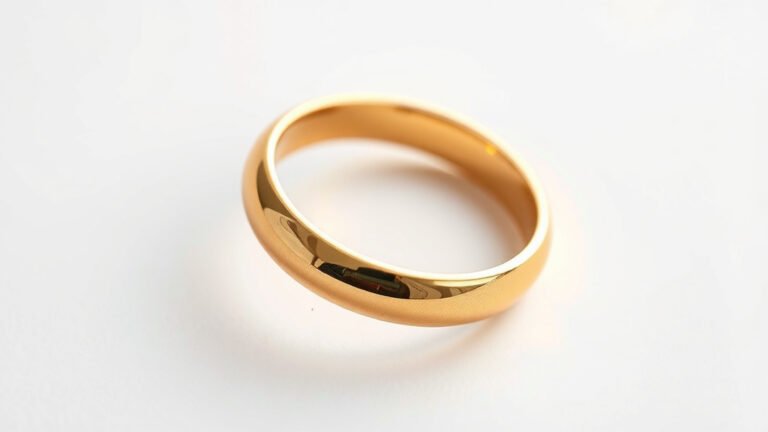
Ring width refers to the measurement across the band of a ring. It’s typically expressed in millimeters (mm). Understanding ring width is important for comfort and style when choosing your next piece of jewelry. A wider band may offer a bolder look, while a narrower band often feels more delicate. We’ve found that even a slight difference in width can change how a ring feels on your finger.
The ideal ring width depends on several factors. This includes your finger size, the ring’s design, and personal preference. For example, very wide rings might feel uncomfortable for those with smaller hands or shorter fingers. Conversely, a thin band might not provide the desired presence for some styles. We’ve seen that popular widths range from about 2mm to 8mm, but custom options exist.
- Ring width is the measurement across a ring’s band in millimeters.
- It greatly affects the ring’s comfort and visual appearance.
- Consider your finger size and desired style when choosing width.
- Common widths are between 2mm and 8mm, but this varies.
Let’s walk through exactly what ring width means for you and how to pick the perfect size.
You’ve got the basics of ring width down. Now, let’s dive a little deeper. Understanding how width impacts a ring will help you make a decision you’ll love for years to come. Think of it like choosing the right size shoes – a little difference can make a big impact on how it feels and looks. We found that many people don’t consider width until they’re trying rings on, but it’s worth thinking about beforehand.
How Ring Band Width Affects Your Ring
The width of a ring band plays a huge role in its overall look and feel. It’s not just a number; it’s a design element. A wider band can change how a ring sits on your finger and even how it pairs with other rings.
The Visual Impact of Width
Wider bands tend to have a bolder presence. They can make a statement and draw more attention. This is often great for engagement rings or signet rings. Think of a thick band like a solid foundation for your ring’s design. It can hold larger stones or more intricate patterns without looking overwhelmed. We found that a wider band can make a ring feel more substantial.
On the flip side, narrow bands appear more delicate and subtle. They are often chosen for stacking rings or for those who prefer understated jewelry. A slim band can feel light and airy. It might be the perfect choice if you want a ring that doesn’t overpower your hand. Many people choose narrow bands for their everyday wear rings because they are less obtrusive.
Comfort and Fit Considerations
Ring width directly affects comfort. A wider band covers more of your finger. This can feel different, especially if you’re not used to it. Some people find wider bands snugger, which can be good for security. Others might feel restricted. We found that comfort is a key factor, and it’s very personal.
Narrow bands usually feel lighter. They might be more comfortable for people who are sensitive to pressure. If you have very short fingers, a very wide band might make your fingers look even shorter. Conversely, a very thin band on a larger hand might look a bit lost. It’s all about balance. Many jewelers suggest trying on different widths to see what feels best for your hand shape (GIA).
Common Ring Widths and What They Mean
Most rings fall into a few common width categories. Knowing these can help you narrow down your choices. We see these widths frequently in jewelry stores and online.
Narrow Bands (Under 4mm)
Rings less than 4mm wide are generally considered narrow. This includes widths like 2mm, 3mm, and 3.5mm. These bands are great for delicate designs. They are also a popular choice for stacking rings. You can mix and match different narrow bands for a unique look. Many wedding bands are in this range for a subtle pairing.
These are often chosen for their **lightweight feel**. They don’t tend to catch on things as much. If you have small hands or slender fingers, a narrow band can be very flattering. It won’t overwhelm your hand. We found that stacking two or three 2mm bands can create a look similar to a single wider band but with more flexibility.
Medium Bands (4mm to 6mm)
The 4mm to 6mm range is often considered medium width. This is a very popular sweet spot for many types of rings. A 5mm band, for example, offers a good balance of presence and comfort. It’s wide enough to be noticeable but usually not too wide to feel cumbersome.
Many comfort-fit wedding bands are found in this category. They offer a bit more surface area for engraving or decorative details. If you want a ring that feels solid but still comfortable for daily wear, this range is a great starting point. We found that 6mm bands often feel substantial for men’s rings.
Wide Bands (Over 6mm)
Bands measuring 6mm and up are considered wide. This includes widths like 7mm, 8mm, and even wider custom options. Wide bands make a strong visual impact. They are excellent for bold designs or for people who want their ring to be a focal point.
Consider the proportions of your hand when choosing a wide band. On larger hands, a wide band can look perfectly balanced. On smaller hands, a very wide band might feel too dominant. Wide bands can also be very comfortable if they are well-made, especially if they have rounded inner edges. Many men’s wedding bands are 7mm or 8mm wide. We found that a wide band can provide a great canvas for unique textures or patterns.
Factors to Consider When Choosing Ring Width
Several things should influence your decision about ring width. It’s not just about trends; it’s about what works for you. Let’s look at the key elements.
Your Finger Size and Shape
As we touched on, finger size matters. If you have smaller hands or shorter fingers, a very wide band might not be the most flattering choice. It can make your fingers appear shorter. Conversely, if you have larger hands or longer, wider fingers, a narrow band might seem disproportionate. We found that a general rule of thumb is that the width of the band should be proportionate to the overall size of your hand and finger.
Think about the knuckle size too. If you have prominent knuckles, a wider band might help balance them out. Some jewelers recommend that the band width shouldn’t exceed about half the width of your finger at its widest point. This is just a guideline, of course. What feels good to you is most important.
The Ring’s Design and Setting
The design of the ring itself often dictates the ideal width. A ring with a large, prominent gemstone might need a wider band to support it visually and physically. A simple solitaire, however, might look best on a delicate, narrow band.
Consider a halo setting. The halo adds visual width around the center stone. In this case, a narrower band might be perfect to let the halo shine. For rings with intricate carvings or detailed patterns, a medium to wide band can provide a better canvas. We found that the band width should complement, not compete with, the main design elements of the ring.
Your Personal Style and Lifestyle
What’s your everyday style? Do you prefer bold statements or subtle elegance? Your personal style is a huge factor. If you love making a statement, a wider band might be perfect for you. If you’re more understated, a narrow band is likely a better fit.
Also, think about your lifestyle. Are you very active? Do you work with your hands a lot? A wider, thicker band might get in the way or be more prone to damage. A narrower band might be more practical for some daily activities. Many people choose a narrower band for their engagement ring if it’s worn daily and they are very active. We found that comfort and practicality are key for rings worn every day.
Stacking and Layering Rings
If you plan to wear multiple rings together, their widths become even more important. Mixing widths can create an interesting look. You might pair a 3mm band with a 5mm band. Be mindful of how they sit next to each other. Do they rub? Do they look balanced?
Often, people use narrow bands as spacers between wider rings. Or, they might stack several thin bands for a delicate, layered effect. If you’re buying a wedding band to go with an engagement ring, you’ll want to consider how the two widths will look side-by-side. We found that a popular approach is to choose a wedding band that is 1-2mm narrower than the engagement ring band for a harmonious look.
| Width (mm) | Common Uses | Feel/Look |
|---|---|---|
| 1-3 | Stacking rings, delicate bands, minimalist styles | Very delicate, subtle, lightweight |
| 4-5 | Everyday wear, comfort fit bands, modest engagement rings | Balanced, comfortable, noticeable but not overwhelming |
| 6-8 | Men’s wedding bands, statement rings, bold designs | Substantial, strong presence, bold |
| 8+ | Custom designs, very bold statement rings | Very bold, significant presence, can feel heavy |
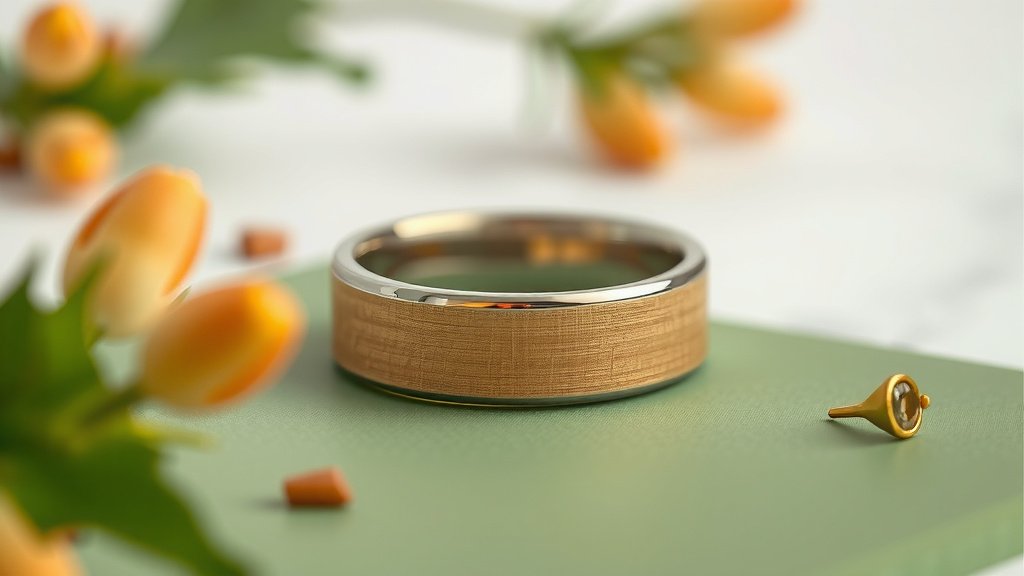
Tips for Choosing Your Perfect Ring Width
Ready to make a choice? Here are a few final tips to help you feel confident. We’ve seen many people find success with these simple steps.
- Try Before You Buy: If possible, try on rings with different band widths.
- Consider Your Hand: Look at your hand size and finger proportions.
- Think About Your Style: Match the width to your personal fashion sense.
- Factor in Your Lifestyle: Choose a width that suits your daily activities.
- Visualize with Other Rings: If stacking, imagine how the widths will pair.
- Don’t Be Afraid to Ask: Jewelers are great resources for advice.
Conclusion
You’ve learned that ring width is more than just a measurement; it’s a key element in a ring’s overall design, comfort, and how it looks on your hand. Whether you prefer a delicate 2mm band for stacking or a bold 8mm statement piece, the right width can make all the difference. We’ve seen that considering your finger size, personal style, and lifestyle will guide you to a choice you’ll love. Your next step is to trust your instincts and try on different widths to feel what’s perfect for you.
Frequently Asked Questions
Does ring width affect comfort?
Yes, ring width significantly impacts comfort. Wider bands cover more of your finger, which can feel snug or even restrictive for some. Narrower bands tend to feel lighter and less intrusive, making them a comfortable choice for many people, especially for daily wear.
How do I know if a wide or narrow band is better for my hand?
Consider your finger proportions. Narrow bands often look best on slender fingers or smaller hands, while wider bands can create a balanced look on larger hands or longer fingers. It’s also about personal preference; some prefer the subtle feel of a thin band, others the substantial presence of a wide one.
Can I wear a wide band if I have small hands?
You absolutely can, but it’s worth considering proportions. A very wide band on a small hand might visually shorten your fingers. Many find that a medium width, around 4-6mm, offers a good balance. Trying on different widths is the best way to see what feels right for your hand.
What is the most popular ring width?
The most popular widths tend to fall into the medium range, typically between 4mm and 6mm. This range offers a great balance of visual presence and comfortable wearability for many different ring styles and personal preferences.
How does ring width affect stacking rings?
When stacking, mixing widths can create visual interest. Narrow bands (1-3mm) are great for delicate stacks or as spacers between wider rings. Medium bands (4-5mm) work well as standalone pieces or paired with other medium widths. The key is ensuring they sit comfortably together and create a look you love.