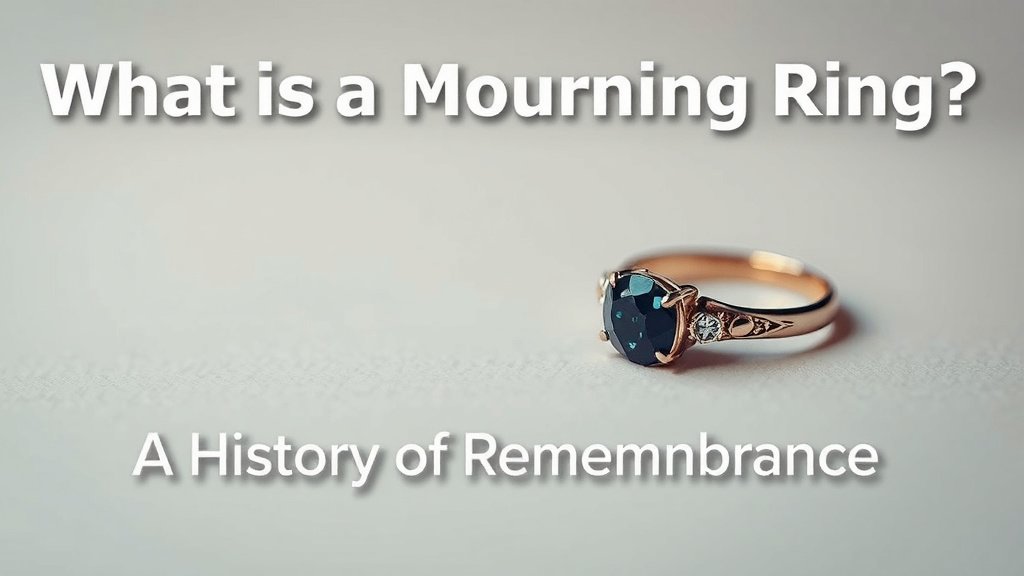
What is a Mourning Ring? A History of Remembrance
A mourning ring is a type of memorial jewelry worn to remember a loved one who has passed away. These rings often contain a lock of hair or a small portrait of the deceased. They are a deeply personal and beautiful way to keep a memory close to your heart. You’ll find they can be made from various precious metals and often feature engravings.
Mourning rings have a rich history, dating back centuries. They were especially popular during the Victorian era, a time when expressing grief openly was more common. Back then, they served as a visible symbol of remembrance and respect. Today, they continue to offer comfort and a tangible connection to those we’ve lost.
- Mourning rings are sentimental jewelry worn in memory of someone departed.
- They often feature personal mementos like hair or miniature portraits.
- These rings have a long history, particularly popular in the Victorian era.
- Wearing one offers a way to keep a loved one’s memory close.
We’ve researched mourning rings and are here to share what we found. Let’s dive into the details of what makes these rings so special.
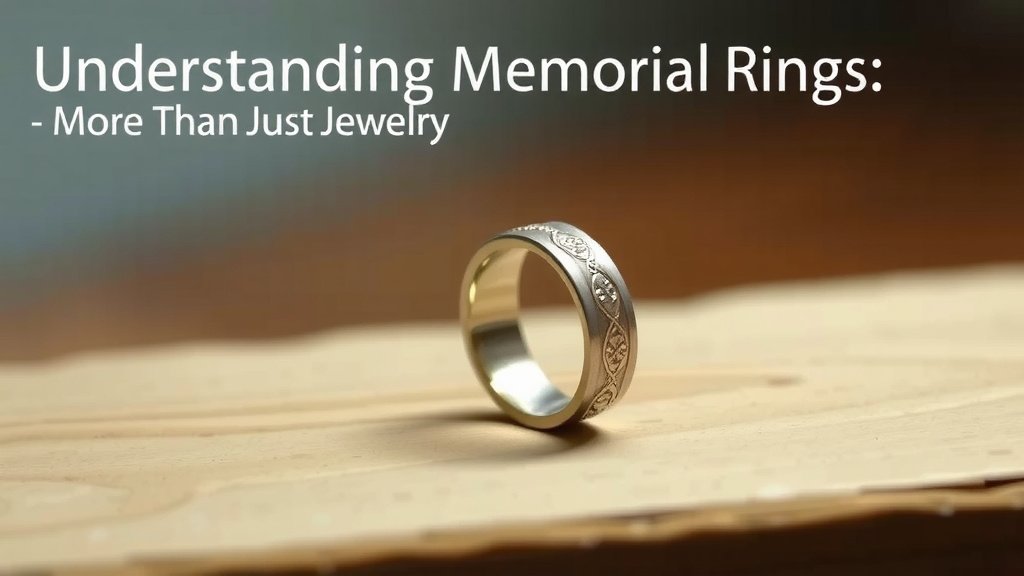
Understanding Memorial Rings: More Than Just Jewelry
So, what exactly is a mourning ring? At its heart, it’s a special piece of jewelry. You wear it to keep the memory of someone you’ve lost very close. These rings aren’t just about looking pretty; they hold deep personal meaning. We’ve researched them and found they’re often crafted with specific elements to honor a departed loved one.
The Historical Roots of Mourning Rings
Mourning rings have a long and fascinating history. Their popularity really took off in the 18th and 19th centuries. This was a time when openly showing grief was more accepted. These rings served as a public display of remembrance. They were a way to signify that you were in mourning and to honor the person you missed.
Victorian Era Popularity
The Victorian era, in particular, was a golden age for mourning jewelry. Queen Victoria herself set the tone after the death of Prince Albert. Her prolonged period of mourning influenced fashion and customs. Mourning rings became a prominent symbol of loss during this time. They were often worn by both men and women.
Symbolism and Sentiment
These rings were not just fashionable; they were deeply symbolic. They carried messages of love, loss, and remembrance. The craftsmanship often reflected the era and the personal status of the wearer. Many people today still find comfort in these historical connections.
What Makes a Mourning Ring Unique?
What sets a mourning ring apart from other rings? It’s usually the sentimental elements incorporated into its design. These aren’t just random decorations. They are carefully chosen mementos intended to represent the person being remembered.
Common Features and Materials
You’ll often find these rings made from precious metals like gold, silver, or platinum. Sometimes, they were made with less expensive materials during periods of intense mourning. The design could range from simple bands to elaborate pieces.
Personal Mementos Inside
The most distinctive feature of many mourning rings is what’s found inside or behind a protective cover. It’s common to find a lock of hair from the deceased. This was seen as a very personal and tangible connection. Sometimes, a miniature portrait or a piece of the deceased’s clothing might be included. We found that this was a way to literally keep a piece of them with you.
Engravings and Inscriptions
Another very common element is engraving. You’ll often see the name of the departed, dates of birth and death, or a personal message. These inscriptions add another layer of personalization and memory. They serve as a permanent record of the person’s life and passing.
The Evolution of Mourning Rings
While the core concept remains the same, mourning rings have evolved over time. Their designs and materials have changed with fashion and societal norms. Yet, the fundamental purpose of remembrance has stayed constant.
From Victorian Era to Today
In the Victorian era, mourning rings were often quite elaborate, sometimes featuring dark enamel or jet stones. Today, designs can be more modern and subtle. Many contemporary mourning rings are still handmade. They often incorporate personalized elements like fingerprints or birthstones of the loved one. We found that the desire to remember is a timeless human need.
Contemporary Mourning Jewelry
Modern interpretations might include ashes mixed into glass or resin. Or, they might feature DNA inclusions. These newer methods offer different ways to keep a loved one close. They reflect a continuation of the tradition of memorializing those we have lost. The sentiment behind them remains as strong as ever.
Why Do People Still Wear Mourning Rings?
Even in today’s fast-paced world, the appeal of mourning rings persists. Why is that? It often comes down to the deep emotional connection they provide. They are a tangible link to a person who is no longer physically present.
A Source of Comfort and Connection
Wearing a mourning ring can be incredibly comforting. It’s a way to carry your loved one’s memory with you every day. It’s a constant, gentle reminder of the bond you shared. For many, it helps in the grieving process by providing a focal point for their love and memories. We found that this physical connection can be very grounding during difficult times.
A Personal Statement of Remembrance
These rings also serve as a personal statement. They signify the enduring love and respect you have for the person you lost. It’s a way to keep their legacy alive. The ring becomes a symbol of the unique place they hold in your heart.
Choosing Your Own Mourning Ring
If you’re considering a mourning ring for yourself or as a gift, there are several things to think about. It’s a deeply personal choice. You want to ensure the ring truly reflects your feelings and the memory of your loved one.
Here’s a quick checklist to guide you:
- Consider the metal type you prefer (gold, silver, etc.).
- Think about any specific engravings you’d like.
- Decide if you want to include a personal memento (hair, initial, etc.).
- Look at different design styles that feel right to you.
- Consider the budget you have in mind.
- Most importantly, choose something that feels emotionally meaningful.
Materials Commonly Used in Mourning Rings
The materials chosen for a mourning ring often held symbolic meaning or were simply practical for the time. We’ve seen a wide variety of substances used throughout history.
Precious Metals
Gold, in various karats, has always been a popular choice. Its durability and lasting shine made it ideal for a piece meant to endure. Silver was also used, often offering a more affordable option. Platinum, while less common historically due to its rarity and difficulty in working with, is seen in some more modern pieces.
Other Materials
Jet, a type of fossilized wood, was extremely popular in the Victorian era. It’s known for its deep black color and was considered a fitting material for mourning attire and jewelry. Enamel, often black or deep blue, was frequently used to fill in designs or for inscriptions. Sometimes, glass was used to protect a lock of hair or a miniature portrait. In more contemporary rings, you might find resin or ceramic materials used.
Design Elements to Consider
The design of a mourning ring can tell a story on its own. Beyond the sentimental inclusions, the visual elements are also important.
Symbolic Motifs
Certain symbols have long been associated with grief and remembrance. We found that motifs like weeping willows, urns, doves, and broken columns often appeared on mourning jewelry. These symbols conveyed sadness, eternal rest, peace, and the breaking of life’s ties.
Personalization Through Inscriptions
As mentioned, inscriptions are key. These could be initials, full names, dates, or short phrases like “In Memory Of” or “Rest In Peace.” The style of the lettering itself—often an elaborate script in older rings—added to the overall aesthetic. Today, you have more flexibility in choosing fonts and wording.
Gemstones in Mourning Jewelry
While not as common as hair or inscriptions, certain gemstones sometimes made their way into mourning rings. Black gemstones like onyx or jet were favored for their somber color. Pearls, with their association with tears and purity, were also sometimes used. In modern pieces, birthstones of the deceased are a very popular choice, offering a subtle nod to their life.
| Feature | Historical Use (e.g., 18th-19th C) | Modern Use | Purpose |
|---|---|---|---|
| Lock of Hair | Very common, placed visibly or under glass. | Still popular, often kept discreetly. | Direct, tangible connection. |
| Engravings (Names/Dates) | Standard, often elaborate script. | Common, with more font choices. | Memorializing identity and life span. |
| Miniature Portraits | Found in some more elaborate pieces. | Less common, replaced by photos. | Visual representation of the person. |
| Dark Enamel/Jet | Widespread, denoting mourning status. | Used stylistically, less about status. | Symbolic color of grief. |
| Birthstones | Rare. | Very popular, personal touch. | Celebrating the individual’s life. |
| Ashes/DNA | Not possible. | Growing trend, unique memorial. | Incorporating the essence of the person. |
Conclusion
You’ve learned that mourning rings are much more than just jewelry. They are deeply personal keepsakes connecting you to cherished memories. From their rich historical roots in the Victorian era to modern interpretations using ashes or DNA, the core purpose remains: remembrance. These rings offer comfort and a tangible link to loved ones who have passed. If you’re considering one, focus on what feels emotionally meaningful and truly represents your connection. Your unique mourning ring will be a private symbol of enduring love.
Frequently Asked Questions
What is the main difference between a regular ring and a mourning ring?
A regular ring is typically chosen for fashion or as a symbol of relationship status. A mourning ring, however, is specifically designed to commemorate a deceased loved one. It often incorporates personal mementos like a lock of hair or an inscription detailing their name and dates.
Are mourning rings only for people who have lost a spouse or partner?
No, mourning rings can be worn to remember any loved one. This includes parents, children, siblings, close friends, or even pets. The ring serves as a personal tribute to the bond you shared, regardless of the relationship type.
Where can I find authentic antique mourning rings?
You can often find antique mourning rings at reputable antique jewelry dealers, estate sales, and specialized online marketplaces. It’s wise to research the seller and ask for details about the ring’s history and materials to ensure authenticity.
Is it considered disrespectful to wear a modern mourning ring?
Not at all. Modern mourning rings continue the tradition of remembrance in new ways. Incorporating elements like fingerprints or birthstones is a contemporary approach to a centuries-old practice of keeping loved ones close.
Can I have a mourning ring made with my loved one’s ashes?
Yes, this is a very popular option for contemporary mourning jewelry. Many artisans can create custom rings where a small amount of your loved one’s ashes are set into resin, glass, or other materials, creating a unique and deeply personal memorial piece.