What Is a Poison Ring? Discover Hidden Compartments
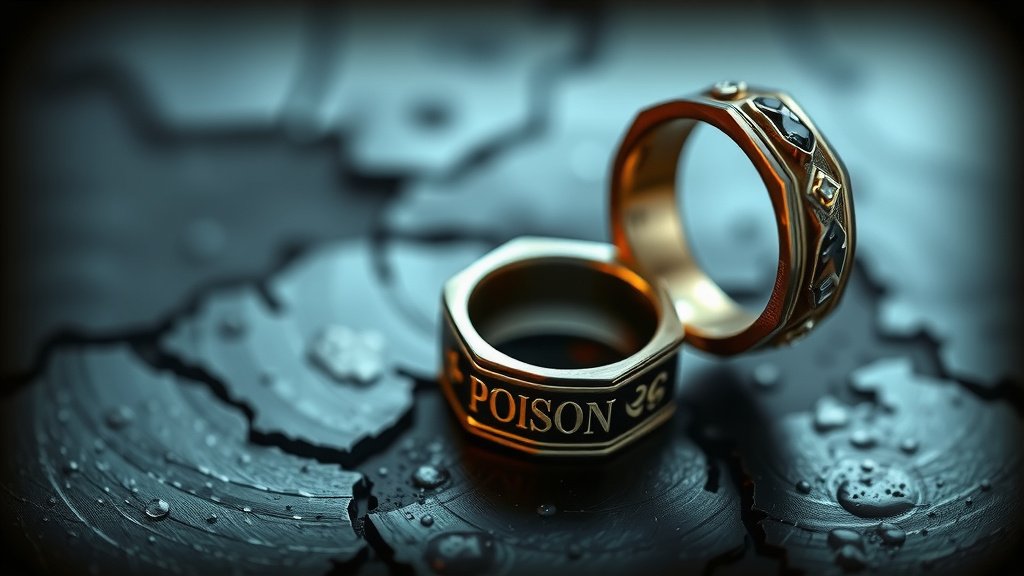
A poison ring is a type of ring with a secret compartment, often designed to hold a small amount of poison or other substances. These rings have a fascinating history, dating back centuries. They were sometimes associated with assassination or self-harm, but also with medicinal purposes.
Beyond their darker associations, poison rings were also used to carry perfumes, locks of hair, or even tiny mementos. Their design usually involves a hinged compartment that opens discreetly. This clever mechanism made them a popular and sometimes dangerous fashion accessory for both men and women throughout history.
- A poison ring has a hidden compartment.
- They were historically used for poison, perfume, or mementos.
- Designs often feature a secret hinged lid.
- These rings have been popular for centuries.
Let’s dive into the intriguing world of poison rings and discover what makes them so special. We’ll look at their history, design, and enduring appeal.
Understanding the Unique Poison Ring
So, what exactly is a poison ring? At its heart, it’s a piece of jewelry with a hidden compartment. This secret space is the defining feature of this fascinating ring. It’s designed to be opened discreetly, often with a small hinge and clasp.
Historically, these rings served many purposes. While the name “poison ring” suggests dark uses, that wasn’t always the case. Many people wore them for less sinister reasons. Let’s look closer at what makes them so special.
A Look at Their Historical Purpose
The history of poison rings is as rich as it is varied. They’ve appeared across different cultures and time periods. Their secretive nature made them ideal for carrying personal items. Some stories are quite dramatic, while others are more sentimental.
The “Poison” Aspect
The most striking association is, of course, with poison. In eras where political intrigue was common, a poison ring offered a discreet way to administer a fatal dose. This could be to a rival or even for self-harm in desperate situations. It’s a chilling thought, but it’s a part of their lore.
We found that the actual use of poison rings for assassination might be less common than depicted in popular culture. However, the potential for harm certainly added to their mystique and danger. The idea alone was enough to spark fear and fascination.
Beyond the Bitter Taste: Other Uses
But poison rings weren’t solely instruments of death. Many people used the hidden compartment for more benign, even sweet, purposes. Imagine carrying a tiny vial of your favorite perfume. The scent would be close to you all day.
Some wore them to hold a lock of hair from a loved one. This served as a constant, private reminder of someone special. They could also carry tiny mementos, like a miniature keepsake or a tiny religious medal. These sentimental uses show a softer side to the ring’s history.
The Ingenious Design of Poison Rings
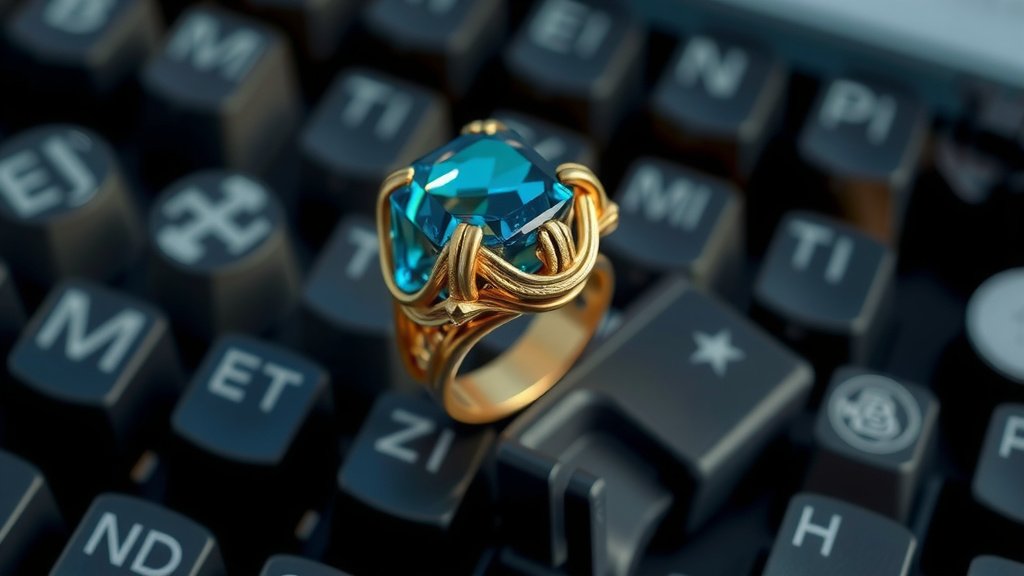
The magic of a poison ring lies in its clever design. The main part of the ring often looks like a regular, stylish piece of jewelry. The secret is the compartment, usually concealed beneath a larger, often ornate, setting.
The Hinged Compartment
Most poison rings feature a hinged lid. This lid is cleverly integrated into the ring’s design. It opens smoothly, allowing access to the hidden space inside. The hinge is usually very small and well-camouflaged. This ensures the ring looks like any other fashionable accessory.
Some designs have a mechanism that requires a specific press or twist to open. Others might have a simple, yet secure, clasp. The goal was always to keep the contents private and safe until the wearer chose to reveal them. You’d have to know exactly what you were looking for to discover the secret.
Materials and Styles
Poison rings were made from a variety of materials. Precious metals like gold and silver were common, especially for wealthier individuals. These could be adorned with gemstones, adding to their beauty and hiding the compartment further.
Less expensive versions might have been made from bronze or other metals. The style varied greatly by region and era. Some were quite elaborate with intricate carvings. Others were simpler and more understated. The focus was always on balancing aesthetics with the functional secret compartment.
A Timeline of Their Popularity
Poison rings have a long and interesting history. They weren’t just a fleeting trend. Their popularity waxed and waned over the centuries.
Ancient Origins and Medieval Use
While the exact origins are debated, similar types of rings with hidden compartments existed in ancient times. However, they gained significant traction during the medieval and Renaissance periods in Europe. This was a time of political upheaval and shifting social dynamics.
During these times, the need for discretion was high. We found that the association with poison became more pronounced during this era. The rings provided a discreet way to carry out secret plans. They were worn by both men and women of various social standings.
Later Periods and Modern Revival
Poison rings continued to be used and appreciated in later centuries. While the overt association with poison may have lessened, their appeal as fashionable jewelry with a secret persisted. They became popular again during the Victorian era, often used for sentimental keepsakes.
Today, poison rings are experiencing a resurgence. Modern designers are creating new versions of these historically rich pieces. They often use them for modern keepsakes, like ashes, small photos, or even as a place to carry medication. They remain a symbol of history and personal stories.
Are Poison Rings Still Relevant Today?
Absolutely! While the dangerous associations have largely faded, the concept of a hidden compartment in jewelry remains captivating. People today are drawn to the personal connection these rings offer.
They are seen as unique fashion statements. They also serve as a private way to carry something meaningful. Whether it’s a tiny photo of a child or a loved one’s initial, the secret space makes the ring uniquely yours.
Modern Uses and Symbolism
Today’s poison rings are often used for sentimental reasons. Many people choose to carry a small amount of a loved one’s ashes in the compartment. This allows them to keep their departed close. Others might use it for small pills they need to carry throughout the day. It’s a discreet way to manage personal health needs.
They can also hold tiny messages or symbols. The idea of a secret held close to your heart is a powerful one. It adds a layer of personal meaning to the jewelry. You can decide what secret your ring will hold.
A Checklist for Understanding Poison Rings
To recap, here are the key things to remember about poison rings:
- They always feature a hidden compartment.
- Historically, they were used for poison, perfume, or keepsakes.
- A common design includes a hinged, secret lid.
- They have been popular for centuries, from medieval times to today.
- Modern uses focus on sentimental value and personal needs.
- Each ring holds a personal story or secret.
The Enduring Allure of the Secret
The enduring appeal of poison rings lies in their blend of history, mystery, and personal significance. They are more than just adornments; they are miniature time capsules.
They tell stories of past intrigue, love, and personal journeys. And in their modern interpretations, they continue to offer a way to carry what matters most, hidden safely away. The secret compartment adds a layer of personal magic to a beautiful piece of jewelry.
Conclusion
You’ve now explored the fascinating world of poison rings. These aren’t just antique trinkets; they are pieces of history with a secret. From their historical use in intrigue and sentiment to their clever designs, they hold a unique appeal. Modern interpretations continue this legacy, allowing you to carry personal stories close.
Ready to find your own piece of hidden history? Consider exploring antique shops or specialized jewelers. You might just find a ring that speaks to your own personal narrative.
Frequently Asked Questions
Can you still buy a real poison ring today?
Yes, you can find poison rings today. Modern jewelers create new designs inspired by historical styles. Antique shops and vintage markets are also great places to search for authentic older pieces. They are often referred to as “secret compartment rings” now.
What’s the difference between a poison ring and a locket ring?
Both are rings with hidden compartments. A poison ring traditionally had the potential to hold poison, though often held other items. A locket ring is primarily designed to hold small personal items like photos or locks of hair, with less emphasis on a “secret” purpose.
Are poison rings safe to wear if they don’t hold poison?
Absolutely. If your poison ring is not being used to hold actual poison, it is perfectly safe to wear. Most modern rings or older ones that held sentimental items are safe for daily wear. Just ensure the compartment closes securely.
How do you open a poison ring?
Opening a poison ring usually involves a small, discreet mechanism. Many have a hinged lid that you can gently pry open. Some might have a tiny clasp or a specific spot to press. You often need to look closely to find the opening mechanism.
Why are poison rings called “poison” rings if they held other things?
The name “poison ring” likely stems from their historical association with assassination and intrigue. The potential to carry poison, however rare in practice, gave them their infamous title. Their secretive nature made them suitable for carrying any small, personal item, not just toxins.