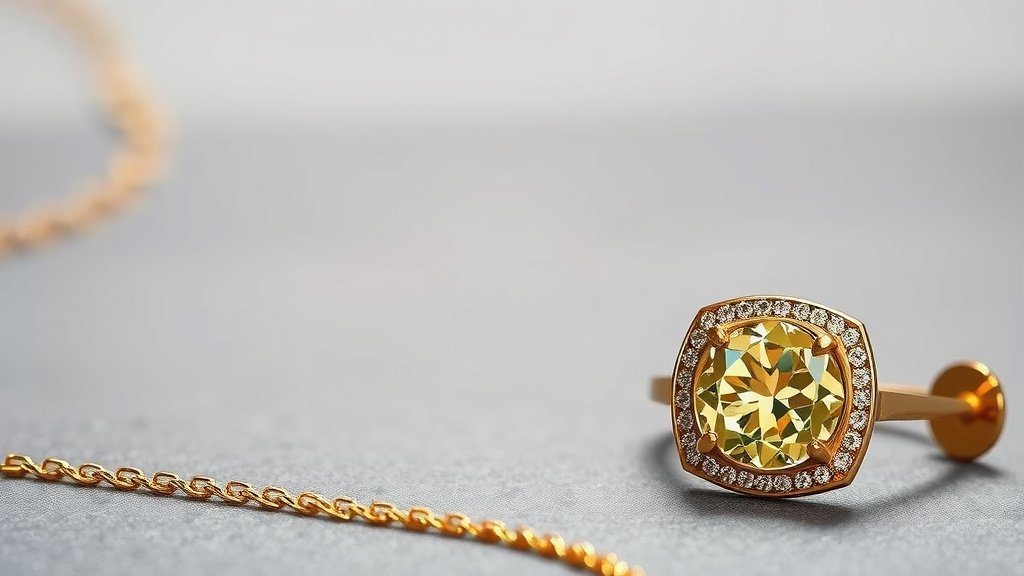
What is Gold Plated Jewelry: A Comprehensive Guide
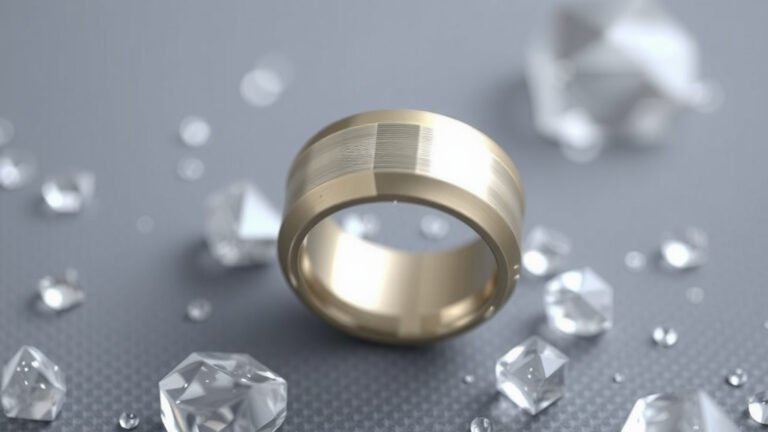
Gold plated refers to an object, usually jewelry, that has a thin layer of gold electrochemically bonded to a base metal core. This process creates the appearance of solid gold at a much more affordable price point. You’ll often see it used on items where a classic gold look is desired without the high cost of solid gold.
It’s a popular choice for fashion jewelry because it provides the lustrous shine of real gold without breaking the bank. Think of it as a gold “skin” over a less expensive metal. Many people find it to be a great compromise for achieving their desired aesthetic.
- Gold plated means a thin layer of gold covers a base metal.
- It looks like real gold but costs much less.
- A common method is electroplating, using electricity to bond the gold.
- It’s a great option for affordable, stylish jewelry.
- Not all gold plating is the same; quality can vary.
We’ve researched the ins and outs of gold plating so you don’t have to. Let’s break down exactly what you need to know about this common jewelry technique.
Understanding Gold Plated Items
So, you’ve seen jewelry or other items described as “gold plated.” You’re probably wondering what that really means for the item’s quality and durability. Simply put, gold plating is a manufacturing technique. It involves applying a thin layer of real gold onto a less expensive base metal. This creates the look of solid gold without the high price tag. It’s a clever way to get that golden gleam on a budget.
The base metal is typically something common like brass, copper, or even sterling silver. The gold layer is bonded to this core using a process. This process makes the gold adhere securely. The goal is to give the item the appearance and shine of pure gold. It’s a popular method, especially in fashion jewelry. Many people want the aesthetic of gold without the significant financial investment.
How Gold Plating is Done: The Electroplating Process
The most common method for gold plating is called electroplating. Think of it like a mini-gold bath for your jewelry. The base metal item is submerged in a solution containing dissolved gold salts. An electric current is then passed through this solution. This current causes the gold ions to deposit evenly onto the surface of the base metal. It’s a controlled process that ensures a consistent coating.
This electrical current acts like a magnet for the gold. It pulls the gold particles from the solution and attaches them to the base metal. The thickness of this gold layer can vary greatly. It depends on the specific item and the manufacturer’s standards. This is a key factor in the item’s longevity and value.
The Role of the Base Metal
The metal underneath the gold layer is important. It provides the structure and strength for the plated item. Common base metals include brass, copper, and nickel. Sometimes, sterling silver is used as a base for higher-quality plated pieces. The choice of base metal can affect how the plating wears over time. It can also influence potential allergic reactions for some individuals.
What About Gold Vermeil?
You might also hear about “gold vermeil” (pronounced ver-may). This is a specific type of gold plating. It requires a sterling silver base. The gold layer must be at least 2.5 microns thick. And the gold used must be at least 10 karats. We found that gold vermeil is generally considered a higher-quality option. It offers better durability than standard gold plating. Many experts recommend it for its longevity.
What to Expect from Gold Plated Jewelry
When you choose gold plated jewelry, you’re getting a piece that looks like solid gold. However, it’s important to understand its limitations. The gold layer is very thin. Over time, it can wear away, especially in areas of high friction. This is a normal part of how plated items behave.
Durability and Wear and Tear
The lifespan of gold plating depends on several factors. These include the thickness of the gold layer, the quality of the base metal, and how you care for the item. Items that are worn daily and exposed to sweat, perfumes, and lotions will likely show wear sooner. We found that proper care can significantly extend the life of your plated jewelry.
Understanding Micron Thickness
Microns measure the thickness of the gold plating. A thicker plating generally means the item will last longer. Standard gold plating might be very thin, sometimes less than half a micron. Jewelry described as “heavy gold plated” often has a thicker layer. Gold vermeil, as mentioned, has specific minimum thickness requirements. We think understanding microns helps you make a more informed purchase.
Comparing Gold Plated to Other Finishes
It’s helpful to compare gold plating to other common gold finishes. This way, you can choose the best option for your needs and budget. Understanding these differences will help you appreciate what you’re buying.
| Finish Type | Description | Pros | Cons |
|---|---|---|---|
| Solid Gold | Made entirely of gold (e.g., 14k, 18k). | Hypoallergenic, very durable, valuable. | Expensive. |
| Gold Plated | Thin layer of gold over a base metal. | Affordable, looks like real gold. | Can wear off, may not be hypoallergenic. |
| Gold Filled | Thicker layer of gold bonded mechanically to a base metal. At least 5% gold by weight. | More durable than plated, more affordable than solid gold. | Can still show wear over time, less valuable than solid gold. |
| Gold Vermeil | Sterling silver base with a thick gold plating (min 2.5 microns). | Good durability, good hypoallergenic base, higher quality than standard plating. | More expensive than standard plating, can still wear off. |
Caring for Your Gold Plated Items
To keep your gold plated items looking their best, gentle care is key. We found that avoiding harsh chemicals is the most important rule. This includes household cleaners, perfumes, and lotions. These substances can erode the gold layer over time. Always remove plated jewelry before swimming or showering.
- Store pieces separately to prevent scratching.
- Gently wipe with a soft, dry cloth after wearing.
- Avoid using abrasive cleaners or polishing cloths.
- Remove jewelry before exercising or sleeping.
- Clean with mild soap and water only if necessary, and dry thoroughly.
By following these simple steps, you can help maintain the shine and beauty of your gold plated treasures. Think of it as giving your jewelry a little spa day. It helps it stay looking lovely for longer.

Conclusion
You’ve learned that gold plated items offer a beautiful gold aesthetic at an accessible price. It’s a process where a thin layer of gold is bonded to a base metal, most commonly through electroplating. While it provides that desired golden shine, remember that the thin gold layer can wear over time with consistent use. Understanding the difference between gold plating, gold vermeil, and other finishes, like gold filled or solid gold, helps you make informed choices. By caring for your gold plated pieces properly, you can enjoy their beauty for longer. Your next step is to confidently select pieces that match your style and budget, knowing exactly what you’re investing in.
Frequently Asked Questions
Is gold plated jewelry good quality?
Gold plated jewelry can be good quality, but it depends on the thickness of the gold layer and the base metal used. Higher micron plating over a quality base metal, like sterling silver in gold vermeil, generally indicates better durability. We found that quality varies greatly between manufacturers.
Can gold plated jewelry turn my skin green?
Typically, pure gold doesn’t cause discoloration, but the base metal underneath can. If the gold plating wears away and exposes metals like copper or nickel, it can react with your skin’s moisture and cause a green or dark mark. This is more common with lower-quality plating.
How long does gold plating usually last?
The lifespan of gold plating varies. With careful wear and proper maintenance, you might get several years of wear from a piece. However, daily wear, exposure to chemicals like lotions and perfumes, and friction can cause the plating to wear off much faster, sometimes within months.
What’s the difference between gold plated and gold filled?
Gold plated has a very thin layer of gold bonded to a base metal. Gold filled items have a much thicker layer of gold mechanically bonded to a base metal, making them far more durable and less likely to wear off than plated items. We found gold filled is a good middle ground for durability and cost.
Is gold plating hypoallergenic?
Generally, no. Gold plating itself is not typically considered hypoallergenic. The outer layer of gold is thin, and the base metals underneath (like nickel or copper) are often the cause of allergic reactions. If you have sensitive skin, you might want to look for gold vermeil or solid gold instead.