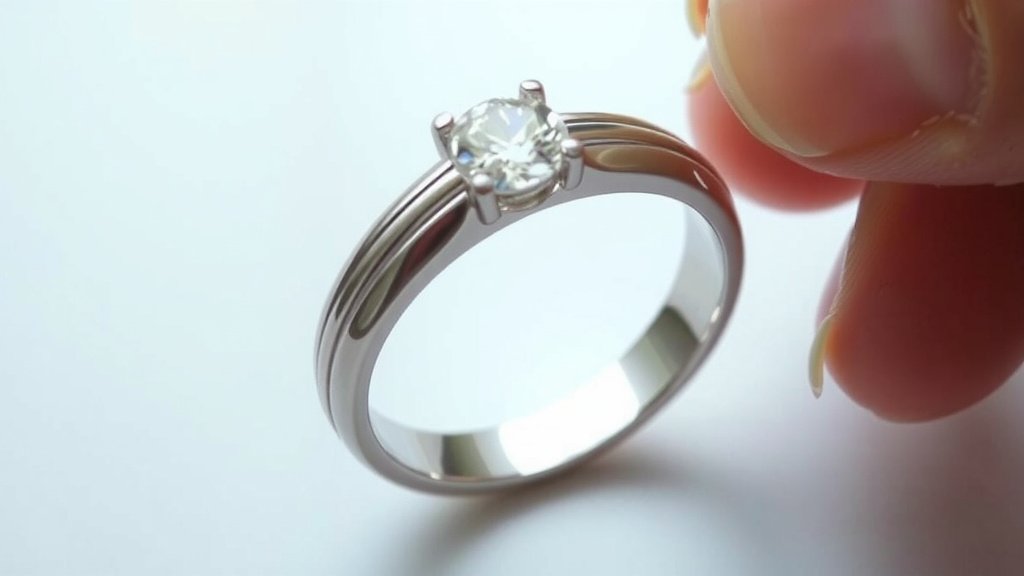
Restore Your Ring’s Shine: Easy Cleaning Tips
The easiest way to restore your ring’s shine is with a simple, gentle cleaning. You can often bring back that sparkle using household items you probably already have. Many jewelry experts recommend a mix of warm water and a few drops of mild dish soap for a quick shine-up.
Over time, everyday wear can dull even the most brilliant rings. Dirt, oils, and lotions can build up, making your favorite pieces look tired. But don’t worry, restoring that dazzling look is usually quite straightforward. We’ve researched various methods to bring back your ring’s original gleam.
- Gentle dish soap and warm water are your best friends.
- Avoid harsh chemicals or abrasive scrubbers.
- Regular light cleaning prevents heavy buildup.
- Specific methods vary slightly by gemstone and metal type.
Ready to make your rings shine like new again? Let’s walk through some simple, effective methods to get that sparkle back.
Bringing Back Your Ring’s Sparkle: Simple Cleaning Methods
Restoring your ring’s shine doesn’t need to be a difficult chore. You can often bring back that dazzling gleam with methods that are gentle and effective. We’ve researched various ways to help your rings look their best again.
The Go-To Method: Dish Soap and Warm Water
Many jewelers and cleaning experts agree: a simple solution of mild dish soap and warm water is your best friend. This gentle approach is effective for most common metals and many gemstones. It’s a fantastic first step for any dull ring.
What You’ll Need
- A small bowl
- Warm water
- A few drops of mild dish soap (avoid anything with harsh detergents or moisturizers)
- A soft toothbrush (an old, clean one works perfectly)
- A soft, lint-free cloth
Step-by-Step Cleaning
Start by filling your bowl with warm water. Add just a few drops of your mild dish soap. Swish it around gently to create some suds. Submerge your ring in the solution. Let it soak for about 15-20 minutes. This helps loosen any grime or residue that’s built up.
After soaking, use your soft toothbrush. Gently scrub all parts of the ring. Pay attention to any crevices or settings where dirt likes to hide. Be careful not to scrub too hard, especially if your ring has delicate details or stones. The goal is to lift dirt, not damage the metal.
Rinse your ring thoroughly under warm running water. Make sure all soap residue is gone. Any leftover soap can leave a cloudy film. Finally, pat your ring dry with a soft, lint-free cloth. Avoid paper towels, as they can leave lint behind.
When to Be Extra Cautious: Gemstone Considerations
While the dish soap method is generally safe, some gemstones require a bit more care. Porous or soft stones can be damaged by soaking or vigorous scrubbing. It’s wise to know what your ring is made of before you start.
Softer Gemstones (e.g., Pearls, Opals, Turquoise)
These gems are more delicate. They can be scratched or even damaged by water and certain cleaning agents. For rings with these stones, a light wipe with a damp cloth might be all that’s needed. Avoid soaking them entirely. If you must clean them, use a slightly damp cloth with no soap.
Many guidelines suggest avoiding ultrasonic cleaners and steam cleaners for these types of stones altogether. They can cause cracks or discoloration. Always research your specific gemstone’s care needs.
Harder Gemstones (e.g., Diamonds, Sapphires, Rubies)
Most hard, non-porous gemstones can handle the dish soap and water method well. Diamonds, in particular, love this treatment. The warm water and soap help break down oils that make diamonds look dull.
Even with these stones, be mindful of the metal setting. If your ring features both hard stones and softer ones, you might need to use a more universal, gentler approach. It’s always better to err on the side of caution.
Deep Cleaning for Stubborn Grime
Sometimes, a simple soak isn’t enough. If your ring has seen a lot of wear, you might need a slightly stronger approach. But remember, “stronger” doesn’t mean harsh chemicals.
Ammonia Solution for Tougher Jobs
For metals like gold and platinum (and hard gemstones), a diluted ammonia solution can be effective. This method is often recommended by professionals for a deeper clean. Ammonia helps cut through grease and grime effectively.
Important Note: Never use ammonia on pearls, opals, turquoise, or other porous or organic gemstones. It can cause permanent damage. Also, avoid ammonia on treated gemstones like emeralds, as it can affect their clarity.
How to Use Ammonia Safely
Mix a solution of one part ammonia with six parts warm water. Soak your ring for no more than 5-10 minutes. Use your soft toothbrush to gently clean. Rinse thoroughly under cool water. Dry with a soft cloth.
We found that this method can really make metals shine. It’s particularly good for removing that hazy film that can build up over time. Always ensure good ventilation when working with ammonia.
Special Cases: Sterling Silver and Gold Rings
Different metals have different needs. Sterling silver, for instance, is prone to tarnishing. Gold, while more resistant, can also lose its luster.
Cleaning Tarnished Sterling Silver
Tarnish is a black or dark film on silver. It happens when silver reacts with sulfur in the air. For mild tarnish, the dish soap method can help. For heavier tarnish, you might need a specialized silver polishing cloth.
We also found a popular homemade remedy: a paste made from baking soda and water. Apply it gently with a soft cloth. Rinse well and dry. Many sources suggest this paste is effective but should be used sparingly to avoid scratching the silver (American Chemical Society).
Polishing Gold
Gold is durable, but it can get scratched and dull over time. The dish soap method is excellent for routine cleaning. For deeper polishing, you might consider a specialized gold jewelry cleaner or a professional polishing service.
Many experts advise against abrasive polishes for gold. They can wear away the metal over time, especially with plated jewelry. Stick to gentle methods to preserve the integrity of your gold pieces.
Things to Absolutely Avoid
Just as important as knowing what to do is knowing what not to do. Some common household cleaners can cause irreparable damage to your rings.
- Harsh Chemicals: Bleach, chlorine, and acetone can corrode metals and damage gemstones.
- Abrasive Scrubbers: Steel wool, abrasive sponges, or rough brushes will scratch your ring.
- Toothpaste: While it cleans teeth, its abrasiveness can scratch many metals and gemstones.
- Ultrasonic Cleaners (for certain items): These can loosen fragile stones or damage certain gem types.
Maintaining Your Ring’s Shine: A Quick Checklist
Preventing buildup is easier than removing it. Here’s a simple way to keep your rings sparkling:
- Wipe your rings with a soft cloth after wearing them.
- Perform a quick dish soap and water clean weekly or bi-weekly.
- Remove rings before showering, swimming, or applying lotions.
- Store rings properly when not in use.
- Know your ring’s materials and special care needs.
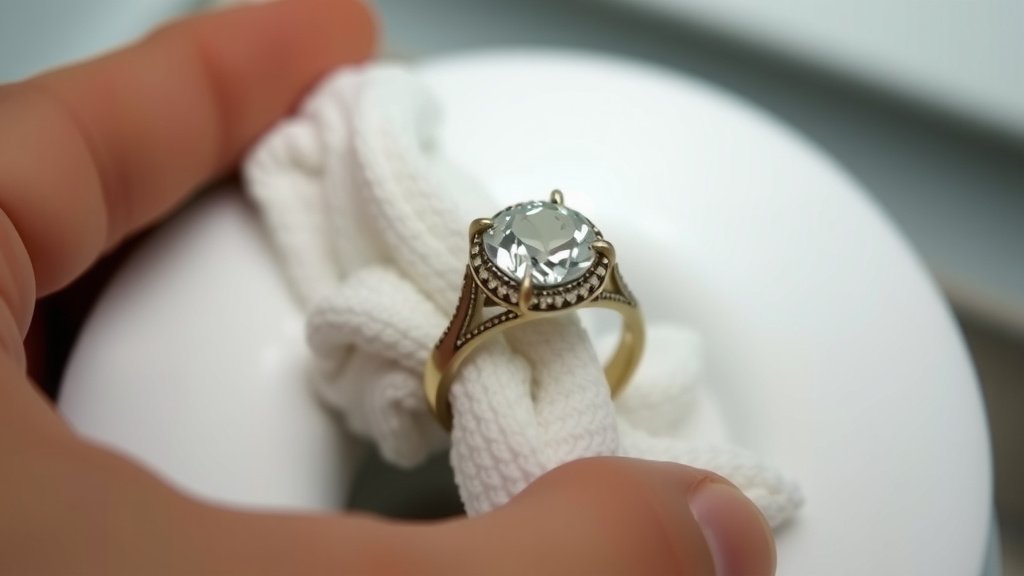
Conclusion
Restoring your ring’s shine is within your reach with these simple, effective methods. You’ve learned how a gentle soak with dish soap and warm water can work wonders for most rings. We’ve also covered how to handle delicate gemstones and specific metals like sterling silver. Remember, avoiding harsh chemicals and abrasive tools is key to protecting your precious pieces.
By incorporating a regular, gentle cleaning routine and knowing when to use slightly stronger solutions like diluted ammonia, you can keep your rings looking their best. Take the first step today by trying the dish soap method on your dullest ring and experience the satisfying sparkle yourself!
Frequently Asked Questions
How often should I clean my ring?
For everyday wear, a quick wipe with a soft cloth after taking it off is a good habit. A gentle dish soap and warm water soak weekly or bi-weekly can maintain shine. For rings with very delicate stones, you might clean them less frequently, focusing on gentle polishing.
Can I use toothpaste to clean my ring?
We strongly advise against using toothpaste. Its abrasive nature can easily scratch delicate metals and gemstones, causing permanent damage. Stick to softer cleaning agents like mild dish soap to preserve your ring’s finish.
What’s the best way to clean my diamond ring?
Diamond rings respond very well to the mild dish soap and warm water method. The solution helps break down the oils and lotions that dull a diamond’s sparkle. Just be sure to rinse thoroughly and dry with a lint-free cloth.
Is it safe to soak pearl rings?
No, it’s generally not safe to soak pearl rings. Pearls are organic and porous, making them susceptible to damage from water and chemicals. A gentle wipe with a slightly damp, soft cloth is usually the safest way to clean them.
How can I remove tarnish from my sterling silver ring?
For light tarnish, the mild dish soap method can help. For heavier tarnish, a specialized silver polishing cloth is recommended. You can also try a sparingly used paste of baking soda and water, followed by thorough rinsing and drying.