Best Metal for Rings: Durability, Style & Comfort
Choosing the best metal for a ring depends on your priorities, like durability, budget, and how it looks on your finger. For maximum scratch resistance and a bright shine, platinum is often considered top-tier. If you want a classic look that’s still quite durable, white gold or yellow gold in a higher karat (like 14k or 18k) are excellent choices. For those on a tighter budget or seeking ultimate toughness, titanium or tungsten carbide are incredibly strong and affordable options, though they can be harder to resize.
We’ve researched many popular ring metals to help you decide. Your personal style and daily activities play a big role. Do you want something that will maintain its gleam for decades, or are you looking for a more modern, low-maintenance material? Understanding the properties of each metal, from its hardness to its potential for allergies, will guide you to the perfect ring choice. Many experts agree that matching the metal to your lifestyle is key.
- Consider your budget and desired look.
- Platinum offers the highest durability and shine.
- Gold (white, yellow, rose) provides classic beauty.
- Titanium and tungsten are super strong and affordable.
- Think about how you’ll wear the ring daily.
Let’s walk through the pros and cons of each popular ring metal so you can find the one that’s just right for you.
Choosing the Right Metal for Your Ring
Picking the perfect ring metal is a big decision. You want it to look great and last a long time. We’ve looked into the most popular choices to help you find the best fit for your finger and lifestyle. Think about how you’ll wear your ring day-to-day. This really matters.
Precious Metals: The Classics
Platinum: The Ultimate in Luxury and Durability
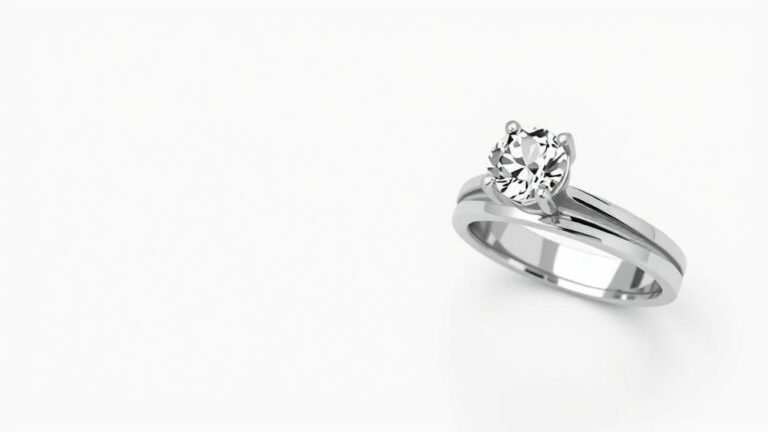
If you’re looking for the best of the best, platinum is a top contender. It’s naturally white and incredibly dense. This means it’s very resistant to scratching and wear. We found that platinum is also hypoallergenic, making it a great choice for sensitive skin. Because it’s so durable, it maintains its beauty over many years.
Why Platinum Shines
Platinum is about 30 times rarer than gold. This rarity contributes to its higher price point. It’s often considered the most luxurious metal for fine jewelry. Its natural white color doesn’t need plating. This is a big plus for long-term wear.
Platinum’s Weight and Feel
When you hold a platinum ring, you’ll notice its substantial weight. This heft is a sign of its purity and density. Many people find this weight comforting and luxurious. It feels solid and enduring on your finger.
Gold: Enduring Beauty and Versatility
Gold has been a beloved metal for jewelry for centuries. It comes in various colors, offering a choice for every style. Gold is also graded by karats, which indicate its purity. Higher karats mean more pure gold, but can be softer.
Yellow Gold: The Timeless Classic
Yellow gold rings offer a warm, rich glow. Pure gold is a bright yellow, but it’s too soft for everyday wear. Jewelers mix pure gold with other metals like copper and silver to create alloys. This makes it more durable. For a classic yellow gold look, 14k or 18k are excellent options. We found that 14k gold is a good balance of durability and gold content for active wearers.
White Gold: A Modern, Bright Alternative
White gold looks similar to platinum but is usually more affordable. It’s created by alloying yellow gold with white metals like palladium or nickel. Most white gold jewelry is then rhodium-plated. This plating gives it a bright, silvery-white finish. Over time, the plating may wear away, revealing a slightly warmer gold tone underneath. Re-plating can restore its original shine.
Rose Gold: Romantic and Trendy
Rose gold has a beautiful pinkish hue. It’s made by alloying gold with copper. The more copper, the redder the color. Rose gold has become very popular for its unique, romantic appeal. It’s a great choice if you want something a little different from traditional yellow or white. Like other gold colors, it’s also durable in 14k or 18k.
Gold Karats Explained
The karat (k) system tells you how much pure gold is in an alloy. Pure gold is 24k. Here’s a simple breakdown:
| Karat | Pure Gold % | Other Metals % | Pros | Cons |
|---|---|---|---|---|
| 24k | 100% | 0% | Purest gold, rich yellow color | Very soft, easily scratched, not ideal for rings |
| 18k | 75% | 25% | Higher gold content, beautiful color, durable enough for many | Softer than 14k, more prone to scratches than 14k |
| 14k | 58.3% | 41.7% | Excellent durability, affordable, good for daily wear | Less gold content than 18k, can be an issue for extreme allergies |
| 10k | 41.7% | 58.3% | Most durable, most affordable | Lowest gold content, can look duller, more likely to cause reactions in very sensitive people |
Alternative Metals: Strength and Affordability
Titanium: Lightweight and Tough
Titanium is a modern metal known for its incredible strength-to-weight ratio. It’s much lighter than gold or platinum. This makes it very comfortable to wear. Titanium is also very resistant to corrosion and scratching. We found that it’s a popular choice for men’s wedding bands. It’s also hypoallergenic.
Titanium’s Durability and Look
Titanium is naturally a dark gray color. It can be brushed or polished to a shiny finish. Its hardness means it’s very resistant to everyday wear and tear. However, its extreme hardness also means it can be very difficult to resize. Some jewelers may not even offer resizing for titanium rings. This is something to seriously consider.
Tungsten Carbide: The Hardest of Them All
Tungsten carbide is often considered the strongest metal used in rings. It’s incredibly dense and virtually scratch-proof. If you work with your hands a lot or are very hard on your jewelry, tungsten is a fantastic option. It will look like new for years. It also comes in various finishes, from brushed to highly polished.
The Downsides of Tungsten
While its hardness is a major advantage, it also presents a challenge. Tungsten rings are nearly impossible to resize. In emergencies, they must be cut off. This is often done with special tools. We found that while it’s very affordable, the inability to resize can be a deal-breaker for some.
Other Strong Contenders
You might also come across metals like cobalt and stainless steel. Cobalt is a strong white metal that’s also hypoallergenic. Stainless steel is very affordable and durable, often used for fashion or work rings. Both are good options for those seeking toughness without the high cost of precious metals. Remember, though, that resizing can still be an issue with these extremely hard metals.
Making Your Final Decision
So, which metal is truly best for you? It really boils down to your personal needs and preferences. Think about these key questions:
- What’s your budget?
- How important is scratch resistance?
- Do you have sensitive skin?
- What is your daily activity level?
- What color and style do you prefer?
Conclusion
You’ve now seen the spectrum of ring metals, from luxurious platinum to tough tungsten. Your ideal metal depends on balancing your budget, lifestyle, and aesthetic preferences. Platinum offers unmatched shine and durability. Gold provides classic beauty in various hues. For extreme toughness and affordability, titanium and tungsten are excellent.
We’ve found that the key is matching the metal’s properties to how you’ll live your life. Take this knowledge with you as you shop. Your perfect ring awaits – choose wisely and enjoy it for years to come!
Frequently Asked Questions
Can I wear a platinum ring every day?
Yes, platinum is one of the most durable metals for rings. It’s naturally dense and resistant to scratching and wear. You can confidently wear your platinum ring daily without significant damage.
Is white gold really more affordable than platinum?
Generally, yes. While both offer a bright, silvery look, white gold is typically less expensive than platinum. This is because gold is more abundant, and white gold is an alloy of yellow gold.
Will my tungsten ring scratch?
Tungsten carbide is incredibly hard and virtually scratch-proof. It’s an excellent choice if you’re concerned about your ring getting damaged during everyday activities. It will maintain its appearance for a very long time.
Can gold rings be too soft for daily wear?
Pure gold (24k) is very soft and not recommended for rings. However, lower karats like 14k or 18k are mixed with other metals to increase durability. We found 14k gold offers a great balance for active wearers.
What happens if my tungsten ring needs to be removed in an emergency?
Due to their extreme hardness, tungsten rings cannot be resized and must be cut off in emergencies. Jewelers use specialized tools to safely remove the ring if necessary.