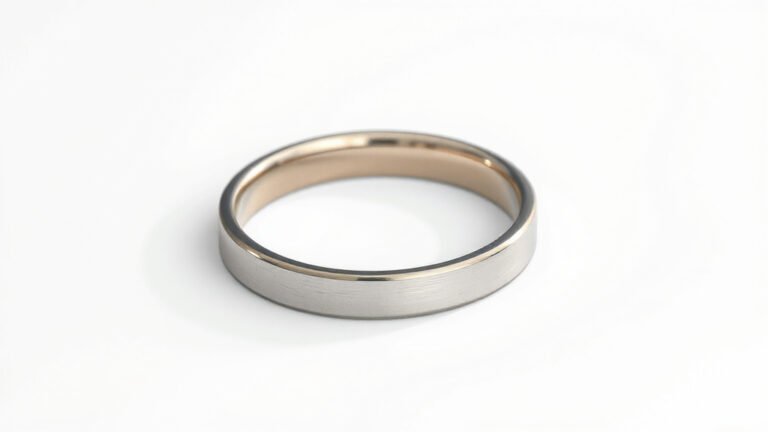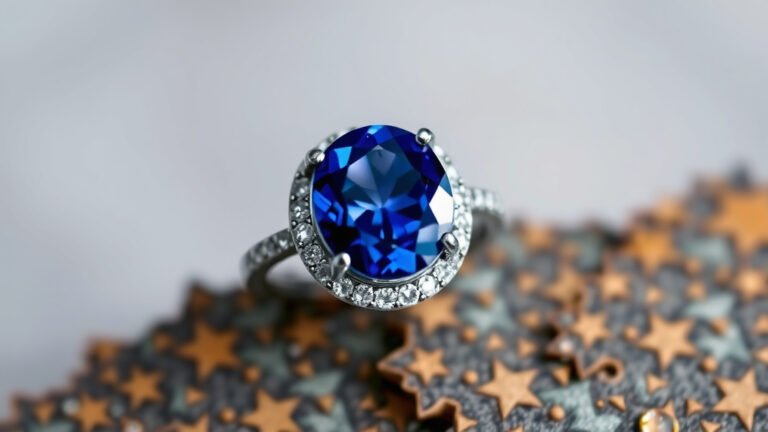
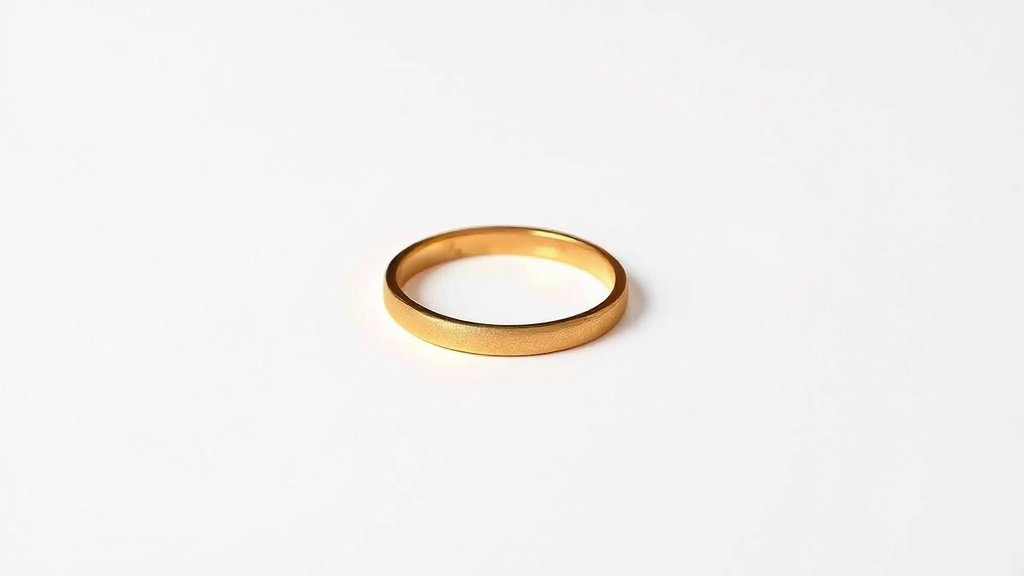
How to Test Your Ring Purity at Home
You can check ring purity at home with a few simple methods, like a magnet test or a jeweler’s loupe. For a more accurate reading, taking your ring to a certified appraiser is your best bet. These tests help you understand the true metal content of your jewelry.
Understanding your ring’s purity, often indicated by hallmarks, helps you appreciate its true worth and care for it properly. Different metals have distinct properties and market values. Knowing if your ring is pure gold, sterling silver, or another precious metal is essential for insurance and resale.
- Test at home with a magnet.
- Use a magnifying glass for hallmarks.
- Consider a professional appraisal for certainty.
- Hallmarks give clues to metal purity.
- Know your ring’s true metal content.
Let’s walk through the easiest ways to check your ring’s purity right now, and when you might want to call in the pros.
Understanding Your Ring’s Metal Purity
Knowing what your ring is made of is more than just trivia. It helps you understand its true value. It also guides how you should care for it. Let’s look at how you can check your ring’s purity at home and when it’s best to get a professional opinion.
Simple Home Tests for Metal Purity
You don’t always need fancy tools to get a good idea of your ring’s metal. Simple tests can give you a solid starting point.
The Magnet Test: A Quick Check for Ferrous Metals
Precious metals like gold, silver, platinum, and palladium are not magnetic. So, a basic magnet test can quickly tell you if your ring is likely not made of these materials. Grab a strong magnet – the kind you might find on a refrigerator door, or even better, a neodymium magnet. Hold the magnet near your ring. If your ring is attracted to the magnet, it’s probably not pure gold or silver. It might be made of base metals like iron or nickel, or it could be plated. This test is super simple and costs nothing.
Examining Hallmarks and Stamps: The First Clues
Most rings will have tiny markings, called hallmarks, stamped onto the inside of the band. These stamps are like little labels telling you about the metal content. You’ll need good lighting and a magnifying glass to see them clearly. Look for numbers or letters. For example, you might see “14K” or “585” for 14-karat gold. Sterling silver is often marked with “925” or “STER.” Platinum is usually marked with “PLAT” or “PT.” If you can’t find any marks at all, it doesn’t automatically mean the ring isn’t pure, but it does make it harder to be certain.
Common Gold Markings
Gold purity is measured in karats (K). Pure gold is 24 karats (24K). The markings on your ring will indicate how much gold it contains:
- 24K: Pure gold. Very soft and rare in jewelry.
- 22K: About 91.7% gold.
- 18K: About 75% gold. Often marked as “750”.
- 14K: About 58.3% gold. Often marked as “585”.
- 10K: About 41.7% gold. Often marked as “417”. This is the minimum marking for gold in the US.
Understanding Silver and Platinum Marks
Silver and platinum also have their own marking systems. Sterling silver is the most common type found in jewelry, and it’s made of 92.5% pure silver mixed with other metals for durability. You’ll typically see “925” or “STER” stamped on sterling silver items. Platinum is a very dense and valuable metal, and it’s usually marked with “PLAT,” “PT,” or a percentage like “950” (meaning 95% platinum).
Using a Jeweler’s Loupe: A Closer Look
While a regular magnifying glass can help with hallmarks, a jeweler’s loupe offers a much clearer, magnified view. These small, powerful magnifiers are inexpensive and can make a big difference in reading those tiny stamps. You can also use a loupe to look for signs of wear on the plating. If you see a different colored metal showing through on the edges or high points of the ring, it suggests the ring is plated rather than solid. This is a great way to spot fake or gold-plated items.
When to Seek Professional Help for Ring Purity Checks
Home tests are great for a general idea, but for definitive answers, especially if you’re buying, selling, or insuring your ring, a professional appraisal is the way to go. Experts have tools and knowledge that go far beyond what you can do at home.
The Acid Test: A Traditional (But Risky) Method
Jewelers sometimes use acid testing to check metal purity. They scratch a small, inconspicuous part of the ring onto a testing stone and then apply different acids to see how the metal reacts. Each acid is formulated for a specific karat of gold or precious metal. While effective, this test can scratch your ring, and it’s best left to trained professionals. They know exactly where to test and which acids to use to minimize damage.
Electronic Metal Analyzers: High-Tech Precision
Many modern jewelers and pawn shops use electronic metal analyzers. These machines are non-destructive, meaning they don’t damage your ring. They work by passing a small electrical current through the metal and measuring its response. This gives a very accurate reading of the metal’s composition. If you need a precise purity assessment, asking if a jeweler can use one of these analyzers is a good idea.
Certified Appraisers: The Gold Standard
For the most accurate and official confirmation of your ring’s purity and value, you’ll want to visit a certified appraiser. These professionals are trained to identify metals and gemstones. They have advanced equipment and a deep understanding of the jewelry market. An appraisal provides a detailed report about your ring, including its metal content, weight, and condition. This documentation is invaluable for insurance purposes or if you ever decide to sell your ring.
| Metal | Common Hallmarks | Home Test Clues | Professional Confirmation |
|---|---|---|---|
| Gold | 10K, 14K, 18K, 22K, 24K, 417, 585, 750, 917, 999 | Not magnetic. Look for plating wear. | Acid test, electronic analyzer, appraisal |
| Silver | 925, STER, STERLING | Not magnetic. Tarnishes over time. | Acid test, electronic analyzer, appraisal |
| Platinum | PLAT, PT, 950 | Not magnetic. Very dense, heavy feel. | Electronic analyzer, appraisal |
| Palladium | PALL, 950 Pd | Not magnetic. Lighter than platinum. | Electronic analyzer, appraisal |
Why Knowing Your Ring’s Purity Matters
Understanding your ring’s purity is important for several reasons. Firstly, it directly impacts its monetary value. A 14K gold ring is worth less than an 18K gold ring, all other factors being equal. Secondly, knowing the metal helps you care for your ring correctly. For instance, some cleaning solutions can damage certain metals or finishes. Finally, for insurance purposes, you need to know the exact composition and value of your jewelry. A certified appraisal provides the necessary documentation.
Here’s a quick checklist to help you:
- Find a strong magnet for a quick test.
- Use good lighting and a magnifier for hallmarks.
- Check for plating wear on edges with a loupe.
- If unsure, take it to a jeweler for electronic analysis.
- For official value, get a certified appraisal.
Conclusion
You’ve now got a clear roadmap for checking your ring’s purity. From simple magnet tests at home to understanding hallmarks with a loupe, you can gather a lot of information yourself. These methods help you appreciate your jewelry’s true composition and worth. For absolute certainty, especially for insurance or sales, a professional appraisal remains the most reliable option. Don’t hesitate to consult experts when you need that definitive answer. Your next step? Grab a magnet and start examining those tiny stamps!
Frequently Asked Questions
What if my ring has no hallmarks?
If your ring lacks any visible hallmarks, it doesn’t automatically mean it’s not genuine. Older pieces or custom-made rings might not have them. However, the absence of a mark makes it harder to confirm its purity without professional testing. You might need to rely more on home tests or seek expert evaluation.
Can I check gold-plated rings at home?
Yes, you can often spot gold plating at home. Use a jeweler’s loupe or a strong magnifying glass to look closely at the edges and any areas that experience wear. If you see a different colored metal (often silvery or darker) peeking through, it’s a strong indicator that the ring is plated and not solid gold.
How does tarnishing relate to ring purity?
Tarnishing is primarily a characteristic of silver. Sterling silver (92.5% silver) will naturally tarnish over time due to a reaction with sulfur in the air. Gold, especially higher karats like 14K or 18K, does not tarnish. If your ring is tarnishing significantly, it’s very likely sterling silver or another silver alloy.
Is the acid test safe for my ring?
The acid test is generally performed by professionals because it involves scratching a small portion of the metal onto a testing stone and applying corrosive acids. While effective for determining purity, there’s a risk of scratching or damaging your ring if not done correctly. It’s best to let experienced jewelers handle this method.
How often should I get my ring appraised for purity?
You generally don’t need to get your ring appraised for purity frequently unless circumstances change. An appraisal is most useful when you first acquire the ring for insurance purposes, if you plan to sell it, or if you suspect its condition or composition may have changed significantly over many years.