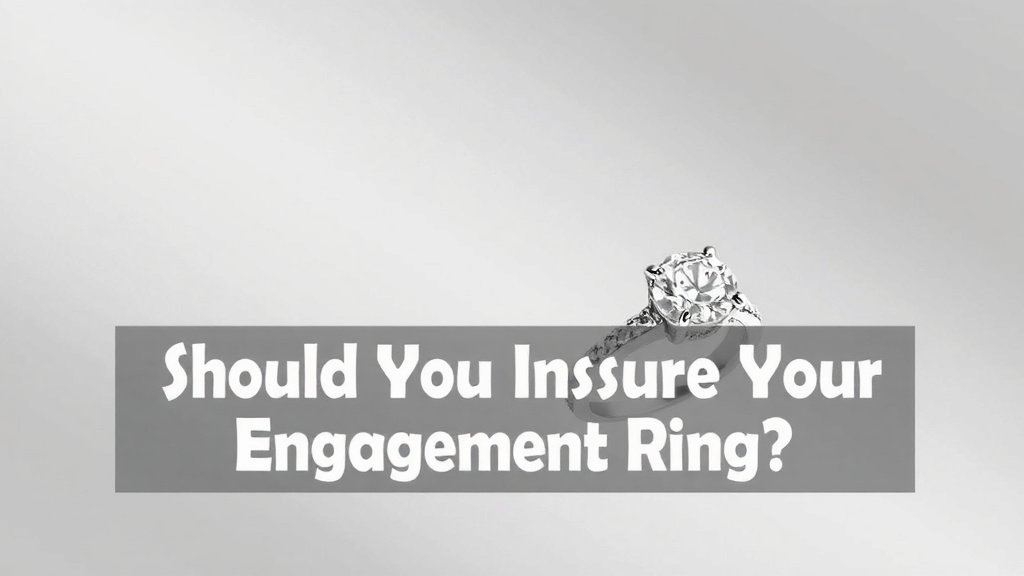
Should You Insure Your Engagement Ring?
Yes, you should seriously consider insuring your ring, especially if it’s valuable or holds sentimental importance. Many people don’t realize how easy it is for a ring to get lost, stolen, or damaged, and standard homeowner’s insurance often doesn’t offer enough coverage. Getting your ring insured can provide much-needed peace of mind.
Think about it: your ring could go missing during a vacation, get accidentally dropped down a drain, or even be taken during a burglary. Without specialized insurance, replacing a precious ring could be a huge financial burden. Many insurance providers offer specific jewelry riders or separate policies to ensure your treasured piece is protected against a wide range of potential disasters.
- Insuring your ring is usually a good idea.
- Standard insurance might not cover enough.
- Loss, theft, or damage are common risks.
- Specialized riders offer better protection.
- It offers peace of mind for your valuable item.
Let’s walk through why insuring your ring is so important and what steps you can take to make sure it’s properly covered.
When Should You Insure Your Ring?
This is a question many people ponder, especially after a significant purchase or life event. The short answer? You should consider insuring your ring anytime it holds substantial financial or sentimental value. Think of it like protecting any other major investment you’ve made.
Your homeowner’s or renter’s insurance policy might offer some protection. However, these policies often come with low limits for jewelry. A standard policy might only cover a few hundred dollars for lost or stolen items. This is rarely enough to cover the cost of replacing an engagement ring or a precious heirloom.
Understanding Your Existing Insurance Coverage
Before you look into separate insurance, it’s smart to review your current policies. Your homeowner’s or renter’s insurance is your first line of defense. It generally covers theft, fire, and other damages within your home. But what about when you’re out and about?
Limitations of Standard Policies
Most standard policies have a specific, limited coverage amount for jewelry. This limit is often quite low. If your ring is worth more than this limit, you’ll have a significant out-of-pocket expense if it’s lost or stolen. You’re usually limited to a specific dollar amount, regardless of the ring’s actual replacement cost.
What Standard Policies Often Don’t Cover
Beyond the low limits, there are other things standard policies might not cover. These include accidental loss or disappearance. Did your ring slip off your finger at the beach? Did it fall down a drain while washing dishes? These types of events might not be covered. Also, coverage for damage from everyday wear and tear might be excluded.
Why Specialized Ring Insurance is Often Necessary
This is where specialized jewelry insurance, often called a rider or endorsement, comes into play. It’s designed to give you broader and more robust protection. Think of it as a superhero cape for your ring.
Protection Against Loss and Theft
Specialized insurance typically covers loss and theft, even outside your home. If your ring is stolen from your hotel room while on vacation, or if it simply vanishes while you’re running errands, you’re likely covered. This peace of mind is hard to put a price on.
Coverage for Accidental Damage
Accidents happen to everyone. A prong can snag on something, causing a stone to loosen. You might accidentally drop your ring, leading to a scratch or a crack. A good jewelry policy will cover these unforeseen damages, making repairs much more accessible.
Coverage for Other Perils
Beyond loss, theft, and accidental damage, specialized policies can cover other events. This might include damage from natural disasters like fire or floods. Some policies even cover damage during cleaning or repairs at a jeweler. It’s about having a comprehensive safety net.
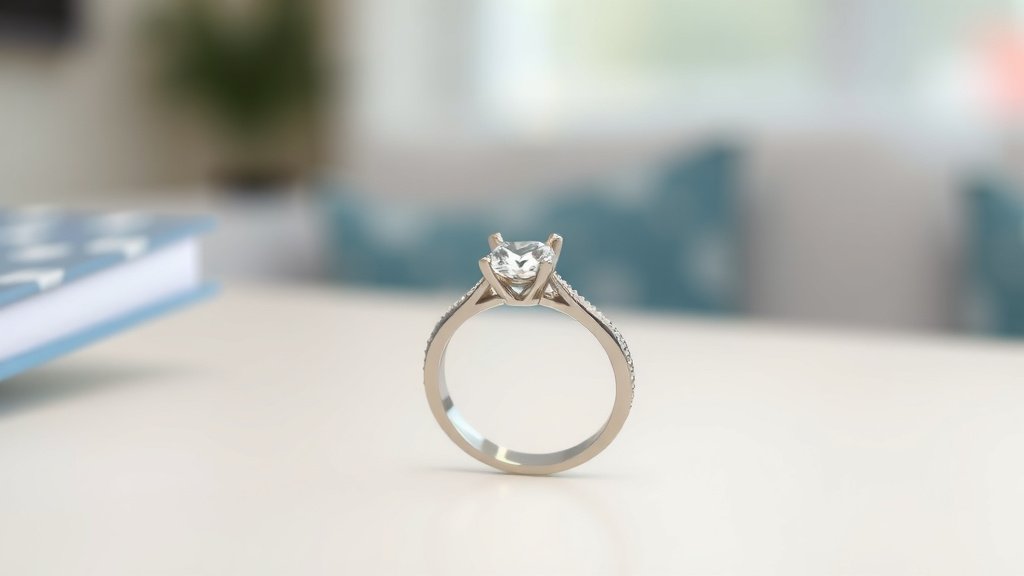
Steps to Get Your Ring Insured
Securing insurance for your ring isn’t complicated. It just requires a few key steps to ensure you get the right coverage for your specific needs.
Get a Professional Appraisal
Before you can insure your ring, you’ll need to know its worth. A professional appraisal from a certified gemologist or jeweler is essential. They will document the ring’s details, including the metal, stones, and craftsmanship. This document is crucial for the insurance company.
Understand Your Policy Options
You have a couple of main options. You can add a rider to your existing homeowner’s or renter’s policy. This is often the simplest and most affordable route. Alternatively, you can purchase a separate, dedicated jewelry insurance policy. This might offer more specialized coverage.
Gather Necessary Documentation
To get a quote and to file a claim later, you’ll need certain documents. This typically includes your appraisal report. A copy of the original sales receipt can also be very helpful. You might also need photos of the ring.
Is It Worth the Cost? A Quick Checklist
We know that adding another bill to your budget might seem like a lot. But for many, the peace of mind is well worth it. Consider this simple checklist:
- Is your ring new and expensive?
- Does it hold significant sentimental value (heirloom)?
- Do you wear your ring frequently in public?
- Are you prone to misplacing items?
- Would the cost of replacing it be a financial hardship?
- Is your current insurance coverage clearly insufficient?
If you answered “yes” to any of these questions, then yes, insuring your ring is likely a very wise decision. It protects your investment and your memories from life’s unexpected twists and turns.
| Feature | Standard Homeowner’s/Renter’s Insurance | Specialized Jewelry Insurance |
|---|---|---|
| Coverage Limits | Often low, fixed dollar amount. | Based on appraisal value, typically much higher. |
| Coverage Scope | Primarily for theft/damage within the home. | Covers loss, theft, damage, and other perils, often worldwide. |
| Accidental Loss | Usually excluded. | Often included. |
| Deductible | Can be high for specific items. | Often lower or no deductible for jewelry. |
| Policy Type | General policy with a jewelry rider. | Dedicated policy or a comprehensive rider. |
Conclusion
You’ve learned that insuring your ring is more than just a good idea; it’s often a necessity. Standard home insurance typically won’t cover the full cost if your ring is lost, stolen, or damaged. Specialized jewelry insurance or a rider offers the protection you need for peace of mind. Taking the next step to get a professional appraisal and exploring your policy options will ensure your precious ring is safeguarded. Protect your investment and your cherished memories today by securing the right coverage.
Frequently Asked Questions
How much does it cost to insure a ring?
The cost to insure a ring varies based on its value and your location. Generally, specialized jewelry insurance is quite affordable, often costing only 1-2% of the ring’s appraised value per year. Many find this small annual cost is well worth the security it provides.
Can I insure a ring I inherited?
Yes, you can absolutely insure an inherited ring. You’ll likely need a professional appraisal to establish its current market value for the insurance policy. This ensures that its sentimental and financial worth is properly protected.
What happens if I lose my ring while on vacation?
If your ring is covered by a specialized policy, you’ll likely be covered for accidental loss even when you’re traveling. Check your policy details to confirm worldwide coverage and understand any deductibles or claim procedures for lost items.
Do I need a separate policy or can I add a rider?
You have options! Many people add a jewelry rider to their existing homeowner’s or renter’s insurance for convenience and often lower costs. However, a dedicated, standalone jewelry insurance policy might offer more specialized coverage if your ring is exceptionally valuable or rare.
What if my ring’s value changes over time?
It’s a good practice to have your ring appraised periodically, especially if its value might have increased due to market fluctuations or if you’ve made any additions. Informing your insurance provider of any significant changes in value will ensure your coverage remains adequate.