How to Appraise a Ring: A Comprehensive Guide
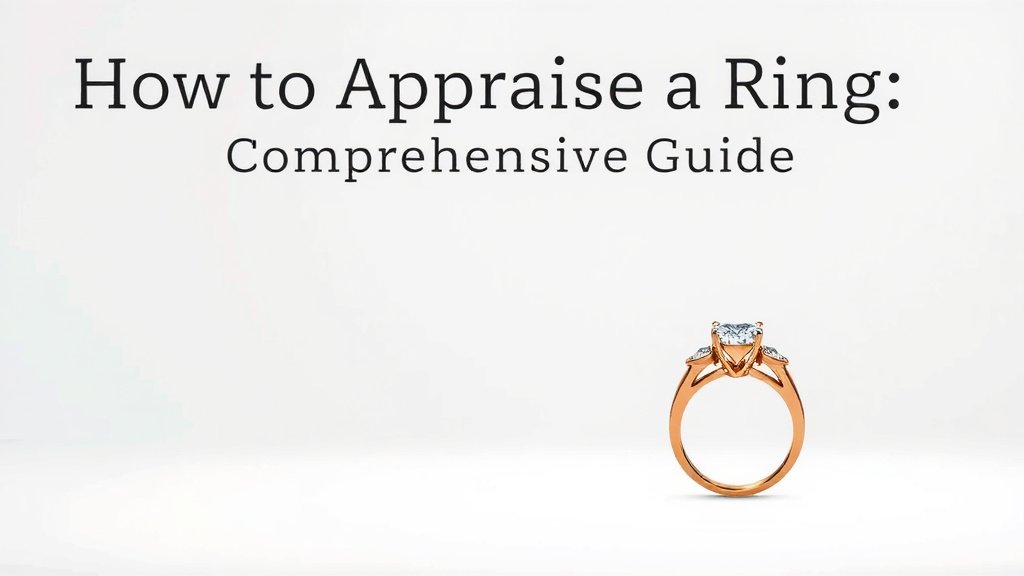
To appraise a ring yourself, focus on identifying the center stone, checking the metal type, and noting any hallmarks or engravings. You’ll also want to look for signs of wear and tear. This will give you a good starting point for understanding its potential value, though a professional appraisal is always recommended for official purposes.
Understanding your ring’s appraisal involves looking beyond just the gemstone. The metal content, such as gold or platinum, plays a major role. Even small maker’s marks can offer clues about its history and origin. We’ve found that these details significantly influence a ring’s overall worth.
- Identify the main gem.
- Check the metal and any stamps.
- Look for unique markings.
- Note any visible damage.
- Consider the ring’s overall style.
Ready to get a better understanding of your ring’s value? Let’s walk through the key things you can look for to appraise it yourself.
So, you’re curious about what your ring is really worth, aren’t you? It’s a smart move to understand its potential value, even if you’re not planning to sell it tomorrow. Knowing what to look for can give you a real appreciation for its history and craftsmanship. Let’s break down how you can assess your ring’s worth right at home.
Assessing Your Ring’s Key Features
Figuring out your ring’s appraisal starts with a close look. Think of it like being a detective for a day. You’ll be examining the main stone, the metal, and any tiny markings. These elements all contribute to its overall story and value. We’ve found that focusing on these details makes the process much clearer.
Examining the Center Stone
The center stone is often the star of the show. Its size is the first thing many people notice. Bigger doesn’t always mean better, though. Keep an eye out for clarity and color too. A smaller stone with fewer imperfections and a vibrant hue can be more desirable than a large, cloudy one.
Understanding the 4 Cs (for Diamonds)
If your ring has a diamond, you’ll want to know about the famous 4 Cs: Cut, Color, Clarity, and Carat. The cut refers to how well the diamond has been shaped and faceted. A well-cut diamond reflects light beautifully, giving it brilliance. Color is graded from D (colorless) to Z. Clarity looks at any natural imperfections. Carat is simply the diamond’s weight. Many experts say understanding these helps estimate a diamond’s value (GIA).
Other Gemstones: Color and Clarity Matter
For gemstones other than diamonds, like sapphires, rubies, or emeralds, color is often the most important factor. A rich, even color usually commands a higher price. Clarity is still important, but some gemstones naturally have visible inclusions. For instance, emeralds often have “jardin” or garden-like inclusions. These can actually be a sign of a natural stone.
Checking the Metal Type and Quality
The band of your ring is more than just a holder for the gem; it has its own value. The type of metal used can significantly impact the ring’s worth. You’ll often see markings indicating the metal’s purity.
Common Metals and Their Markings
Gold rings are typically marked with a karat stamp. You might see 10K, 14K, or 18K. Higher karats mean more pure gold. For example, 14K gold is 58.3% gold, while 18K is 75% gold. Platinum rings are usually marked with PT or Plat, often followed by a purity number like 950. This means it’s 95% pure platinum.
Beyond Gold and Platinum
Some rings might be made of sterling silver, usually marked 925. While less expensive than gold or platinum, sterling silver can still be part of a beautiful piece. Cheaper metals like brass or copper might be used as alloys or for fashion jewelry, but they won’t add much to the appraisal value.
Looking for Hallmarks and Maker’s Marks
Tiny stamps can tell a big story about your ring’s origin and age. These are called hallmarks or maker’s marks. They are often found on the inside of the ring band.
What Hallmarks Tell You
Hallmarks can indicate the manufacturer, the country of origin, or the date the ring was made. Some hallmarks are very specific and can help identify a particular designer or brand. This kind of detail can add historical and collectible value, especially for antique or vintage pieces.
Understanding Maker’s Marks
A maker’s mark is usually a symbol or initials. It’s like a signature from the company or artisan who crafted the ring. We found that jewelry historians often use these marks to date and authenticate pieces. A well-known maker’s mark can increase a ring’s desirability among collectors.
Assessing the Ring’s Condition and Style
Even the most beautiful ring can lose value if it’s damaged. Also, the overall design plays a role in how desirable it is.
Signs of Wear and Tear
Carefully inspect the ring for any damage. Look for scratches on the metal, especially if it’s a softer metal like gold. Check if the prongs holding the stone are worn down or bent. Is the gemstone loose? Are there any chips or cracks in the stone itself? These issues might require repair and can affect the appraisal value.
The Influence of Style and Era
Is your ring a classic solitaire? Is it a modern design? Or perhaps it’s an Art Deco piece from the 1920s? Certain styles and historical periods are more sought after than others. Vintage and antique rings, if in good condition and well-designed, often have a strong market. The style can influence both its aesthetic appeal and its market value.
Putting It All Together: A Quick Checklist
To summarize, here’s what you can focus on:
- Identify the main stone and its likely type.
- Note the metal type and any purity stamps.
- Look for hallmark or maker’s marks.
- Inspect for any signs of damage or wear.
- Consider the ring’s overall style and era.
- Think about the 4 Cs if it’s a diamond.
Conclusion
You’ve now learned how to perform a basic appraisal of your ring. By examining the center stone, checking the metal, and looking for hallmarks, you can get a solid understanding of its features and potential value. Remember, these steps provide a great starting point for appreciating your ring’s unique characteristics and history. For official appraisals, especially for insurance or sale, consulting a certified gemologist or appraiser is your essential next step.
Frequently Asked Questions
How can I tell if my ring is real gold?
Look for a stamp inside the band. Common markings include 10K, 14K, or 18K for gold, indicating its purity. If you see “C” or “GP” (gold plated), it’s not solid gold. If there’s no stamp, it’s harder to tell without professional testing.
What’s the difference between an appraisal and an estimate?
An appraisal is a formal, written assessment by a certified professional, often used for insurance or legal purposes. An estimate is a less formal opinion of value, perhaps given by a jeweler when you’re considering selling or trading a piece.
Does the style of a ring affect its value?
Yes, the style and era can definitely influence a ring’s value. Unique or antique designs, like Art Deco or Victorian pieces, can be highly sought after by collectors and may command higher prices than common modern styles.
Should I clean my ring before appraising it?
It’s generally a good idea to ensure your ring is clean. A clean stone and band allow for a clearer inspection of any potential damage or unique markings. However, avoid harsh DIY cleaning methods that could alter the metal or stone.
How do I find a qualified ring appraiser?
Look for appraisers who are members of professional organizations like the American Society of Appraisers (ASA) or the National Association of Jewelry Appraisers (NAJA). Certified Gemologists (CG) can also provide appraisals. Always ask about their experience and credentials.