Peridot Rings Explained: Your Guide to the August Birthstone
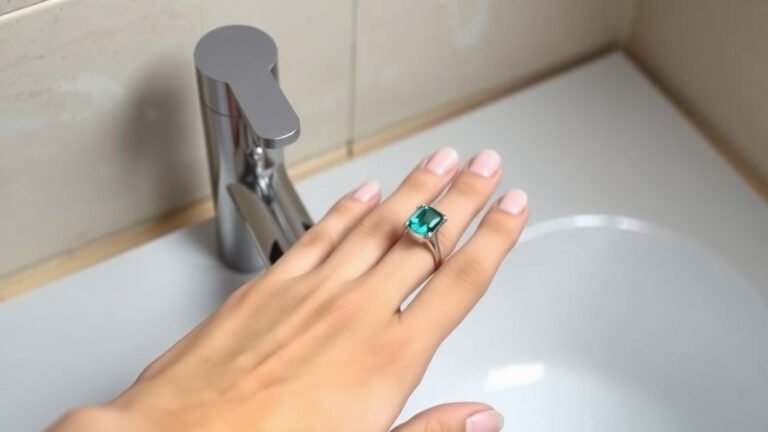
A peridot ring features a gemstone known for its stunning lime-green color. This vibrant gem is often called the “evening emerald” because its color can appear even more brilliant in the evening light. Peridot is a type of olivine, a mineral that forms deep within the Earth’s mantle and is brought to the surface by volcanic activity. Its unique hue makes it a popular choice for creating beautiful and eye-catching jewelry.
When you’re looking at a peridot ring, you’re holding a piece of history. Peridot has been prized for thousands of years, with ancient civilizations believing it possessed protective qualities. Its distinctive green sparkle is often compared to the rich color of new grass or an emerald, making it a beloved stone for both birthstone jewelry and unique fashion pieces. Many find its bright, cheerful color to be incredibly uplifting.
- Peridot rings showcase a gem famous for its bright, lime-green color.
- This gemstone is a type of olivine, originating from deep within the Earth.
- It’s often nicknamed the “evening emerald” for its brilliance in low light.
- Peridot has a long history of being admired and worn for its beauty and believed protective powers.
- It’s a popular choice for both August birthstone jewelry and general fashion rings.
Ready to find the perfect peridot ring for you or someone special? Let’s dive into what makes this gem so captivating and what to consider when choosing one.
Understanding the Allure of a Peridot Ring
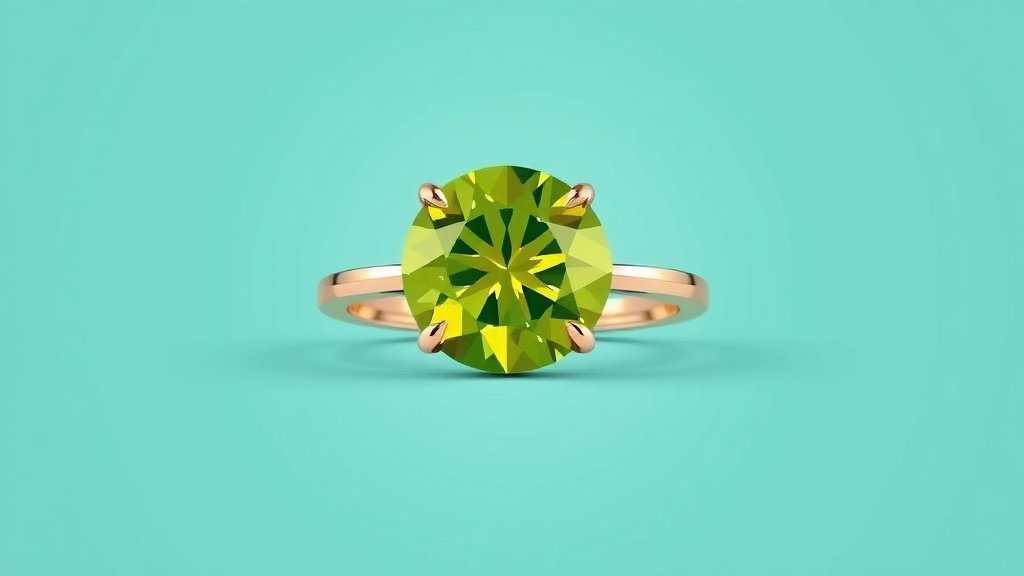
So, you’re curious about peridot rings! You’ve seen that beautiful, vibrant green and wondered what makes it so special. Essentially, a peridot ring is a piece of jewelry featuring a peridot gemstone. This gem is famous for its distinct, bright lime-green hue. It’s a color that often reminds people of fresh spring grass or the lively shades of new leaves.
What sets peridot apart is its natural brilliance. It’s a stone that seems to glow from within. This is why many people call it the “evening emerald.” Its color can appear even more vivid and intense under artificial light. This makes it a fantastic choice for jewelry you want to wear when the sun goes down. You’ll find peridot used in many different ring styles.
The Earthly Origins of Peridot
Where does this gorgeous green gem come from? Peridot is actually a variety of the mineral olivine. It forms deep within the Earth’s upper mantle. Think of it as a treasure forged under immense heat and pressure. These gems are brought to the surface through volcanic activity or tectonic plate movement. This origin story makes peridot quite unique among gemstones.
Most peridot comes from places like Egypt, Myanmar, Pakistan, and the United States. The gems found in these locations can vary in quality and color. Larger, more intensely colored peridots are rarer. This rarity often contributes to their desirability and price. When you hold a peridot ring, you’re holding a piece of our planet’s fiery history.
Peridot’s Fascinating Geological Journey
The journey of peridot from the Earth’s mantle to your finger is remarkable. Volcanic eruptions are the primary way these gems reach us. They can also be found in meteorites, which is incredibly cool! These extraterrestrial peridots offer a glimpse into the composition of other worlds. We find that the chemical composition of peridot is quite consistent.
The color of peridot is determined by its iron content. The more iron present, the deeper and more intense the green color. However, too much iron can lead to an undesirable brownish hue. Jewelers and gemologists look for a pure, bright green. We found that peridot’s color range is typically from a yellowish-green to a deep olive green. The most prized shades are often the bright, vivid greens.
What to Look For When Buying a Peridot Ring
When you’re ready to choose a peridot ring, there are a few key factors to consider. Of course, the vibrant green color is usually the first thing that draws you in. You’ll want to look for a stone with an even, clear color. Avoid stones with too many brown or yellow undertones if you desire that classic lime green.
The clarity of the peridot is also important. Like most gemstones, peridot can have inclusions, which are small natural imperfections. Some inclusions are common and don’t detract much from the stone’s beauty. Very large or obvious inclusions might make the stone more fragile. You can often see them with the naked eye or a jeweler’s loupe.
The Cut and Carat Weight of Peridot
The cut of a peridot can significantly impact its sparkle. A well-cut peridot will have facets that reflect light beautifully. This maximizes its brilliance and makes the color pop. Common cuts for peridot include oval, round, pear, and emerald cuts. The shape you choose often depends on your personal style and the ring setting you prefer.
Carat weight refers to the size of the gemstone. Peridot is available in a wide range of sizes. Larger stones will naturally be more expensive. However, a smaller peridot in a well-designed ring can be just as stunning. We found that peridot is generally quite affordable compared to other green gemstones like emeralds. This makes it an accessible choice for beautiful jewelry. Carat weight refers to the size of the gemstone; learn more about carat weight in rings.
Metal Settings and Ring Styles
The metal setting of your peridot ring plays a big role in its overall look. Peridot pairs wonderfully with both yellow gold and white metals like silver or platinum. Yellow gold can enhance the warm green tones of the peridot. White metals often provide a cool contrast that makes the green color stand out even more.
Consider the style of ring you like best. Do you prefer a simple solitaire setting that showcases the peridot itself? Or perhaps a halo setting where smaller diamonds or other stones surround the peridot? Engagement rings, fashion rings, and birthstone rings all feature peridot beautifully. Many experts suggest choosing a setting that protects the stone, as peridot can be a bit softer than some other gems. Do you prefer a simple solitaire setting that showcases the peridot itself? Learn more about solitaire rings.
Peridot: A Gemstone with History and Meaning
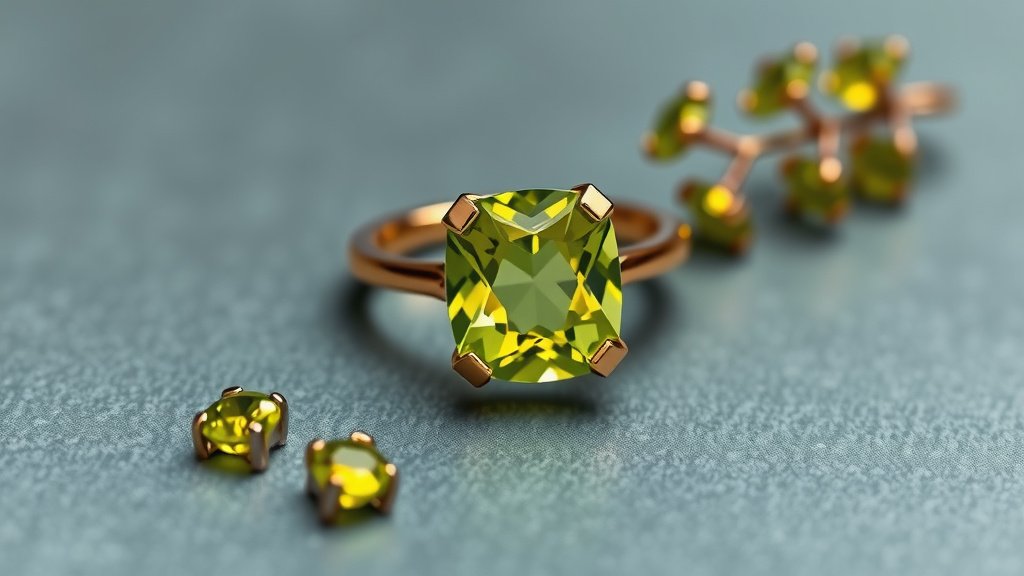
Peridot isn’t just beautiful; it carries a rich history and symbolism. Ancient civilizations admired this gem for its vibrant color. They believed it possessed protective powers. For example, some ancient cultures thought peridot could ward off evil spirits and nightmares. This belief added to its mystique and popularity for thousands of years.
In modern times, peridot is recognized as the birthstone for August. If you or someone you know has an August birthday, a peridot ring makes a thoughtful and personal gift. It’s also associated with happiness, prosperity, and good fortune. Many people find wearing peridot brings a sense of calm and positivity. It’s a stone that truly feels good to wear!
Caring for Your Peridot Ring
To keep your peridot ring looking its best, a little care goes a long way. Peridot has a hardness of 6.5 to 7 on the Mohs scale. This means it’s moderately hard but can be scratched or chipped if not handled with care. Avoid exposing your ring to harsh chemicals or extreme temperature changes. These can potentially damage the stone.
Cleaning your peridot ring is straightforward. You can usually clean it with warm water, mild soap, and a soft brush. Gently scrub the stone and the setting to remove any dirt or oils. Rinse thoroughly with clean water and pat it dry with a soft, lint-free cloth. Storing your peridot ring separately from other jewelry will help prevent scratches. A small pouch or a lined jewelry box works well.
Is a Peridot Ring the Right Choice for You?
Deciding on a peridot ring is exciting! You’re choosing a gemstone with a captivating color and a fascinating origin. Its bright green hue is cheerful and distinctive. It stands out from more common gemstones.
Think about what you love in a piece of jewelry. Do you want something that’s eye-catching and unique? Does its natural, earthy origin appeal to you? Are you looking for a beautiful birthstone gift? If you answered yes to these, then a peridot ring might be perfect for you.
Quick Checklist for Choosing a Peridot Ring:
- Color: Look for a bright, even lime-green.
- Clarity: Check for minimal, non-obvious inclusions.
- Cut: Ensure it’s well-cut to maximize sparkle.
- Metal: Decide if yellow gold or white metal suits your style.
- Setting: Choose a protective setting you love.
- Care: Be prepared for gentle cleaning and storage.
Conclusion
You’ve explored the captivating world of peridot rings! We’ve seen how this gemstone shines with its unique lime-green color, a vibrant gift from the Earth’s mantle. From its ancient history to its modern appeal as an August birthstone, peridot offers beauty and meaning. You now understand what makes peridot special and what to look for when choosing a ring. If a peridot ring has captured your heart, your next step is to visit a trusted jeweler to find that perfect piece that speaks to you.
Frequently Asked Questions
Are peridot rings durable enough for everyday wear?
Peridot ranks 6.5 to 7 on the Mohs hardness scale, making it moderately durable. While it can withstand daily wear with care, you should avoid exposing it to harsh chemicals or sudden temperature changes. It’s wise to remove your peridot ring during strenuous activities to prevent scratches or chips.
What makes peridot’s green color unique compared to other green gemstones?
Peridot’s signature green is a bright, lime-green hue, often described as “spring green.” This color comes from its iron content. Unlike emeralds, which get their color from chromium or vanadium, peridot’s distinct shade is purely from iron, giving it a fresh, vibrant appearance.
Can the color of a peridot ring change over time?
While peridot’s color is stable, extreme conditions can affect it. Prolonged exposure to strong light or heat might cause some fading over many years. Proper care and storage will help maintain the vibrant green color of your peridot ring for a lifetime.
Is peridot a more affordable alternative to emeralds?
Generally, yes, peridot is more affordable than emeralds. Its abundance and more accessible origins contribute to its lower price point. This makes peridot an excellent choice if you love the look of a vibrant green gemstone but are working with a tighter budget.
What kind of ring settings best protect a peridot stone?
Bezel settings and semi-bezel settings are excellent choices for protecting your peridot. These settings have metal that wraps around the edge of the stone, offering a barrier against bumps and scratches. A well-designed prong setting can also offer good protection if the prongs are sturdy and well-placed.