What Is A Citrine Ring? Your Guide To This Sunny Gem
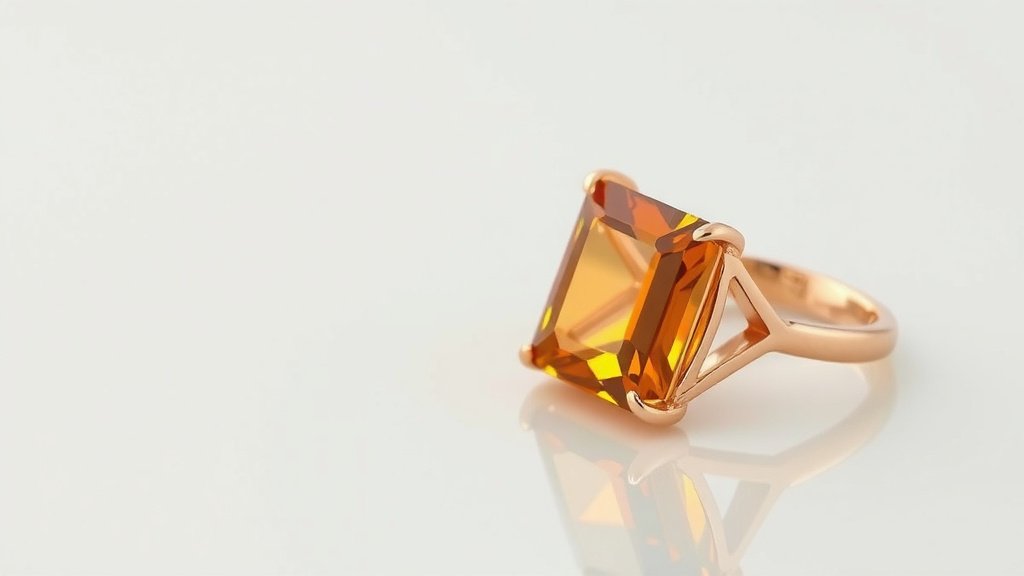
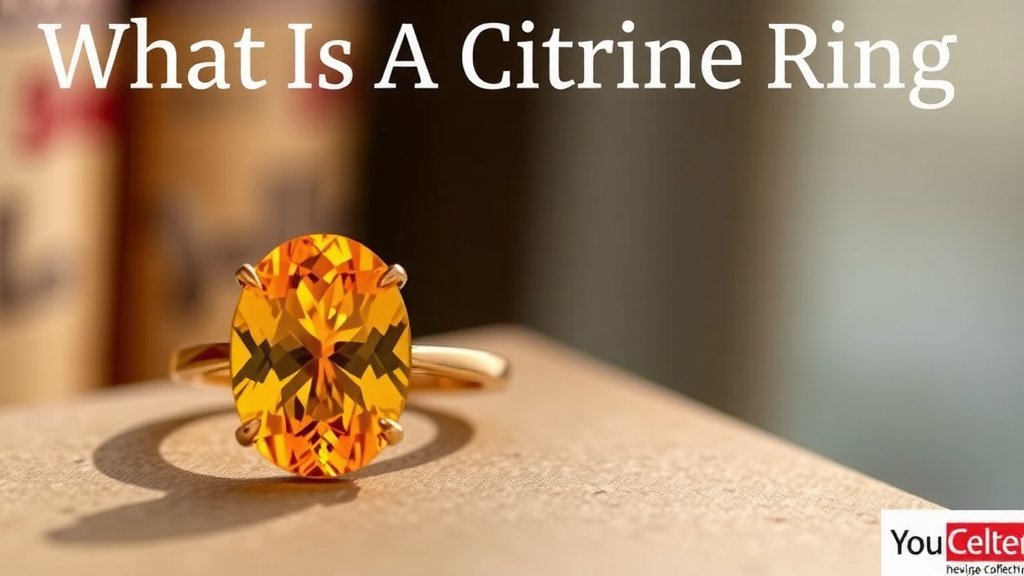
A citrine ring features a gemstone known for its warm, sunny hues, often ranging from pale yellow to deep orange-brown. This vibrant stone is a variety of quartz, making it a durable and beautiful choice for everyday wear. Many believe citrine brings positive energy and abundance when worn as jewelry.
Beyond its stunning appearance, citrine is also cherished for its alleged metaphysical properties. It’s often called the “merchant’s stone” or the “success stone.” We found that many people choose citrine rings hoping to attract wealth and prosperity. Its cheerful color is also thought to boost mood and creativity.
- Citrine is a yellow to orange variety of quartz.
- It’s a durable gemstone suitable for rings.
- Citrine is associated with abundance and success.
- Its bright color is believed to bring happiness.
- Look for natural or heat-treated citrine when shopping.
Ready to find your perfect piece? Below, we’ll walk you through what makes a citrine ring so special and what to consider when choosing one.
Understanding the Allure of Citrine Rings
You’re likely here because you’ve seen a beautiful ring sparkling with warm, yellow-to-orange hues and wondered, “What exactly makes this a citrine ring?” It’s more than just a pretty stone! A citrine ring showcases a gemstone famed for its sunny disposition and connection to good fortune.
Citrine is a variety of quartz, just like amethyst or smoky quartz. This means it’s a fairly hard and durable stone, rating a 7 on the Mohs hardness scale. This makes it a practical choice for everyday jewelry. Think of it like a tiny, beautiful ray of sunshine you can wear on your finger!
What Makes Citrine So Special?
Citrine’s appeal stems from a few key areas. It’s a gemstone with a rich history and a cheerful spirit. Many people are drawn to its vibrant color and the positive energy it’s said to bring.
The Colors of Sunshine
The most striking feature of citrine is its color. It ranges from a pale, almost translucent yellow to a rich, deep orange-brown. The intensity of the color often depends on trace amounts of iron within the quartz structure. You might see shades described as lemon, golden, or even Madeira citrine. Each color has its own unique charm.
Interestingly, much of the citrine on the market today is actually heat-treated amethyst or smoky quartz. When these stones are heated, their color transforms into the sunny shades of citrine. We found that this process yields a beautiful and stable color. While natural citrine exists, heat-treated citrine is much more common and usually more affordable. Both are genuine citrine.
Metaphysical Meanings and Beliefs
Beyond its beauty, citrine is deeply connected to positive symbolism. It’s often called the “merchant’s stone” or the “success stone.” Many believe that wearing citrine can attract wealth, prosperity, and abundance. This belief has led many entrepreneurs and business owners to keep citrine in their spaces or wear it as jewelry.
We also found that citrine is associated with joy and happiness. Its bright color is thought to uplift the spirit and encourage creativity. It’s believed to help clear negative energy and bring about a more optimistic outlook. For many, a citrine ring serves as a beautiful reminder to stay positive and open to new opportunities.
Choosing Your Citrine Ring: What to Look For
When you decide to buy a citrine ring, there are a few things to consider to ensure you get a piece you’ll love for years to come.
The Stone Itself: Cut, Clarity, and Color
Like other gemstones, citrine is evaluated based on its cut, clarity, and color. The cut refers to how the stone is faceted. A well-cut citrine will sparkle and reflect light beautifully. Common cuts include oval, round, pear, and emerald cuts.
Clarity is about the presence of inclusions, which are natural imperfections. For citrine, which is a quartz variety, some minor inclusions are common and don’t necessarily detract from its beauty. Many experts say that slight inclusions are acceptable, especially given its affordability. You want a stone that looks clean to the eye.
Color is, of course, a major factor. Deeper, more saturated colors are often more desirable, but the “best” color is really a matter of personal preference. Do you love the pale lemon yellow, or are you drawn to the rich, fiery orange-brown? We suggest looking at a few different shades to see what speaks to you.
Metal Settings for Citrine
The metal setting of your citrine ring plays a big role in its overall look and feel. Here’s a quick rundown of popular choices:
| Metal | Appearance | Best For |
|---|---|---|
| Yellow Gold | Warm, classic, rich | Enhances citrine’s golden tones. A traditional favorite. |
| White Gold/Platinum | Cool, modern, sleek | Creates a striking contrast with the warm citrine color. |
| Rose Gold | Romantic, soft pink hue | Complements the warmer, orangey shades of citrine beautifully. |
| Sterling Silver | Bright, cool, affordable | A budget-friendly option that offers a clean, modern look. |
Setting Styles: From Simple to Statement
The way your citrine is set in the ring can also dramatically change its style. Here are a few common setting types you’ll encounter: The way your citrine is set in the ring can also dramatically change its style, and there are several common setting types you’ll encounter.
- Solitaire: A single citrine stone, often highlighted by a simple band. This is a timeless choice that lets the stone shine.
- Halo: The citrine is surrounded by smaller accent stones, like diamonds or white sapphires. This makes the center stone appear larger and adds extra sparkle.
- Three-Stone: The citrine is flanked by two smaller stones, symbolizing past, present, and future. It’s a popular choice for engagement or anniversary rings.
- Bezel Setting: The metal completely encircles the edge of the stone. This is a very secure setting and gives a smooth, modern look.
- Pave: Tiny stones are set closely together along the band, creating a shimmering effect.
When you’re choosing a setting, think about your lifestyle. If you’re very active or work with your hands a lot, a lower-profile or more secure setting like a bezel might be a good idea to protect your stone. We found that settings with a lower profile tend to be more practical for daily wear.
Caring for Your Citrine Ring
Your citrine ring is a durable piece, but like all jewelry, it benefits from a little care. Regular cleaning will keep it looking its best. You can clean it gently with a soft brush, warm water, and a mild soap. Avoid harsh chemicals or ultrasonic cleaners, as these can sometimes damage gemstones.
It’s also a good idea to take your ring off when doing household chores, applying lotions or perfumes, or engaging in strenuous activities. Storing your citrine ring separately from other jewelry can help prevent scratches. Following these simple steps will help preserve the beauty of your sunny stone for years to come.
A Checklist for Your Citrine Ring Purchase
Ready to find your perfect citrine ring? Keep these points in mind:
- Consider the color intensity you prefer.
- Check the clarity for eye-clean stones.
- Decide on the metal setting that complements the stone and your style.
- Choose a ring style that suits your lifestyle.
- Ask about the origin of the citrine (natural or heat-treated).
- Ensure you’re buying from a reputable jeweler.
Conclusion
You’ve learned that a citrine ring is a beautiful way to wear the sunny energy of this quartz variety. Its rich colors and association with prosperity make it a joyful choice. We’ve covered how to choose the right stone, metal, and setting to suit your style and lifestyle. Taking simple steps to care for your ring will ensure its sparkle lasts. Now you’re ready to find a citrine ring that truly shines for you!
Frequently Asked Questions
Is citrine a real gemstone?
Yes, citrine is a genuine gemstone. It’s a variety of quartz, much like amethyst or smoky quartz. Its beautiful yellow to orange colors come from trace amounts of iron within the quartz structure. You can find both naturally occurring and heat-treated citrine, both considered real.
What is the difference between natural and heat-treated citrine?
Natural citrine forms over long periods deep within the earth. Heat-treated citrine is created when amethyst or smoky quartz is heated, causing its color to change to yellow or orange. While natural citrine is rarer and often more expensive, heat-treated citrine is more common, affordable, and equally beautiful for jewelry.
How durable is a citrine ring for everyday wear?
Citrine is a relatively durable gemstone, scoring a 7 on the Mohs hardness scale. This makes it suitable for everyday wear, but it’s still wise to take precautions. Avoid exposing your ring to harsh chemicals or hard impacts to keep it looking its best.
What does citrine symbolize in a ring?
Citrine is widely known as the “merchant’s stone” or the “success stone.” It symbolizes abundance, prosperity, and wealth. Many also associate citrine with joy, happiness, and boosting creativity. Wearing a citrine ring can serve as a personal reminder to stay optimistic and open to good fortune.
Are citrine rings expensive?
Compared to many other gemstones, citrine rings are generally quite affordable. Their price depends on the size, quality, color saturation, and the metal used for the setting. Because heat-treated citrine is readily available, it helps keep the cost down, making it an accessible choice for beautiful gemstone jewelry.