What Is a Tanzanite Ring? A Comprehensive Guide
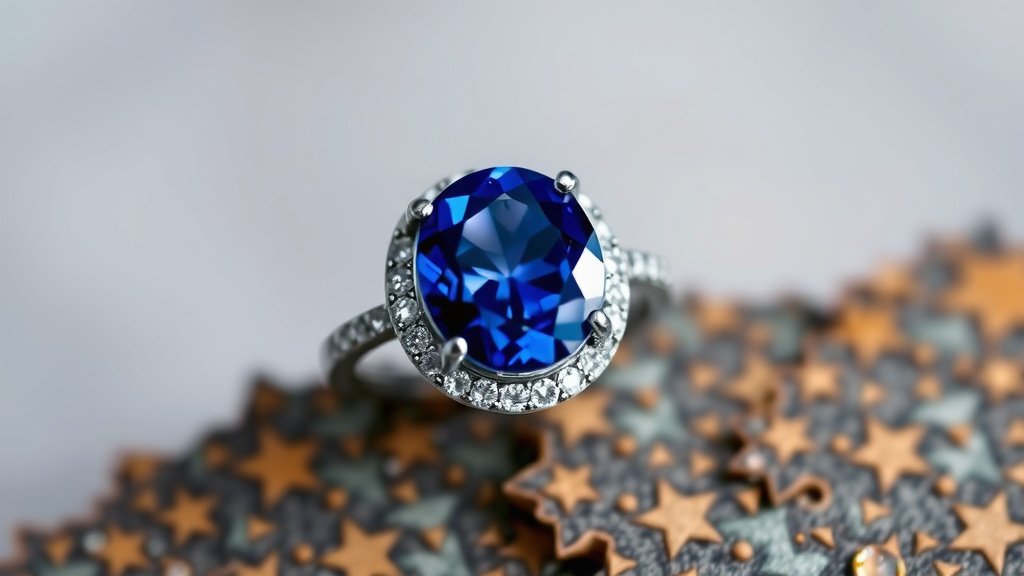
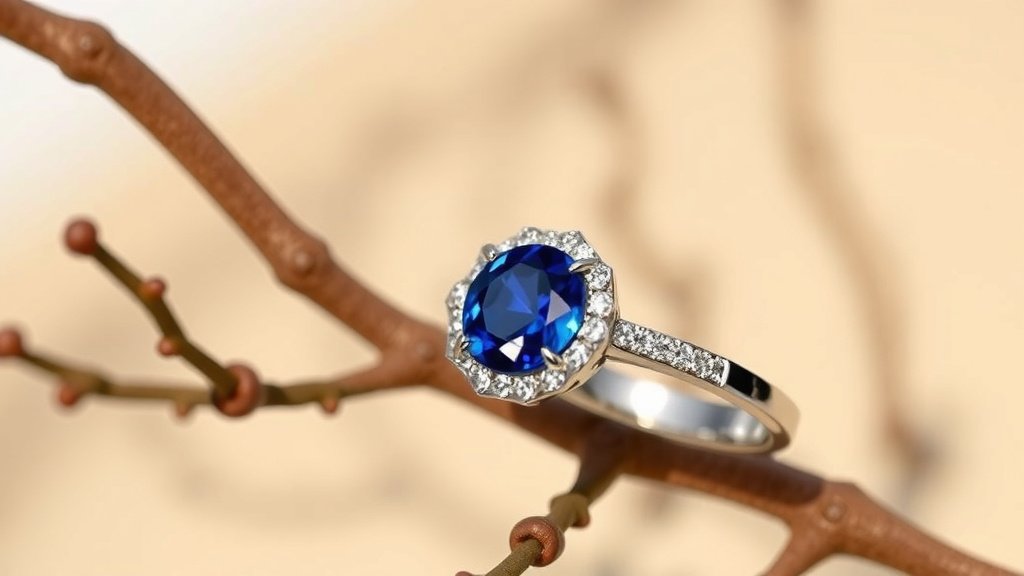
A tanzanite ring features a gemstone known for its stunning blue-violet color. Discovered in Tanzania, this gem is a rarer alternative to sapphire. It’s a beautiful choice for unique jewelry.
Tanzanite is a hydrated calcium aluminum silicate mineral. Its trichroic nature means it can display different colors when viewed from various angles. This gives it a unique and captivating shimmer that makes it stand out in any setting.
- Tanzanite is a blue-violet gemstone.
- It’s found only in Tanzania.
- Heat treatment often enhances its color.
- It’s a relatively soft stone, so careful wear is best.
Ready to learn more about what makes tanzanite so special? Below, we’ll dive into its origins, characteristics, and why it’s a sought-after gemstone for rings.
So, you’re curious about tanzanite rings? You’ve likely seen their gorgeous blue-violet hues and wondered what makes them so special. Let’s break down what a tanzanite ring truly is.
Understanding the Allure of Tanzanite Rings
A tanzanite ring showcases a gemstone unique to one small corner of the Earth. Its captivating color and rarity make it a popular choice for those seeking something beyond the ordinary. This gem offers a beautiful splash of color, often seen as an alternative to the more traditional sapphire.
Where Does This Gemstone Come From?
The story of tanzanite is as fascinating as its color. It’s named after the country where it’s found: Tanzania, East Africa. This gemstone is mined in a very specific region, near Mount Kilimanjaro. This single source makes tanzanite incredibly rare. It’s the only place in the world where this gem naturally occurs.
The Science Behind the Sparkle
Tanzanite is a variety of the mineral zoisite. Its chemical name is calcium aluminum silicate. What makes it so interesting is its trichroism. This means it displays three different colors when viewed from different angles. The most desirable color is a rich, vivid blue with hints of violet.
To achieve this stunning hue, tanzanite often undergoes heat treatment. Most tanzanite is mined in a brownish or greenish color. Heating it to around 600°C (1112°F) transforms it into the beautiful blue-violet gem we know. This treatment is standard practice in the industry and doesn’t affect the gem’s durability.
| Feature | Tanzanite | Sapphire |
|---|---|---|
| Color | Blue-violet, trichroic | Various blues, also pink, yellow, etc. |
| Origin | Tanzania, Africa | Sri Lanka, Madagascar, Myanmar, Australia, etc. |
| Hardness (Mohs Scale) | 6.5 – 7 | 9 |
| Rarity | Very Rare (single mine) | Relatively common to rare, depending on quality |
| Treatment | Almost always heat-treated for color | Often heat-treated, sometimes diffusion or fracture filling |
What to Look For in a Tanzanite Ring
When you’re choosing a tanzanite ring, several factors come into play. Think of it like picking out a beautiful piece of art. You want something that speaks to you and will last.
Color: The Star of the Show
Color is king with tanzanite. The most prized stones exhibit a deep blue with flashes of violet. Lighter blues are more common and less expensive. Some stones might lean more towards violet than blue. It’s really a matter of personal preference, but the richer, more vibrant the color, the more valuable the gem.
We found that the intensity of the color is key. A stone that appears almost black in dim light but shows vibrant blues and violets in good lighting is highly desirable. Many experts suggest viewing the stone in natural daylight to see its true color potential.
Clarity: How Clear is It?
Like most gemstones, tanzanite can have natural inclusions. These are like tiny birthmarks within the stone. For tanzanite, the ideal is a gem that is eye-clean. This means you can’t see any inclusions without magnification. Of course, flawless stones are rarer and command higher prices.
Some inclusions are unavoidable, especially in larger stones. You’ll want to ensure that any visible inclusions don’t compromise the stone’s beauty or durability. We found that small, white inclusions are generally less noticeable than dark ones.
Cut: Shaping the Brilliance
The cut of a tanzanite significantly impacts its sparkle. Gem cutters work to maximize the stone’s color and brilliance. You’ll find tanzanite in many shapes: oval, round, cushion, pear, and marquise. Ovals and cushions are very popular for rings.
A well-cut tanzanite will have good symmetry. It will also display excellent light return, meaning it sparkles and shines. Avoid stones that look dull or have dark patches. This often indicates a poor cut.
Carat Weight: Size Matters, But…
Tanzanite is often available in larger sizes than diamonds. This is because it’s a different mineral with different formation processes. However, size isn’t everything. A smaller, high-quality tanzanite with a magnificent color can be far more beautiful than a larger, duller stone.
As the carat weight increases, so does the price per carat. You’re paying for both the size and the quality of the gem. Many experts suggest that tanzanite rings featuring stones between 1 and 3 carats offer a great balance of size and affordability. As the carat weight increases, so does the price per carat. Our guide to understanding carat explains how weight impacts value.
Caring for Your Tanzanite Ring
Tanzanite is beautiful, but it does require a bit of special care. It’s not as hard as diamonds or sapphires, ranking 6.5 to 7 on the Mohs scale of hardness. This means it can be more susceptible to scratches and chipping.
Daily Wear and Protection
To keep your tanzanite ring looking its best, we recommend you avoid wearing it during activities where it might get banged or scratched. This includes things like doing chores, gardening, or exercising. Think of it as your special occasion ring, or wear it on days when you know you’ll be gentle with your hands.
When you’re not wearing your ring, store it separately in a soft pouch or a jewelry box compartment. This prevents it from scratching other jewelry or being scratched itself. We found that a dedicated slot in a jewelry box is ideal for tanzanite pieces.
Cleaning Your Tanzanite Ring
Cleaning tanzanite is straightforward. You can use a soft brush with warm water and a mild detergent. Gently scrub the stone and the setting. Rinse it thoroughly under warm water. Pat it dry with a soft, lint-free cloth.
Avoid using ultrasonic cleaners or steam cleaners. These can potentially damage the stone or loosen the setting. Harsh chemicals should also be avoided. Stick to the simple, gentle cleaning method for the best results.
Here’s a quick checklist for tanzanite ring care:
- Wear with care; avoid rough activities.
- Store separately to prevent scratches.
- Clean with warm, soapy water and a soft brush.
- Rinse thoroughly after cleaning.
- Dry gently with a lint-free cloth.
- Avoid ultrasonic or steam cleaners.
Conclusion
You’ve discovered what makes a tanzanite ring so unique. Its stunning blue-violet color comes from its single source in Tanzania. While beautiful, remember tanzanite requires gentle care due to its hardness. Understanding its color, clarity, cut, and carat weight helps you find the perfect piece.
Now that you know more, you’re ready to find your own tanzanite ring. Consider what shades of blue and violet appeal most to you. Start browsing to see these captivating gems for yourself!
Frequently Asked Questions
Is tanzanite a good gemstone for everyday wear?
Tanzanite ranks 6.5 to 7 on the Mohs hardness scale. This means it’s softer than diamonds or sapphires. We recommend wearing your tanzanite ring with care, avoiding rough activities to prevent scratches or chips.
Why is tanzanite only found in Tanzania?
The geological conditions required for tanzanite to form are extremely rare. Scientists believe these specific conditions only occurred in a small area of Tanzania, near Mount Kilimanjaro. This single source makes the gem naturally very scarce.
Does the color of tanzanite change?
Tanzanite is trichroic, meaning it can show different colors from different angles. The most desired color is a vibrant blue-violet. Most tanzanite is heat-treated to bring out this beautiful color from its natural brown or greenish state.
Are tanzanite rings more expensive than sapphire rings?
Generally, high-quality tanzanite can be more expensive than comparable sapphires. This is largely due to its extreme rarity, as it’s only mined in one location. However, prices can vary widely based on color, clarity, and size for both stones.
How should I clean my tanzanite ring?
For cleaning, we suggest using warm water with a mild detergent and a soft brush. Gently scrub the stone and setting, then rinse well. Pat it dry with a soft, lint-free cloth. Avoid harsh chemicals or ultrasonic cleaners.