Meteorite Ring Cost: What You’ll Pay in October 2026
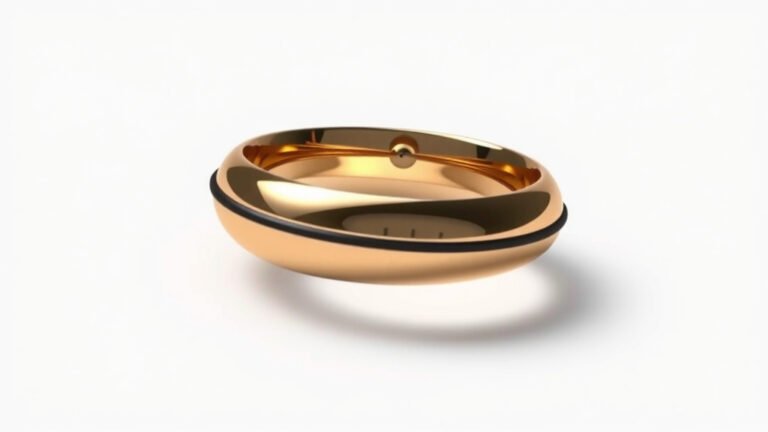
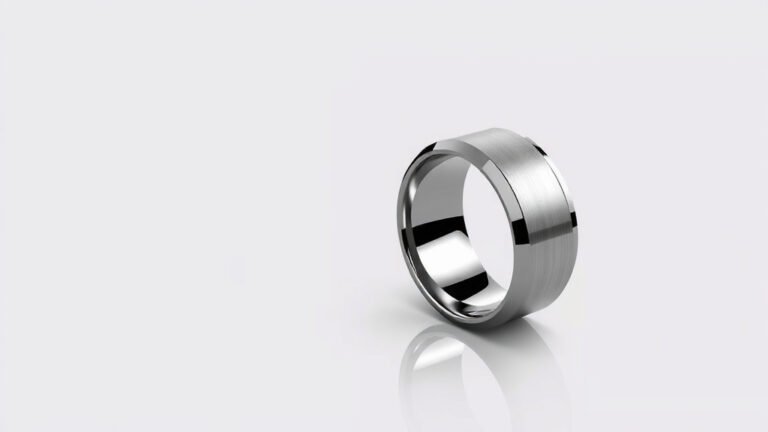
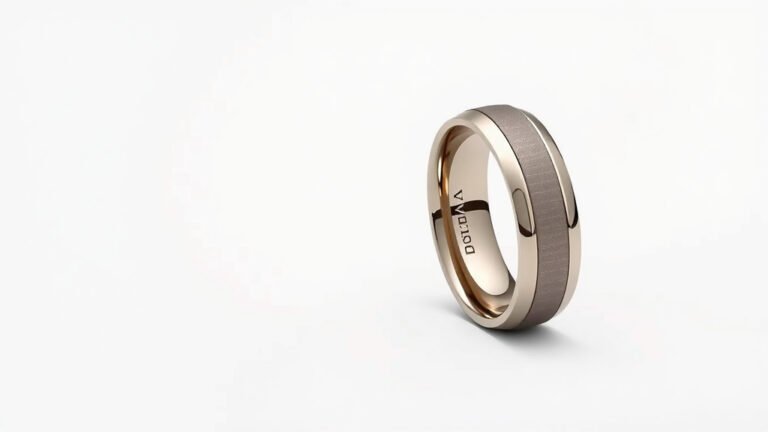
A meteorite ring typically costs between $200 and $2,000, with most buyers spending around $500 to $1,200. So, how much does a meteorite ring cost if you want something simple? You can find basic designs for a few hundred dollars, while rare meteorite bands set in gold or platinum can climb much higher.
Why the wide range? It comes down to a few things: the type of meteorite (Gibeon and Muonionalusta are the most popular), the metal it’s paired with, and the craftsmanship involved. We researched dozens of jewelers and found that authentic meteorite material is what drives the price up. And here’s a quick heads-up: if a deal looks too good to be true, it probably isn’t real space rock.
TL;DR — Quick answers on meteorite ring costs:
- Most meteorite rings cost between $200 and $2,000.
- Simple titanium or steel bands with meteorite inlays start around $200 to $500. If you’re leaning toward titanium, our guide to titanium rings explains how the metal holds up to daily wear.
- Gold or platinum settings push prices to $1,000 or more.
- Genuine meteorite (like Gibeon) costs more than lookalike etched steel.
- Expect to pay extra for resizing, engraving, and protective coatings.
Below, we break down everything you need to know about meteorite ring pricing, from what affects the cost to how to spot a real one. Let’s dig in.
What You Can Expect to Pay for a Meteorite Band
Here’s the honest answer: your budget depends mostly on two things — the ring’s base metal and how much actual meteorite it contains. We found that titanium and steel bands with meteorite inlays sit at the low end, while solid gold rings with full meteorite sleeves sit at the top. Think of it like buying a car: same road, very different price tags.
Price Ranges by Material and Style
We compared listings from several well-known meteorite jewelers, and the pricing fell into pretty clear tiers:
| Ring Style | Typical Price Range | What You Get |
|---|---|---|
| Titanium band with meteorite inlay | $200 – $500 | Real meteorite strip, simple design |
| Stainless or Damascus steel band | $150 – $400 | Often etched steel, sometimes not real meteorite |
| Cobalt or palladium band with meteorite | $500 – $900 | More durable, brighter finish |
| 14k or 18k gold band with meteorite inlay | $900 – $1,800 | Precious metal plus genuine space rock |
| Platinum band with meteorite sleeve | $1,500 – $3,000+ | Custom work, full meteorite wrap |
Notice anything? The meteorite itself isn’t always the biggest cost driver. The metal around it often matters more.
Why Gibeon Meteorite Costs More
Not all space rock is created equal. Gibeon meteorite, which fell in Namibia thousands of years ago, is prized for its dramatic crosshatch pattern. It’s also become harder to source, since Namibia restricted its export. Less supply plus high demand equals higher prices. We found that rings advertising genuine Gibeon often run 20 to 40 percent more than rings using other meteorites.
What Drives the Price Up or Down
So what exactly are you paying for? Let’s pull back the curtain on the three big factors.
The Meteorite Type
Jewelers work with a handful of meteorite types, and each has its own personality and price. The two you’ll see most often are Gibeon and Muonionalusta. Both are iron meteorites, which means they’re mostly iron and nickel — strong enough to survive life on your hand.
Popular Meteorite Types Compared
- Gibeon: The celebrity of meteorite rings. Stunning pattern, limited supply, premium price.
- Muonionalusta: Found in Sweden. One of the oldest known meteorites, with a fine, crisp pattern. Usually a bit cheaper than Gibeon.
- Sikhote-Alin: From Russia. Often used in chunks or fragments rather than smooth bands.
- Campo del Cielo: From Argentina. Common in pendants, sometimes sliced for rings. Budget-friendly.
Many experts say Muonionalusta offers the best bang for your buck if you love the look but want to save a few hundred dollars.
Hidden Costs Most Buyers Forget
The sticker price is only the beginning. Here’s where budgets quietly balloon:
- Protective coating: Meteorite can rust because of its iron content. Most jewelers apply a sealant, and some charge $50 to $100 for premium versions.
- Sizing changes: Many meteorite rings can’t be resized the usual way. Sizing beads or a remake can cost extra, so get your size right the first time.
- Engraving: Adds $20 to $75 at most shops.
- Rush production: Custom rings often take 4 to 8 weeks. Need it faster? Expect a rush fee.
- Rust re-treatment: Over the years, some rings need the coating reapplied. Ask your jeweler if this is free or paid.
One tip we picked up from jewelers: ask about lifetime care before you buy. Some sellers include re-coating for free. Others don’t mention it until you call with a rusty ring and a worried voice.
Real vs. Fake: How to Spot Genuine Space Rock
Here’s the part where we save you from a bad purchase. Not every “meteorite” ring contains meteorite. Some sellers sell etched steel that only looks the part. So how do you protect yourself?
The Widmanstätten Pattern Test
Real iron meteorites have a one-of-a-kind crystal pattern called the Widmanstätten pattern. It looks like overlapping triangles or a frozen web, and here’s the kicker: it can’t be faked cheaply. This pattern forms over millions of years of extremely slow cooling in space — something no factory can replicate. NASA notes that iron meteorites cool just a few degrees per million years, which is what creates those crystals.
If the “pattern” looks like uniform machine-etched lines, pause. That’s a red flag waving right at you.
A few more quick checks:
- Real meteorite rings usually list the meteorite name (Gibeon, Muonionalusta). Vague wording like “meteor-style” often means fake.
- Genuine sellers mention the iron-nickel composition.
- Prices far below $150 for “real meteorite” almost always mean etched steel.
- Ask for the ring’s certificate of authenticity or source documentation.
Your Pre-Purchase Checklist
Before you click “buy,” run through this quick list. It takes two minutes and can save you real money and heartache.
- ✅ Confirm the meteorite type is named (Gibeon, Muonionalusta, etc.).
- ✅ Ask whether the ring has a rust-proof coating and if re-coating is free.
- ✅ Get your exact ring size — many meteorite bands can’t be resized.
- ✅ Check the turnaround time, especially for custom orders.
- ✅ Look for authenticity documentation or a seller with a solid return policy.
- ✅ Compare at least three jewelers before committing.
Follow this list, and you’ll shop like a pro. You’ll know what a fair price looks like, what questions to ask, and exactly what you’re getting — a genuine piece of the cosmos, not a polished chunk of steel with a good story.
Conclusion
A meteorite ring is one of those rare purchases that’s billions of years in the making, yet still fits within a normal jewelry budget. After our research, we found that most buyers land between $200 and $2,000, with the base metal and meteorite type doing most of the heavy lifting on price. Just remember the extras: coatings, sizing, and authenticity checks matter as much as the sticker price. Our honest advice? Decide on your budget first, verify the Widmanstätten pattern, and then request quotes from at least three reputable jewelers. That way, you’ll pay a fair price for real space rock — and nothing more.
Frequently Asked Questions
Are meteorite rings good for everyday wear?
Yes, most are. Iron meteorites are tough, but the metal can react to water and sweat over time. If you work with your hands a lot or wash them often, choose a ring with a strong protective coating and ask about free re-coating down the road.
Do meteorite rings hold their value or resell well?
Not really, and that’s okay. Like most jewelry, a meteorite ring is a purchase of sentiment, not an investment. Genuine Gibeon material is getting scarcer, so custom pieces may hold some appeal to collectors, but expect to recoup only a fraction of what you paid.
How much does a meteorite engagement ring with a diamond cost?
Adding a diamond changes everything. A meteorite band with a small accent stone usually starts around $800 to $1,500, while a larger center diamond can push the total well past $3,000. The diamond’s size and quality will drive the final price far more than the meteorite itself.
Can I buy a real meteorite ring under $100?
We’d be skeptical. At that price point, you’re almost certainly looking at etched steel made to imitate meteorite, not actual space rock. Real meteorite material, cutting, and sealing cost jewelers money, so authentic rings rarely dip below the $150 to $200 mark.
Where is the best place to buy a meteorite ring?
Start with jewelers who specialize in meteorite work rather than general retailers. Look for sellers who name the meteorite type, offer documentation, and have strong reviews from real buyers. Specialty meteorite jewelers may cost slightly more, but you’ll get genuine material and better aftercare support.