How Much to Spend on an Engagement Ring: A 2026 Guide
There’s no single “magic number” for how much to spend on an engagement ring. While the old rule of thumb suggested three months’ salary, most couples today spend what feels right for their budget and priorities, often between 1 to 3 months of income.
The amount you spend really depends on your personal financial situation and what you both value. It’s not just about the price tag; it’s about finding a ring that symbolizes your commitment. Many experts agree that focusing on your overall budget is more important than sticking to outdated guidelines.
- Forget the old “3 months’ salary” rule.
- Focus on what you can comfortably afford.
- Consider your joint financial goals.
- A ring’s meaning comes from love, not price.
- Prioritize quality and meaning over sheer cost.
Let’s break down the factors that influence engagement ring spending and how to find that perfect balance for your unique situation.
What’s a Realistic Engagement Ring Budget?
Figuring out how much to spend on an engagement ring can feel a little overwhelming. You’ve probably heard old rules of thumb, but those don’t always fit today’s world. We found that focusing on what you can comfortably afford is the most important step.
It’s not about meeting some external expectation. It’s about finding a beautiful symbol of your love that makes sense for your financial future. Many experts agree that your personal budget should guide your decision.
Moving Past Outdated Engagement Ring “Rules”
The old “three months’ salary” rule is a marketing concept, not a financial necessity. It came from a diamond company’s advertising campaign in the mid-20th century. Researchers found that this guideline is widely disregarded by couples today (The Knot). What matters more is finding a ring that you both love and that fits your current financial picture.
Why the “Salary Rule” Doesn’t Work Anymore
Life looks different now. Many couples are living together before marriage. They often share finances or have joint financial goals. Your income and expenses are unique. A blanket rule like “three months’ salary” simply doesn’t account for your individual circumstances.
We found that couples are more focused on practicality and shared financial health. Prioritizing this leads to less stress down the road. It allows you to enjoy your engagement and upcoming marriage without undue financial pressure.
Factors Influencing Your Engagement Ring Spend
Several things will play a role in determining your budget. Thinking through these points will help you set a realistic spending goal. Let’s break down the key areas to consider.
Your Current Financial Situation
This is the most critical factor. How much disposable income do you have right now? Do you have significant debts to pay off? Do you have an emergency fund in place? Experts suggest having a solid emergency fund before making large purchases (Consumer Financial Protection Bureau).
It’s wise to look at your monthly budget. See what you can realistically allocate without compromising essential living expenses. This isn’t about deprivation; it’s about making a smart financial choice.
Joint Financial Goals and Priorities
Are you saving for a down payment on a house? Planning a wedding? Thinking about starting a family? These shared goals should influence your ring budget. You and your partner should discuss these aspirations together.
For example, if buying a home is a top priority, you might decide to spend less on the ring. This allows you to allocate more funds towards that significant goal. It’s about finding a balance that works for both of you.
The Cost of Diamonds and Gemstones
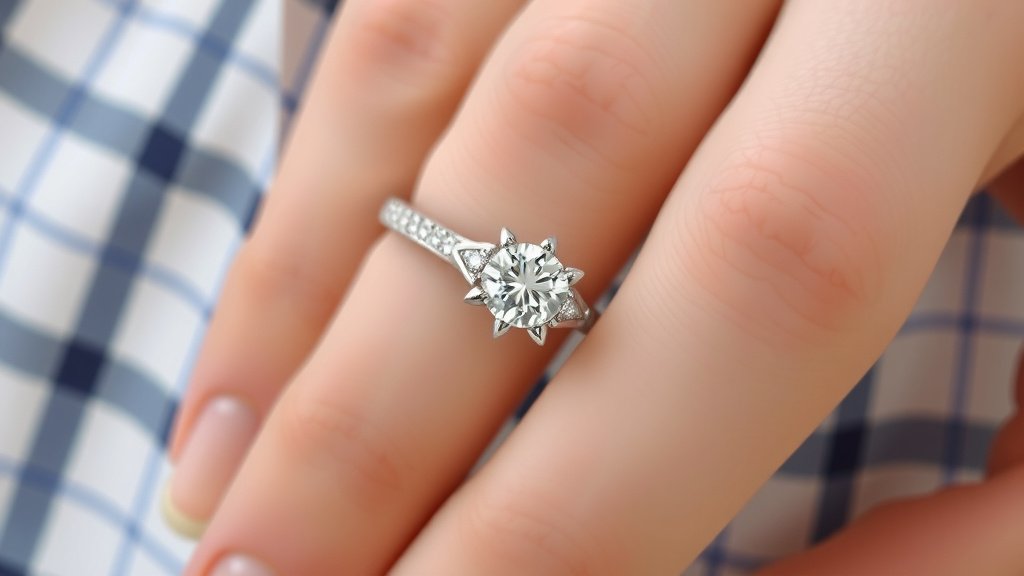
The price of an engagement ring is heavily influenced by the center stone. Diamonds are priced based on the “Four Cs”: cut, color, clarity, and carat weight. Other gemstones like sapphires, emeralds, or moissanite can offer different price points.
Understanding the “Four Cs”
These four factors determine a diamond’s appearance and, consequently, its price. A better cut means more sparkle. Colorless diamonds are rarer and more expensive. Higher clarity means fewer visible imperfections. Carat weight is simply the stone’s size.
We found that understanding these can help you make informed choices. You might decide that a slightly lower color grade or clarity is perfectly acceptable for your budget. Many couples find beautiful stones that meet their criteria without breaking the bank.
Exploring Alternative Gemstones
Don’t overlook the beauty and affordability of other gemstones. Sapphires come in stunning blues, pinks, and yellows. Emeralds offer a vibrant green. Moissanite is a popular diamond alternative that is very sparkly and less expensive.
Many couples are choosing unique gemstones that reflect their personality. This can significantly reduce the overall cost of the ring. It’s a way to make your ring truly one-of-a-kind.
Metal Type and Setting Style
The band material also impacts the price. Platinum is the most durable and expensive. White gold, yellow gold, and rose gold are more affordable options. The style of the setting—simple solitaire, halo, three-stone—can also affect the cost. More intricate settings often cost more.

What Do Most Couples Actually Spend?
While there’s no magic number, research gives us a good idea of current trends. We found that the average spend on an engagement ring in the US often falls between one to three months of the buyer’s income.
Here’s a general idea based on recent surveys:
| Income Level (Monthly) | Suggested Ring Spend Range | Focus |
|---|---|---|
| $4,000 | $4,000 – $12,000 | Finding a ring that feels special within a comfortable range. |
| $6,000 | $6,000 – $18,000 | Balancing quality, size, and personal preferences. |
| $8,000+ | $8,000 – $24,000+ | More flexibility for higher quality stones and settings. |
Keep in mind these are just averages. Many couples spend less, and some spend more. The most important thing is that the ring fits your budget and your love story.
Tips for Setting Your Engagement Ring Budget
Ready to figure out your own budget? Here’s a simple checklist to guide you:
- Discuss finances openly with your partner.
- Assess your current savings and income.
- List your shared financial goals.
- Research diamond/gemstone and setting costs.
- Decide on a comfortable spending range.
- Factor in potential insurance costs.
Conclusion
You’ve learned that the perfect engagement ring budget isn’t found in outdated rules, but in your personal financial reality and shared dreams. Forget the pressure of arbitrary salary guidelines. Focus instead on open communication with your partner about your joint goals, current financial situation, and what truly matters to you both.
By considering the factors of gemstones, metals, and settings, you can find a ring that symbolizes your love without causing financial strain. Your next step is to have that honest conversation with your partner. Together, you can confidently set a budget that feels right, ensuring your engagement is a joyous start to your married life.
Frequently Asked Questions
Is the “three months’ salary” rule still relevant?
No, research and expert opinions strongly suggest the “three months’ salary” rule is outdated. This guideline originated from a mid-20th-century marketing campaign and doesn’t reflect modern financial realities or relationship dynamics. Couples today focus more on personal affordability and shared financial goals.
What’s the average amount people spend on engagement rings?
While there’s no single magic number, current data shows most couples in the US spend between one to three months of their income on an engagement ring. This range provides flexibility, allowing for variation based on individual income and spending priorities.
Should I involve my partner in setting the engagement ring budget?
Absolutely. Open communication about finances and expectations is key for a healthy relationship. Involving your partner ensures you both agree on a budget that works for your shared future, preventing potential stress or disagreements later on.
What if our desired ring costs more than we can comfortably afford?
You have options! Consider exploring alternative gemstones like sapphires or moissanite, which are often more affordable than diamonds. You can also look at different diamond qualities within the “Four Cs” or choose a slightly smaller carat weight. A simpler setting style can also reduce costs.
Are there hidden costs associated with engagement rings I should budget for?
Yes, it’s wise to consider potential additional costs. Ring insurance is highly recommended to protect your investment against loss, theft, or damage. You might also want to factor in the cost of resizing if needed, or potential cleaning and maintenance services.