Your Guide to Buying the Perfect Engagement Ring
Buying an engagement ring for the first time can feel overwhelming, but you can absolutely find the perfect one. The key is to focus on the 4 Cs: cut, color, clarity, and carat weight, and to set a realistic budget. Understanding these basics will help you navigate the options confidently and make a choice you’ll both love.
Many couples wonder about the overall cost and where to start. We found that setting a budget early helps narrow down choices and reduces stress. Remember, the most important thing is the symbolism behind the ring, not just its price tag. Researching different retailers and understanding return policies is also smart.
- Focus on the 4 Cs: cut, color, clarity, carat.
- Set a realistic budget upfront.
- Consider the ring’s symbolism and design preferences.
- Research retailers and policies.
- Don’t forget the wedding band compatibility!
Ready to find that sparkler? Let’s walk through how to buy an engagement ring step by step, from understanding the diamonds to choosing the perfect setting.
You’ve decided it’s time. That special question is on your mind, and so is the ring. It’s a big step, and finding the perfect engagement ring can feel like a treasure hunt. But don’t worry, we’re here to guide you. We’ve broken down the process into easy steps. This will help you find a ring that sparks joy and lasts a lifetime.
Navigating the Diamond Decisions
Diamonds are often the star of engagement rings. Understanding their qualities is key. This is where the famous 4 Cs come in. They help you evaluate a diamond’s beauty and value. We found that focusing on these helps make the selection process much clearer.
Understanding the 4 Cs of Diamonds
These four factors work together to determine a diamond’s overall appearance and cost. Think of them as your diamond report card. Getting a good grasp of each ‘C’ will serve you well.
Cut: The Diamond’s Sparkle Factor
The cut isn’t about the shape, but how well the diamond has been faceted. A great cut allows light to reflect brilliantly. This creates that dazzling sparkle you see. It’s considered by many to be the most important C. A poorly cut diamond will look dull, even if it’s large or colorless. We found that prioritizing a good cut really makes a diamond shine.
Color: The Absence of Hue
Diamond color grades range from D (colorless) to Z (light yellow or brown). The less color, the rarer and usually more expensive the diamond. Most people can’t see a difference between nearby color grades. For example, a ‘G’ or ‘H’ color diamond often looks colorless to the naked eye. We found that opting for a near-colorless diamond is a smart way to save money without sacrificing beauty.
Clarity: Diamond’s Inner Perfection
Clarity refers to tiny imperfections, called inclusions, within the diamond. The fewer inclusions, the higher the clarity grade. Grades range from Flawless (no visible inclusions) down to Included. For most engagement rings, a grade of VS (Very Slightly Included) or SI (Slightly Included) is excellent. These inclusions are typically too small to see without magnification. Many experts suggest that eye-clean diamonds offer the best value.
Carat Weight: The Diamond’s Size
Carat is a unit of weight for gemstones. One carat equals 200 milligrams. While size matters to some, it’s not the only factor. A larger diamond with a poor cut or color might not look as impressive. We found that looking at a diamond’s total diameter in millimeters can be helpful. It gives you a clearer picture of its visual size on the finger.
The Importance of Your Budget
Setting a budget is the first practical step. It helps you narrow down your options significantly. Don’t feel pressured by old-fashioned rules like the “three months’ salary” guideline. Those aren’t based on modern financial advice. We found that determining what you can comfortably afford is the most sensible approach. Your budget will guide your choices on diamond quality and ring style.
How Much Should You Spend?
This is a personal decision. Consider your current financial situation and your partner’s expectations. Many couples are finding success by setting a budget that feels right for them. Researching ring prices online can give you a good starting point. This helps you understand what different qualities and sizes cost. We found that being open about finances beforehand can prevent future stress.
Beyond the Diamond: Setting and Style
Once you have a handle on the diamond, it’s time to think about the ring itself. The setting holds the diamond and contributes greatly to the ring’s overall look. It also plays a role in durability and how comfortable it is to wear.
Popular Engagement Ring Settings
The setting is like the diamond’s frame. It can enhance its beauty or create a completely different style. Many settings are designed to protect the diamond and make it appear larger.
Solitaire Settings
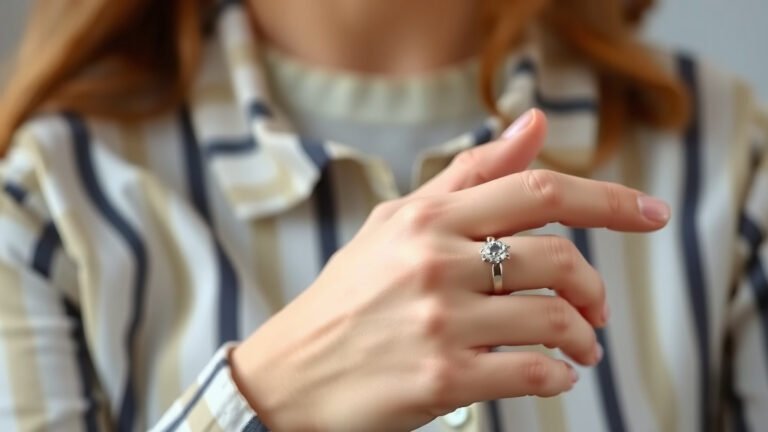
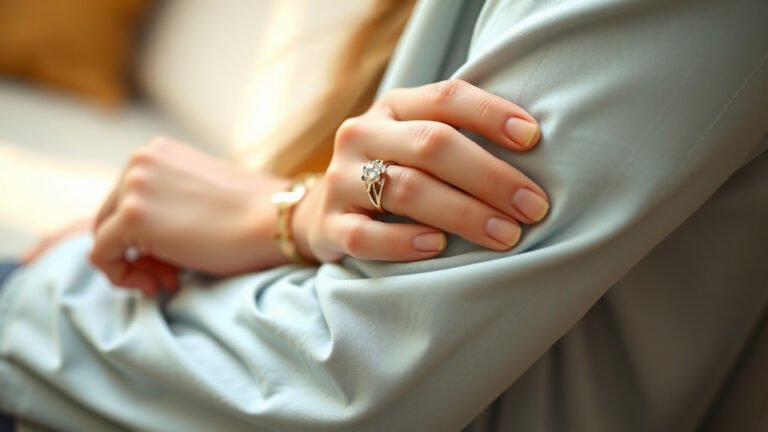
These are the classic choice. A solitaire features a single diamond. It’s elegant and timeless. This setting really lets the diamond take center stage. It’s a popular choice for a reason. We found that solitaire rings are also often easier to clean.
Halo Settings
A halo setting surrounds the center diamond with smaller stones. This makes the main diamond appear larger and adds extra sparkle. It can also offer a bit more protection. This style is a great option if you want a bit more dazzle. Many people love the extra brilliance it provides.
Three-Stone Settings
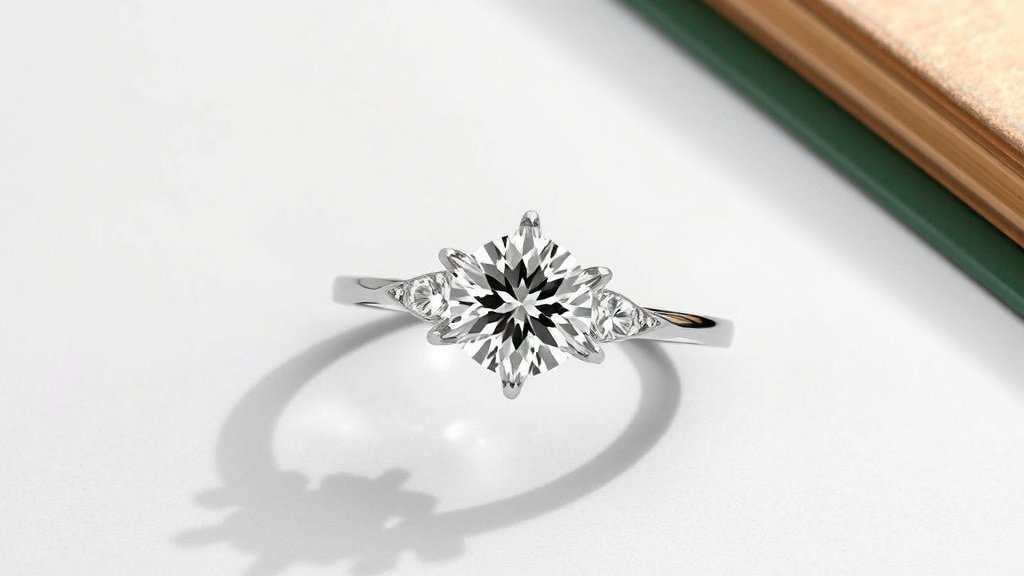
This setting features a central diamond flanked by two smaller diamonds. Each stone can represent your past, present, and future together. It’s a beautiful symbolic choice. The smaller side stones can also add a lot of sparkle. We found that this setting can offer a lot of visual impact.
Other Popular Styles
You’ll also find settings like pavé (tiny diamonds set closely together along the band), channel (stones set within a groove), and bezel (a metal rim encircling the diamond). Each offers a unique aesthetic. Considering your partner’s personal style is key here.
Choosing the Right Metal
The band can be made from various metals. The most common are gold, platinum, and palladium. Each has its own characteristics and price point.
- Gold: Available in yellow, white, and rose. 14k gold is more durable than 18k gold, but 18k has a richer color.
- Platinum: Naturally white, hypoallergenic, and very durable. It’s also denser and more expensive than gold.
- Palladium: A naturally white metal, similar to platinum but lighter and often more affordable.
We found that considering potential allergies is important. Platinum and palladium are good choices for sensitive skin. Also, think about what other jewelry your partner wears. Matching metals can create a cohesive look.
Where to Buy Your Engagement Ring
You have several options for purchasing an engagement ring. Each has its pros and cons. Doing your homework here can lead to a better experience and price.
Online Retailers
Online stores often have a wider selection. They can also offer lower prices due to reduced overhead. Many reputable online jewelers offer virtual consultations. We found that looking for retailers with excellent return policies is essential for online purchases. Free insured shipping is also a good sign.
Brick-and-Mortar Jewelers
A local jeweler offers the advantage of seeing rings in person. You can also get personalized service and advice. Some people feel more comfortable working with a salesperson face-to-face. We found that building a relationship with a trusted jeweler can be very beneficial.
Specialty Stores and Custom Design
Some stores specialize in vintage or antique rings, offering unique finds. If you have a very specific vision, custom design is an option. This allows you to create a one-of-a-kind ring. Be prepared for this option to potentially take longer and cost more.
Final Checks Before You Buy
Before you make that final decision, a few more things are worth considering. These details can make all the difference.
The Ring’s Certifications
For diamonds, look for a grading report from a reputable gemological laboratory. The Gemological Institute of America (GIA) and AGS are widely considered the most rigorous. This report verifies the diamond’s 4 Cs. We found that a GIA certificate provides great peace of mind.
Return and Warranty Policies
Understand the return policy in case the ring isn’t quite right. Also, ask about the warranty. A good warranty will cover potential damage or manufacturing defects. This offers protection for your investment.
Consider Wedding Band Compatibility
Will your chosen engagement ring sit flush with a wedding band? Some settings can make finding a perfectly matched band tricky. You might want to ask about this during your purchase. We found that many jewelers can suggest compatible bands or even offer custom options.
Here’s a quick checklist to help you stay on track:
- Set your budget first.
- Learn about the 4 Cs.
- Consider your partner’s style.
- Choose a setting and metal.
- Research your retailer.
- Check for certifications and policies.
Conclusion
You’ve gathered the essential knowledge to confidently buy an engagement ring. Understanding the 4 Cs, setting your budget, and considering your partner’s style are your main pillars. Remember, the goal is to find a symbol of your love that you both cherish. Don’t rush the process. Take your time to research retailers and policies. Your next step is to start browsing, perhaps by visiting a local jeweler or exploring reputable online stores. You’re well-prepared to find that perfect ring.
Frequently Asked Questions
How do I know my partner’s ring size?
Try to discreetly borrow a ring they already wear on their ring finger. If that’s not possible, you can trace the inside of one of their rings or ask a close friend or family member for help. Some jewelers offer printable ring sizers online that you can use cautiously.
What’s the difference between a diamond’s cut and its shape?
The diamond’s shape refers to its outline, like round, princess, or oval. The cut, on the other hand, describes how well the diamond’s facets interact with light to create sparkle and brilliance. A good cut is vital for a diamond’s beauty.
Are lab-grown diamonds a good alternative to natural diamonds?
Yes, lab-grown diamonds are chemically, physically, and optically identical to natural diamonds. They are often more affordable, allowing you to get a larger or higher-quality diamond for your budget. Many couples find them to be an excellent ethical and economical choice.
What if my partner doesn’t like the ring I chose?
This is why understanding your partner’s style and checking return policies is so important. Most reputable jewelers have a return or exchange window. Open communication about preferences beforehand can also help prevent this issue.
Is it better to buy from an online jeweler or a physical store?
Both have advantages. Online stores often offer a wider selection and competitive pricing. Physical stores provide the experience of seeing the ring in person and receiving immediate service. We found that choosing a retailer with a strong reputation and clear policies is key, regardless of where you buy.