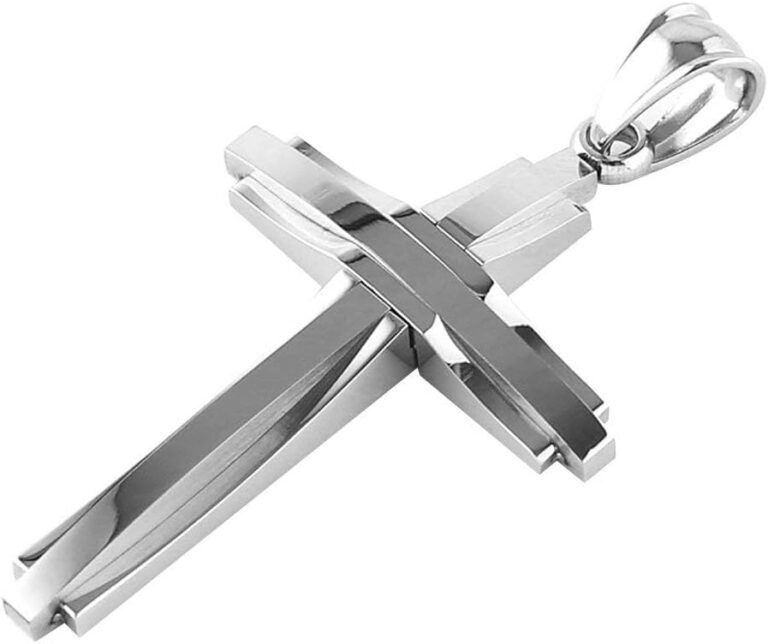
How to Choose a Pendant Necklace: A Simple Guide
The easiest way to choose a pendant necklace is to start with your neckline, then match the pendant size to your body frame, and finally pick a metal tone that flatters your skin. We found that this simple three-step order removes the guesswork and helps you land on a piece you will actually wear daily. Your neckline matters most because it determines the ideal chain length, while pendant size should balance your frame rather than overwhelm it.
Beyond those basics, your choice also depends on the vibe you want. A delicate pendant feels polished for work, while a bold chunky piece makes a weekend statement. Think about your wardrobe colors, your hair length, and whether you prefer gold, silver, or rose gold. Layering is another smart option, and many people find that mixing two or three chains creates a custom look that feels uniquely theirs. Comfort and clasp quality matter too, because a necklace you forget you are wearing is the best kind.
- Measure your neckline first: crew necks need 16-18 inch chains; plunging necklines need 20-24 inches.
- Match pendant size to your frame: small pendants for petite builds, larger ones for taller or broader shoulders.
- Pick a metal that flatters you: silver for cool undertones, gold for warm undertones, rose gold for neutral.
- Decide on a single pendant or layering: one focal piece for simplicity, two to three chains for depth.
- Check the clasp and weight: lobster clasps are most secure; lighter chains are better for all-day wear.
Below, we break down each step in plain language so you can confidently pick a pendant necklace that fits your style, your budget, and your everyday life. Let us walk you through it together.
Choosing a Pendant Necklace That Fits Your Everyday Style
You do not need a jewelry degree to find a great pendant. You just need a clear plan. We found that breaking the process into a few small checks makes the whole thing feel simple.
Think of it like picking out a good pair of jeans. You look at the fit, the wash, and the way it makes you feel. A pendant works the same way. It should flatter your shape and match your daily uniform.
Start With Your Neckline, Not the Pendant
Your neckline is the boss here. It decides which chain length will hang correctly. A necklace that hits the wrong spot will look off, no matter how pretty the pendant is.
Many jewelry guides point to the neckline as the first filter (GIA). This is a smart move because it removes half your options right away.
Matching Chain Length to Collar Style
Here is the simple rule we use. A crew neck or tee needs a shorter chain. A deep V-neck needs something longer.
- Crew neck or T-shirt: 16 to 18 inches. The pendant sits right at the collarbone.
- Button-down shirt: 18 to 20 inches. The pendant rests just below the collarbone.
- V-neck or scoop neck: 20 to 24 inches. The pendant fills the open space.
- Turtleneck or high neck: 24 inches or longer. The pendant hangs lower and adds length.
You can test this at home. Grab a piece of string and hold it around your neck. Mark where you want the pendant to sit, then measure that length. It is that easy.
Match Pendant Size to Your Body Frame
Now that the chain length is set, think about the pendant itself. Size matters more than you might expect. A tiny charm on a tall, broad frame can get lost. A giant medallion on a petite frame can feel heavy.
We found that a good rule of thumb is to look at your shoulders and neck. If you have a smaller frame, keep the pendant under one inch. If you have broader shoulders or a taller build, you can go bigger, up to two inches.
Proportions for Petite Frames
If you are on the smaller side, choose a pendant that is about the size of a dime or a quarter. Delicate shapes like a small circle, a tiny heart, or a single letter work well. They add interest without overpowering you.
Heavier chains can also feel bulky on a smaller frame. Look for lighter cable chains or box chains. They lay flat and feel comfortable all day.
Proportions for Tall or Athletic Builds
If you are taller or have broader shoulders, you have more room to play. A pendant around one and a half to two inches wide will look balanced. Think about coins, large stones, or bold geometric shapes.
A thicker chain also suits this frame better. A rope chain or a chunky curb chain holds a larger pendant without looking mismatched.
Picking the Right Metal Tone for Your Skin
Metal tone is the second biggest decision after size. The good news? There is no wrong answer. But some metals will make your skin glow more than others.
Many stylists suggest looking at your undertone. Check the veins on your wrist. If they look blue or purple, you have cool undertones. If they look green, you have warm undertones. If you cannot tell, you are likely neutral.
We found that this quick check helps most people narrow down their choices in under a minute.
Gold, Silver, or Rose Gold
Here is a simple breakdown that works for most people:
| Undertone | Best Metal Choices | Why It Works |
|---|---|---|
| Cool (blue/pink veins) | White gold, sterling silver, platinum | These metals mirror the cool tones in your skin. |
| Warm (green/gold veins) | Yellow gold, rose gold, brass | Warm metals blend nicely with golden undertones. |
| Neutral (mixed veins) | All metals work | You can switch based on your outfit or mood. |
Many experts say that skin undertone is a great starting point, but personal preference still wins (Mayo Clinic). If you love silver, wear silver. Confidence makes any necklace look better.
Deciding Between a Single Pendant or Layering
Do you want one focal piece or a whole stack? This is a style choice, not a rule. But it does change how you shop.
A single pendant is clean and classic. It works for work, brunch, or a date night. Layering, on the other hand, adds depth and a bit of edge. Many people we talked to find that layering feels more personal because you are mixing pieces you already own.
When One Pendant Is Enough
Choose a single pendant when you want a quiet, polished look. A small diamond or a simple bar pendant never goes out of style. It also pairs well with earrings or a bracelet without feeling busy.
We found that a single pendant is also the easiest to wear every day. You do not have to untangle chains or worry about them twisting.
How to Layer Two or Three Chains
If you want to layer, start with two chains of different lengths. One at 16 inches and one at 20 inches is a great combo. Add a third at 24 inches if you want more drama.
Mix textures too. A delicate chain with a chunky one looks intentional. Keep the pendants small when layering so the look stays balanced.
Here is a quick checklist for layering:
- Use different chain lengths to prevent tangling.
- Mix metals only if it looks deliberate, like gold and silver.
- Keep one bold piece and let the others be subtle.
- Check the clasp on each chain to make sure it is secure.
- Take them off at night to avoid knots and wear.
Checking Clasp Quality and Daily Comfort
You can have the prettiest pendant in the world, but if the clasp breaks, you will not wear it. And if the chain feels heavy, you will take it off by lunch.
We found that clasp type matters more than most people think. A lobster clasp is the gold standard. It is small, secure, and easy to open with one hand. Spring ring clasps are okay but can be trickier to use.
Weight and Length for All-Day Wear
Lightweight chains, under 10 grams, are best for daily wear. They feel like nothing around your neck. Heavier chains look great for an evening out but can cause neck strain after a few hours.
If you plan to sleep in your necklace, pick a delicate chain with a small pendant. Many guidelines point to lighter weight as a key factor for comfort (NIH). Your skin will thank you.
Putting It All Together: Your Final Checklist
You now have all the pieces. Here is a simple recap you can use before you click buy or head to the store.
- Measure your neckline and choose the matching chain length.
- Match the pendant size to your frame, not your mood.
- Pick a metal tone that flatters your skin undertone.
- Decide on one piece or layering before you shop.
- Test the clasp to make sure it opens and closes smoothly.
- Weigh the chain and keep it light for daily wear.
Take this list with you. It will save you time and help you avoid impulse buys you will regret later.
Choosing a pendant necklace does not have to feel like a puzzle. Start with the neckline, size it to your body, and pick a metal you love. That is the whole secret. The rest is just fun.
Conclusion
You now have a simple plan for picking a pendant necklace you will actually love to wear. Start with your neckline to find the right chain length, match the pendant size to your frame, and choose a metal tone that makes your skin glow. Decide whether you want one clean piece or a layered look, and always check the clasp and weight before you commit.
Next time you shop, bring our checklist along. Measure your neckline, test the clasp, and hold the chain up to your skin. Trust your gut. If it feels right and looks balanced, that is your necklace. You are ready to find a piece that feels like it was made for you.
Frequently Asked Questions
What pendant necklace length is most flattering for a petite woman?
Petite frames look best with shorter chains between 16 and 18 inches. This keeps the pendant near your collarbone and avoids overwhelming your proportions. Choose a smaller pendant too, around the size of a dime, to keep everything balanced.
Can you wear a pendant necklace with a busy patterned top?
Yes, you can, but keep the pendant small and simple. A delicate bar or a tiny circle will add charm without competing with the pattern. Skip large or heavily detailed pendants when your top is already the main focus.
How do you keep layered pendant necklaces from tangling?
Use chains with different lengths, at least two inches apart, so they do not grab each other. Clasp the shortest chain first, then the longer ones. Taking them off together and storing them flat will also keep knots away.
Is it okay to mix gold and silver pendant necklaces together?
Mixing metals is totally fine and looks stylish when done on purpose. Keep the mix balanced, like a gold pendant on a silver chain or two chains in different tones. The key is confidence and making sure the pieces look intentional together.
What is the best clasp for a pendant necklace you wear every day?
A lobster clasp is your best bet for daily wear. It is small, secure, and easy to open with one hand. Spring ring clasps work too, but they can be fiddly and are harder to manage when you are in a hurry.