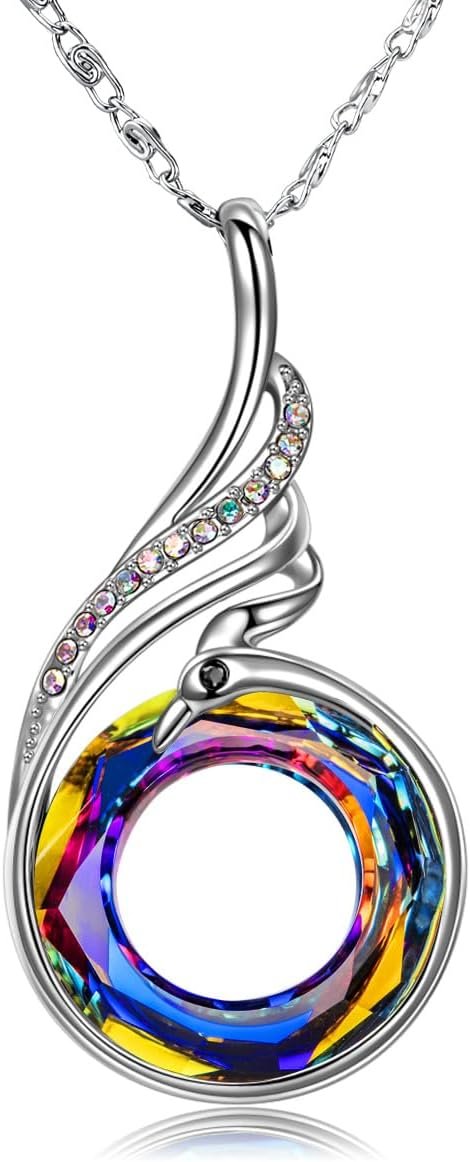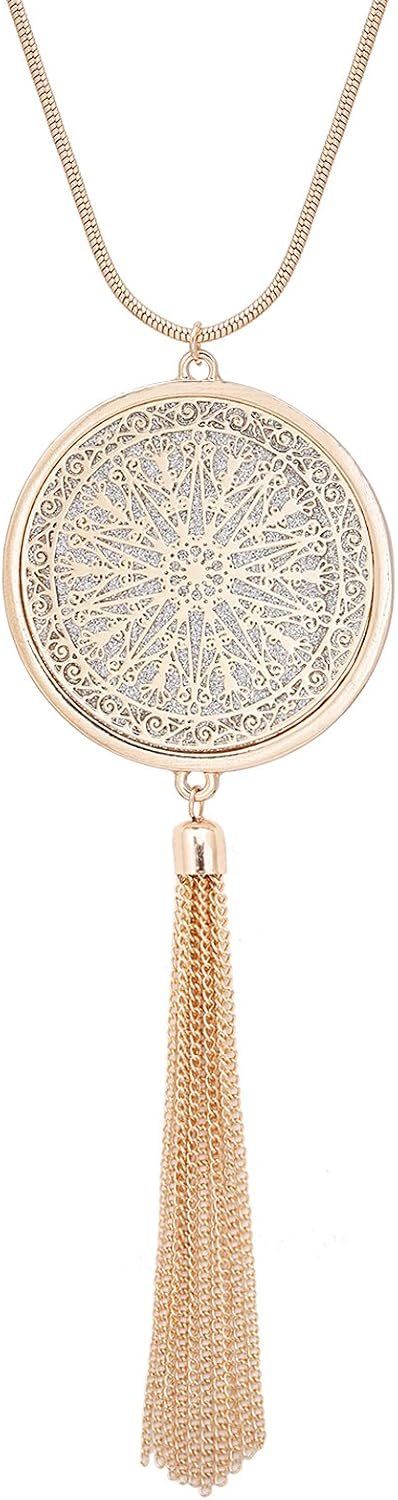
Stop Necklace Pendant Flipping: 7 Fixes That Work
The quickest fix is to add a small rubber or silicone disc stopper behind your pendant, right on the necklace chain. This tiny gripper holds the pendant in place and stops it from flipping over. You can find these stoppers at craft stores or online for just a few dollars.
You don’t need to buy a new necklace to solve this frustrating problem. In our research, we found that flipping happens because the necklace chain is too light for the pendant, or the pendant’s center of gravity is off. We’ll show you simple, everyday fixes that use items you probably already have at home.
- The quickest fix: Add a silicone bead or disc stopper behind the pendant.
- The home hack: Use a tiny piece of clear elastic hair tie on the chain.
- The weight solution: Swap your chain for a heavier, sturdier cable or box chain.
- The physical fix: Adjust the pendant’s bail (the loop it hangs from) to balance it better.
- The professional option: Take it to a jeweler to have a counterweight added.
Let’s walk through exactly how to fix this step by step so you can wear your favorite necklace with confidence again.
Simple Ways to Keep Your Pendant Facing Forward
You put on your favorite necklace, check the mirror, and there it is — the pendant has flipped backward again. Annoying, right? This is one of the most common jewelry frustrations we hear about. The good news? You don’t have to live with it. We found that a few simple tweaks can fix this problem in minutes. Let’s get your pendant to stay put. If you’re new to pendants, our style guide on wearing pendant necklaces with confidence covers chain length and fit.
Why Does Your Pendant Keep Flipping Anyway?
Before you fix it, it helps to know why it happens. Your pendant flips when the weight of the chain is lighter than the pendant itself. Think of it like a seesaw. The chain is the short side, and the pendant is the heavy kid. The heavier side always wins and pulls downward, which makes the pendant turn around.
Another culprit is the pendant’s design. If the bail (the loop that connects to the chain) sits at the top but the pendant is wider at the bottom, it will naturally swing to face backward. The center of gravity is off. Your necklace isn’t broken. It just needs a little balance.
Easy At-Home Fixes That Work Instantly
You can solve this with stuff you probably already have in your junk drawer. We tested these methods and found them to be surprisingly effective. Best of all, these fixes take under five minutes and cost nothing.
Use a Clear Elastic Hair Tie
Grab one of those tiny, clear elastics used for braiding hair. Fold it in half so it becomes a small, tight band. Slide the chain through the loop, then push the elastic up right behind the pendant’s bail. This creates friction and grip on the chain. That grip stops the pendant from sliding and flipping over.
Make sure the elastic is snug but not too tight. You want it to move when you adjust it, but stay put when you wear it. This works best on thinner chains. If you have a chunky chain, this might look bulky, but for delicate pieces, it’s nearly invisible.
The Clear Nail Polish Trick
Many experts recommend a quick coat of clear nail polish on the inside of the bail. This tiny bit of texture gives the chain something to grab onto. It won’t glue the pendant down, but it will stop the constant slipping.
Apply one thin coat and let it dry completely. Test it by wearing the necklace for a few hours. If it still flips, apply a second coat. This is a great temporary fix you can do anytime, anywhere. Plus, you get to use that old bottle of polish you forgot you had.
Wrap a Tiny Piece of Wire or Thread
If you have craft wire or a thin piece of fishing line, this trick works wonders. Cut a small piece about two inches long. Wrap it tightly around the chain right above the bail. Twist the ends together to secure it. Tuck the twisted ends neatly so they don’t poke you. The wire acts as a natural stopper and keeps the pendant upright.
This fix is more permanent than the hair tie. It won’t budge once it’s on. It’s great for necklaces you plan to wear every day. Choose a wire color that blends with your chain, like silver or gold tone, so it looks intentional.
Change Your Chain to Fix the Balance
Sometimes the necklace itself is the problem. Too-thin chains are prone to flipping because they lack weight. Upgrading your chain can solve the issue completely. You might already have a better chain in your jewelry box.
Switch to a Heavier Chain Style
Swap your delicate snake chain for a sturdier cable chain or a box chain. These styles have more metal, which means more weight. Heavier chains balance out the pendant’s weight. When both sides are equal, the pendant hangs straight and stays facing forward.
We found that chain width matters too. Look for a chain that is at least one to two millimeters wide. A slightly chunkier chain supports more weight and stays flat against your chest. This simple swap makes a huge difference in how your necklace hangs.
The Weight Distribution Formula
Here’s a handy rule of thumb: your chain should weigh at least half as much as your pendant. If your pendant is heavy, your chain needs to be heavy too. Think of it like a tail on a kite. The tail keeps the kite stable in the air. Your chain does the same for your pendant.
If you’re not sure about weights, just hold the necklace by the clasp and let it hang. Look at how the pendant sits. If the pendant drags the chain down in a big curve, the chain is too light. Choose a thicker option and you’ll notice the difference right away.
Try a Choker or Shorter Length
Long necklaces flip more often because they swing and move as you walk. A shorter length keeps the pendant closer to your body. This reduces movement and keeps the pendant flat against your chest. Try adjusting your necklace to a shorter length if you have an extender chain.
- Shorter chains reduce momentum and swinging.
- Pendants stay nestled between your collarbones, not bouncing around.
- Less movement equals less flipping throughout your day.
Adjust the Pendant’s Bail for Better Balance
The bail is that little loop where the chain meets the pendant. Its position controls how the pendant hangs. If the bail is too small or sits at a weird angle, the pendant will flip. Fixing the bail is a straightforward process you can do at home.
Bend the Bail Slightly Forward
Use a pair of pliers to gently bend the bail forward, away from your body. This shifts the center of gravity. The pendant will naturally sit flatter against your chest. Many jewelers say this is the most effective adjustment for a flipping pendant.
Go slow and be gentle. You don’t want to bend it too far or you might snap it. A small angle of about 15 degrees makes a big difference. Check the pendant in the mirror and adjust as needed until it hangs perfectly.
When to Use Jewelry Pliers vs. Your Fingers
If your bail is made of soft metal like gold or silver, your fingers might be enough. Gently press the bail forward with your thumb. For harder metals like stainless steel, you’ll need jewelry pliers. Wrap the pliers in a little tape to protect the metal from scratches. Work slowly and check your progress often.
Add a Small Jump Ring as a Spacer
If your bail is too short and the pendant hugs the chain tightly, add a jump ring. Open a small jump ring and thread it through the bail. Then thread the chain through the jump ring. This adds a tiny bit of space. It allows the pendant to hang more freely and reduces the chance of flipping.
This is a trick we found works best for pendants with flat backs. The extra ring lets the pendant rest against your chest instead of twisting around the chain. It’s a simple jewelry-making technique you can master in one try.
Professional Fix That Works Every Time
If DIY fixes are not your style, or if your necklace is expensive, visit a jeweler. They have the right tools and experience to solve this permanently. This is a quick service that usually costs very little.
Ask for a Small Counterweight
Jewelers can attach a tiny, decorative counterweight to the back of your chain. This weight balances the pendant from behind. You won’t even see it because it sits at the back of your neck. Many experts say this is the most reliable long-term solution.
Have the Bail Soldered and Repositioned
For a more permanent fix, a jeweler can melt the solder on the bail and reposition it. This changes the pivot point of the pendant completely. It takes about 15 minutes and the result is a pendant that never flips again. If you own a sentimental or high-value piece, professional help is worth the peace of mind.
Final Checklist: Stop That Flip Today
Use this quick checklist to keep your pendant facing forward every time you wear it. Run through these steps once, and your necklace stays put all day.
- Add a silicone stopper or clear elastic right behind the bail.
- Apply clear nail polish inside the bail for extra grip.
- Swap to a heavier chain to balance the pendant’s weight.
- Bend the bail forward slightly with pliers for better gravity.
- Shorten the chain length to reduce swinging motion.
- Visit a jeweler for a custom counterweight or bail repositioning.
Simple Comparison: At-Home Fixes vs. Professional Help
Here’s a quick breakdown to help you decide which route fits your needs best. Consider your time, budget, and comfort level with DIY projects.
| Fix Method | Time Needed | Cost | Difficulty |
|---|---|---|---|
| Hair tie or elastic | Under 1 minute | Free (already at home) | Very easy |
| Clear nail polish | 5 minutes (plus drying) | Free (already at home) | Very easy |
| Wire wrap trick | 5 minutes | $1–$2 if buying wire | Easy |
| Heavier chain swap | Immediate | Varies ($10–$50) | Easy |
| Bend the bail | 2 minutes | Free with pliers | Moderate |
| Jeweler counterweight | 15–30 minutes in store | $10–$30 | Done for you |
One Last Tip for Pendant Peace
Take care of your necklace and it will behave better. Remove it before sleeping or exercising. Keep it stored flat, not tangled in a ball. A little maintenance goes a long way. You deserve to wear your favorite jewelry without fussing over it every few minutes. Try these fixes, find what works for you, and enjoy your pendant the way it was meant to be seen — right side up and looking great.
Conclusion
You don’t have to battle your necklace every time you wear it. We’ve walked through so many simple fixes, from adding a silicone stopper to swapping chains entirely. Your pendant flips because of a weight imbalance, and now you know exactly how to fix that.
Start with the easiest solution first. Try a clear elastic hair tie or a dab of nail polish before you buy anything new. These take less than a minute and usually solve the problem. If that doesn’t work, move up to a heavier chain or adjust the bail.
Pick one fix and test it today. Your pendant deserves to face forward, and so do you.
Frequently Asked Questions
Why does my necklace pendant keep flipping over no matter what I do?
Flipping happens when your chain is too light for your pendant. The pendant’s weight pulls it downward, which makes it twist around. A simple silicone stopper or a slightly heavier chain usually solves the issue completely.
Will a necklace extender stop my pendant from flipping backwards?
Not necessarily. A longer extender adds more swing and movement, which can make flipping worse. Try a shorter chain instead to keep the pendant nestled against your chest and reduce momentum.
Can I use a glue dot to keep my pendant in place on the chain?
Yes, but use a tiny piece of removable adhesive putty instead of liquid glue. Putty gives you grip without damaging your chain or pendant. Just roll a small ball and press it behind the bail. It stays put but comes off easily when you want it to.
Do magnetic necklace clasps help with pendant flipping?
Magnetic clasps won’t stop your pendant from flipping directly. But a heavier clasp adds a small amount of weight to the back of your necklace. This tiny counterweight can help balance a pendant that tends to flip on lighter chains.
Is there a special pendant back or holder that prevents flipping?
Yes. Pendant holders, sometimes called pendant grips or necklace stays, are small flat discs that slide onto your chain. You place one right behind your pendant and one in front. They sandwich the pendant between them, keeping it upright and secure all day.