Which Finger for an Engagement Ring: A Complete Guide
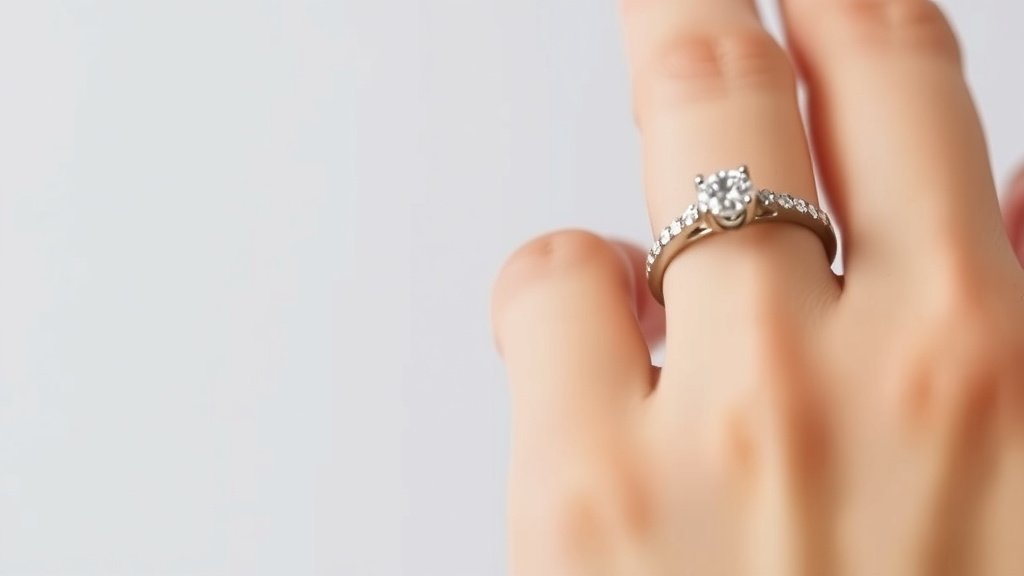
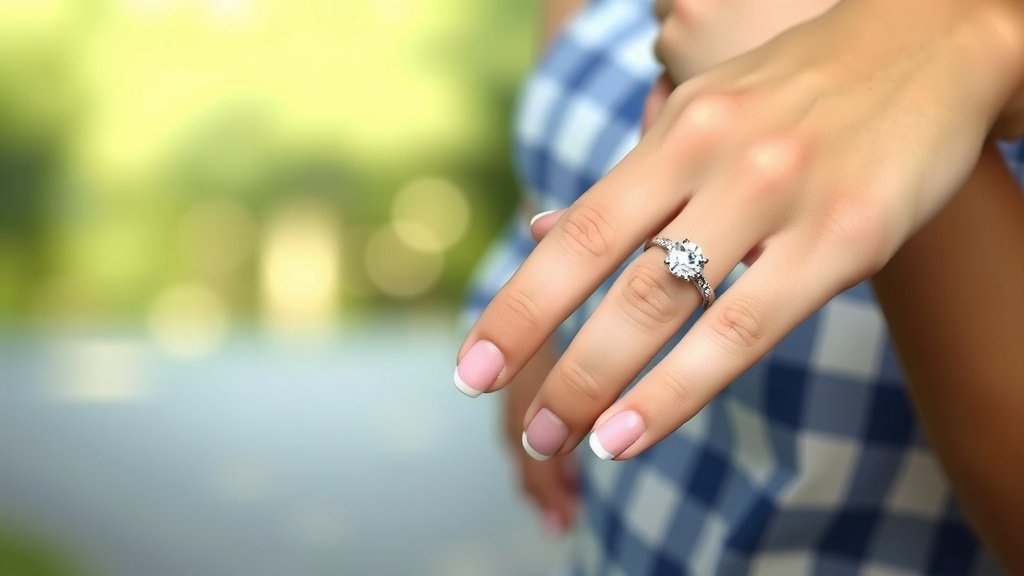
The engagement ring is traditionally worn on the fourth finger of your left hand. This is common practice in many Western cultures, including the United States. This tradition is tied to an old belief about a vein connecting directly to the heart. Learn more about what an engagement ring symbolizes in our complete guide.
While this is the most common tradition, it’s not the only one. Some cultures wear it on the right hand. You might also choose a different finger for comfort or personal preference. Understanding these traditions can help you make your own choice.
- Engagement rings typically go on the fourth finger of the left hand.
- This tradition comes from an ancient belief about the “vein of love.”
- Some countries and cultures wear engagement rings on the right hand.
- Personal preference is also a perfectly good reason to choose a different finger.
Let’s walk through the traditions and reasons why people choose certain fingers for their engagement rings.
Which Finger Should Your Engagement Ring Be On?
So, you’re wondering which finger traditionally hosts that beautiful symbol of commitment – the engagement ring. For many, the answer is the fourth finger of the left hand.
The Romantic “Vein of Love” Tradition
This custom is steeped in history and romance. Ancient Romans believed there was a special vein, called the “Vena Amoris,” that ran directly from this fourth finger to the heart. Imagine that! A direct line from your ring finger to your beloved’s heart. How poetic is that?
This belief, though not scientifically proven today, has stood the test of time. It’s a lovely thought, isn’t it? This romantic notion has made the fourth finger of the left hand the go-to spot for engagement rings in many Western cultures, including the United States and Canada.
What About Other Fingers?
While the fourth finger is popular, it’s not the only option. Some couples consider other fingers for practical or personal reasons. Let’s look at what else you might encounter.
The Thumb: A Bold Statement
Putting a ring on your thumb is quite unconventional. It’s a very visible spot. If you have a larger or more statement-making ring, it might fit comfortably there. However, it’s not a common choice for engagement rings due to the potential for the ring to slip off or get damaged.
The Index Finger: Strength and Authority
Historically, the index finger was sometimes used for rings. It signifies strength or authority. Think of a king wearing a ring on his pointer finger. It’s not a typical engagement ring spot, but some people choose it for its prominence.
The Middle Finger: Balance and Center
The middle finger is the longest and most central finger on your hand. Wearing a ring here can symbolize balance or being centered. It’s a comfortable spot for many, and some couples opt for this finger if the traditional left ring finger isn’t ideal for them.
The Pinky Finger: A Unique Choice
While often associated with pinky rings, this finger isn’t a common choice for an engagement ring. It’s a smaller digit, and a delicate ring might look lovely there. However, the risk of the ring falling off is higher, making it less practical for everyday wear.
Cultural Differences in Ring Placement
The tradition of the left ring finger isn’t universal. Many cultures have their own unique customs. It’s fascinating how traditions can vary so much across the globe!
The Right Hand Tradition
In several countries, especially in parts of Eastern Europe and India, the engagement ring is traditionally worn on the right hand. This can be on the fourth finger or another finger, depending on the specific cultural practice.
We found that in countries like Russia, Poland, Greece, Norway, Austria, Denmark, and India, wearing the engagement ring on the right hand is quite common. Sometimes, after marriage, the wedding band is placed on the left hand, or the engagement ring is moved to the left hand.
Other Cultural Nuances
Some cultures have even more specific traditions. For example, in Germany and Russia, the engagement ring is worn on the left ring finger during the engagement period. Then, it’s often moved to the right hand after the wedding ceremony.
In contrast, in some parts of the Middle East, the ring might be worn on either hand, with the choice often being a matter of personal preference. It really shows that there’s no single “right” way to do things when it comes to cultural traditions.
Here’s a quick look at some common placements:
| Region/Culture | Common Engagement Ring Finger |
|---|---|
| United States, Canada, United Kingdom, France, Italy | Fourth finger, left hand |
| Russia, Poland, Greece, India, Norway | Fourth finger, right hand |
| Germany | Left hand during engagement, often right hand after marriage |
| Netherlands | Middle finger, right hand is common |
Making Your Personal Choice
Ultimately, the most important thing is what feels right for you and your partner. Traditions are wonderful, but personal preference is equally valid. You might consider comfort, the fit of the ring, or simply what looks and feels best on your hand.
Comfort is Key
Does the traditional fourth finger feel comfortable for you? Some people find that rings on their left hand interfere with their dominant hand activities. If you’re right-handed, wearing a ring on your left hand might feel more natural and less intrusive throughout your day.
Ring Fit and Design
The size and shape of your ring can also play a role. A large, ornate ring might feel more secure on a less frequently used finger. Conversely, a delicate band might get lost on a larger finger.
A Checklist for Your Decision
When you’re deciding where to wear your engagement ring, consider these points:
- Which hand do you naturally favor?
- Does one hand feel more comfortable for wearing jewelry?
- Are there strong cultural traditions in your family?
- What does your partner prefer?
- How does the ring fit on different fingers?
- What simply feels most “you”?
What About Moving the Ring?
It’s also perfectly fine to switch fingers! Many people start with the traditional left ring finger and then move the engagement ring to their right hand after the wedding, wearing the wedding band on the left. Or, they might wear both rings on the same finger.
We’ve found that some couples choose to wear their engagement ring on their right hand during the engagement and then switch it to the left hand after marriage, placing the wedding band on the right. There are no hard and fast rules here. Your journey to marriage is unique, and so should be your ring placement!
A Final Thought on Symbolism
No matter which finger you choose, the symbolism of your engagement ring remains strong. It represents your love, your commitment, and the exciting future you’re building together. So, wear it with pride, wherever it feels most special to you.
Conclusion
You’ve learned that the traditional spot for an engagement ring is the fourth finger of your left hand, often linked to the romantic idea of the “Vena Amoris.” However, we found that cultural traditions vary widely, with many countries favoring the right hand. Ultimately, there’s no single “correct” finger. Your engagement ring is a symbol of your unique love story. Trust your instincts and choose the placement that feels most comfortable and meaningful to you and your partner.
Take a moment with your partner to discuss what feels right for both of you before making your final decision.
Frequently Asked Questions
Is it okay to wear my engagement ring on my right hand?
Absolutely! Many cultures traditionally wear engagement rings on the right hand, especially in Eastern Europe and India. If this feels more comfortable or aligns with your heritage, it’s a perfectly wonderful choice.
Can I wear my engagement ring on a different finger if my ring finger is too small or large?
Yes, personal comfort and fit are very important. If your traditional ring finger doesn’t feel right, consider other fingers like the middle finger, which is often a comfortable and stable option for many.
What if I want to wear both my engagement ring and wedding band on the same finger?
Many couples choose to wear both rings on the same finger after marriage, often on the left ring finger. Some even stack them together. This is a very common and beautiful way to keep your symbols of commitment close.
Should I move my engagement ring after I get married?
This is entirely up to you and your partner! Some people move their engagement ring to their right hand after marriage and wear their wedding band on the left. Others keep both rings on the same finger. There are no strict rules you must follow.
Does the finger matter if I’m not following a specific tradition?
Not at all! While tradition suggests the left ring finger, your personal preference is what matters most. Choose the finger that feels most special, comfortable, and aesthetically pleasing to you, as it represents your personal commitment.