Best Gemstones for Rings: Durability and Beauty
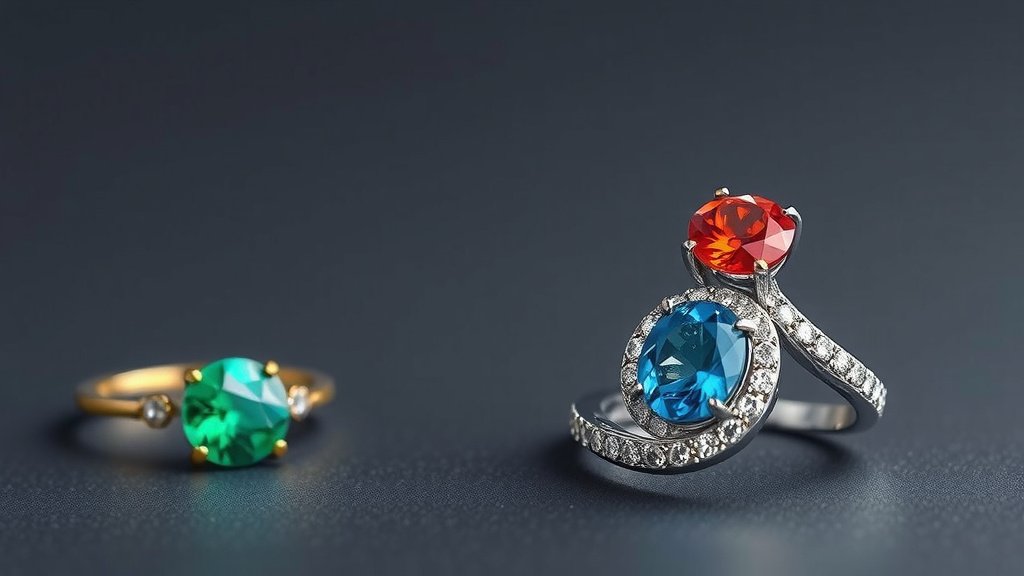
When choosing gemstones for rings, durability and hardness are key. For everyday wear, look for stones like diamonds, sapphires, and rubies, which are highly resistant to scratches and chips. These hard gems ensure your ring stays beautiful for years to come.
Other beautiful options like emeralds and opals are softer and require more care. They can be stunning in rings but might be better suited for occasional wear. Understanding a gemstone’s Mohs hardness scale rating helps you decide what works best for your lifestyle.
TL;DR:
- Diamonds, sapphires, and rubies are the most durable for rings.
- Softer stones like emeralds and opals need extra care.
- Check the Mohs hardness scale for scratch resistance.
- Consider your lifestyle when picking a gemstone.
Let’s walk through exactly which gemstones are best suited for rings, so you can find the perfect fit for your style and daily routine.
“`htmlChoosing the Right Gemstones for Your Ring
Selecting the perfect gemstone for your ring is an exciting journey. You want something beautiful, of course, but also something that can stand up to daily life. We’ve gathered some great options that balance beauty with **durability**.
Understanding Gemstone Hardness: The Mohs Scale Explained
When we talk about how well a gemstone will hold up, we often refer to the Mohs hardness scale. Think of it like a ranking system for scratch resistance. Developed by Friedrich Mohs in the 19th century, this scale ranks minerals based on their ability to scratch one another.
A higher number on the scale means the gemstone is harder and more resistant to scratches. For rings that you plan to wear every day, you’ll want stones that score high on this scale. This helps ensure your ring stays looking its best, without those annoying little nicks and scuffs that can happen over time. For example, a diamond, the hardest known natural material, sits at a perfect 10 on the Mohs scale.
| Gemstone | Mohs Hardness | Durability Notes |
|---|---|---|
| Diamond | 10 | Excellent; suitable for daily wear. |
| Sapphire | 9 | Excellent; very durable for everyday use. |
| Ruby | 9 | Excellent; tough and vibrant for daily wear. |
| Emerald | 7.5-8 | Good, but can be prone to chipping; best for careful wear. |
| Garnet | 6.5-7.5 | Fair to good; can show wear over time with constant use. |
| Amethyst | 7 | Fair; can scratch more easily than harder stones. |
| Opal | 5.5-6.5 | Fair to poor; very delicate, requires significant care. |
| Pearl | 2.5-4.5 | Poor; very soft and easily damaged by chemicals and abrasion. |
The Toughest Gems for Everyday Rings
If your lifestyle is active or you simply want a ring that can handle a bit of everything, certain gemstones are your best friends. These are the ones that scientists and gemologists consistently rank as the most durable choices available.
Diamonds: The Classic Choice
You can’t talk about durable rings without mentioning diamonds. They score a perfect 10 on the Mohs scale, meaning they are incredibly resistant to scratching. This hardness makes them an ideal choice for a ring you’ll wear constantly. Plus, their brilliant sparkle is timeless and suits almost any style. Many jewelers recommend diamonds for their longevity (GIA). You can live your life without worrying too much about your diamond ring.
Sapphires: Beyond Blue
Sapphires are famous for their stunning blue hues, but did you know they come in almost every color? And they’re tough! Sapphires rank a 9 on the Mohs scale, just below diamonds. This makes them incredibly resistant to scratches and chips. Whether you choose a classic blue, a fancy pink, or a vibrant yellow, a sapphire ring can be a beautiful and resilient option for everyday wear. Their durability is well-documented by gemological institutes.
Rubies: The Red Powerhouse
Rubies are essentially the red version of sapphires, sharing that same impressive Mohs hardness of 9. Their deep red color symbolizes passion and love, making them a popular choice for engagement rings and other special pieces. Like sapphires, rubies are very durable and can withstand the demands of daily life. Their toughness ensures that their vibrant color won’t easily fade or get marred by everyday activities. You can count on a ruby for lasting beauty.
Beautiful Gems That Require More Gentle Care
While the hardest stones are great for constant wear, some gems offer unique beauty at the cost of a bit more fragility. These stones might be better suited for rings worn on special occasions or by those who are mindful of protecting their jewelry. Careful handling can still allow these gemstones to shine for years.
Emeralds: The Green Jewel
Emeralds are celebrated for their rich green color and often feature inclusions, which are natural characteristics that tell the stone’s story. They score between 7.5 and 8 on the Mohs scale. While this is reasonably hard, emeralds can be more prone to chipping or cracking than diamonds or sapphires, especially along existing fractures. Many experts suggest emeralds are best for rings that won’t encounter rough handling. If you choose an emerald, consider a protective setting to keep it safe.
Opals: A Dance of Color
Opals are truly magical with their unique play-of-color. However, they are also quite delicate, with a Mohs hardness of 5.5 to 6.5. Opals are porous and contain water, making them susceptible to drying out and cracking, and they can also scratch more easily. We found that opals require a lot of care and are generally not recommended for rings worn daily. They are stunning for special events or for those who are meticulous about their jewelry care.
Pearls: Timeless Elegance, Delicate Nature
Pearls have an unparalleled classic beauty. Unfortunately, they are among the softest gemstones, ranking only 2.5 to 4.5 on the Mohs scale. They can be easily scratched by almost anything harder, including everyday surfaces. Pearls can also be damaged by chemicals found in cosmetics, perfumes, and even sweat. For a pearl ring to last, it needs to be the last thing you put on and the first thing you take off. They are truly best reserved for moments when you can give them your full attention.
Considering Your Lifestyle: The Practical Choice
Ultimately, the best gemstone for your ring depends on your personal lifestyle. Think about what your hands do on a typical day. Do you work with your hands a lot? Do you play sports? Or is your daily routine more relaxed? Comfort fit rings are designed for ease of wear throughout your daily life.
- Active Lifestyle: If you’re always on the go, opt for the hardest stones like diamonds, sapphires, or rubies.
- Moderate Wear: You might consider stones like garnets or amethysts, perhaps with a slightly more protective setting.
- Occasional Wear: If you love softer, more delicate gems, a ring with an opal, pearl, or even a softer colored stone can be perfect for special events.
Don’t be afraid to discuss your lifestyle with a jeweler. They can help you find a gemstone that you’ll love looking at and that will also hold up to your daily adventures. A well-chosen stone ensures your ring remains a cherished piece for years to come.
A Quick Checklist for Choosing Your Ring Gemstone:
- Check the Mohs hardness score.
- Consider your daily activities.
- Think about how much care you’re willing to give.
- Choose colors and styles that you love.
- Discuss options with a trusted jeweler.
Conclusion
Choosing the right gemstone for your ring is about balancing beauty with practicality. You’ve learned that the Mohs hardness scale is your guide to durability, with diamonds, sapphires, and rubies being top choices for everyday wear. Softer stones like emeralds and opals can be stunning but require more gentle handling. By considering your lifestyle and how much care you’re willing to give, you can confidently select a gemstone that you’ll cherish for years to come. Visit a trusted jeweler to find that perfect, lasting piece!
Frequently Asked Questions
Can I wear an emerald ring every day?
Emeralds are beautiful, but they rank around 7.5-8 on the Mohs scale, making them more prone to chipping than diamonds or sapphires. While you can wear an emerald ring daily, it’s best if your lifestyle is gentle. Consider a protective setting to help safeguard your stone from accidental bumps.
Are opals too delicate for an engagement ring?
Opals are known for their mesmerizing play-of-color, but their Mohs hardness of 5.5-6.5 means they can scratch and chip more easily. We generally don’t recommend opals for engagement rings intended for constant wear. They are better suited for rings worn on special occasions or by those who are very careful with their jewelry.
What’s the difference between a sapphire and a ruby’s durability?
Sapphires and rubies are essentially the same mineral (corundum) and share the same impressive Mohs hardness of 9. This makes both gemstones incredibly durable and excellent choices for rings that will be worn every day. You can expect both to resist scratches and maintain their beauty over time.
Are pearls a bad choice for rings?
Pearls offer classic elegance but are very soft, ranking only 2.5-4.5 on the Mohs scale. They can be easily scratched and damaged by chemicals. While not ideal for constant daily wear, a pearl ring can be a wonderful choice if you’re diligent about taking it off before activities and cleaning. They are best reserved for more delicate occasions.
What gemstone is the hardest besides a diamond?
The gemstone that ranks just below diamond on the Mohs hardness scale is the sapphire, with a hardness of 9. This makes sapphires incredibly tough and resistant to scratches and daily wear, second only to diamonds. Many people choose sapphires for their durability and their availability in a wide range of beautiful colors.