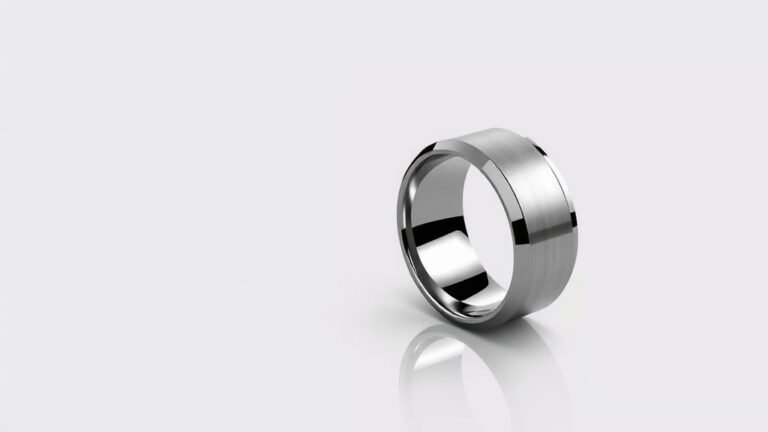
Wedding Ring Finger: Which Hand Does It Go On?
The wedding ring traditionally goes on the fourth finger of your left hand. This tradition is rooted in ancient beliefs. Many cultures have adopted this placement for engagement and wedding rings. It’s a widespread custom in the United States and many Western countries.
Why the left hand, you ask? Ancient Romans believed a vein, called the “vena amoris” or “vein of love,” ran directly from this finger to the heart. While we now know this isn’t anatomically correct, the romantic symbolism has persisted. This tradition has been passed down through generations.
Here’s a quick rundown:
- Wedding rings are typically worn on the fourth finger.
- This is usually the left hand in many cultures.
- The tradition is linked to the ancient belief in the “vena amoris.”
- It’s a widespread custom in the US and Western societies.
Let’s dive a little deeper into the fascinating history and reasons behind this tradition, and what you might consider for your own ring!
The Traditional Placement of Your Wedding Ring
Most couples choose the fourth finger of their left hand for wedding rings. This is a widely followed custom in the United States and many other Western countries. It’s a practice passed down through generations.
Understanding the “Vena Amoris” Tradition
The common placement stems from an ancient belief. Romans thought a vein ran directly from this finger to the heart. They called it the “vena amoris,” or “vein of love.” While modern anatomy shows this isn’t true, the romantic notion lives on. It’s a lovely symbol of connection.
Why the Left Hand? The Heart’s Proximity
The idea of the left hand being closer to the heart is a beautiful one. It’s believed this placement keeps your ring near where love resides. This symbolism is quite strong for many people. It makes the choice feel deeply meaningful.
Cultural Variations and Personal Choices
While the left hand is common, not everyone follows this tradition. Different cultures have different customs. You might also have your own reasons for choosing differently. Let’s look at some of these variations.
Rings in Other Cultures
In some European countries, like Germany and Russia, wedding rings are traditionally worn on the right hand. This is often tied to religious beliefs or historical practices. It’s a reminder that traditions can vary greatly across borders.
We found that in countries with a predominantly Orthodox Christian tradition, the right hand is often favored. This is another aspect of how deeply ingrained culture is in our everyday choices, even something as personal as ring placement.
The Engagement Ring’s Role
Often, the engagement ring comes first. It sets the stage for the wedding band. Many people wear their engagement ring on the fourth finger of their left hand. When the wedding day arrives, the wedding band is placed beside it.
Some couples decide to switch this order. They might place the wedding band closer to the heart, then the engagement ring. Others choose to stack them in a way that looks best to them. It’s your hand, after all!
Stacking Your Rings
Stacking rings is becoming increasingly popular. This means wearing both your engagement ring and wedding band on the same finger. You can wear them together or apart, depending on your preference. Many people find a way to make both rings feel special.
What If You’re Left-Handed?
Being left-handed doesn’t automatically mean you should switch hands. Many left-handed individuals still wear their rings on the left. However, some find it more practical to wear it on the right hand. This can protect the ring from daily wear and tear. It’s a common-sense adjustment many people make.
| Culture/Region | Traditional Ring Hand | Reason (if known) |
|---|---|---|
| United States & Western Europe | Left hand (fourth finger) | Vena Amoris tradition |
| Germany, Russia, Greece | Right hand | Religious or historical customs |
| India (varies by region/religion) | Can be left or right | Varies greatly by tradition |
Making Your Own Decision
Ultimately, there’s no single “right” way. The most important thing is that you and your partner are happy with the choice. Here are a few things to consider:
- Your personal comfort.
- The traditions important to your families.
- How the rings look together if you’re stacking them.
- Practical considerations for your lifestyle.
A Personal Checklist for Ring Placement
Here’s a quick checklist to help you decide:
- Does the left hand feel natural to you?
- Do you want to honor family traditions?
- Will you wear an engagement ring too?
- How will your rings look together?
- Is practicality a concern for your daily activities?
- Have you and your partner discussed it?
It’s a symbol of your commitment. You should feel good about where you wear it. Sometimes, the simplest answer is the best one. It’s a decision that marks a beautiful new chapter in your lives.
Conclusion
You’ve learned that while the fourth finger of the left hand is the most common spot for a wedding ring in the US, it’s not the only way. Traditions vary across cultures, with some preferring the right hand for deeply personal or religious reasons. You also saw how personal preference plays a huge role, especially when considering stacking your engagement and wedding bands. Remember, the most meaningful placement is one that feels right for you and your partner. Take a moment to discuss your options and choose what best symbolizes your unique commitment.
Frequently Asked Questions
Can I wear my wedding ring on my right hand if I’m left-handed?
Absolutely! Many left-handed individuals choose the right hand for their wedding ring. This can be for practical reasons, like protecting the ring from daily wear and tear. It’s a perfectly common adjustment to make your ring more comfortable for your lifestyle.
What if my culture traditionally wears rings on the right hand?
It’s wonderful to honor your cultural heritage. If your background or family tradition favors the right hand, that’s a beautiful way to show respect. Discuss this with your partner to ensure you’re both comfortable with the decision.
Do I have to wear my engagement ring on the same finger as my wedding band?
Not at all! Many couples stack their engagement ring and wedding band on the same finger. Others choose to wear them on separate hands or fingers. The goal is for you to love how they look and feel, together or apart.
Is there a specific order for wearing an engagement ring and wedding band?
Traditionally, the wedding band is placed on the finger first, then the engagement ring on top, closer to your heart. However, many people switch this order, or stack them in a way that they find most aesthetically pleasing. Your personal preference is key.
What if my partner and I have different ideas about ring placement?
Open communication is key. You’ve learned that traditions vary, and personal choice is important. Sit down together, discuss the reasons behind your preferences, and find a compromise that you both feel good about. It’s a symbol of your shared future.