What Holds a Pendant on a Necklace: Key Findings
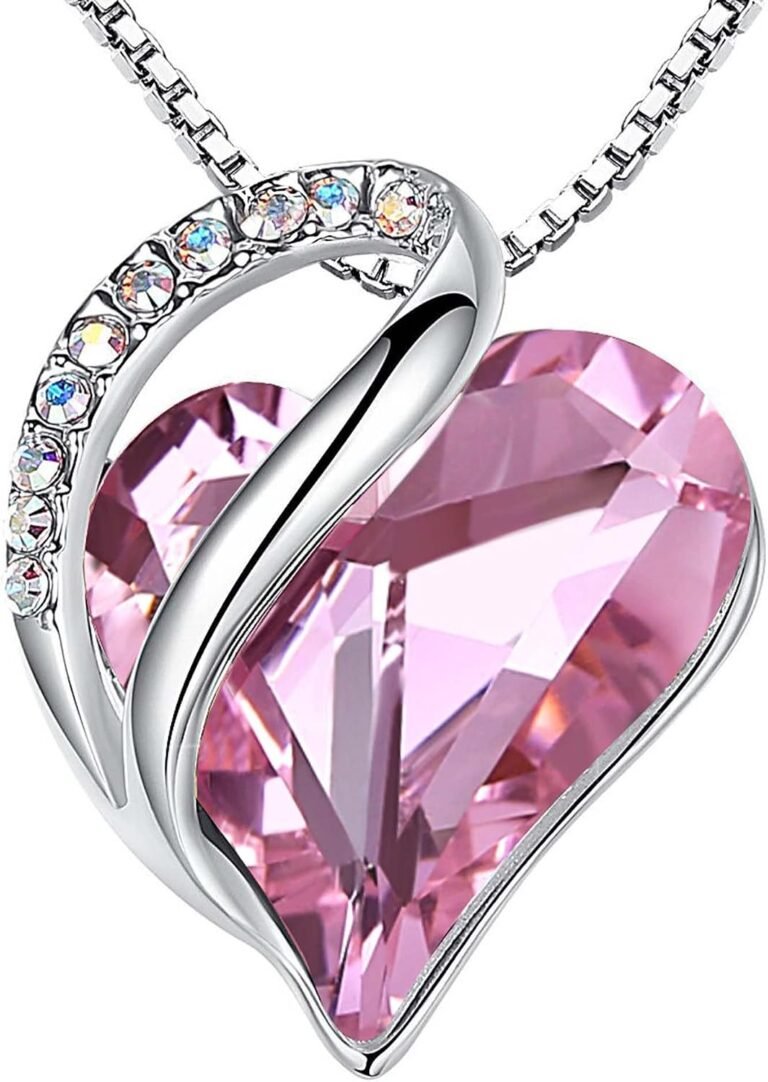
What holds a pendant to a necklace is a small component called a bail, and its job is to connect the pendant to the chain. The bail wraps around the necklace itself and has a loop or opening that your pendant hangs from. This tiny piece is the bridge between your chain and your favorite charm, so getting it right matters.
Most bails are either permanently fixed (soldered shut) or openable so you can switch pendants easily. We found that the type of bail you need depends on your chain style, the pendant’s weight, and how you want to wear it. Beyond bails, some necklaces use jump rings, split rings, or crimp beads to hold a pendant securely, and each option has pros and cons.
- Bails are the most common connector for pendants and come in fixed or openable styles.
- Jump rings are small metal circles that attach a pendant to a chain, but they can twist open over time.
- Split rings (like tiny keychains) offer a much stronger hold than plain jump rings.
- Pinch bails snap shut without tools and work great for flat or coin-style pendants.
- The right choice depends on your chain thickness, pendant weight, and whether you change pendants often.
Below, we break down every type of pendant connector, explain which one works best for your necklace, and share simple tips to keep your favorite piece secure.
Understanding the Small Parts That Connect a Pendant to Your Necklace
When you pick up a pendant necklace, you rarely think about the tiny metal piece doing all the heavy lifting. That little connector is the bail, and it is the unsung hero of your jewelry box. Whether you are shopping for a new charm or fixing a broken favorite, knowing how these parts work will save you time and money.
We found that most people only notice the bail when it fails. A loose clasp or a bare chain where your pendant used to be is a sad moment. But with a little knowledge, you can choose the right connector the first time and keep your jewelry exactly where it belongs.
The Basic Anatomy of a Pendant Bail
A bail is essentially a loop with a gap. One side grabs your chain, and the other side holds your pendant. The design looks simple, but the engineering matters a lot.
Bails come in two main camps: fixed and openable. A fixed bail is soldered or welded shut, so your pendant stays on that chain forever. An openable bail has a tiny hinge or a spring-loaded mechanism that lets you swap pendants whenever you feel like a change.
Why the Bail Shape Matters
The shape of the bail affects how your pendant hangs. A round bail lets the pendant swing freely and lay flat against your chest. A straight bail keeps the pendant upright and prevents it from flipping over. Many jewelers suggest matching the bail shape to the pendant type for the best look (Gemological Institute of America).
You might not realize that a poorly matched bail can cause your pendant to hang sideways. That small detail can ruin the whole look, even if the necklace itself is gorgeous. We recommend holding the pendant up to a mirror before committing to a permanent fix.
Openable Bails: The Everyday Choice for Changing Styles
If you like to switch your pendants with your outfit, an openable bail is your best friend. These bails have a small clasp or hinge that opens and closes securely. You can change your look in seconds without any tools.
There are two popular types of openable bails: the box clasp and the spring ring. The box clasp is a small square that snaps shut for a nice click. The spring ring is a tiny round loop that pulls back like a keychain. Both work well, but the box clasp tends to feel more secure over time.
Pinch Bails: Tool-Free and Quick
Pinch bails are a specific kind of openable bail that you simply squeeze. The prongs grip the top edge of your pendant, and they hold tight until you pinch them open again. These work best on flat pendants, coin charms, and medallions.
We found that pinch bails are fantastic for people with arthritis or anyone who struggles with tiny clasps. There is no fiddly mechanism, just a simple squeeze. Just make sure the pendant has a flat top edge for the prongs to grip.
Screw Bails: The Safe Bet for Heavy Pendants
For metallic or heavier pendants, screw bails are a great option. A tiny screw tightens the bail shut, creating a very secure lock. You need a small screwdriver to open and close them, but the extra effort is worth it.
Many people use screw bails on luxury pendants or family heirlooms because they rarely fail. According to many jewelers, the screw bail has the lowest failure rate of any openable connector. If your pendant is valuable or sentimental, this is a smart choice.
Fixed Bails: Made to Last a Lifetime
Fixed bails are soldered or welded directly onto the pendant or the chain. There is no way to open them, which is good news for security but bad news for flexibility. Once a fixed bail is on, it stays on.
We found that fixed bails are the standard on high-end necklaces where the pendant and chain are sold as a set. They never loosen, never open, and never let your pendant drop. The trade-off is that you cannot swap your chain or pendant without visiting a jeweler.
If you want a fixed bail but need some flexibility, you can choose a pendant that comes with a small loop built in. The loop is soldered to the pendant, and you attach your own chain with a jump ring. That gives you the freedom to switch chains while keeping the pendant secure.
Jump Rings and Split Rings: Simple Connectors for Everyday Necklaces
Sometimes you do not need a fancy bail at all. Many pendants come with a tiny loop or hole at the top, and you just attach the chain directly. That is where jump rings and split rings come into play.
A jump ring is a small metal circle with a single cut. You pull the ends apart, slide it through the pendant loop and the chain, then press it back closed. It works, but it is not the most durable option out there.
When a Jump Ring Works (and When It Fails)
Jump rings are fine for lightweight pendants on thin chains. If your pendant is small and you are careful, a jump ring can last for years. The problem is that the open ends can catch on clothing and slowly twist apart over time.
We found that jump rings fail most often on active days. Hiking, dancing, or even reaching for something on a high shelf can snag the ring and bend it open. When that happens, your pendant falls off the chain without any warning. You might not notice until hours later.
The Split Ring Advantage
A split ring looks like a tiny keychain ring. Instead of a single cut, it has a wire that wraps around twice. This design is much stronger because it does not have a weak point that can twist open.
Split rings are our top pick for pendants that you wear daily. They hold strong, resist snags, and rarely fail. Many experts suggest split rings for anyone who wears a pendant while working, exercising, or sleeping.
For a quick comparison, here is a simple breakdown of the options:
| Connector Type | Best For | Durability | Ease of Use |
|---|---|---|---|
| Fixed Bail | Heirlooms, luxury sets | Excellent | Permanent |
| Pinch Bail | Flat coins, medallions | Good | Very easy |
| Screw Bail | Heavy pendants | Excellent | Needs tool |
| Jump Ring | Light, occasional wear | Fair | Easy |
| Split Ring | Daily wear, active use | Very good | Easy |
How to Attach a Pendant Without a Bail
If your pendant only has a small hole, you can still wear it on a chain without a bail. Use a tiny split ring to connect the pendant hole to a link on your chain. This is a simple fix that takes less than a minute.
Another option is to use a crimp bead and a piece of cord or leather. Slide the cord through the pendant hole, then crimp a bead on each side to keep it in place. This works best for casual, bohemian-style necklaces.
Choosing the Right Connector for Your Chain
Your chain thickness matters when picking a connector. A delicate chain has small links that cannot fit a bulky bail. A thick rope chain needs a wider bail to slide over smoothly. Pay attention to the size of your chain before buying anything.
- Thin chains (under 1 mm) work best with tiny pinch bails or split rings.
- Medium chains (1-2 mm) handle standard openable bails well.
- Thick chains (over 2 mm) need a wide bail or a split ring.
- Chunky statement chains often use fixed bails soldered to the links.
How Pendant Weight Affects Which Connector You Need
Heavy pendants put real stress on their connectors. A thick silver charm can weigh more than you expect, and gravity does the rest. We found that the weight of your pendant is the single biggest factor in choosing a connector.
For pendants under 5 grams, almost any connector will work. Once you go above 10 grams, you want a sturdier option like a screw bail or a split ring. For anything over 20 grams, a fixed bail is the only safe choice.
Many materials are surprisingly heavy. A large crystal pendant can weigh 15 grams, while a chunky gold piece might hit 25 grams. When in doubt, weigh your pendant on a kitchen scale before choosing a connector.
Chain Strength Matters Too
The chain itself must match the weight of your pendant. A heavy pendant on a flimsy chain will eventually break at the weak link. We recommend matching the chain thickness to the pendant weight for balanced wear.
A good rule of thumb is that your chain should be at least as strong as your connector. The chain is the weakest point in the system, so do not overlook it. If your chain is too thin, upgrade it before worrying about the bail.
Do-It-Yourself Pendant Attachment: What You Can Do at Home
You do not need to be a professional jeweler to attach most pendants. With the right tools, you can handle split rings, pinch bails, and even some jump rings at home. A small set of jewelry pliers costs little and makes the job much easier.
We found that most beginners start successfully with pinch bails because they require zero tools. Just squeeze, slide the pendant in, and release. If you need a split ring, use two flat-nose pliers to gently twist the ring open without scratching the metal.
When to See a Professional Jeweler
Some jobs are best left to the experts. If your pendant needs soldering or the hole is poorly positioned, a jeweler can fix it quickly. They also know how to handle fragile metals without causing damage.
If you are unsure about installing a screw bail, take it to a jewelry store. Most shops will attach a screw bail for a small fee. That simple service can prevent a costly accident later.
Quick Maintenance to Keep Your Pendant Secure
Check your connector every few weeks. Look for worn metal, bent prongs, or a loose clasp. Catching a problem early is much easier than hunting for a lost pendant in the grass.
Clean the bail area with a soft cloth to remove oils and grime. Dirt can make moving parts stiff or cause a split ring to stick. A tiny drop of jewelry cleaner works wonders for keeping mechanisms smooth.
Our Three Favorite Hacks for Secure Pendant Wear
We have gathered a few simple tricks that keep pendants on their chains. First, always close jump rings with pliers, not your fingernails. Hand-tightened rings leave gaps that catch on fabric.
Second, use a small dot of clear nail polish on screw bails to keep them from vibrating loose. This trick works especially well for heavy pendants worn during workouts. Third, never wear a valuable pendant while swimming or showering, as soap and chlorine can weaken metal.
The Direct Answer to Every Pendant Connector Question
Here is a quick checklist to help you pick the right connector for your necklace. Keep this list handy the next time you shop for a pendant:
- Know the weight of your pendant before choosing a connector.
- Measure your chain thickness to find matching bail sizes.
- Use a split ring for daily wear and active lifestyles.
- Pick a pinch bail for flat coins or medal-style pendants.
- Choose screw bails for heavier or expensive items.
- Buy fixed bails only when you plan to keep the set together.
The right connector makes all the difference in how your pendant feels and performs. You do not need to be an expert to get it right. Just match the part to the weight, the chain, and your daily routine.
When you understand what holds a pendant to a necklace, you stop guessing and start choosing wisely. Your jewelry will stay put, look better, and last longer. That small metal piece works hard for you every single day, so give it the attention it deserves.
Conclusion
You now know exactly what holds a pendant to a necklace, and you have the tools to pick the right connector every time. The bail is your go-to for most pendants, but split rings and screw bails offer serious staying power for daily wear or heavier charms.
Before you attach anything, weigh your pendant and check your chain thickness. That quick step prevents most jewelry mishaps before they start.
We suggest starting with a pinch bail or split ring if you are new to this. They are easy to use, forgiving, and you can swap them out as you learn. When in doubt, visit a local jeweler for a professional opinion — it is a small cost to protect a piece you love.
Frequently Asked Questions
Why does my pendant keep turning sideways on the chain?
A round bail lets the pendant swing freely, which can cause it to flip. You want a straight bail or a fixed bail shaped like a tube to keep it upright. This is key for pendants with a distinct front and back design.
Can I use a split ring on a very thin chain?
Yes, but you need to match the ring size to the chain link. A split ring that is too thick can pull on a delicate chain. Pick a ring that slides through the link easily without forcing it.
Is it safe to wear a heavy pendant every day?
It depends on the connector. A screw bail or a fixed bail is the safest bet for daily wear with heavy charms. You should also verify your chain is strong enough to support the pendant’s weight. Avoid jump rings for heavy daily use.
What is the best way to close a jump ring without damaging it?
You need two pairs of flat-nose pliers. Grip each side of the ring opening and push the ends past each other, then pull back to close. Never pull the ends straight apart, as that weakens the metal.
My pendant has no loop or hole. Can I still wear it on a necklace?
Yes, you have options. A pinch bail can grip the top edge of a flat pendant. For a piece without a flat edge, a jeweler can solder a small loop onto the back. That adds a permanent attachment point for your chain.