Most Durable Ring Metal Revealed: What Lasts Forever
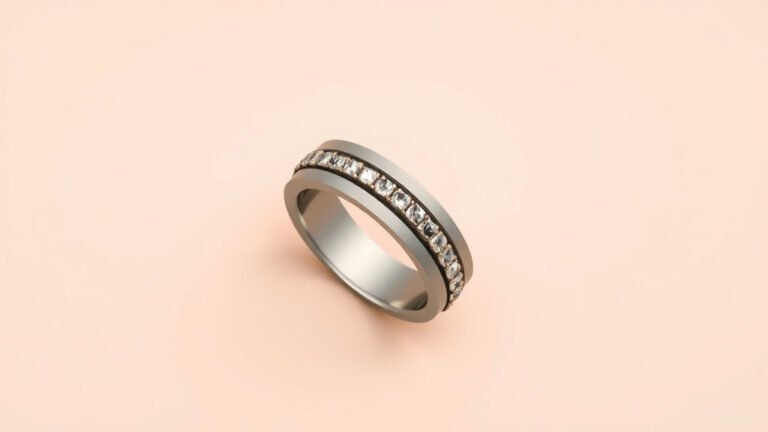
When searching for the most durable ring metal, tungsten carbide and cobalt consistently rank at the top. These materials offer incredible hardness, making them highly resistant to scratches and wear. If you’re looking for a ring that can withstand daily life without losing its shine, these are your best bets.
Durability in ring metals means resisting damage like scratches, dents, and bending. While precious metals like gold and platinum can be stunning, they are softer and more prone to wear over time. Materials like tungsten and cobalt are engineered for exceptional toughness, ensuring your ring looks great for years to come with minimal maintenance.
- Tungsten carbide and cobalt are the most scratch-resistant ring metals.
- They are incredibly hard and dense, resisting daily wear and tear.
- These metals maintain their shine and shape exceptionally well.
- They are a great choice for active lifestyles or anyone wanting a low-maintenance ring.
So, if you want a ring that truly stands the test of time and your busy life, let’s look closer at the metals that promise that kind of lasting beauty.
Finding the Toughest Ring Metal for Your Lifestyle
When you’re choosing a ring, you want it to look fantastic. But what if you also need it to survive daily life without a scratch? You’re in the right place. We’ll help you understand which ring metals are the most durable. This means they resist damage like scratches, dents, and bending. It’s about finding a ring that keeps its shine and shape for years. Let’s explore the leaders in toughness.
What Makes a Ring Metal Truly Durable?
Durability in jewelry isn’t just about looking good; it’s about lasting. A truly durable ring metal can handle the bumps and scrapes of everyday life. Think about your hands – they’re always busy. From opening doors to washing dishes, your ring goes through a lot. Metals that are hard and dense perform best. They resist showing wear and tear. This means fewer trips to the jeweler for repairs or polishing. You want a ring that stays as beautiful as the day you got it.
Understanding Hardness and Density
When we talk about durability, two key factors stand out: hardness and density. Hardness refers to a metal’s resistance to scratching and abrasion. A harder metal is much less likely to get scuffed up by everyday objects. Think of a diamond; it’s incredibly hard and can scratch almost anything. Density, on the other hand, relates to how much mass is packed into a given volume. Denser metals are often more resistant to dents and bending. They feel substantial on your finger. These two properties work together to create a truly tough ring.
Common Ring Metals and Their Durability
You’ve probably seen rings made from various metals. Precious metals like gold and platinum are classic choices. However, pure gold (24k) is quite soft. Most gold rings are alloys (mixtures) like 14k or 18k gold to add some strength. Even so, they can still scratch and dent more easily than harder metals. Platinum is denser and harder than gold, making it more durable. But even platinum can show signs of wear over time. Other metals, like titanium and stainless steel, offer good durability. They are stronger than gold and silver. Yet, some modern materials surpass them in sheer toughness.
The Reigning Champions of Ring Durability
When the goal is maximum resistance to damage, a few specific metals rise to the top. These are engineered for extreme hardness. They offer a level of resilience that traditional jewelry metals can’t match. If you lead an active lifestyle or simply want a ring that requires minimal upkeep, these are the materials you should consider. They are designed to endure.
Tungsten Carbide: The Unyielding Contender
Tungsten carbide is arguably the most well-known for its extreme durability. It’s an alloy made from tungsten and carbon atoms. This combination creates a material that is incredibly hard. In fact, it’s nearly as hard as diamond on the Mohs scale of hardness. This means tungsten carbide rings are almost impossible to scratch with everyday objects. You can bang them against desks or countertops without worry. They will resist scuffs and abrasions exceptionally well. This makes them a fantastic choice for anyone who works with their hands or enjoys outdoor activities. Many research studies confirm tungsten carbide’s high hardness (NCBI).
Pros of Tungsten Carbide Rings
- Exceptional scratch resistance: You’d be hard-pressed to find something that scratches it.
- Maintains its shine: It doesn’t tarnish or dull over time.
- Hypoallergenic: Great for people with sensitive skin.
- Affordable: Offers incredible durability for the price.
Considerations for Tungsten Carbide
While incredibly hard, tungsten carbide is also very brittle. This means it can shatter or chip if hit with extreme force. Dropping it on a hard floor from a height could potentially damage it. Also, if a tungsten ring needs to be removed in an emergency (like a medical situation), it often needs to be cut off by a jeweler. This is because it’s too hard to break by hand. We found that this is a common consideration for many buyers.
Cobalt: The Modern, Tough Alternative
Cobalt, often found in cobalt chrome alloys for rings, is another leading contender for durability. It’s a naturally white metal that is often compared to platinum in appearance but offers superior hardness. Cobalt alloys are known for being very strong and resistant to scratching. They are also less brittle than tungsten carbide. This means they are less likely to shatter if dropped. Cobalt rings can often withstand more impact without breaking. This makes them a balanced choice, offering both hardness and toughness.
Advantages of Cobalt Rings
- High scratch resistance: Very durable against daily wear.
- Less brittle than tungsten: More resistant to chipping or shattering.
- Comfortable to wear: Often feels lighter than tungsten.
- Hypoallergenic: Suitable for sensitive skin.
What to Know About Cobalt
Cobalt alloys are harder than traditional precious metals, but perhaps not quite as scratch-proof as tungsten carbide. While very resistant, severe impacts could potentially cause minor damage over time. We found that cobalt rings are also more expensive than tungsten carbide. They do not tarnish, but some very rare instances of skin irritation have been noted in some studies, though it’s generally considered hypoallergenic (Cleveland Clinic).
Comparing the Top Durable Metals
To help you visualize the differences, let’s look at a quick comparison. It highlights why these two metals are often recommended for durability.
| Metal | Hardness (Mohs Scale) | Scratch Resistance | Brittleness | Dent/Bend Resistance |
|---|---|---|---|---|
| Tungsten Carbide | 8-9 | Extremely High | High (brittle) | High |
| Cobalt | 6.5-7 | Very High | Moderate | Very High |
| Platinum | 3.5-4 | Moderate | Low | High |
| 14k Gold | 2.5-3 | Low | Low | Moderate |
As you can see, tungsten carbide and cobalt offer significantly higher hardness than traditional metals like gold and platinum. This directly translates to better scratch resistance. Cobalt offers a good balance of hardness and toughness, while tungsten carbide excels in sheer scratch resistance.
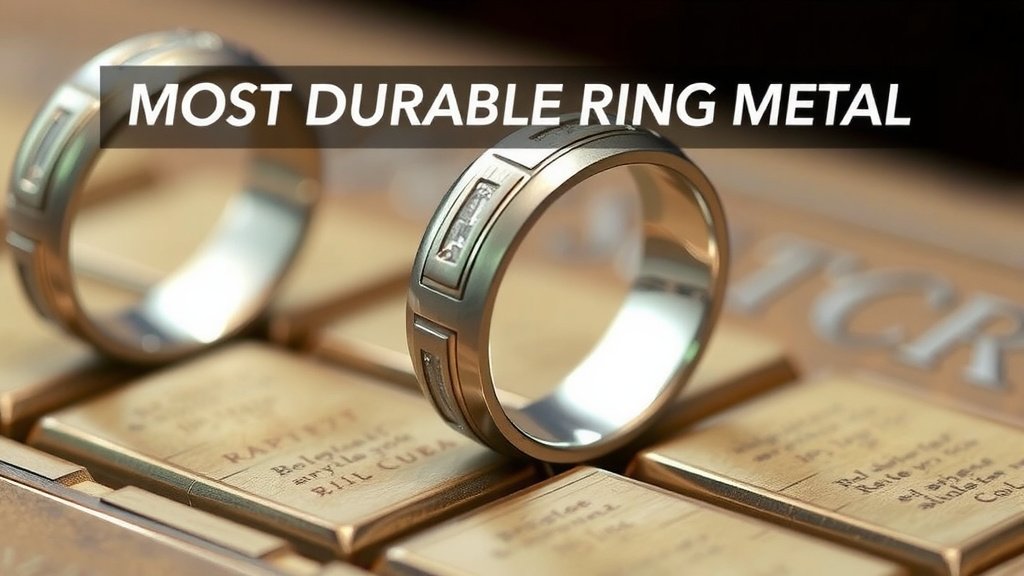
Choosing the Right Durable Metal for You
So, how do you pick between these champions of toughness? It really comes down to your priorities and lifestyle. Think about what’s most important for your ring. Are you looking for the absolute best defense against scratches, no matter what? Or do you prefer a slightly more forgiving material that still offers superior durability?
Consider Your Daily Activities
If your job or hobbies involve a lot of rough activity, a tungsten carbide ring might be your best bet. Its near-indestructible surface means it will look amazing even after years of daily wear. Think of construction workers, mechanics, or avid athletes. Even if you’re just someone who tends to be a bit rough on your belongings, tungsten offers peace of mind. On the other hand, if you’re worried about the brittleness of tungsten and want something that can withstand a bit more impact without shattering, cobalt is an excellent choice. It’s tough enough for most active lifestyles and feels more forgiving.
Think About Maintenance and Aesthetics
Both tungsten carbide and cobalt are low-maintenance metals. They don’t tarnish and retain their shine beautifully. This means you won’t need to polish them regularly like you might with gold or silver. You can simply wipe them clean with a soft cloth. Their appearance is modern and sleek. Tungsten often has a darker, more gunmetal gray appearance, while cobalt is a brighter, pure white metal, similar to platinum. Consider which color and finish appeal to you most. We found that many people appreciate the ‘set it and forget it’ aspect of these durable metals.
Your Personal Checklist for Durability
To help you decide, ask yourself these quick questions:
- Do I want the absolute highest level of scratch resistance available?
- Am I concerned about my ring shattering if dropped?
- How active is my lifestyle?
- Do I prefer a bright white or a darker gray metal tone?
- How important is minimal maintenance to me?
- Am I okay with a ring that might need to be cut off in an emergency?
Answering these can point you clearly toward the metal that best suits your needs. Both tungsten carbide and cobalt are fantastic options for anyone seeking a durable ring.
Conclusion
You’ve learned that when seeking the most durable ring metal, tungsten carbide and cobalt stand out clearly. Both offer superior resistance to scratches and daily wear compared to traditional metals. Tungsten carbide is incredibly hard, nearly impossible to scratch. Cobalt provides a fantastic balance, offering excellent toughness with less brittleness. Consider your lifestyle and what matters most to you – whether it’s absolute scratch-proofing or a bit more resilience against impacts. Whichever you choose, you’re investing in a ring that will look stunning for years with minimal fuss. Ready to find your perfect tough-as-nails ring?
Frequently Asked Questions
Can tungsten carbide rings break?
Yes, while tungsten carbide is extremely hard and scratch-resistant, it is also brittle. This means it can potentially chip or shatter if subjected to a very sharp, forceful impact, like being dropped from a significant height onto a hard surface. Research shows this brittleness is a key difference from less hard but more malleable metals.
Is cobalt a good metal for an active lifestyle?
Absolutely. Cobalt alloys offer high scratch resistance and are more resistant to breaking or chipping than tungsten carbide. This makes them an excellent choice for individuals with active lifestyles who need a ring that can handle bumps and impacts without easily sustaining damage.
How do tungsten and cobalt compare to platinum in durability?
Both tungsten carbide and cobalt are significantly harder and more scratch-resistant than platinum. While platinum is dense and resists dents well, it can still scratch over time with daily wear. Tungsten and cobalt are engineered for extreme hardness, meaning they will show far less visible wear.
Are tungsten carbide and cobalt rings safe for sensitive skin?
Generally, yes. Both tungsten carbide and cobalt are considered hypoallergenic and are excellent choices for people with sensitive skin or metal allergies. They are often used in medical implants due to their biocompatibility and resistance to corrosion.
How should I clean my durable metal ring?
Cleaning your tungsten carbide or cobalt ring is simple. You can usually just wipe it down with a soft, damp cloth to remove dirt and oils. For a deeper clean, a little mild soap and water will work, followed by a thorough rinse and drying with a lint-free cloth. Avoid harsh chemicals or abrasive cleaners.